Cannabis Harvesting and Curing
Royal King Seeds
Cultivation team
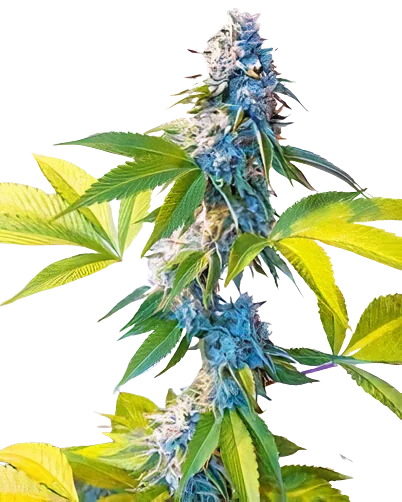
Harvesting Curing sits in the space between "general cultivation knowledge" and "the specific detail you actually need when this comes up during a grow." Generic guides mention it in passing; this piece gives it the focused treatment that Aussie growers dealing with it in real time require.
Tracing Problems to Their Origin
Most harvesting curing difficulties trace to one of two root causes: either the growing environment shifted (seasonal temperature change, different batch of nutrients, relocated tent) without a corresponding management adjustment, or the plant entered a new developmental stage while the grower continued the previous approach unchanged. Both scenarios create a timing gap between what the plant now requires and what it is actually receiving.
This pattern explains how a grower can produce excellent results for weeks and then encounter problems seemingly from nowhere. Their technique did not fail — the plant's requirements moved beyond what the technique was calibrated for.
Separating Signal from Background Noise
Cannabis produces a constant stream of visual cues — minor colour variations between leaves, slight droop during warm afternoons (especially common during Australian summer), minor curling on individual fan leaves. Most of this is normal plant behaviour, not an indication of trouble. The skill that separates composed, effective growers from anxious overcorrectors is learning which visual changes demand action and which are just biological noise.
Act on: progressive yellowing advancing consistently up or down the canopy, tip burn on newly emerged leaves, wilting that persists through the lights-off period, and sudden cessation of growth after weeks of steady development. Ignore: isolated leaf yellowing on heavily shaded lower branches, mild afternoon droop that recovers by the following morning, and minor colour differences between leaves at different canopy heights.
Indoor Control vs. Outdoor Adaptation
Indoor growers manage harvesting curing through equipment — adjusting dials and settings to maintain calculated target ranges. Outdoor growers manage it through genetics and calendar — selecting cultivars that tolerate regional conditions and timing the grow cycle to avoid the worst seasonal challenges. Both approaches work. The indoor advantage is precision; the outdoor advantage is scale and natural light energy. outdoor strains exists specifically to help outdoor growers match genetics to environmental reality. Vapour pressure deficit — the relationship between leaf temperature, air temperature, and relative humidity — determines how effectively your plants transpire. Our VPD and climate control guide has the charts and practical adjustments.
Developing Practical Intuition
Experienced growers do not follow more complex protocols — they recognise patterns that newer growers have not yet encountered. Each completed grow adds observational data: what stress looks like in your particular setup, how your chosen genetics respond to corrections, which interventions produce real improvement and which just add complexity.
Keep a simple grow journal — weekly canopy photos and brief notes on changes you made and what the plant did afterwards. After three grows, your own observation history becomes more valuable than any general guide because it reflects your actual, specific growing conditions.
Frequently Asked Questions
- I made an adjustment and my plant got worse. What happened?
- The plant was likely already adapting to the previous conditions when your change forced it to readapt — creating compound stress rather than allowing single-direction recovery. This is exactly why making one change at a time and waiting 48-72 hours before evaluating is essential.
- Where does harvesting curing rank among growing priorities?
- Alongside pH management, watering discipline, and adequate light — these four form the foundation. Getting all four right produces good results even when everything else is imperfect. Getting any one consistently wrong produces poor results regardless of advanced techniques applied elsewhere.
- Can I automate harvesting curing management?
- Environmental controllers and timers handle the repetitive aspects well. But no automation substitutes for visual plant assessment. Use technology for consistency, and use your own observation for catching what sensors miss.
Related Articles
Ready to Start Growing?
Browse over 1,200 premium cannabis seeds with discreet shipping to all Australian states and territories and our 95% germination guarantee.
Shop Cannabis Seeds