Cannabis for Sleep and Pain Relief
Royal King Seeds
Cultivation team
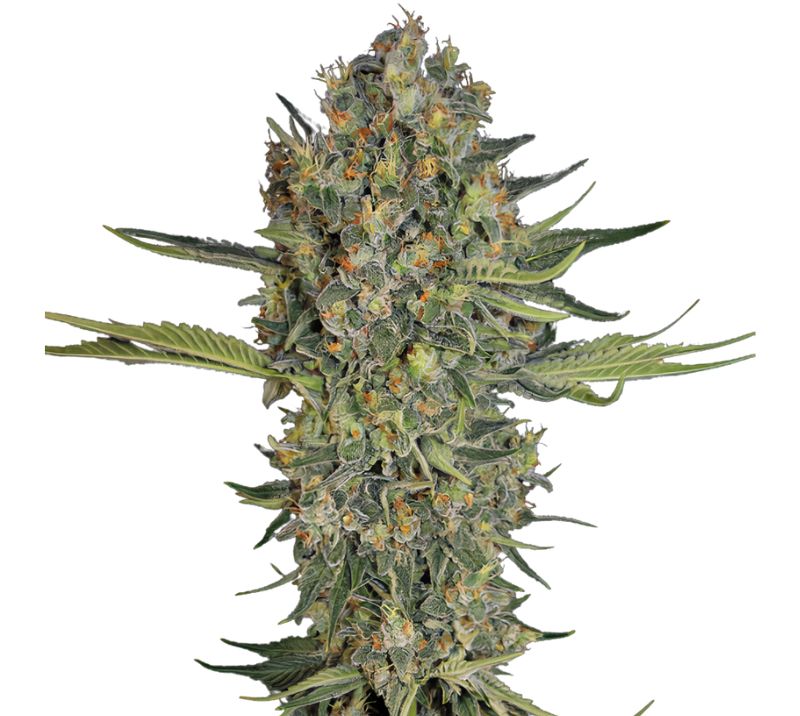
Cannabis for sleep is more nuanced than picking a heavy indica and smoking it before bed. Whether a cultivar actually promotes quality sleep depends on its terpene-cannabinoid interaction, how it was harvested, the consumption method, and — critically — the dose. Getting these variables aligned is the difference between genuine sleep support and simply feeling altered while lying awake.
What Makes Certain Cultivars Sedating
The sedative quality of cannabis is driven primarily by the combination of myrcene-dominant terpenes and indica-type cannabinoid expression. Myrcene at higher concentrations produces muscle relaxation and physical heaviness that facilitates the transition from wakefulness to sleep. Heavy indica strains with elevated myrcene create the "sinking into the mattress" sensation that sleep-focused users rely on.
Cultivars that work against sleep: high-THC sativa genetics with limonene or terpinolene dominance. These produce mental activation, accelerated thoughts, and sometimes anxiety — the opposite of what someone trying to sleep requires. Even moderate-THC sativas can keep the mind too engaged for sleep onset.
Quick filter: if the strain is described as "relaxing" and "body-heavy" with "earthy" or "musky" aromatics, it is more likely to support sleep than a cultivar described as "energising," "creative," or "citrusy."
Harvest Timing for Sleep-Optimised Flower
This variable is overlooked by most growers seeking sleep-focused flower. Harvesting with 20-30% amber trichome heads produces flower with elevated CBN content — CBN forms as THC oxidises and is mildly sedative on its own. The practical implication for sleep-focused growers: allow the plant to mature slightly past the standard harvest window. You trade some peak THC (a portion has converted to CBN) for a more sedative overall cannabinoid profile that better serves nighttime use. When you chop defines what ends up in the jar — not just potency, but the entire aromatic and experiential character. Our trichome and harvest timing guide covers the magnification techniques and maturity markers that matter.
Dosing for Sleep: Why Less Works Better
The dose that supports sleep is not the dose for heavy recreational use. Moderate intake of a sedative cultivar produces drowsiness and physical relaxation that transitions smoothly into sleep. High doses can trigger anxiety, mental restlessness, or an uncomfortably altered state that is too stimulating for sleep onset — the body wants to rest but the mind cannot settle.
Approach: one to two inhalations of a sedative strain approximately sixty to ninety minutes before intended sleep time. Evaluate after fifteen to twenty minutes. Add more only if relaxation is insufficient. The target state is comfortable drowsiness, not incapacitation.
For users who wake during the night, edibles deliver longer-lasting effects (six to eight hours versus two to three for inhalation). A low-dose edible (5-10 mg THC from a sedative indica cultivar) consumed ninety minutes before bed can provide sustained overnight coverage that inhalation cannot match. Choosing cannabis for anxiety requires precision — the wrong terpene profile or dose turns relief into overstimulation. Our anxiety and CBD guide outlines the safest approach for sensitive users.
Cultivar Recommendations for Sleep
Myrcene-heavy indicas: kush varieties genetics — Bubba Kush, OG Kush, Hindu Kush, Purple Kush — are the most consistently cited sleep cultivars among our Australian customer base. Their earthy, musky terpene profiles and pronounced physical effects align precisely with what sleep-focused users report seeking.
Purple genetics: purple genetics cultivars are frequently reported as sleep-supportive, likely because many carry myrcene-dominant terpene profiles combined with strong indica genetics.
CBD-dominant flower: For users wanting sleep support without significant psychoactive alteration, CBD seeds deliver body relaxation and potential anxiety reduction without the mental intensity of THC-dominant genetics — particularly relevant for users who find THC produces racing thoughts that interfere with sleep.
Balanced 1:1 THC/CBD cultivars: For users who benefit from mild THC effects but find high-THC cultivars too mentally stimulating — the CBD moderates THC's psychoactive intensity while preserving enough cannabinoid activity for noticeable relaxation.
What Undermines Sleep-Focused Cannabis Use
Sativas before bed: Even "relaxing" sativas tend to engage the mind in ways that oppose sleep. If a strain description includes "creative," "focused," or "uplifting," it is not a sleep strain regardless of how pleasant it is.
Overdoing the dose: The threshold where THC goes from relaxing to anxiety-inducing varies individually. Starting low and titrating across separate sessions — not within a single session — identifies your personal sweet spot safely.
Cannabis as the sole sleep intervention: Cannabis supports sleep most effectively alongside sound sleep hygiene — consistent schedule, dark room, cool temperature, limited screen exposure before bed. Using cannabis to override poor sleep habits delivers diminishing returns over time.
Frequently Asked Questions
- How far before bed should I use cannabis for sleep?
- Inhaled: thirty to sixty minutes before bed. Edibles: ninety to one hundred and twenty minutes before bed. Time the peak effect to coincide with your intended sleep onset rather than consuming immediately before lying down.
- Does cannabis help me stay asleep or only fall asleep?
- Inhalation primarily aids sleep onset — effects dissipate within two to three hours. For maintaining sleep through the night, edibles provide sustained coverage across six to eight hours. Users who fall asleep easily but wake at 3 AM typically find edibles more effective than inhalation.
- Will I develop tolerance if I use cannabis for sleep regularly?
- Yes — regular use at the same dose builds tolerance over time. Strategies to manage this: rotate between two or three different sedative cultivars; take periodic breaks of two to three days to reset sensitivity; and keep doses moderate to slow tolerance development.
- Is long-term cannabis use for sleep safe?
- We are seed specialists, not physicians, and cannot provide medical advice. Many of our customers report using cannabis for sleep support over extended periods. Users with concerns about long-term use should consult a healthcare provider knowledgeable about cannabis therapeutics.
Ready to Start Growing?
Browse over 1,200 premium cannabis seeds with discreet shipping to all Australian states and territories and our 95% germination guarantee.
Shop Cannabis Seeds