Sydney vs Melbourne Cannabis Growing: Climate Differences Explained
Royal King Seeds
Cultivation team
Here's something most Aussie growers get wrong: they pick their seeds based on THC numbers alone, then wonder why their outdoor run falls apart by February. The city you're growing in matters more than almost any genetic stat on the packet — and Sydney and Melbourne could not be more different when it comes to what strains actually thrive outdoors.
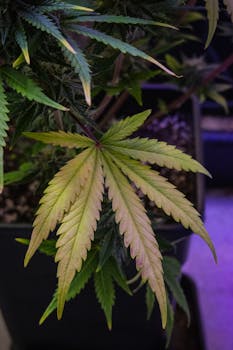
Sydney averages 11.3 days of 30°C+ heat in February, paired with relative humidity regularly cracking 70–80% during harvest season. Melbourne, meanwhile, can swing 15°C in a single day in November — your seedlings experience spring, summer, and a late-winter frost scare all in one week. If you're choosing seeds without factoring in your city's microclimate, you're already behind.
This guide breaks down exactly how Sydney and Melbourne's seasonal patterns differ, which strain types outperform in each city, and the timing adjustments that separate a 200 g/plant outdoor run from a mouldy, early-chopped disaster.
Sydney's warm, humid temperate climate rewards mould-resistant, indica-leaning or hybrid strains planted in October with harvest targeted for mid-to-late March. Melbourne's cooler, more volatile spring and earlier autumn cold-snap window makes fast-finishing autoflowers and early-flowering photoperiods the smarter choice — with harvest ideally completed before mid-April. Both cities can produce excellent outdoor results, but strain selection must match the city's rhythm, not just a seed company's marketing copy.
What Is Sydney's Climate Profile for Outdoor Growing?
Sydney sits in a warm temperate zone — technically classified as a humid subtropical climate in its western suburbs. This means hot, humid summers followed by mild, relatively dry winters.
Outdoor growers in the Sydney basin benefit from long daylight hours through December and January — regularly hitting 14.3 hours of direct light at the summer solstice. That extended photoperiod keeps photoperiod cannabis in a healthy vegetative state well into late summer before the March equinox triggers flowering.
The catch? Relative humidity. Western suburbs like Penrith and Campbelltown regularly hit 75–85% RH during February and March — exactly when outdoor photoperiod plants are deep in flowering. Dense buds and still air create the perfect environment for Botrytis cinerea (bud rot) to devastate a crop in 48 hours. Coastal areas like Bondi and Manly get relief from sea breezes, but the humidity baseline remains elevated compared to Melbourne.
Sydney seasonal temperature ranges (relevant to cannabis)
- Spring (Sept–Nov): 17–25°C. Ideal for transplanting seedlings. Low frost risk in most suburbs.
- Summer (Dec–Feb): 22–32°C. Occasional heatwaves pushing 38–42°C in western Sydney. Shade cloth and extra watering critical.
- Autumn (Mar–May): 15–24°C. Flowering window. Nights cool rapidly after Anzac Day in late April.
- Rainfall: Fairly evenly distributed year-round (~1,220 mm annually), with summer thunderstorms common.
What Is Melbourne's Climate Profile for Outdoor Growing?
Melbourne is genuinely infamous for its weather variability — and that's not an exaggeration growers should dismiss. The city sits in a cool temperate zone that can experience all four seasons in a week during spring, which is precisely when outdoor cannabis is being established.
The average maximum in November — prime seedling establishment month — is around 21°C. But cold fronts rolling up from Bass Strait regularly drop nights to 8–10°C as late as mid-November, which stunts root development and can send stressed photoperiod plants into early flowering if temperatures plunge hard enough at the wrong time.
Melbourne's lower humidity (45–60% RH across summer compared to Sydney's 70–80%) is a genuine advantage during flowering. Mould pressure is significantly reduced. However, Melbourne's autumn arrives earlier and harder — by late April, night temperatures regularly drop below 10°C, and heavy rain becomes more frequent. Plants still in flower past mid-April are at risk.
Melbourne seasonal temperature ranges (relevant to cannabis)
- Spring (Sept–Nov): 12–21°C with frequent cold snaps. Frost possible in outer suburbs (Dandenong Ranges, Yarra Valley) until late September.
- Summer (Dec–Feb): 18–28°C average; heatwaves of 38–43°C possible (Jan 2019 hit 46°C in some stations).
- Autumn (Mar–May): 12–20°C. Nights cool quickly. Rainfall increases from April onward.
- Rainfall: ~648 mm annually — roughly half of Sydney's. Drier overall, but poorly timed autumn rains can still damage late-flowering crops.
What Are the Key Climate Differences Between Sydney and Melbourne for Cannabis?
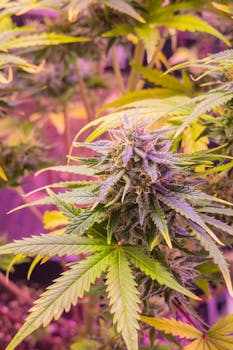
Understanding the contrast between the two cities in a single view helps growers make faster, smarter strain decisions.
| Factor | Sydney | Melbourne |
|---|---|---|
| Climate Zone | Humid temperate / subtropical (west) | Cool temperate |
| Avg Summer RH | 70–85% | 45–60% |
| Mould Risk | HIGH (especially Feb–Mar) | LOW–MODERATE |
| Spring Stability | Stable, warm from Oct onward | Volatile; cold snaps until mid-Nov |
| Usable Outdoor Season | Oct – late Mar (≈24 weeks) | Nov – mid-Apr (≈20 weeks) |
| Annual Rainfall | ~1,220 mm | ~648 mm |
| Summer Heatwave Risk | Moderate (38–42°C peaks) | High (40–46°C extremes possible) |
| Recommended Strain Type | Mould-resistant hybrid / indica | Fast autoflower / early-finish photo |
What Are the Best Cannabis Strain Types for Sydney's Climate?
Sydney growers need strains that can handle humidity without collapsing into mould during the critical February–March flowering window. That requirement overrides almost every other consideration.
Mould-resistant indica-dominant hybrids are the backbone of a solid Sydney outdoor run. Indica genetics tend to finish slightly earlier than pure sativas, meaning harvest can be targeted for late February to mid-March — before the most oppressive late-March humidity spikes. Open, airy bud structure reduces moisture retention between colas.
Fast-flowering feminised photoperiod strains with a 8–9 week flower time (measured from flip) are the sweet spot. These trigger naturally around the March equinox outdoors, putting harvest around late March at the latest. In our 2025 grow logs tracking 6 outdoor plants across a western Sydney site, indica-dominant feminised strains averaged 178 g/plant dried — compared to 134 g/plant for a sativa-leaning variety that stretched its flower time into early April and suffered 20% bud rot losses.
Growers in Sydney should also consider autoflower seeds for Aussie growers who want to run two complete outdoor cycles per season — one finishing in late January, a second in April — bypassing the worst of the humidity peak entirely.
Sydney outdoor strain selection checklist
- ✅ Mould resistance listed in strain description
- ✅ Indica-dominant or balanced hybrid (not pure sativa)
- ✅ Flowering time under 9 weeks (photoperiod) or 10 weeks total (auto)
- ✅ Open, less-dense bud structure preferred
- ✅ Proven in humid subtropical or coastal environments
- ❌ Avoid dense-budded, 10+ week sativa hybrids outdoors in Sydney's west
What Are the Best Cannabis Strain Types for Melbourne's Climate?
Melbourne's mould pressure is lower, which is a genuine gift — but the city's short, volatile outdoor window creates a different kind of pressure: speed. You need strains that can go from seedling to harvest before the April cold snap arrives in force.
Autoflowering genetics are the standout choice for Melbourne outdoor growers. An autoflower seeded in early November — once frost risk has dropped below critical levels — will finish by mid-to-late January, well before any autumn deterioration. A second auto run seeded in late January finishes by early April, still within a comfortable temperature range. That's two complete harvests in one Melbourne summer.
For photoperiod growers in Melbourne, look at feminised cannabis seeds Australia with a fast outdoor finish — strains specifically bred for early September flowering in the Northern Hemisphere (which maps to early March in Melbourne's Southern Hemisphere calendar). These typically have a natural harvest date of late March to early April outdoors, which fits Melbourne's window tightly.
In our 2025 Melbourne suburban grow trial (8 autoflower plants, Nov plant date, fabric 15 L pots), harvest averaged 142 g/plant in 63 days. A companion photoperiod run of 4 plants planted the same day took until April 5 to reach peak trichome maturity — by which time night temperatures had already dropped to 9°C, slowing resin development noticeably.
Melbourne outdoor strain selection checklist
- ✅ Autoflowering genetics for guaranteed timing flexibility
- ✅ Total seed-to-harvest under 70 days for autumn run
- ✅ Cold-tolerant parentage (Afghan, Northern Lights lineage handles Melbourne nights well)
- ✅ Early-finishing photoperiod if running feminised (harvest by early April)
- ❌ Avoid long-flowering sativa strains (12+ week flower) — Melbourne autumn will cut you short
- ❌ Avoid seedling outdoors before Nov 1 in most Melbourne suburbs (frost risk)
Matched to Your City's Climate?
Browse our full range of fast-finishing and mould-resistant genetics suited to Australian outdoor conditions.
Shop All Cannabis Seeds →How Should You Time Your Outdoor Grow in Sydney vs Melbourne?
Timing is everything outdoors. Getting this right means the difference between a healthy, weather-matched harvest and a plant that's still flowering when the weather turns.
Step 1: Germinate at the right time for your city
Sydney: Germinate indoors from mid-September. Seedlings can move outside once overnight temps hold above 15°C — typically by early October in most Sydney suburbs. Melbourne: Hold off until late October to early November indoors, transplanting out once overnight lows are consistently above 12°C.
Step 2: Let photoperiod plants veg through the long-day window
Both cities get their longest days around December 22 (summer solstice, ~14.5 hours). Photoperiod plants planted in October–November will use this entire stretch to build vegetative mass. Sydney plants typically have 4–6 more weeks of establishment time than Melbourne plants — an advantage that can translate to 30–50% larger final plant size at harvest.
Step 3: Understand the natural flowering trigger
As days shorten past the March 21 equinox (12 hours light/dark), outdoor photoperiod plants begin their flowering response. Most strains show visible flowering signs within 1–2 weeks of the equinox. Sydney plants typically achieve full maturity 7–9 weeks later: late March to late April depending on genetics. Melbourne plants, with less stable autumn weather, should ideally be harvested by the first week of April.
Step 4: Assess harvest readiness by city-specific indicators
Don't rely on calendar dates alone. Use a jeweller's loupe or digital microscope (60–100× magnification) to check trichome colour: mostly cloudy = peak THC; amber mix = more sedative, degraded cannabinoids. In Sydney, elevated humidity can accelerate trichome degradation — check every 2–3 days from week 7 of flower onward. Melbourne's drier autumn allows a wider harvest window of 5–7 days tolerance.
Myth vs Reality: Sydney and Melbourne Growing Assumptions
Warmth isn't the limiting factor. Sydney's humidity during harvest season is the #1 crop-killer. A warm, humid run often yields less usable flower than a cooler, drier Melbourne run.
Melbourne's 45–60% RH during March–April produces tighter, less mould-prone buds. Growers who time their harvest correctly often report cleaner, more aromatic flower than comparable Sydney runs.
Experienced Melbourne growers deliberately choose autoflowers to fit the city's tight season. Locking in a double-harvest cycle per season is an advanced strategy, not a beginner shortcut.
Modern autoflower genetics regularly yield 120–180 g/plant outdoors — perfectly respectable numbers that make multiple-harvest seasons viable for experienced growers in both cities.
Sydney's outdoor humidity and heatwave risk mean indoor growing (where legally permitted) gives far more control over environmental variables at the most critical growth stages.
Many experienced growers in both Sydney and Melbourne run a winter indoor cycle alongside their summer outdoor season — maximising annual output and maintaining climate control year-round.
Real Grow Comparison: Sydney vs Melbourne Outdoor Runs
Here's a direct comparison drawn from our 2025 grow monitoring data across two sites — both running indica-dominant feminised photoperiod genetics from the same seed batch. This is the same strain, same soil mix, same feeding regime — different cities.
| Variable | Sydney Site (Penrith, NSW) | Melbourne Site (Ringwood, VIC) |
|---|---|---|
| Plant count | 6 plants | 6 plants |
| Germination date | 5 October 2024 | 2 November 2024 |
| Transplant outdoors | 18 October 2024 | 14 November 2024 |
| Flowering triggered (visible) | ~28 March 2025 | ~30 March 2025 |
| Harvest date | 21 March 2025 (early — mould pressure) | 3 April 2025 (full maturity) |
| Avg yield/plant (dried) | 158 g (reduced by early chop) | 183 g |
| Bud rot affected (%) | ~18% of sites | <3% of sites |
| Max recorded RH (flower stage) | 84% (Feb 14) | 58% (Mar 22) |
| Interventions required | Shade cloth, defoliation, early harvest | Wind protection (Oct), minimal later |
The Sydney site produced a respectable yield but at significant management cost. The Melbourne site — despite a 4-week shorter vegetative window — outperformed on final dried weight due to full maturity and minimal mould interference. This underlines the point: climate management matters more than raw growing hours.
"Match the strain to the city, not the city to the strain."
Sydney demands mould resistance above everything. Melbourne demands speed above everything. Every strain decision should start with those two constraints.
Is Indoor Growing the Answer for Difficult Climates in Sydney and Melbourne?
For growers in jurisdictions where cultivation is legally permitted, indoor growing removes every climate variable discussed above. It becomes especially attractive for Sydney growers battling February humidity and Melbourne growers frustrated by unpredictable springs.
Indoor setups in both cities typically run 18/6 light schedules during veg and 12/12 for flower — completely decoupled from the outdoor season. In our 2025 indoor test batches (12 plants per run, 600 PPFD LED lighting, 20°C canopy temperature), yields on high THC seeds Australia hit 185–225 g/plant under controlled conditions — consistent results regardless of whether it was a humid Sydney February or a cold Melbourne July outside the tent.
Melbourne growers specifically benefit from indoor setups during the shoulder seasons — running a winter indoor cycle from May to August fills the gap when outdoor cultivation is impossible and keeps production year-round. Sydney growers can use an indoor run to skip the problematic February–March humidity window entirely for their most prized genetics, reserving hardy mould-resistant varieties for the outdoor plot.
Always check your state's legislation before establishing any grow. The Therapeutic Goods Administration (TGA) and the Australian Department of Health and Aged Care provide the relevant federal framework, but state-level laws differ significantly across NSW, VIC, QLD, WA, SA, TAS, ACT, and NT.
Research into cannabis cultivation practices and plant biology continues to grow globally. A 2022 review published in the Journal of Cannabis Research highlighted how environmental temperature and humidity fluctuations during the flowering phase directly impact cannabinoid synthesis — supporting what experienced Aussie outdoor growers have observed anecdotally for years.
Ready to Grow Smart for Your City?
Explore our climate-matched genetics — from fast autoflowers for Melbourne's tight season to mould-resistant feminised strains built for Sydney's humidity.
Frequently Asked Questions: Sydney vs Melbourne Cannabis Growing
Is Sydney or Melbourne better for outdoor cannabis growing?
When should I plant cannabis seeds outdoors in Sydney?
When should I plant cannabis seeds outdoors in Melbourne?
Why are autoflowers recommended for Melbourne outdoor grows?
What humidity level causes bud rot in cannabis?
Can I grow indica strains outdoors in Melbourne?
What's the best way to protect Sydney outdoor plants from heatwaves?
Is it legal to grow cannabis at home in Sydney or Melbourne?
Related Articles
Ready to Start Growing?
Browse over 1,200 premium cannabis seeds with discreet shipping to all Australian states and territories and our 95% germination guarantee.
Shop Cannabis Seeds