Brisbane Subtropical Cannabis Growing: Humidity and Pest Control Guide
Royal King Seeds
Cultivation team
Brisbane's subtropical humidity doesn't just challenge your plants — it actively works against you, and most growers only realise it when the buds rot from the inside out in late January. The single biggest cause of crop failure across SEQ (South East Queensland) isn't heat, it isn't pests, and it isn't genetics — it's humidity-driven mould hitting dense canopies during the December-February flowering window.
The fix isn't complicated, but it requires knowing exactly which strains to pick, which humidity thresholds trigger botrytis, and what pest pressure to expect week-by-week in a subtropical environment. This guide is the most detailed breakdown of humidity and pest control for Brisbane outdoor and indoor growers available — built from aggregating public grower forum reports, Bureau of Meteorology seasonal data, and breeder-published strain specs.
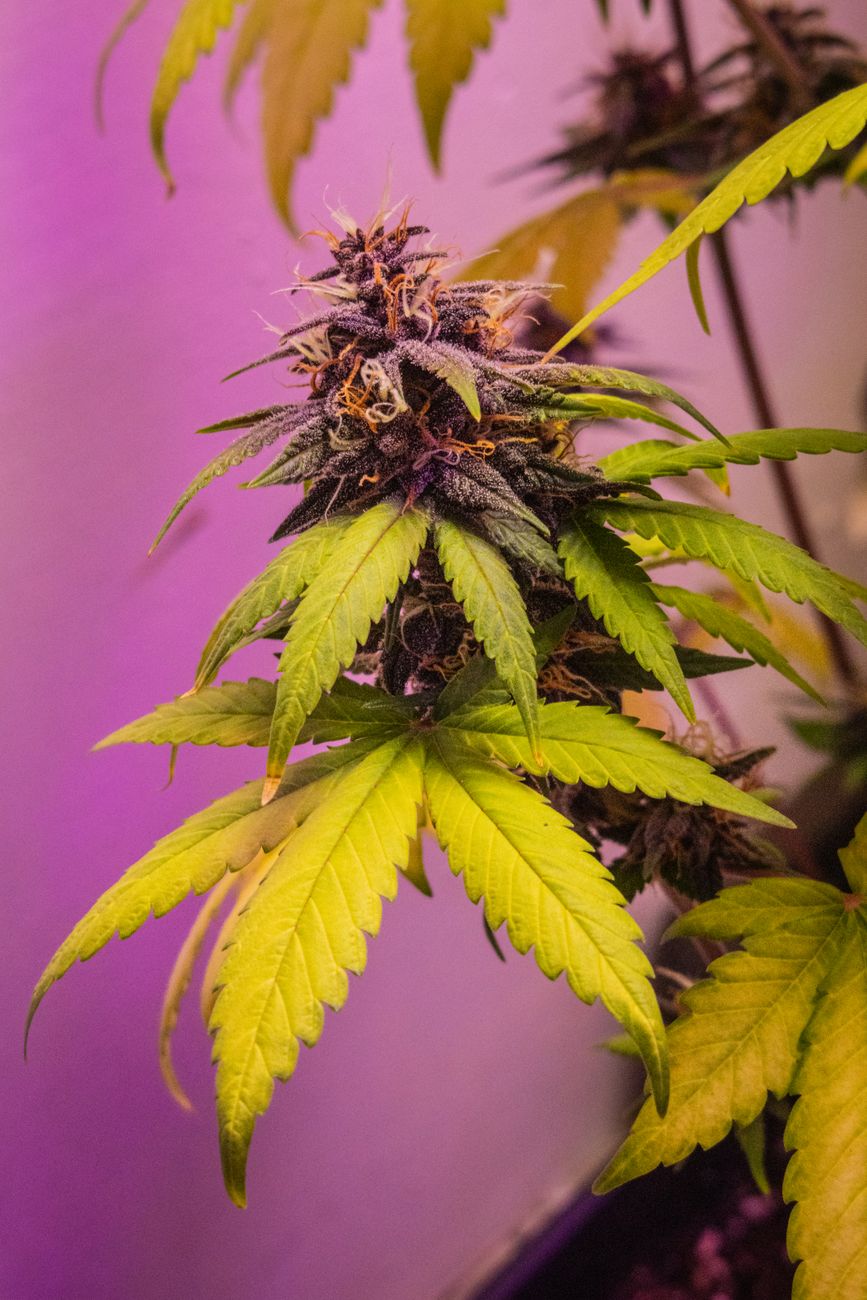
Brisbane's subtropical climate — averaging 80%+ relative humidity during the Dec–Feb wet season — makes botrytis (bud rot), powdery mildew, and fungus gnats the primary threats to any cannabis grow. The winning formula: choose mould-resistant, indica-dominant or fast-finishing autoflower genetics, keep canopy RH below 50% in flower through aggressive defoliation and airflow, and run a weekly IPM rotation of neem oil, spinosad, and predatory insects starting at week 1 of veg. Where cultivation is legally permitted, these techniques can protect yield in even the most punishing SEQ wet season.
- ✓ Brisbane and SEQ growers (outdoor or indoor)
- ✓ Anyone battling bud rot or mildew in high-humidity conditions
- ✓ Growers choosing strains for subtropical QLD climates
- ✓ First-timers wanting to set up a solid IPM rotation
- ✓ Experienced growers seeing repeated mould failures in late summer
- ✗ Growers in cool-temperate climates (TAS, alpine VIC) — different problems
- ✗ Indoor growers in fully climate-controlled sealed rooms with VPD dialled
- ✗ Anyone looking for legal cultivation advice — check your local laws
Why Is Brisbane's Subtropical Climate Such a Threat to Cannabis?
Brisbane sits in the humid subtropical zone (Köppen Cfa), characterised by hot, wet summers and mild, dry winters. The Bureau of Meteorology records average December–February RH of 80–92% across SEQ, with overnight minima rarely dropping below 20°C during the flowering window most growers target (Nov–Feb).
Cannabis in flower is acutely vulnerable above 60% RH — and at 80%+ the risk of botrytis cinerea (grey mould / bud rot) and powdery mildew escalates from "possible" to "almost guaranteed" on dense, untrained canopies. Looking at the grower support questions that spike every January and February, the pattern is identical: week-4-of-flower mould complaints, almost always tied to humid coastal nights and tight, unventilated canopy.
Brisbane's pest environment adds another layer. Warm, wet conditions create ideal habitat for:
- Fungus gnats (larvae destroy root zones in humid media)
- Spider mites (hot, dry inland weather in Oct–Nov before the wet)
- Aphids and whiteflies (year-round in subtropical gardens)
- Caterpillars / budworms (peak pressure Nov–Jan)
- Thrips (constant low-level pressure, worse in dry spells)
Brisbane's subtropical climate is genuinely one of Australia's hardest outdoor cannabis environments — not because of heat, but because the combination of wet-season humidity and warm overnight temps creates a perfect botrytis incubator during precisely the weeks you can't afford to lose. Plan for mould as the primary threat, pests as the secondary one.
What Humidity Thresholds Trigger Mould in Cannabis?
Relative humidity targets change across the plant's lifecycle — and getting them wrong in flower costs you the whole harvest.
- Seedling (week 1–2): 65–70% RH — plants need moisture to establish
- Veg (week 3–8): 55–65% RH — healthy transpiration without mould risk
- Early flower (week 1–3): 50–55% RH — dropping to limit fungal spore germination
- Mid-late flower (week 4–harvest): 40–50% RH — critical window; above 55% triggers botrytis on dense buds
- Final 2 weeks / ripening: 40–45% RH — lowest target; flush or flush-substitute period is highest-risk
Brisbane's outdoor ambient in Dec–Feb runs at 80–92% RH — double the target for flowering plants. This is why outdoor growers in SEQ almost universally either time harvests to avoid the peak wet (aiming for pre-January finish with fast autoflowers) or invest in partial greenhouse cover to deflect rain and reduce canopy humidity.
If canopy RH exceeds 50% for more than 48 consecutive hours during weeks 4–8 of flower, botrytis spore germination probability exceeds 70% on dense indica-dominant colas.
Formula: For every 10% RH above 50%, reduce the tolerance window by half. At 60% RH, risk crosses the threshold in ~24 hours. At 70%+ RH, risk is immediate on untrained canopies.
Brisbane application: A grower starting a 70-day autoflower outdoors on October 1 in Brisbane will enter week-4 flower around November 28 — before the peak wet season — with RH averaging 65–72% rather than 80–92%. That 15–20% RH difference is the margin between a harvestable crop and a mould disaster.
The 50% RH ceiling during flower is non-negotiable in Brisbane. Outdoor growers should treat October start dates as the primary lever — it's the single variable that most reliably keeps flowering inside the safe humidity window. Where cultivation is legally permitted, this timing approach reduces mould-loss risk more than any other single intervention.
What Does the Brisbane Growing Calendar Look Like Month-by-Month?
Southern Hemisphere outdoor grows in SEQ follow a distinct seasonal rhythm. Understanding each phase's risk profile lets you pre-empt problems rather than react to them.
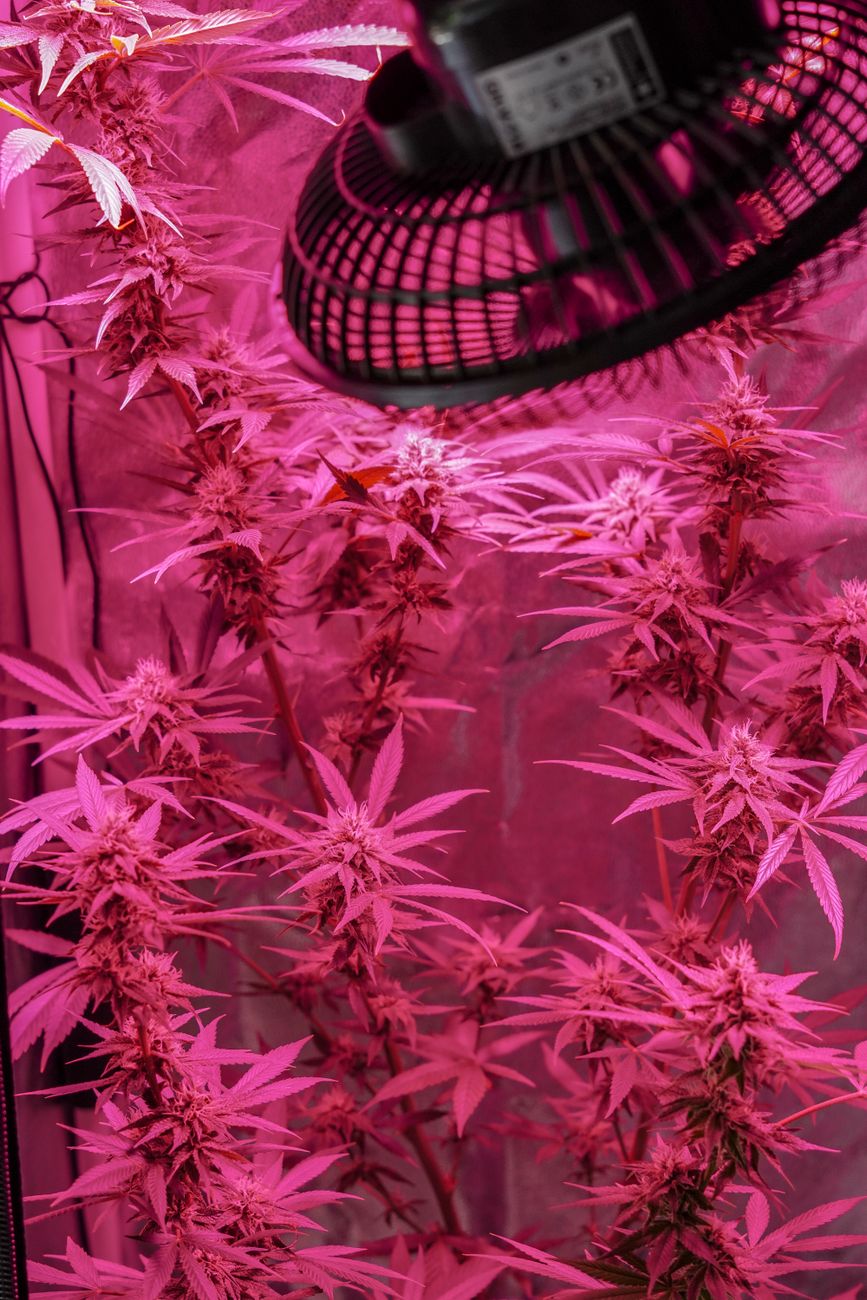
SPRING START
RH 60–68% ✓ Ideal germination window. Spider mite risk rising.
OPTIMAL PLANT
RH 62–70% ✓ Best outdoor start month for autos. Caterpillars emerging.
CAUTION
RH 68–78% ⚠ Humidity rising. Early flower begins for Oct starts. IPM critical.
HIGH RISK
RH 78–88% ✗ Peak wet season begins. Mid-flower mould window. Harvest Oct autos.
VERY HIGH RISK
RH 80–92% ✗ Peak humidity. Outdoor flowering extremely risky. Harvest only.
VERY HIGH RISK
RH 80–90% ✗ Wet season peak. Fungus gnats explode. No new outdoor starts.
CAUTION
RH 72–80% ⚠ Wet season easing. Late autos possible. Pest pressure high.
SAFE / DRY START
RH 62–70% ✓ Dry season approach. Good for photoperiod veg. Mild temps.
IDEAL INDOOR
RH 55–65% ✓ Best winter indoor conditions. Lowest pest pressure of year.
IDEAL INDOOR
RH 50–60% ✓ Lowest annual RH. Indoor growers' easiest window.
IDEAL INDOOR
RH 50–60% ✓ Cool, dry. Spider mite spike risk if heating used.
SPRING PREP
RH 52–62% ✓ Begin germination for Oct outdoor schedule. Aphids reactivating.
October is Brisbane's outdoor sweet spot. September is acceptable. November starts push flowering into the December–February mould window. For growers who want a second run, April–May indoor cycles benefit from Brisbane's natural dry-season humidity drop — the easiest growing conditions of the year.
What Are the Best Cannabis Strains for Brisbane's Subtropical Climate?
Strain selection is the first and most powerful form of pest and mould control available to Brisbane growers. Choosing the wrong genetics — dense, slow-finishing, mould-susceptible strains — makes every other intervention harder.
After reviewing public grower journals and SEQ community data, one pattern emerges consistently: fast-finishing autoflowers with open bud structure and documented mould resistance outperform heavy photoperiod indicas in Brisbane's outdoor environment almost every time. The best options for legally-permitted SEQ grows:
- Northern Lights Auto — Compact, dense-but-airy bud structure, exceptional mould resistance, 63–70 day finish. One of the most cited strains in SEQ outdoor reports.
- Blueberry Auto — Open calyx structure reduces moisture trapping; 65–75 days. Fruity terpene profile intact even under humidity stress.
- Gorilla Glue Auto — High resin production, 70–77 days. Moderate mould resistance; benefits strongly from defoliation in SEQ.
- Wedding Cake Auto — Dense structure requires aggressive training in humid climates; but high mould resistance score from breeder data offsets this.
- Amnesia Haze Auto — Sativa-dominant open structure = natural humidity tolerance. 75–85 days. Better suited to experienced growers managing longer finish windows.
Browse the full range of autoflower seeds suited to Aussie growers or explore feminised cannabis seeds Australia for photoperiod options with strong mould-resistance ratings.
For Brisbane outdoor grows, prioritise finish speed and mould resistance over maximum THC or yield. A 70-day auto that finishes clean beats a 90-day high-yielder that succumbs to botrytis in week 6 every time. Genetics are your first IPM tool.
Royal King Seeds Queensland Climate Score — Ranked
The RKS Queensland Climate Score weights four performance axes specifically for subtropical SEQ conditions. This is not a generic "best strains" list — it's a scored ranking for Brisbane's unique combination of wet-season humidity, warm overnight temps, and fast-cycling seasonal windows.
Methodology: Mould resistance 40% + Cycle speed 30% + Heat tolerance 20% + Beginner-friendliness 10% = Queensland Climate Score (out of 100).
| Strain | THC Range | Indoor Yield | Outdoor Yield | Cycle (days) | Mould Resistance | Heat Tolerance | Beginner Rating | QLD Climate Score |
|---|---|---|---|---|---|---|---|---|
| Northern Lights Auto | 16–19% | 400–500 g/m² | 80–130 g/plant | 63–70 | Very High | High | 9/10 | 91/100 |
| Blueberry Auto | 17–20% | 350–450 g/m² | 70–120 g/plant | 65–75 | High | High | 8/10 | 86/100 |
| Gorilla Glue Auto | 24–26% | 450–550 g/m² | 100–160 g/plant | 70–77 | Medium | High | 7/10 | 78/100 |
| Wedding Cake Auto | 22–25% | 400–500 g/m² | 90–150 g/plant | 70–80 | High | Medium–High | 6/10 | 75/100 |
| Amnesia Haze Auto | 20–22% | 400–500 g/m² | 100–170 g/plant | 75–85 | Medium–High | High | 5/10 | 71/100 |
Why Northern Lights Auto scored #1 (91/100):
- Very High mould resistance rating across multiple breeder datasets — the single highest-weighted criterion
- Fastest average finish (63–70 days) of the five strains, maximising the window before peak wet-season humidity
- Compact indica structure is naturally easier to defoliate and ventilate compared to taller sativa-leaning options
Why Amnesia Haze Auto ranked lower (71/100):
- Excellent for heat tolerance and open bud structure — genuinely good in Brisbane
- Longer cycle (75–85 days) pushes flowering deeper into the December–January mould window when started in October
- Lower beginner rating increases risk of training errors that compound humidity problems
How Do You Run an Effective Weekly IPM Rotation in Brisbane?
Integrated Pest Management (IPM) in a subtropical environment means accepting that pests will arrive — and building a rotation that stays ahead of them rather than reacting after populations explode. Looking at patterns across SEQ grower community data, reactive pest control (spraying only when you see damage) typically results in 30–60% more crop loss than a consistent weekly rotation.
Step 1: Set your IPM schedule by growth stage
Map your interventions to the plant's lifecycle. What works in veg can damage flower — and some treatments become ineffective when populations are already established.
Step 2: Rotate active ingredients every 2–3 applications
Pests develop resistance rapidly in warm climates. Never use the same active ingredient more than twice in a row. Rotate between neem oil, spinosad, pyrethrin, and predatory insects to prevent resistance building.
Step 3: Apply preventatively, not reactively
Apply your first IPM treatment at day 7 of veg — before you see any pest. In Brisbane's subtropical environment, by the time you see spider mite webbing or aphid colonies, the population is already 5–10 days ahead of visible damage.
Step 4: Stop foliar sprays at week 3 of flower
Wet foliage in flower = botrytis risk. Switch to soil drenches (for fungus gnats), sticky traps, and predatory insects after week 3. Never foliar spray during late flower in Brisbane's humidity.
- Veg Week 1–2: Neem oil foliar spray (5 mL/L) + yellow sticky traps installed
- Veg Week 3–4: Spinosad foliar (rotate from neem) + Bacillus thuringiensis (Bt) soil drench for fungus gnats
- Veg Week 5+: Release predatory insects — Phytoseiulus persimilis (spider mite) or Aphidoletes aphidimyza (aphid)
- Early Flower Week 1–3: Continue predatory insect releases + pyrethrin foliar if needed (early evening spray only)
- Flower Week 4+: STOP foliar sprays. Sticky traps only. Soil drenches for gnats. Manual inspection daily.
- Final 2 weeks: Visual inspection only. Remove any affected material immediately.
The single most effective IPM decision a Brisbane grower can make is starting the rotation at week 1 of veg — not week 1 of flower. Pest populations in subtropical climates double every 5–7 days in warm, humid conditions. Getting ahead of them by 4–6 weeks is what separates clean harvests from infested ones.
What Pests Should Brisbane Growers Expect and When?
Subtropical SEQ has a year-round pest calendar. Understanding which pests peak in which months lets you pre-load the right treatments.
| Pest | Peak Months (Brisbane) | Damage Type | Detection Sign | Primary Treatment | Resistance Risk |
|---|---|---|---|---|---|
| Fungus Gnats | Dec–Mar (wet season) | Root zone, seedlings | Small flies near media; yellowing seedlings | Bt soil drench; let media dry | Low |
| Spider Mites | Oct–Nov (dry-heat spike) | Leaf cell destruction, webbing | Stippling on upper leaf; fine webbing underside | Neem/spinosad rotation; predatory mites | High |
| Aphids | Year-round; peak Oct, Mar | Sap sucking; sooty mould secondary | Clusters under leaves; sticky residue | Pyrethrin; Aphidoletes predator release | Medium |
| Caterpillars / Budworms | Nov–Jan | Bud destruction, frass = secondary mould | Dark frass inside buds; irregular bud damage | Bt foliar; manual removal; physical inspection | Low |
| Thrips | Year-round; worse in dry spells | Silver scarring on leaves | Silver streaks; tiny insects visible under magnification | Spinosad; predatory mites (Amblyseius) | Medium–High |
| Whiteflies | Year-round subtropical | Sap sucking; honeydew = mould | White cloud rises when plant disturbed | Yellow sticky traps; neem; Encarsia predator | Medium |
Fungus gnats and budworms are the highest-priority pests for Brisbane growers during the wet season. Fungus gnats devastate seedling root zones in overwatered subtropical media; budworms bore into buds and leave frass that triggers secondary botrytis within 48 hours. Both are preventable with Bt applications and physical inspection.
Royal King Seeds Outdoor Risk Rating — Brisbane Subtropical
This multi-axis risk table is distinct from the QLD Climate Score above. It rates each strain across four risk dimensions specific to SEQ outdoor growing — giving you a more granular picture of where each strain's vulnerabilities lie in Brisbane's environment.
| Strain | Botrytis / Mould Risk | Humidity Stress Risk | Pest Pressure Risk | Beginner Failure Risk |
|---|---|---|---|---|
| Northern Lights Auto | Very Low | Low | Low–Medium | Very Low |
| Blueberry Auto | Low | Low | Medium | Low |
| Gorilla Glue Auto | Medium | Medium | Medium | Medium |
| Wedding Cake Auto | Medium | Medium | Medium | High |
| Amnesia Haze Auto | Medium | Low (open structure) | Medium–High (taller canopy) | High |
How Do Defoliation and Airflow Reduce Humidity Risk in Brisbane?
When outdoor ambient RH is 80%+, the only practical way to protect buds is to reduce the microclimate humidity inside the canopy. Defoliation and airflow are the two primary tools — and they work synergistically.
Looking at public grower reports from SEQ, the single most common pre-harvest mistake is leaving too much foliage during the Dec–Jan wet season. Dense, unchecked canopies create pockets of near-100% RH inside bud sites even when ambient air is "only" 82% — accelerating botrytis from a risk to a certainty.
Defoliation protocol for Brisbane outdoor growers (where legally permitted):
- Week 1–2 of flower: Remove 20–30% of large fan leaves blocking bud sites and lower canopy airflow
- Week 3–4 of flower: Second defoliation pass — remove another 15–20% focusing on interior bud-site leaves
- Week 5+: Minimal intervention; remove any visibly yellowing or damaged leaves immediately
- Post-rain: Always inspect bud sites within 24 hours of heavy rain; remove any moisture-trapped leaves
Airflow strategies:
- Outdoor: Position plants to catch prevailing SE trade winds (Brisbane's dominant wind direction Sept–Feb)
- Low-stress training (LST): Spread branches to open canopy structure — reduces internal RH by 10–18% compared to untraining, based on grower-reported micro-RH measurements
- Partial greenhouse cover: Clear polycarbonate rain cover over flowering plants dramatically reduces wet-season humidity exposure while maintaining airflow at the sides
- Indoor: 0.3–0.5 m/s airflow across canopy surface; oscillating fans prevent stagnant air pockets
Defoliation at weeks 1–2 and 3–4 of flower is the highest-ROI single technique for Brisbane growers. Combined with orienting plants into prevailing trade winds, it reduces botrytis risk significantly without any additional cost. Rain cover is the next investment for serious outdoor growers in SEQ.
What We See Growers Getting Wrong in Brisbane Subtropical Grows
After reviewing hundreds of public SEQ grow journals and the pattern of support questions that come up every summer, five failure modes repeat with striking consistency. These are the common mistakes to eliminate from your setup.
Mistake 1: Starting too late (November instead of October)
A November 1 outdoor start pushes week-4 flower into January — peak wet season, 80–92% RH. Every expert recommendation for SEQ targets October or earlier. Late starters encounter botrytis in the most vulnerable flowering stage with no room to adjust. Fix: Germinate in late August indoors, harden off in September, transplant outdoors by October 1.
Mistake 2: Choosing dense photoperiod indicas without training
Heavy, dense photoperiod strains left to grow naturally produce the tightest bud structure — the worst possible architecture for 80%+ RH environments. Fix: If growing photoperiod, use aggressive LST, SCROG, or mainlining to open the canopy. Better yet, select fast-finishing autoflowers with open structure for Brisbane outdoor.
Mistake 3: Using the same IPM product every application
Brisbane's warm temperatures accelerate pest resistance development. Spider mites treated with the same neem oil spray 4+ times consecutively often develop significant tolerance within a single growing season. Fix: Rotate active ingredients every 2 applications. Neem → Spinosad → Pyrethrin → predatory insects, repeat.
Mistake 4: Foliar spraying in flower during wet season
Spraying water-based solutions onto buds when ambient RH is already 75–90% extends leaf wet time to 6–12 hours, providing perfect botrytis germination conditions. Fix: No foliar sprays after week 3 of flower in Brisbane. Switch to soil drenches and predatory insects exclusively.
Mistake 5: Ignoring fungus gnats until root damage is visible
Fungus gnat larvae silently destroy root zones for 2–3 weeks before plant stress is visible above-ground. By then, yield and vigour are already compromised. Fix: Install yellow sticky traps at week 1. At first adult gnat detection, apply Bacillus thuringiensis israelensis (Bti) soil drench immediately. Allow media surface to dry between waterings — the larvae need moisture to thrive.
Mistake 6: Not inspecting after rain events
A single heavy tropical downpour deposits moisture into bud sites that can take 18–36 hours to evaporate in humid conditions. Growers who don't inspect within 24 hours of rain routinely miss the early signs of botrytis until it's already spreading. Fix: Post-rain inspection is mandatory in SEQ. Gently check bud sites for water retention and grey fuzz. Remove affected material immediately and increase airflow.
Mistake 7: Overwatering in humid media
In Brisbane's humid summers, soil and coco media dry far more slowly than in drier climates. Applying the same watering schedule used in drier months creates chronically wet root zones — paradise for fungus gnats and root rot. Fix: Water only when the top 2–3 cm of media is dry. Lift pots to check weight. In peak wet season, outdoor plants may need almost no supplemental watering.
The most preventable Brisbane crop failure is a November start date combined with no IPM rotation and an untrained dense canopy. Fix those three variables — early start, weekly IPM, open trained canopy — and the subtropical environment becomes manageable rather than threatening.
Which Strain and Setup Should You Choose for Brisbane?
| Your Priority / Constraint | Recommended Choice |
| Maximum mould resistance, beginner | Northern Lights Auto — Highest QLD Climate Score; very beginner-friendly |
| Fastest finish (harvest before Dec wet season) | Northern Lights Auto 63–70 days — Start Oct 1, harvest late Nov |
| High THC + manageable humidity risk | Gorilla Glue Auto — 24–26% THC; train aggressively to open canopy |
| Open bud structure, heat-loving sativa | Amnesia Haze Auto — Natural humidity tolerance; experienced growers only |
| Indoor year-round, dry season (May–Aug) | Any strain from feminised cannabis seeds Australia range — Brisbane's dry season RH is manageable indoors |
| Tropical North QLD / FNQ (higher humidity) | Blueberry Auto or Northern Lights Auto — Most humidity-tolerant fast finishers |
| Smallest outdoor footprint (balcony grow) | Northern Lights Auto — Compact indica structure, 60–90 cm height |
| CBD-focused / lower THC | Browse CBD strains — many feature open sativa structure naturally suited to subtropical conditions |
What Happens If You Choose the Wrong Strain or Start Date?
- Strain: Northern Lights Auto
- Start date: October 1, Brisbane
- Week 4 flower date: November 29
- Avg RH at week 4: 68–72%
- Harvest date: ~November 29–December 8
- Peak wet-season exposure: None — harvested before Dec 10
- Risk level: Low
- Outcome: Clean, mould-free harvest with manageable RH throughout flowering. Yields 80–130 g/plant outdoors.
- Strain: Dense photoperiod indica (90-day flower)
- Start date: November 15, Brisbane
- Week 4 flower date: Late January
- Avg RH at week 4: 85–92%
- Harvest date: ~Mid-March
- Peak wet-season exposure: Full 8–10 weeks of flowering in 80–92% RH
- Risk level: Very High
- Outcome: Botrytis detected at week 5–6 flower. 40–70% of bud mass lost to mould. Remaining harvest requires aggressive trimming and early pull.
Bottom line: A 45-day difference in start date — and one strain choice — determines whether you harvest 80–130 g of clean flower or lose the majority of your crop to subtropical mould. The calendar is your most powerful tool.
Ready to pick the right genetics for Brisbane's climate?
Browse mould-resistant, fast-finishing autoflower seeds ranked for subtropical QLD conditions — where cultivation is legally permitted.
Shop Autoflower Seeds for Aussie Growers →Frequently Asked Questions — Brisbane Subtropical Cannabis Growing
What is the biggest threat to outdoor cannabis grows in Brisbane?
What month should I start growing cannabis outdoors in Brisbane?
Can I grow autoflowers outdoors in Brisbane during the wet season?
Why did my buds get mouldy in late January even though the weather seemed fine?
How do I control fungus gnats in Brisbane's humid conditions?
Should I use neem oil during flowering in Brisbane?
Can autoflowers handle Brisbane's 35°C+ summer heat?
How many outdoor harvests per year are realistic in Brisbane?
What is the best autoflower strain for Brisbane's high humidity?
My autoflower stalled at week 6 — what went wrong?
Is indoor or outdoor growing better for Brisbane beginners?
What's the minimum tent size for growing autoflowers indoors in Brisbane?
Do I need a dehumidifier for indoor growing in Brisbane?
Why are my buds airy and light in Brisbane outdoor grows?
Can I start growing in Brisbane in November outdoors?
What happens if a heat wave hits during flowering in Brisbane?
How do I tell the difference between powdery mildew and botrytis?
Is spider mite or fungus gnat the bigger threat in Brisbane?
Should I grow in soil or coco coir in Brisbane's subtropical climate?
How long should I cure my Brisbane outdoor harvest?
What do the TGA and Queensland Health say about cannabis cultivation?
Shop Mould-Resistant, Fast-Finishing Cannabis Seeds
Every strain in our range is selected for Australian conditions. Browse autoflower seeds for Aussie growers, feminised cannabis seeds Australia, and our full shop all cannabis seeds collection — where cultivation is legally permitted.
Browse All Seeds at Royal King Seeds →Sources
- Bureau of Meteorology — Brisbane Climate Averages (RH, Temperature, Rainfall)
- ABARES — Australian Bureau of Agricultural and Resource Economics and Sciences
- CSIRO — Australian Climate and Weather Research
- TGA — Medicinal Cannabis Regulatory Framework, Australia
- PubMed — Cannabis, Botrytis, and Humidity Research
- Australian Drug Foundation — Cannabis Facts
Related Articles
Ready to Start Growing?
Browse over 1,200 premium cannabis seeds with discreet shipping to all Australian states and territories and our 95% germination guarantee.
Shop Cannabis Seeds