How Many Grams In An Ounce Of Weed: Cannabis Math, Sizes, Weights & What to Expect
Royal King Seeds
Cultivation team
Most Aussie growers and consumers get caught out by the same invisible problem — they're buying in imperial measurements but growing, weighing, and dosing in metric. One misread number on a scale can mean paying AU$50 more than you should, or trimming a harvest and thinking you've underperformed when you haven't. The standard measurement that bridges both worlds is the ounce, and it equals exactly 28.35 grams.
That one conversion fixes nearly every cannabis maths question you'll ever have. This guide gives you every weight, size, price benchmark, and visual reference — so you never second-guess your scale or your purchase again.
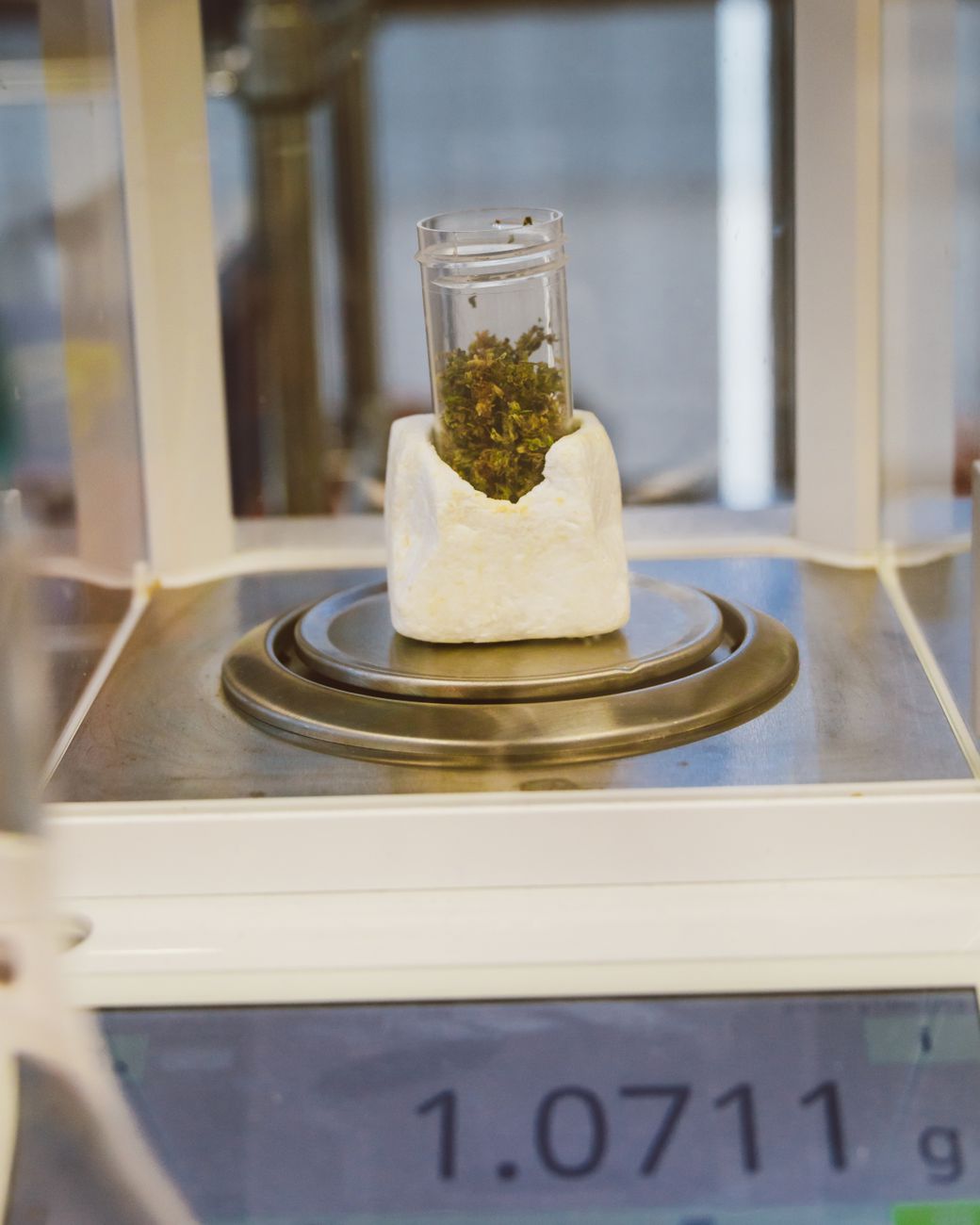
One ounce of cannabis contains 28.35 grams — commonly rounded to 28 grams in the cannabis trade. From there the standard fractions break down as: an eighth (⅛ oz) = 3.5 g, a quarter (¼ oz) = 7 g, a half (½ oz) = 14 g, and a full ounce = 28 g. These are the universal reference points used by growers and dispensaries worldwide, including in Australian medicinal cannabis contexts.
- ✓ Aussie growers weighing their own harvest
- ✓ Consumers trying to understand standard purchase sizes
- ✓ Patients accessing medicinal cannabis and comparing dispensary weights
- ✓ Beginners who learned imperial terms but need metric clarity
- ✓ Anyone who wants to spot an underweight purchase
- ✗ Anyone seeking advice on illegal purchasing or supply
- ✗ Growers looking for strain grow guides (see our seed categories)
- ✗ Medical dosing guidance (consult your prescribing doctor)
What Is the Exact Gram-to-Ounce Conversion for Cannabis?
One imperial ounce equals 28.3495 grams — universally rounded to 28.35 g in scientific contexts and 28 g in the cannabis trade.
The rounding to 28 g is a long-standing industry convention. In medicinal cannabis dispensaries in Australia, products are typically labelled in metric grams, so you'll see 1 g, 3.5 g, 7 g, 14 g, and 28 g packaging — all mapping directly to the ounce fractions.
The full metric-to-imperial chain worth knowing:
- 1 gram = 0.0353 oz
- 3.5 g = ⅛ oz (one eighth)
- 7 g = ¼ oz (one quarter)
- 14 g = ½ oz (one half)
- 28 g = 1 oz (one ounce / "zip")
- 453.6 g = 1 lb (one pound = 16 oz)
Use 28.35 g when precision matters — for harvest logs, medicinal records, or lab submissions. Use the 28 g trade rounding for day-to-day calculations. The 0.35 g difference is clinically negligible but becomes meaningful if you're tracking hundreds of grams across a season crop.
What Are All the Standard Cannabis Sizes and Weights?
Every common cannabis purchase or harvest unit maps back to the ounce. Here's the complete reference table including trade names used across Australia and internationally.
| Trade Name | Fraction | Exact Grams | Rounded Grams | Approx. Joint Count (0.5 g each) | Typical Medicinal Session Count |
|---|---|---|---|---|---|
| Gram / "G" | — | 1.00 g | 1 g | ~2 | 2–4 sessions |
| Eighth / "Henry" | ⅛ oz | 3.5437 g | 3.5 g | ~7 | 7–14 sessions |
| Quarter / "Q" | ¼ oz | 7.0874 g | 7 g | ~14 | 14–28 sessions |
| Half Ounce / "Half" | ½ oz | 14.1748 g | 14 g | ~28 | 28–56 sessions |
| Ounce / "Zip" | 1 oz | 28.3495 g | 28 g | ~56 | 56–112 sessions |
| Quarter Pound / "QP" | ¼ lb | 113.4 g | 113 g | ~226 | Commercial scale |
| Pound / "Elbow" | 1 lb | 453.592 g | 453.6 g | ~907 | Commercial / research scale |
The eighth (3.5 g) is the most important weight to memorise — it's the most common purchase unit and the one most often subject to short-weighing. If you walk away with only one number, make it 3.5.
What Does Each Cannabis Weight Actually Look Like?
Weight doesn't translate cleanly into visual size — a dense indica bud at 3.5 g can look half the size of an airy sativa at the same weight. That's the single most common source of consumer confusion.
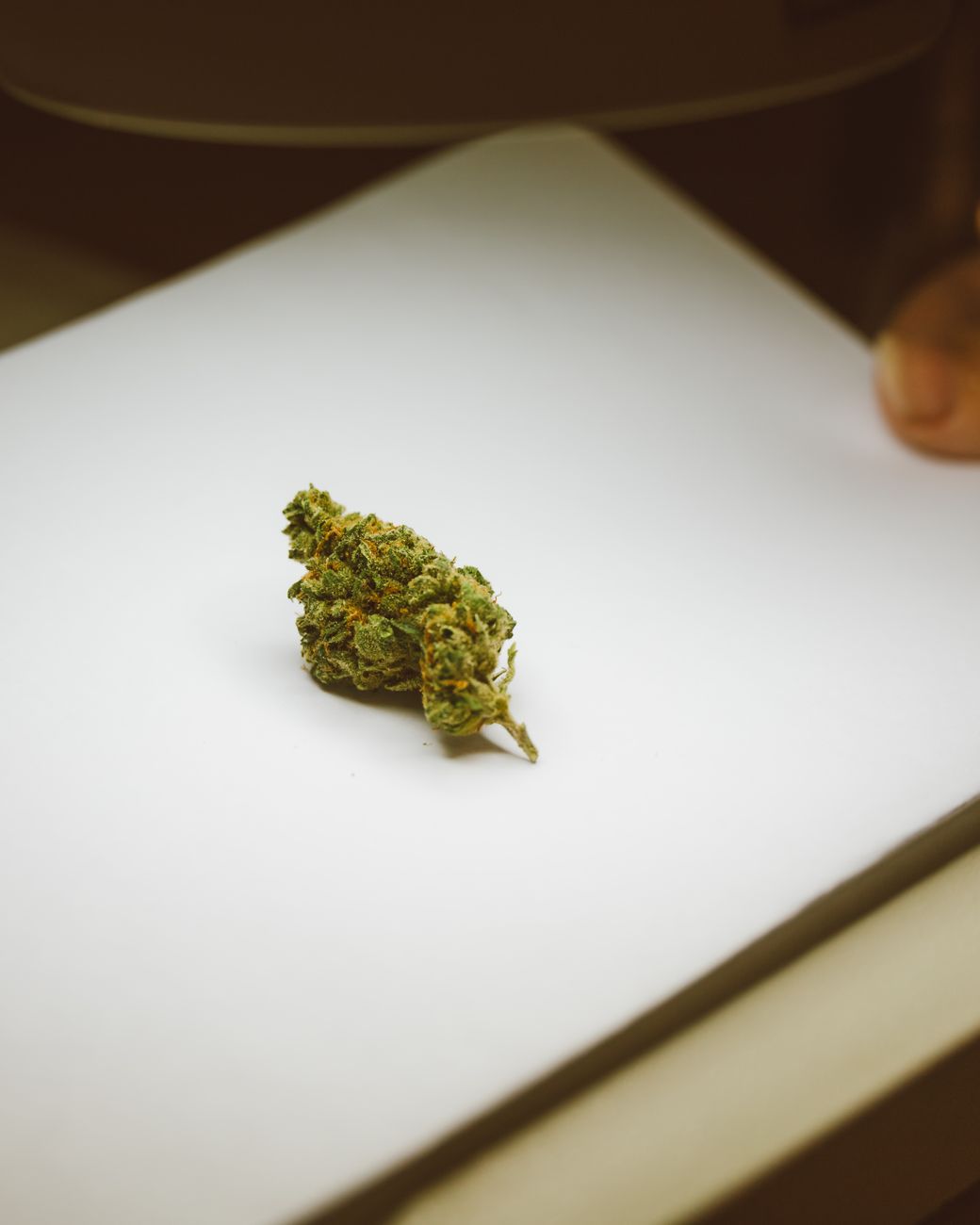
Here's a practical visual reference based on averages across trimmed, dry flower:
- 1 gram: Roughly the size of a large grape or a 20-cent coin lying flat. Fills about 1–2 standard cones.
- 3.5 g (eighth): A small cluster of buds that fits loosely in the palm of your hand. Comparable in volume to a medium apricot — but much lighter.
- 7 g (quarter): Fills a standard ziplock sandwich bag about one-quarter full. Dense strains may look far smaller — do not judge by eye alone.
- 14 g (half ounce): About the same volume as a clenched fist for average-density flower. High-density indica strains may pack into something the size of a tennis ball.
- 28 g (ounce): Fills a small glass mason jar (250 mL) to roughly two-thirds capacity for average flower. Noticeably heavier in hand than most people expect from the visual size.
Never judge cannabis weight by volume alone — dense indica-dominant genetics can weigh 40–60% more than airy sativa genetics at the same visual size.
Formula: If a sample looks "light on" compared to your mental model, check: is it indica-type (dense, compact) or sativa-type (fluffy, elongated)? Dense bud at 3.5 g will always look smaller than airy bud at 3.5 g.
Worked example: A tight, resin-heavy indica nug at 3.5 g might be the size of a ping-pong ball. A long, wispy sativa bud at the same 3.5 g might look like two or three times the volume. Always use a calibrated scale — not your eyes — to confirm weight.
A pocket digital scale accurate to 0.01 g is the single most important investment for any grower or medicinal cannabis patient in Australia. Visual estimation across different cultivar types is unreliable to within 20–30% — well outside any reasonable margin.
What Are the Australian Price Benchmarks for Cannabis by Weight?
Australian medicinal cannabis pricing is set by licensed producers under TGA medicinal cannabis regulations. Prices for legally prescribed flower typically range from AU$10–$20 per gram depending on product tier and prescriber.
Understanding the per-gram cost at each weight point helps patients assess value and plan their monthly supply budget accurately.
| Weight | Grams | Medicinal AU$ Low | Medicinal AU$ High | Per-Gram Cost |
|---|---|---|---|---|
| 1 g | 1 g | AU$10 | AU$20 | AU$10–$20 |
| Eighth (3.5 g) | 3.5 g | AU$35 | AU$70 | AU$10–$20 |
| Quarter (7 g) | 7 g | AU$70 | AU$140 | AU$10–$20 |
| Half oz (14 g) | 14 g | AU$140 | AU$280 | AU$10–$20 |
| Ounce (28 g) | 28 g | AU$280 | AU$560 | AU$10–$20 |
Note: These figures reflect licensed medicinal cannabis pharmacy pricing in Australia. Recreational cannabis remains illegal in most Australian states and territories — see our state context section below. Always consult your prescribing doctor or the Australian Department of Health and Aged Care for current medicinal cannabis access pathways.
For medicinal patients, the per-gram cost is far more meaningful than the sticker price at any given weight tier. Always divide total cost by total grams to compare products accurately — packaging size is not a reliable signal of value.
What Harvest Weights Can Aussie Growers Expect Per Plant?
For growers in jurisdictions where cultivation is permitted, understanding expected yield in grams per plant is essential for planning. Harvest weight is a product of genetics, environment, container size, and light intensity — not just grow time.
Reviewing public grower journals and breeder-published specifications across Australian outdoor and indoor grows, these patterns show up consistently:
- Autoflowers (outdoor, Australia): 30–120 g per plant dry weight is the realistic range for most Australian outdoor autoflower grows started Oct–Nov. Well-managed plants in QLD subtropical conditions with a full summer season can hit 150–200 g. Poor technique or a late start (after December) typically yields 20–50 g.
- Photoperiod feminised (outdoor, Australia): Correctly timed outdoor photoperiod plants in NSW or VIC can produce 200–600 g per plant in ideal conditions. Plants that receive less than 16 hours of natural daylight during veg or suffer from early autumn triggers can underperform significantly — sometimes as low as 80–120 g.
- Indoor (autoflower, 600W HID or equivalent LED): Looking at grower-reported data across public forums, 40–80 g per plant under 18/6 in a 30 L container is the median range. Optimised grows with trained canopies, SCROG nets, and CO₂ supplementation push this to 100–140 g per plant.
- Indoor (photoperiod, same setup): 80–180 g per plant is the common reported range, with top-performing feminised cannabis seeds from proven genetics and experienced growers achieving 200–250 g.
To convert your harvest into ounces for reference: divide your gram total by 28. A 112 g harvest = exactly 4 oz. A 280 g harvest = 10 oz.
Expect first-time outdoor growers in Australia to land somewhere between 30 and 100 g per autoflower plant. Don't benchmark against breeder "maximum yield" figures — those represent optimal lab-style conditions, not typical Aussie backyard reality. Plan for the median, be happy with anything above it.
The Royal King Seeds Cannabis Maths Framework
Every cannabis weight question — purchase, harvest, or dose — resolves to one of two simple formulas: grams to ounces, or ounces to grams.
Formula A (g → oz): Grams ÷ 28.35 = Ounces.
Formula B (oz → g): Ounces × 28.35 = Grams.
Worked example: You harvested 196 g of dry flower. How many ounces is that? 196 ÷ 28.35 = 6.91 oz — call it 6.9 oz or "just under 7 oz." You're weighing a 14 g package from a dispensary — is it a half ounce? 14 ÷ 28.35 = 0.494 oz — yes, that's a half ounce (0.5 oz), within the standard 28 g trade rounding. Both calculations take five seconds.
Step 1: Note your gram figure
Read your scale to the nearest 0.1 g. If you're working from a labelled product, record the stated grams — not the ounce equivalent, which may be rounded.
Step 2: Choose your formula direction
Converting grams to ounces (your harvest into familiar trade units): use Formula A. Converting ounces to grams (checking a purchase weight): use Formula B.
Step 3: Apply 28 or 28.35 depending on context
Use 28.35 for scientific or medical records. Use 28 for quick mental arithmetic and trade comparisons. The difference is 0.35 g per ounce — less than one-third of a gram, negligible for most uses.
Step 4: Cross-check against standard fractions
Run your result against the standard fraction table (3.5 / 7 / 14 / 28). If a "quarter" weighs 6.4 g on your scale, it's 0.6 g short — a meaningful gap across multiple purchases.
How to Weigh Cannabis Accurately in Australia
A consumer-grade jeweller's scale accurate to 0.01 g is the standard tool. These are widely available from Australian kitchen and laboratory suppliers for AU$15–$60.
Key accuracy tips:
- Calibrate before every session using the included calibration weight (usually 100 g). Scales drift with temperature changes — a scale left in a hot car can read 0.2–0.5 g high.
- Use a tare container — place a small bowl or paper on the scale, tare to zero, then add your flower. Never weigh directly on the metal platform.
- Weigh in a draught-free space. Air movement from a fan or an open window introduces reading errors of 0.1–0.3 g per measurement at low weights.
- Check battery level. Low batteries are the most common cause of inaccurate readings on pocket scales. Replace or recharge before any critical measurement.
- Weigh at consistent humidity. Flower absorbs and releases moisture. A bud at 55% relative humidity (RH) weighs measurably more than the same bud at 30% RH. For consistent results, always weigh after curing to a stable 58–62% RH.
A AU$25 digital scale that's calibrated correctly is more reliable than a AU$150 scale used without calibration. The scale itself is almost never the problem — technique is. Calibrate, tare, and weigh in still air, every time.
Cannabis Weight Myths vs Reality
| Myth | Reality |
|---|---|
| "An ounce is 30 grams." | An ounce is 28.35 g. The "30 g" figure is a common street rounding error — it gives away nearly 2 g per ounce. |
| "More weight means better quality." | Weight reflects mass only. Poorly cured or over-humidified flower weighs more but delivers worse results. High THC seeds Australia genetics produce the cannabinoid profile — not water content. |
| "I can eyeball a gram accurately." | Across public grower journal reviews, eyeballed gram estimates are typically off by 20–50%. Dense genetics are systematically underestimated; airy genetics are systematically overestimated. Use a scale. |
| "Stems and seeds count toward weight." | In legal medicinal cannabis in Australia, labelled weight reflects flower only. Unprocessed plant material including stems and seeds inflates raw harvest weight — trim logs should always record trimmed dry weight only. |
| "Curing doesn't change weight." | Freshly harvested flower is 75–80% water by weight. After drying and curing to 58–62% RH, the same material weighs 20–25% of its wet weight. A 400 g wet harvest delivers roughly 80–100 g dry — understanding this prevents harvest disappointment. |
The wet-to-dry weight drop is the single most misunderstood concept among first-time Aussie growers. Budget for a 75–80% weight loss from harvest to jar. If your cured yield surprises you on the low side, this is almost always why — not poor genetics or technique.
What Are the Cannabis Possession Rules by Australian State?
Cannabis regulation in Australia is state and territory law. Weights feature centrally in these rules — knowing the gram thresholds matters. The following is a general educational overview only; growers should always check current local laws with an Australian legal professional or their state government.
According to the Australian Drug Foundation, cannabis laws vary significantly across states:
NSW
Cannabis is a prohibited drug under the Drug Misuse and Trafficking Act 1985. Small amounts (under 30 g) may attract a caution rather than prosecution under the Cannabis Cautioning Scheme in NSW — but cultivation remains an offence.
ACT
As of January 2020, the ACT decriminalised personal possession of up to 50 g of cannabis for adults (18+) and allows cultivation of up to 2 plants per person. This is the only Australian jurisdiction with this framework — and federal law still applies in commonwealth spaces.
VIC
Victoria has a cautioning and diversion scheme for small amounts. Possession of any amount remains illegal under the Drugs, Poisons and Controlled Substances Act. Growers should be aware that even personal cultivation is an offence in VIC.
QLD
Queensland's Police Powers and Responsibilities Act allows police to divert minor cannabis offenders to treatment programs, but possession and cultivation are still offences under state law.
WA
Western Australia has a Cannabis Infringement Notice (CIN) scheme for small personal amounts (under 10 g). Cultivation of any amount remains a criminal offence.
SA
South Australia operates a Cannabis Expiation Notice (CEN) scheme — the longest-running in Australia — allowing on-the-spot fines for possession of up to 100 g. Cultivation of up to 1 non-hydroponic plant attracts a CEN rather than criminal prosecution.
TAS
Tasmania has no diversion scheme. Possession and cultivation are criminal offences under the Poisons Act 1971.
NT
The Northern Territory operates a cautioning scheme for personal amounts under 50 g, but cultivation is not decriminalised and remains an offence.
This section is educational only. Laws change. Always verify current rules with your state government or a qualified Australian solicitor before acting.
The ACT is currently the only Australian jurisdiction where limited personal cultivation is explicitly decriminalised. In all other states, cultivation — regardless of scale — remains a legal offence. Growers outside the ACT should frame all growing activity as for educational or horticultural purposes, and should consult a lawyer before proceeding.
Real Grower Scenarios: Weight Expectations by Strain Type and Location
Looking at grower-reported harvest data across public Australian forums and comparing it with breeder-published timelines and yield ranges, a consistent picture emerges across five key Aussie growing scenarios.
- Strain type: Autoflower seeds
- Start: October 15
- Harvest: January 5–20
- Expected dry yield: 80–150 g/plant
- Season window: Excellent — full subtropical summer with high light hours and warmth
- Strain type: Fast autoflower (≤70 days)
- Start: November 1
- Harvest: January 15–February 10
- Expected dry yield: 40–90 g/plant
- Season window: Tight — avoid December starts which push finish into cool March nights
- Strain type: Fast autoflower (≤65 days)
- Start: November 15
- Harvest: February 1–20
- Expected dry yield: 25–60 g/plant
- Season window: Very narrow — cool nights from late February limit late-season options
- Strain type: Sativa seeds or photoperiod feminised
- Start: October 1
- Harvest: March 15–April 10
- Expected dry yield: 150–400 g/plant (photoperiod)
- Season window: One of the best in Australia — long dry summers with low mould pressure
- Strain type: Mould-resistant indica seeds or fast auto
- Start: April–May (dry season)
- Harvest: June–July
- Expected dry yield: 30–80 g/plant
- Season window: Avoid the wet season (Oct–Apr). Dry season grows reduce mould risk considerably.
Perth and Brisbane have the best outdoor yield potential for most strain types. Hobart and cool-temperate VIC demand fast autoflower genetics to avoid late-season risk. Darwin is viable only in the dry season — wet season grows are high-risk regardless of genetics. Use Bureau of Meteorology climate data to verify your specific suburb's frost and rainfall patterns before finalising start dates.
What Happens If You Get the Harvest Timing Wrong?
- Strain: 70-day autoflower
- Start date: November 1
- Harvest date: January 15
- Dry yield: 65–80 g/plant
- Buffer before cool nights: 6–8 weeks
- Risk level: Low
Full canopy development in warm December–January sun. Harvest before any autumn temperature drop. Cured weight is predictable and density is high.
- Strain: 90-day photoperiod
- Start date: December 15
- Harvest date: April 10–20
- Dry yield: 30–50 g/plant (mould-impacted)
- Buffer before cool nights: Near zero
- Risk level: High
Late December start means the plant hits flowering in early March as nights cool. Mould risk spikes in April coastal Melbourne. Harvest weight is 40–60% below potential. Bud quality drops due to forced early harvest.
Bottom line: The start date — and matching strain cycle to your region's actual climate window — has a bigger impact on grams in the jar than any other single growing decision.
Southern Hemisphere Growing Calendar: When Do the Weights Get Made?
Understanding which months produce the grams helps you plan seed selection. Here's how the southern Australian outdoor season maps to growth and yield phases — growers in QLD and NT have different windows (see the Darwin scenario above).
Caution
Too cold outdoors (VIC/TAS/SA)
Caution
Last frost risk — prep indoors
Ideal
Start seedlings indoors/greenhouse
Ideal
Transplant out. Veg phase begins.
Ideal
Strong veg growth. Autos flower.
Ideal
Peak summer sun. Flowering.
Ideal
Autos harvest window. Photos flower.
Ideal
Photos approach harvest. Last auto runs.
Caution
Mould risk rises. Photo harvest now.
High Risk
Nights cool fast. Late autos exposed.
High Risk
Frost possible in VIC/TAS/SA highlands.
Caution
Winter. Indoor only or QLD/NT dry season.
Common Cannabis Weighing and Harvest Mistakes to Avoid
Mistake 1: Weighing wet flower and assuming it's your final yield
Freshly cut cannabis is 75–80% water. A freshly harvested 400 g cola will yield roughly 80–100 g after drying. Growers who weigh at harvest and compare to breeder yields are comparing completely different things. Always record dry, cured weight — and note that "dry" means 58–62% internal RH, not bone-dry crispy flower which loses terpenes and potency.
Mistake 2: Rounding an ounce to 30 grams
This myth circulates widely and costs people real money. An ounce is 28.35 g — never 30. If you're paying by the ounce and receiving 28 g, that's exactly correct. If someone tells you 30 g = an ounce, they're wrong by 1.65 g per ounce — nearly half a gram short on an eighth.
Mistake 3: Not taring the scale between measurements
Residue, moisture, and paper fibres accumulate on scale platforms between uses. Always tare to zero with your container before weighing. Scales that aren't tared can drift 0.2–0.5 g per measurement, which adds up across a full trim session.
Mistake 4: Judging density-adjusted yield as underperformance
From reviewing grower support questions, one of the most common complaints is "my harvest is lighter than expected." In most cases, the grower is comparing their dense indica yield to a sativa breeder specification. Dense indica seeds produce more cannabinoids per gram but often fewer total grams than elongated sativa genetics. Compare grams within genetic categories — not across them.
Mistake 5: Including trim weight in yield records
Sugar leaves, fan leaves, and stems add meaningless weight to a harvest log. They also consume jar space and can trap moisture, increasing mould risk in storage. Record trimmed bud weight only. Trim separately and track it if you're making concentrates or edibles.
Mistake 6: Buying seeds without knowing expected yield ranges
Strain selection is a yield decision as much as a flavour or effect decision. Reviewing all cannabis seeds and selecting genetics with published, realistic yield ranges for your climate helps avoid disappointment at harvest. Always cross-reference breeder yield claims with community grower reports from similar climates — Australian outdoor conditions are different from Dutch greenhouse benchmarks.
Mistake 7: Comparing grams per plant without accounting for container size
Looking at public grower journals, grams per plant figures that aren't accompanied by container size are nearly meaningless. A 30 L fabric pot outdoors in Brisbane can produce 3–4× the yield of the same strain in a 5 L pot in the same location. When benchmarking, always note container size alongside yield.
The most costly mistakes aren't about technique — they're about measurement. Weigh dry, calibrate your scale, and use 28.35 g as your ounce conversion. Everything else is downstream of those three habits.
Looking to grow strains with well-documented yield data? Browse our feminised cannabis seeds and autoflower seeds Aussie growers trust for consistent, predictable results in local conditions.
Browse Royal King Seeds' full range — every strain listing includes realistic yield ranges for Australian climates.
Shop All Cannabis Seeds →Frequently Asked Questions: Cannabis Grams, Ounces, and Weights
How many grams are in an ounce of weed?
How many grams are in an eighth of weed?
How many grams are in a quarter ounce?
How many grams are in a half ounce of cannabis?
How many joints can you roll from an ounce of weed?
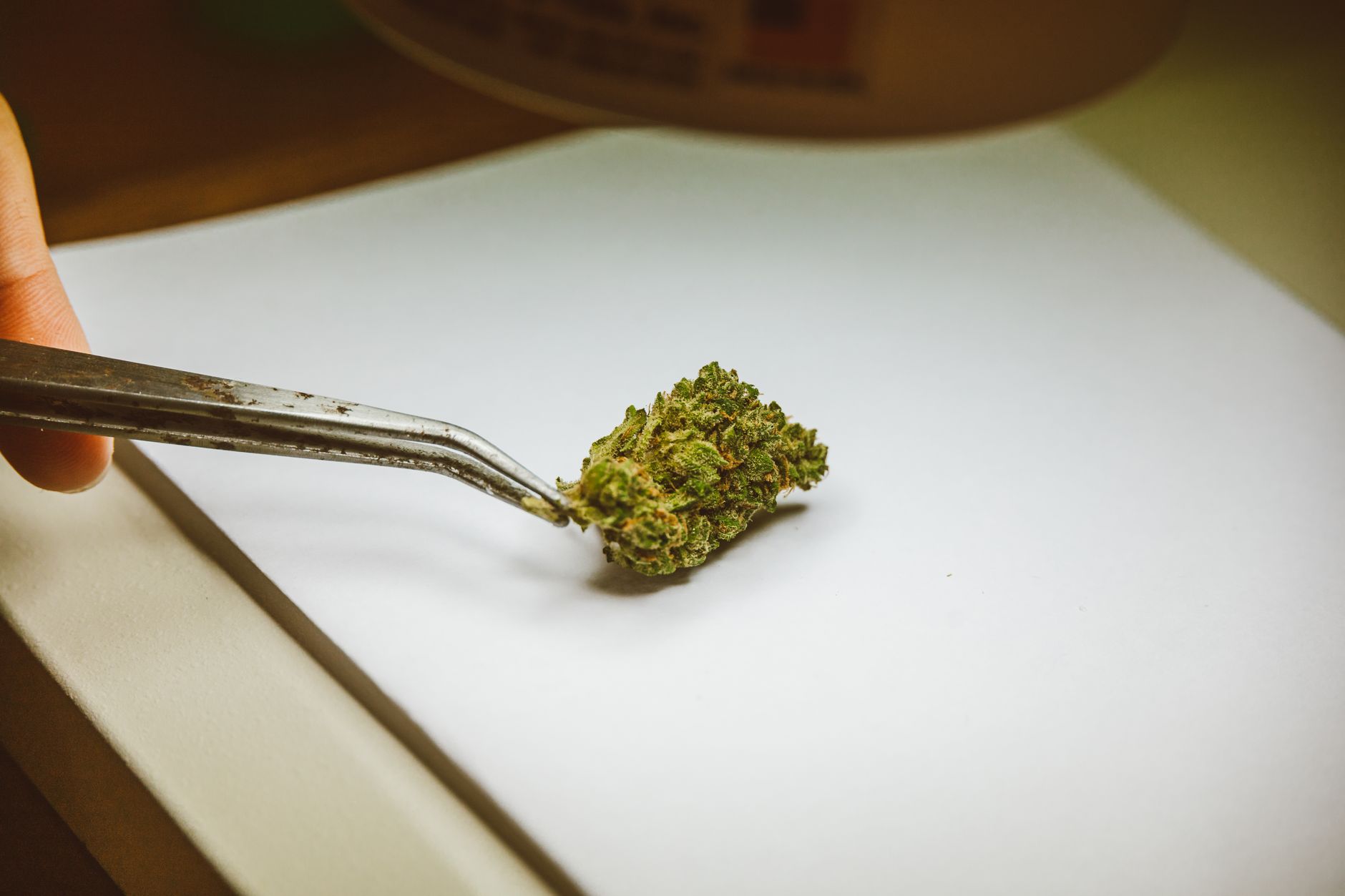
What does 3.5 grams of weed look like?
Is an ounce of weed 28 grams or 30 grams?
How much does an outdoor cannabis harvest weigh in grams in Australia?
Why is my harvest so much lighter than the breeder said it would be?
How do I convert grams to ounces for my grow log?
Can I start autoflowers in December in Melbourne and still get a good yield?
Why is my scale reading differently each time I weigh the same bud?
How many ounces does a typical autoflower plant yield in QLD?
What scale accuracy do I need for weighing cannabis?
How much does one gram of cannabis look like in a vaporiser chamber?
Why did my autoflower yield way less than the 500 g/m² the breeder claimed?
Is 28 g or 28.35 g the correct ounce figure to use?
How do I know if an eighth of weed is underweight?
What is a "zip" of weed in grams?
How many grams does a pound of cannabis contain?
Should I buy feminised or autoflower seeds for the best yield per gram in Australia?
My plant looks huge but I only got 40 g dry — what went wrong?
Can I use a kitchen scale to weigh cannabis?
How does moisture content affect cannabis weight after curing?
What's the heaviest yield I can realistically expect from a single outdoor plant in Australia?
From fast autoflowers for Hobart's short season to high-THC photoperiods for Perth's long dry summer — every strain in our catalogue includes yield ranges and grow notes for Aussie conditions.
Explore All Seeds at Royal King Seeds →Sources
- Bureau of Meteorology — Australian Climate Data
- ABARES — Australian Bureau of Agricultural and Resource Economics and Sciences
- Therapeutic Goods Administration (TGA) — Medicinal Cannabis Overview
- Australian Department of Health and Aged Care — Medicinal Cannabis
- Australian Drug Foundation — Cannabis Drug Facts
- PubMed — Cannabis Yield and Weight Research
- CSIRO — Commonwealth Scientific and Industrial Research Organisation
Related Articles
Ready to Start Growing?
Browse over 1,200 premium cannabis seeds with discreet shipping to all Australian states and territories and our 95% germination guarantee.
Shop Cannabis Seeds