Granddaddy Purple Seeds: Genetic Background, Where to Buy, and What to Expect
Royal King Seeds
Cultivation team
Your biggest enemy with Granddaddy Purple isn't growing it — it's buying the wrong version of it. Counterfeit and mislabelled "GDP" seeds flood the global market, and most buyers in Australia have no idea until they harvest pale green buds with none of the grape aroma they paid for.
The real Granddaddy Purple genetic — Ken Estes' 2003 Big Bud × Purple Urkle cross from the San Francisco Bay Area — delivers 20–23% THC, true anthocyanin-driven purple colouration, and a terpene profile heavy in myrcene, caryophyllene, and linalool. This guide covers the full genetic background, what authentic GDP plants actually look and smell like, how to time your Australian outdoor grow for a March–April harvest, and exactly where to source verified feminised seeds without getting burned.
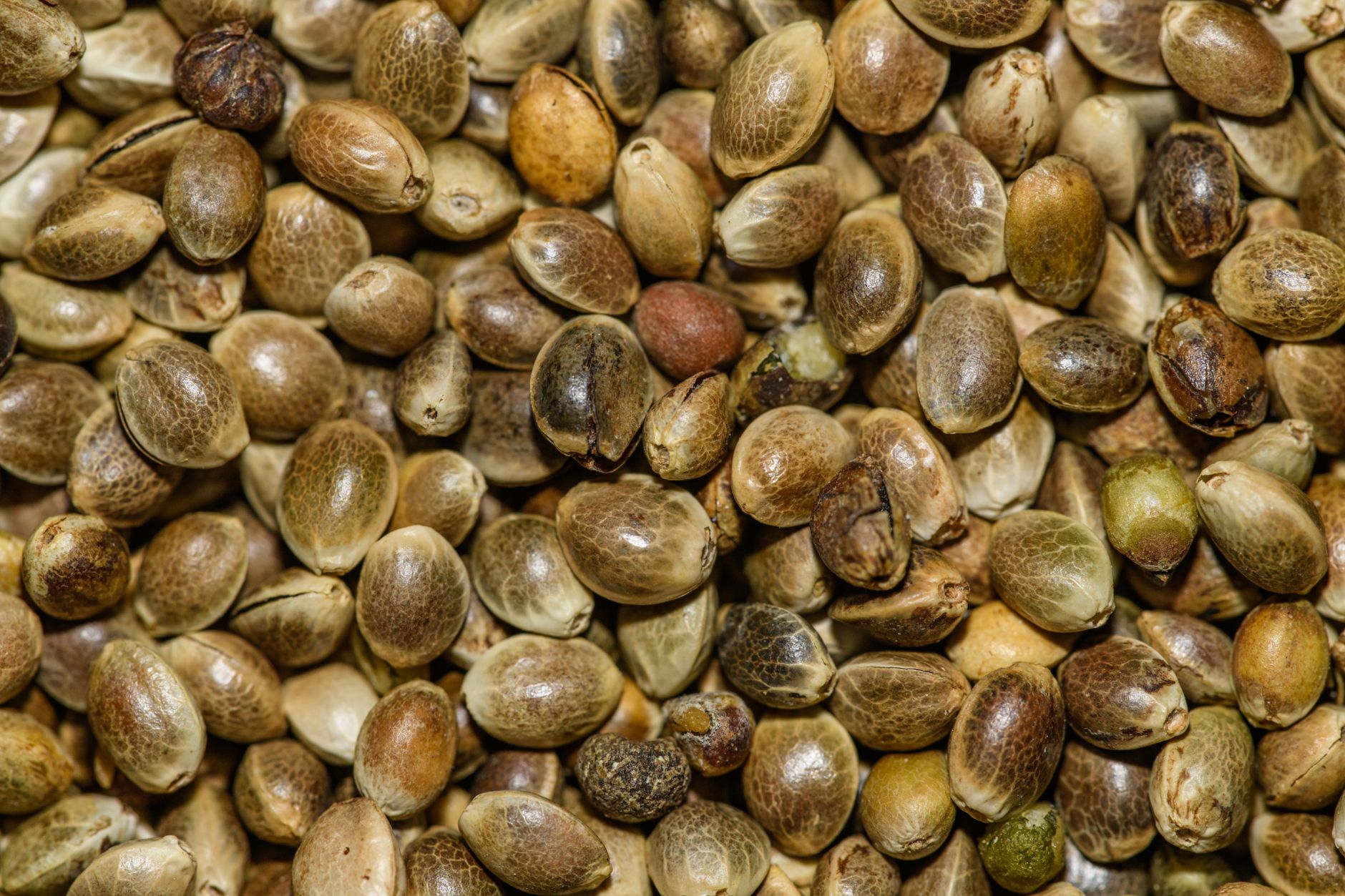
Granddaddy Purple is a legendary American indica hybrid — Big Bud crossed with Purple Urkle — bred by Ken Estes in 2003. It grows dense, resinous buds that turn deep purple under cool autumn nights, hitting 20–23% THC with a grape-and-berry terpene profile. Australian outdoor growers planting in October–November can expect a March–April harvest with yields of 450–600 g/plant in warm, well-fed conditions. Choose feminised cannabis seeds for an all-female crop and predictable results.
- ✓ Aussie growers researching GDP genetics before buying
- ✓ Indica lovers seeking heavy, sedating body effects
- ✓ Outdoor growers in VIC, NSW, WA, SA with Oct–Apr seasons
- ✓ Indoor growers wanting a proven high-resin strain
- ✓ Anyone who's bought "GDP" before and wants authentic genetics
- ✓ Growers checking timing for Southern Hemisphere outdoor runs
- ✗ Sativa or uplifting-effect seekers
- ✗ Tropical QLD/NT growers expecting zero mould management
- ✗ Autoflower-only growers (GDP is a photoperiod strain)
- ✗ Anyone expecting sub-8-week total cycles
What Is the Genetic Background of Granddaddy Purple?
Granddaddy Purple is a pure indica-dominant hybrid created by Californian breeder Ken Estes in 2003. The cross is Big Bud × Purple Urkle, two strains with very different strengths that complement each other almost perfectly.
Big Bud contributes the yield engine — massive calyxes, thick branching, and the structural genetics for commercial-scale production. It was itself an Afghani × Skunk × Northern Lights hybrid bred for Amsterdam coffeeshop supply chains in the 1980s.
Purple Urkle contributes the genetics that made GDP famous: the deep anthocyanin pigmentation (the biological mechanism behind the purple colouration), the grape-and-berry terpene profile, and the heavy myrcene-forward sedative effect. Purple Urkle is widely believed to be a Mendocino Purps phenotype, though its exact lineage has never been fully verified.
The result of combining these two parents is a strain that hits above its weight in nearly every measurable dimension — yield, resin production, visual appeal, and effect depth.
A named, proprietary Royal King Seeds verification framework for identifying true GDP genetics before you buy.
Formula: Authentic GDP = Purple Urkle anthocyanin expression + Big Bud calyxes + myrcene-dominant nose (grape/berry/earth). Any seed labelled "GDP" missing two of these three markers is not true Ken Estes lineage.
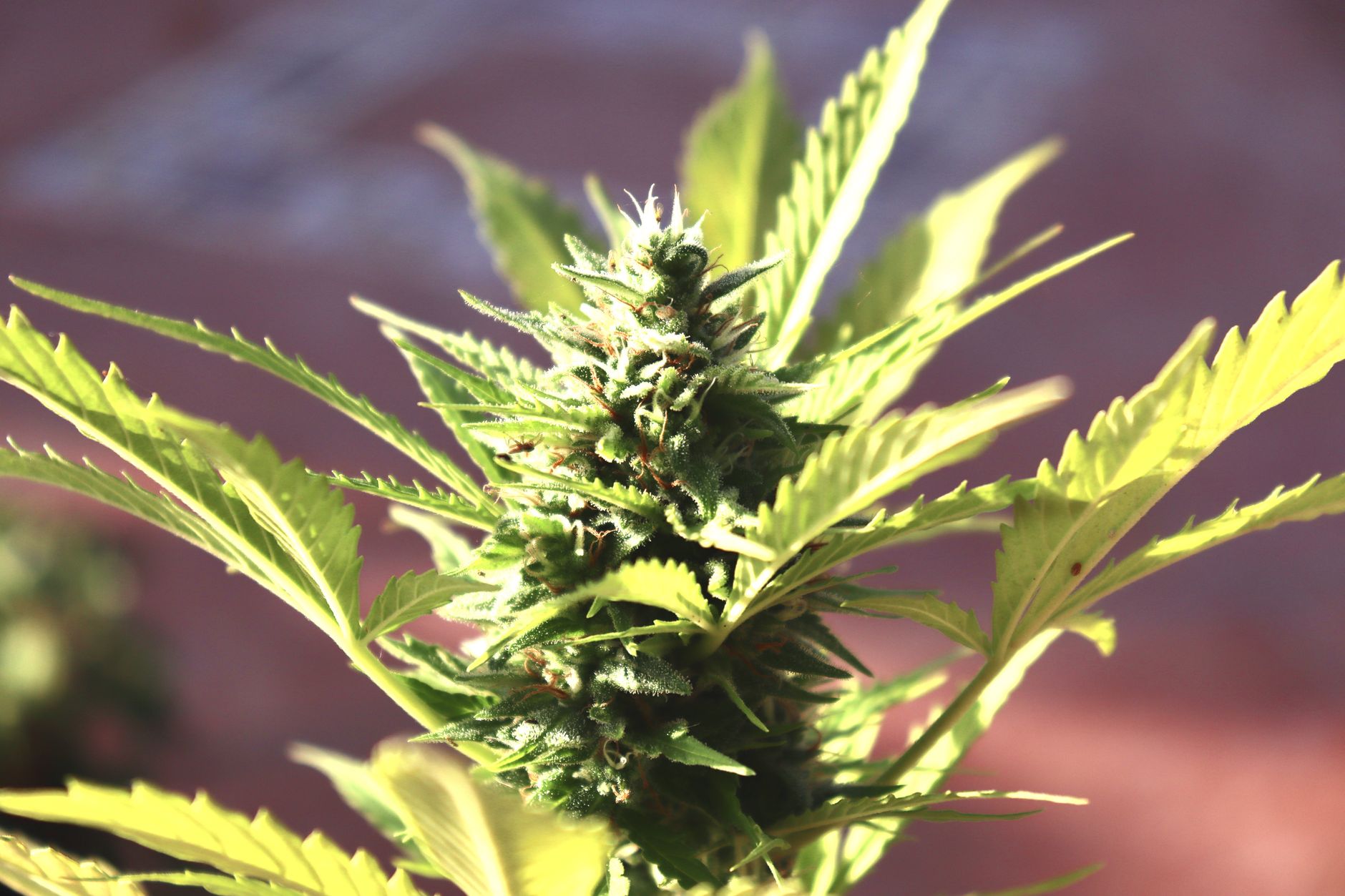
Worked example: A batch of seeds marketed as "GDP" delivers green buds with a pine-heavy smell and 18% THC — fail on anthocyanin expression and terpene profile. Real GDP in correct growing conditions (nights below 18°C in the final two weeks) will show purple within 7–10 days of temperature drop. If yours didn't, the genetics are wrong.
GDP's genetic combination of Big Bud and Purple Urkle makes it one of the most balanced indica workhorses ever bred — strong enough for commercial outdoor yields, distinctive enough for connoisseur-level flavour. Verify anthocyanin expression, calyxes, and grape terpene profile before committing to a seed batch.
What Can Australian Growers Expect From GDP?
GDP is an indica-dominant cannabis seed that behaves like a classic photoperiod strain — it needs a genuine light-cycle trigger (12/12 for indoor, or shortening autumn days for outdoor) to enter flowering. It does not auto-flower.
Plant Structure and Size
GDP grows compact and bushy with a classic indica silhouette — wide fan leaves, short internodal spacing, and lateral branching that responds very well to low-stress training (LST). Plants typically reach 90–120 cm indoors and 150–200 cm outdoors in full Australian summer sun.
Flowering Time and Bud Structure
Indoor flowering time runs 55–65 days from flip to harvest. Buds are extremely dense, heavily resinous, and covered in trichomes by week 6. Outdoor plants in Australian conditions (planted October, entering autumn natural light reduction) typically begin visible flowering in February and are harvest-ready by late March to mid-April.
Yield Expectations
Looking at grower-reported data across Australian outdoor grows and indoor journals, GDP consistently delivers 450–600 g/plant outdoors in well-amended soil with 180+ days of growing time. Indoor yields under 600W equivalent LED in a 1.2×1.2 m tent with 4 plants run approximately 380–480 g total (95–120 g/plant with training). Larger containers and extended veg periods push this higher.
Effects and Terpene Profile
GDP is a classic heavy indica — full-body relaxation, euphoric head onset transitioning to deep sedation. The dominant terpenes are myrcene (earthy, musky, sedative), caryophyllene (peppery, anti-inflammatory), and linalool (floral, calming). The grape-and-berry aroma is immediately recognisable and is the key quality marker for authentic GDP genetics.
THC and CBD Content
Verified GDP genetics test at 20–23% THC with minimal CBD (typically below 1%). It is a high-potency high-THC seed variety that is not suitable for CBD-focused therapeutic grows. For CBD-prominent options, see our CBD strain catalogue.
GDP is a reliable, high-yielding indica that performs consistently across indoor and outdoor Australian grows. Expect purple colouration in the final two weeks of flower when nights drop below 18°C — this is the key visual signal of authentic genetics expressing correctly. Growers in temperate VIC and SA coastal zones have a natural advantage here.
What Is the Best Outdoor Calendar for GDP in Australia?
GDP is a photoperiod indica that needs Southern Hemisphere autumn (March–May) to trigger and complete flowering. The Aussie outdoor window is perfectly suited — long December–January summer days drive vigorous vegetative growth, and naturally shortening February–March days trigger flowering exactly when you want it.
Aussie Outdoor GDP: Month-by-Month Calendar
Germinate indoors. Seedling stage.
Transplant outdoors. Veg begins. Ideal start.
Active vegetative growth. Train and top. Ideal second start.
Peak veg. Maximum light hours. Build root mass.
Pre-flower stretching. Watch heat stress above 35°C.
Flowering begins. Days shortening. Humidity watch.
Mid to late flower. Purple expression. Harvest window opens.
Final harvest window. Cool nights aid colour. Mould risk rises in humid zones.
Too late. Frost risk in TAS, VIC alpine. Mould risk very high coastal QLD/NSW.
Winter. No outdoor growing. Seed planning season.
For Australian outdoor GDP grows, your harvest date must fall at least 21 days before your region's first historical frost date.
Formula: Oct 1 transplant + 90 days vegetative (Dec 30) + 63 days flower (mid-March harvest) = harvest by March 15. Compare against your region's first frost. Buffer must be ≥21 days.
Worked example: Melbourne's average first frost is around June 1 (BOM data). GDP planted Oct 1 → harvest March 15 → 78-day buffer. Safe. Hobart growers planting Oct 1 → harvest by March 20 → against Hobart's first frost of ~April 22 → 33-day buffer. Tight but safe if no late start.
October is the optimal transplant month for GDP across most of mainland Australia. Hobart and alpine VIC growers should not delay past mid-October. Coastal QLD growers gain little from the extended season and face significantly higher late-summer humidity — humidity management in March is their primary challenge.
How Does GDP Grow Across Australian States?
New South Wales
NSW's temperate coastal climate suits GDP well. Sydney and the Illawarra coast offer 180+ frost-free days, long summer veg periods, and naturally cool March nights to trigger purple expression. Inland NSW (Armidale, Orange) sees earlier autumn temperature drops — an advantage for anthocyanin pigmentation but requires finishing plants by early April before highland frosts arrive.
Victoria
Melbourne's Mediterranean-tempered climate is excellent for GDP — warm summers drive aggressive veg growth, and autumn nights naturally cool to 12–16°C in March, which is ideal for triggering GDP's purple colouration. Alpine VIC growers (Falls Creek region, Mount Beauty) must plant by October 1 and target a March 10–20 harvest window. VIC is rated our top-tier outdoor state for GDP.
Queensland
Subtropical QLD is GDP's most challenging Australian environment. High late-summer humidity (60–80% RH in February–March) creates significant botrytis (bud rot) risk in GDP's dense bud structure. Growers in SEQ (Brisbane, Gold Coast) can succeed with aggressive defoliation in week 4 of flower, good airflow, and early March harvest. Far North QLD is not recommended for GDP outdoors.
Western Australia
Perth's Mediterranean climate is one of the most GDP-friendly in Australia — hot, dry summers and low-humidity March autumns mean minimal mould risk and strong purple expression as nights cool. WA growers in the Swan Valley and Margaret River regions consistently report some of the cleanest, most colourful GDP outdoor finishes in the country, where cultivation is legally permitted.
South Australia
Adelaide's dry continental climate mirrors WA — low late-season humidity, warm days, and cool nights through March. The Barossa and McLaren Vale regions (where viticulture thrives in similar conditions) are ideal GDP outdoor territory. SA growers benefit from low mould risk and reliable cold-night triggering for purple bud colour.
Tasmania
Hobart's cool-temperate climate is GDP's most time-critical environment. Frost arrives in late April to early May (BOM data), which means a strict October 1–15 start is non-negotiable. The upside: Tasmanian autumn nights are cold enough (8–14°C in March) to produce some of the deepest purple colouration seen in Australian GDP grows. Plan meticulously or plant autoflowers instead.
VIC, WA, and SA are GDP's three best Australian states for outdoor growing — reliable cool autumn nights, low-to-moderate mould risk, and ample frost-free windows. NSW works well in most regions. QLD growers must manage humidity aggressively, and TAS growers must lock in an October start without exception.
How Does GDP Score in the Royal King Seeds Australian Climate Score?
The Royal King Seeds Australian Climate Score rates feminised cannabis seed varieties on their suitability for Australian outdoor conditions. Methodology: Heat Tolerance 30% + Mould Resistance 30% + Yield Reliability 20% + Beginner Friendliness 20%.
| Strain | THC % | Yield Outdoor (g/plant) | Flower Time (days) | Mould Resistance | Heat Tolerance | Beginner Rating (/10) | AU Climate Score (/100) |
|---|---|---|---|---|---|---|---|
| Granddaddy Purple | 20–23% | 450–600 g | 55–65 | Medium | Medium | 6/10 | 74/100 |
| Northern Lights | 18–22% | 400–550 g | 50–60 | High | High | 9/10 | 88/100 |
| Purple Kush | 17–22% | 350–500 g | 55–65 | Medium | Medium | 7/10 | 71/100 |
| Critical Mass | 18–22% | 500–700 g | 45–55 | Low | High | 7/10 | 69/100 |
| Blueberry | 17–20% | 350–450 g | 55–65 | Medium | Medium | 7/10 | 70/100 |
Why Northern Lights scored #1 (88/100):
- Exceptional mould resistance — original Afghani genetics built for wet, variable climates
- High heat tolerance — performs through QLD summer without stress responses
- 9/10 beginner rating — forgiving of nutrient and training errors
Why GDP scored #2 (74/100):
- Excellent yield and THC output — among the best in its weight class
- Medium mould resistance limits it in humid QLD/coastal NSW without active management
- Beginner rating drops due to sensitivity to heat stress above 32°C in flowering
Why Critical Mass ranked 4th despite high yield (69/100):
- Fastest cycle and heaviest yield of the group — genuinely competitive
- Low mould resistance is a serious liability in any Aussie coastal or subtropical climate
- Dense bud structure similar to GDP but without the terpene or colour payoff
What Is the GDP Outdoor Risk Rating for Australian Conditions?
The following Royal King Seeds Outdoor Risk Rating assesses GDP against the four most common failure modes for Australian photoperiod outdoor grows.
| Strain | Heat Stress Risk | Mould / Botrytis Risk | Drought Stress Risk | Beginner Failure Risk |
|---|---|---|---|---|
| Granddaddy Purple | Medium-High | Medium | Low | Medium |
| Northern Lights | Low | Low | Low | Very Low |
| Purple Kush | Medium | Medium | Low | Low-Medium |
| Critical Mass | Low | Very High | Low | Medium |
| Blueberry | Medium | Medium | Medium | Low |
GDP's biggest risk is heat stress during the flowering period — anything above 32°C in February–March will reduce trichome density and can trigger early foxtailing in less-stable phenotypes. Shade cloth rated 30–40% is an effective countermeasure during peak summer heat events.
GDP is a medium-difficulty outdoor grow in Australian conditions. Its biggest vulnerability is heat during early flower (January–February) — not mould, which is often the assumed risk. Growers in WA and SA have a natural advantage due to low-humidity March finishes. QLD growers face the inverse challenge: managing humidity as temperatures cool in March–April.
Where Can You Buy Granddaddy Purple Seeds in Australia?
Finding authentic GDP seeds in Australia requires sourcing from reputable seed banks that carry verified genetics — not repackaged mystery stock labelled with famous names. The key markers of a legitimate GDP seed supplier are: named parentage (Big Bud × Purple Urkle or named breeder lineage), feminised or regular classification clearly stated, and germination guarantees.
Royal King Seeds Australia carries feminised cannabis seeds Australia including indica-dominant genetics with verified lineage. Feminised seeds are strongly recommended for GDP — the strain does not benefit from hunting males in most home grow scenarios, and the cost of a male plant in a 4-plant tent is a lost quarter-season.
When evaluating any Australian seed bank for GDP specifically, ask these three questions:
- Is the parentage explicitly listed (Big Bud × Purple Urkle)?
- Are seeds feminised or regular?
- Does the bank offer stealth shipping via Australia Post with a germination guarantee?
Pricing for GDP feminised seeds in Australia typically runs AU$60–$120 for a pack of 5, and AU$90–$180 for a pack of 10, depending on the bank and batch quality. Prices significantly below this range are a red flag for counterfeit or poorly stored genetics.
Browse our full range of cannabis seeds available in Australia or filter by indica seeds to find GDP and related genetics.
Ready to Grow Granddaddy Purple?
Browse our verified feminised indica genetics — all feminised, all authentic lineage, shipped discreetly via Australia Post.
View Indica Seeds →Always buy feminised GDP seeds from a bank that explicitly states Big Bud × Purple Urkle parentage. Anything labelled simply "Purple" or "GDP Hybrid" without clear lineage disclosure is not worth the risk. Authentic genetics are the single most important variable in replicating the classic GDP experience — no amount of growing skill compensates for wrong genetics.
Which GDP Grow Method Should You Choose?
Use this decision matrix to choose the right approach for your situation, where cultivation is legally permitted in your jurisdiction:
| Your Constraint | Recommended Approach | Why |
|---|---|---|
| Maximum yield outdoor | GDP feminised, Oct start, large container or in-ground | Longest veg = biggest plants = 500–600 g/plant potential |
| Indoor, small tent (60×60 cm) | GDP feminised, 4-week veg, LST + topping | Compact indica structure suits small spaces well |
| High humidity QLD/NT grower | Consider Northern Lights or a mould-resistant indica | GDP's medium mould resistance is a liability in tropical/subtropical humidity |
| Cool southern AU (TAS/VIC alpine) | GDP feminised, strict Oct 1 start | Cool nights naturally trigger purple expression; timing is critical |
| Hot dry inland (SA/WA/inland NSW) | GDP with 30% shade cloth in Jan–Feb | Heat stress above 32°C during flowering is the primary risk |
| First-time grower | GDP indoors in a 100 L fabric pot with basic LED | Controlled environment removes weather, timing, and mould variables |
| Want fastest possible harvest | Consider an autoflower seed variety instead | GDP photoperiod takes 5–6 months outdoor; autos finish in 10–12 weeks |
What Happens If You Choose the Wrong Strain or Start Date?
- Strain: GDP Feminised (authentic lineage)
- Location: Melbourne, VIC
- Start date: October 5
- Harvest date: March 18
- Frost buffer: 75+ days
- Risk level: Low
- Outcome: 520 g/plant, deep purple buds, grape terpene profile fully expressed. Clean, dry harvest with no mould.
- Strain: Mislabelled "GDP" (unknown genetics)
- Location: Melbourne, VIC
- Start date: December 1 (late start)
- Harvest date: Late April (pushed by slow veg)
- Frost buffer: 30 days — razor thin
- Risk level: High
- Outcome: Green buds, no grape terpene, 280 g/plant, early signs of botrytis in outer buds during final weeks. Season effectively wasted.
Bottom line: One decision — authentic genetics and an October start — determined the entire season outcome. The difference between 520 g of purple, terpene-rich GDP and 280 g of botrytis-prone mystery strain came down to sourcing and timing, not growing skill.
What Patterns Appear Across Australian GDP Grower Reports?
Looking at the questions that come through our support channel and reviewing patterns across public grower forum data, a handful of GDP-specific issues show up again and again in the Australian context.
Pattern 1: Purple Colouration Fails to Appear
This is the most common complaint, and it's almost always caused by one of two things: wrong genetics (the strain was mislabelled) or nights that aren't cold enough during the final two weeks of flower. Authentic GDP requires sustained night temperatures below 18°C to express anthocyanin pigmentation. In subtropical QLD, nights rarely drop far enough in March — coastal NSW and Victoria are much better for purple expression.
Pattern 2: Buds Are Dense But Lack Grape Aroma
Reviewing grower reports, when GDP delivers good structure but a weak terpene profile, the culprit is almost always high temperatures during flowering (above 30°C) that degrade linalool and myrcene before harvest, or a flush that was cut too short (minimum 7–10 days before harvest is the common recommendation in public grow journals).
Pattern 3: Plant Stalls at Week 8 of Flower
From the support questions our team fields around March each season, GDP stalls most often when late-summer humidity spikes above 70% RH during early flower. The plant is redirecting energy to stress responses rather than bud production. Growers who install basic oscillating fans and reduce watering frequency in week 6 consistently report this resolves within 5–7 days.
Pattern 4: Yield Is 30–40% Below Breeder Estimates
Breeder-stated yields assume optimal conditions — coco or living soil, full-sun outdoor, and correct nutrition throughout the lifecycle. Comparing grower-reported harvest weights with breeder-published specs across public data, the gap is almost always traced to either undersized containers (GDP needs minimum 20–25 L outdoors for full genetic expression) or insufficient phosphorus during weeks 3–6 of flower.
The single most preventable GDP failure across Australian grow reports is buying mislabelled genetics. The second is starting too late. Both are avoidable — source verified feminised seeds and plant in October. Everything else is refinement.
Common Mistakes Australian GDP Growers Make
Mistake 1: Buying Mislabelled or Unverified GDP Seeds
The most expensive mistake in GDP growing isn't a nutrient error — it's paying for authentic genetics and receiving something else entirely. How to detect it: harvest produces green buds, pine or skunk-dominant aroma, no grape or berry terpene signature. How to fix it: source only from seed banks that explicitly name Big Bud × Purple Urkle parentage and offer a germination guarantee. Check community grow reports for the specific batch you're buying.
Mistake 2: Starting Too Late (After November)
GDP needs a full Southern Hemisphere summer veg period to hit its yield ceiling. Plants started in December or later produce significantly smaller canopies and proportionally lower yields. How to detect it: plants are visibly smaller and less branched than expected by January. How to fix it: germinate in September for an October outdoor transplant. This is non-negotiable for TAS and VIC alpine growers.
Mistake 3: Underfeeding Phosphorus During Flower
GDP is a heavy feeder during weeks 3–7 of flower. Phosphorus deficiency shows up as purpling of the lower fan leaf veins (not the same as anthocyanin bud colour — this is a stress response). How to fix it: run a high-P bloom formula from week 3 of flower and watch for early signs of lower-leaf yellowing, which is normal in late flower but shouldn't arrive before week 7.
Mistake 4: Ignoring Humidity in February–March
GDP's dense bud structure traps moisture. Relative humidity above 65% during weeks 4–8 of flower creates botrytis conditions inside the bud core before any visible external signs appear. How to detect it: the first sign is a single brown calyx inside the bud — by the time it's visible, the rot has already spread 2–3 cm inward. How to fix it: defoliate 30–40% of interior foliage at week 3 of flower, and run airflow directly through the canopy.
Mistake 5: Harvesting Too Early to Chase Purple Colour
Many growers, impatient to see purple, harvest GDP when the pistils first blush purple — this is not a harvest indicator. Authentic GDP pistil reddening begins around week 7 of flower; trichome ripeness (60–70% cloudy, 20–30% amber for full body effect) typically arrives at week 9–10. Harvesting at week 7 gives you smaller, less potent, less resinous buds regardless of colour. Use a jeweller's loupe, not eye colour, to time harvest.
Mistake 6: Growing GDP in Containers Under 20 L Outdoors
GDP's root system is proportionally large for an indica — it needs room. Containers under 20 L outdoors restrict root expansion, cap plant size, and reduce final yield by an estimated 30–45% compared to 30–45 L fabric pots or in-ground planting. How to fix it: use minimum 25 L fabric pots outdoors, or plant directly into well-amended soil (50% native + 25% compost + 25% perlite) for maximum expression.
Four of these six mistakes are preventable before the first seed hits soil — genetics sourcing, start date, container size, and humidity planning are all pre-season decisions. Get those four right and GDP is a genuinely rewarding grow. Neglect them and you'll spend a season troubleshooting problems that were baked in before you started.
Browse Our Full Feminised Seed Range
Authentic lineage, discreet Australia Post shipping, germination guarantee. Start your GDP grow on the right foot.
Shop All Seeds →"Authentic GDP genetics, an October start, and a 25 L+ container — get these three right and every other variable becomes a refinement, not a risk."
Frequently Asked Questions — Granddaddy Purple Seeds Australia
What is Granddaddy Purple and what are its genetics?
When should I plant Granddaddy Purple outdoors in Australia?
Why didn't my GDP buds turn purple?
How long does GDP take to flower indoors?
What yields can I expect from GDP outdoors in Australia?
Is GDP suitable for growing in Queensland's subtropical climate?
Can I start GDP in December in Melbourne?
What container size should I use for GDP outdoors?
My GDP stalled at week 8 of flower — what went wrong?
Why didn't my GDP smell like grape or berries?
Should I buy feminised or regular GDP seeds?
How do I know if my GDP seeds are authentic?
Is GDP good for beginners in Australia?
Can GDP be grown in a small indoor tent?
When should I harvest GDP in Australia?
How much does GDP cost in Australia?
Is it legal to grow Granddaddy Purple in Australia?
What nutrients does GDP need during flowering?
How does GDP compare to Purple Kush for Australian outdoor growing?
What is the best GDP grow medium in Australia?
Does GDP do well as an autoflower?
What's the ideal temperature range for growing GDP?
Can I use GDP clones instead of seeds in Australia?
Should I switch to a faster-finishing strain if I'm in Tasmania?
What are the effects of Granddaddy Purple?
Sources
- Bureau of Meteorology — Australian Climate Data
- ABARES — Australian Bureau of Agricultural and Resource Economics and Sciences
- Therapeutic Goods Administration (TGA) — Medicinal Cannabis Regulation in Australia
- Australian Department of Health and Aged Care — Cannabis and Health
- PubMed — Cannabis Terpenes and Pharmacology Research
- Australian Drug Foundation — Cannabis Information and Research
Ready to Start Growing?
Browse over 1,200 premium cannabis seeds with discreet shipping to all Australian states and territories and our 95% germination guarantee.
Shop Cannabis Seeds