An 8th Is How Many Grams? Cannabis Weights, Sizes, Pricing & What to Expect
Royal King Seeds
Cultivation team
Most people who've ever bought cannabis have heard the word "eighth" thrown around — but if you've never seen it written out, the maths behind it can feel strangely mysterious. Here's the thing: an eighth is simply 3.5 grams, derived from dividing a 28-gram ounce by eight. That one number unlocks every other common cannabis measurement you'll ever encounter.
Understanding cannabis weights isn't just useful for buyers — it's essential knowledge for home growers tracking yield, planning harvests, and knowing whether their plants are performing to spec. This guide breaks down every common weight, what to expect from each, how Australian pricing stacks up, and why grams matter far more than you might think when you're growing your own.
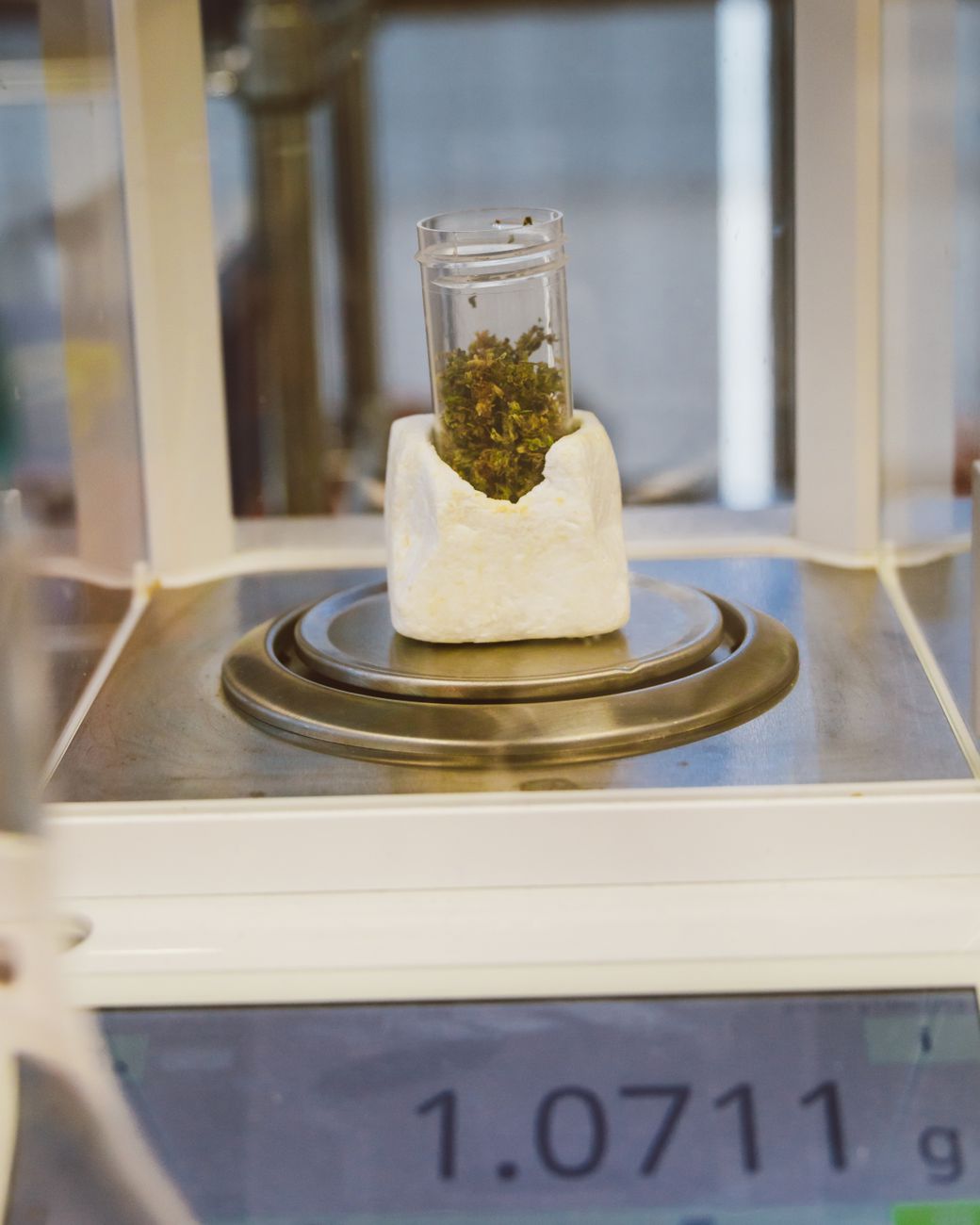
An eighth of cannabis equals 3.5 grams — precisely one-eighth of a standard 28-gram ounce. This is the most common purchase unit in Australia and globally. From there, a quarter ounce is 7 g, a half ounce is 14 g, and a full ounce is 28 g. Home growers tracking dry yield typically aim for 30–90+ grams per plant depending on strain and grow method.
One Eighth (⅛ oz)
One Full Ounce
Typical 8th Price (AU)
Standard Joints per 8th
- ✓ Beginners confused by cannabis weight terminology
- ✓ Home growers tracking and projecting dry yield
- ✓ Aussie growers comparing strain yields in grams
- ✓ Anyone curious about how Australian pricing compares by weight
- ✓ New growers choosing between seed quantities and pot sizes
- ✗ Those looking for advice on illegal purchase or sale of cannabis
- ✗ Experienced growers already familiar with metric yield tracking
- ✗ Buyers seeking sourcing or supplier information
- → What Is an Eighth of Cannabis?
- → Full Cannabis Weight Chart
- → Australian Pricing by Weight
- → How Many Joints Per Weight?
- → What Should Growers Expect in Grams?
- → Expected Yields by Australian State
- → Common Weighing Mistakes
- → Myth vs Reality
- → What Happens If You Guess Wrong
- → Which Quantity Should You Choose?
- → FAQ
- → Sources
What Is an Eighth of Cannabis?
An eighth refers to one-eighth of an ounce — the base imperial unit that cannabis has been traded in for decades, even in countries like Australia that otherwise use metric measurements. One ounce equals 28 grams (technically 28.3495 g, rounded to 28 g by convention). Divide that by eight and you get 3.5 grams.
The eighth became the cannabis industry's default unit because it's a practical, affordable quantity. It's enough for multiple sessions without being a large financial commitment, and it fits neatly into a small glass jar or zip-lock bag. For the home grower, 3.5 g is also a useful benchmark — it's roughly what a single, modest autoflower bud site might yield after a dry and cure.
In Australia, cannabis remains regulated under state and territory legislation. Growing for personal or recreational use is still illegal in most states, with the ACT being the notable exception (where adults can legally grow two plants). Medicinal cannabis is regulated federally by the Therapeutic Goods Administration (TGA). All growing references on this page are framed as educational and horticultural — always check your local laws before proceeding.
The eighth is the foundational unit in cannabis measurement. Whether you're tracking a dispensary purchase in a legal jurisdiction or logging your home grow yield, 3.5 g is the number to anchor everything else to. Memorise it once and the rest of the weight chart falls into place instantly.
What Does the Full Cannabis Weight Chart Look Like?
Once you know an eighth is 3.5 g, every other common cannabis unit is simple multiplication. Below is the complete weight chart growers and buyers use worldwide — with the imperial fraction, the gram equivalent, and a practical context note for each.
| Unit Name | Fraction of Oz | Grams | Approx. Joints | Typical Use | Grower Context |
|---|---|---|---|---|---|
| Gram | 1/28 oz | 1 g | 1–2 | Single session, sample | One small popcorn bud |
| Eighth | 1/8 oz | 3.5 g | 3–7 | Most common purchase unit | 1–2 small bud clusters |
| Quarter | 1/4 oz | 7 g | 7–14 | Regular users, weekly supply | A medium cola section |
| Half | 1/2 oz | 14 g | 14–28 | Bulk personal supply | A modest full branch |
| Ounce (Zip) | 1 oz | 28 g | 28–56+ | Large personal supply | Small autoflower full yield |
| Quarter Pound (QP) | 1/4 lb | 113 g | 100+ | Grower yield benchmark | Mid-tier indoor plant target |
| Half Pound | 1/2 lb | 227 g | 200+ | Strong indoor/outdoor plant | High-yield photoperiod target |
| Pound | 1 lb | 454 g | 400+ | Commercial benchmark | Multiple-plant outdoor run |
The weight chart is linear — every unit is a clean multiple of 3.5 g. Once you anchor on the eighth, you can calculate any other unit mentally in seconds. For growers, the ounce (28 g) and quarter pound (113 g) are the two most useful yield benchmarks per plant.
What Does Cannabis Cost in Australia by Weight?
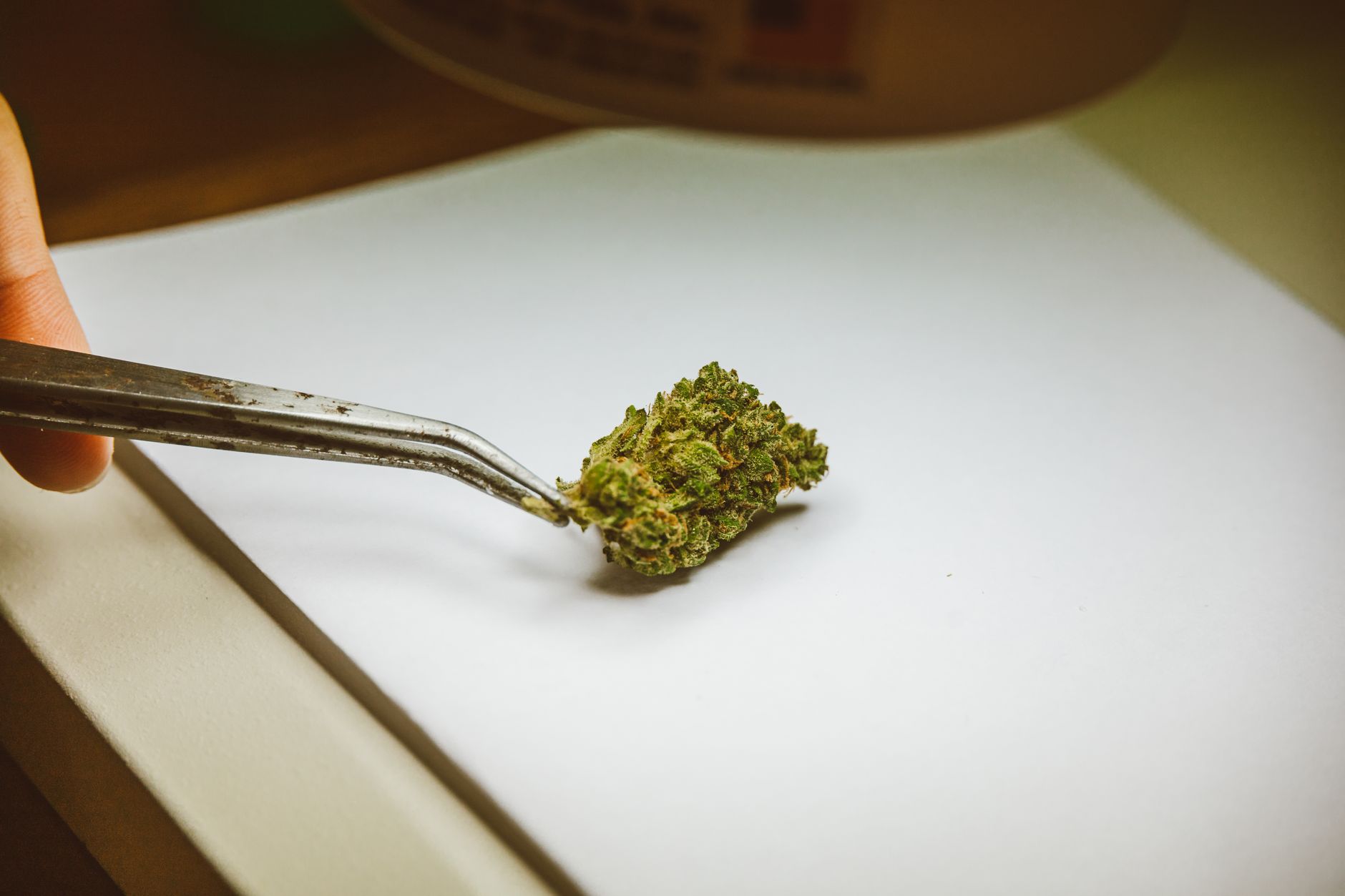
Australian cannabis pricing is among the highest in the world due to the nation's geographic isolation and regulatory environment. Based on publicly aggregated data from harm-reduction resources and community reporting, here's what Australians typically encounter across common weight units. Note: these figures reflect reported street/grey-market pricing in jurisdictions where personal use occurs — we do not endorse illegal purchase or sale.
| Unit | Grams | Low Range (AUD) | High Range (AUD) | Price per Gram | Notes |
|---|---|---|---|---|---|
| 1 gram | 1 g | AU$15 | AU$25 | ~AU$15–25/g | Urban metro pricing |
| Eighth (⅛ oz) | 3.5 g | AU$50 | AU$70 | ~AU$14–20/g | Most common AU unit |
| Quarter (¼ oz) | 7 g | AU$90 | AU$140 | ~AU$13–20/g | Mild bulk discount |
| Half (½ oz) | 14 g | AU$170 | AU$260 | ~AU$12–18/g | Noticeable discount |
| Ounce (1 oz) | 28 g | AU$300 | AU$500 | ~AU$11–18/g | Best per-gram value |
Growing your own legal herb in jurisdictions where cultivation is permitted offers dramatic savings. A single autoflower seed costing AU$10–20 can produce 30–80 g of dry flower — the equivalent of AU$450–1,600 worth of product at street pricing. This is why home cultivation (where legally allowed) is so economically compelling.
At AU$14–20 per gram, Australia's cannabis pricing is roughly 2–3× higher than comparable markets in Canada or parts of the USA. For growers in jurisdictions where cultivation is legally permitted, even a modest 50 g per-plant yield represents significant value — and getting your measurement knowledge right is the first step to tracking that output accurately.
How Many Joints Can You Roll From Each Weight?
The number of joints per weight depends heavily on rolling style — slim pinners use around 0.4–0.5 g, standard joints use 0.75–1 g, and fat cones use 1.5–2 g. Here's a practical breakdown using three common joint sizes:
| Weight | Grams | Slim (0.5 g) | Standard (0.75 g) | Fat Cone (1.5 g) |
|---|---|---|---|---|
| 1 gram | 1 g | 2 | 1 | <1 |
| Eighth | 3.5 g | 7 | 4–5 | 2–3 |
| Quarter | 7 g | 14 | 9–10 | 4–5 |
| Half | 14 g | 28 | 18–19 | 9–10 |
| Ounce | 28 g | 56 | 37–38 | 18–19 |
Keep in mind that stem removal and shake reduce usable weight by roughly 5–10%. A 3.5 g eighth of well-trimmed, dense flower behaves differently to 3.5 g of loose, dried outdoor material. Density matters for both rolling and for how accurately a small scale reads the weight.
For most users, a 3.5 g eighth yields 4–5 standard joints. If you're rolling from your own home grow, weigh before rolling rather than estimating by eye — home-grown flower varies significantly in density compared to commercially processed product.
What Grams-Per-Plant Should Home Growers Expect?
For home growers in jurisdictions where cultivation is legally permitted, understanding realistic dry yield in grams is far more useful than trusting breeder marketing claims. Looking at grower-reported harvest data published in public forums and grow journals, a consistent pattern emerges: actual yields run 20–40% below breeder-stated maximums for beginners, and meet or exceed them for experienced growers with dialled-in environments.
Below is a realistic grower-facing yield reference across common grow categories:
- Beginner autoflower, small pot (7–11 L), basic LED: 15–40 g per plant
- Intermediate autoflower, 15–19 L fabric pot, decent LED (≥600 PPFD): 40–80 g per plant
- Experienced autoflower, optimised 600 PPFD+, LST applied: 80–130 g per plant
- Beginner photoperiod feminised, outdoor, first season: 50–120 g per plant
- Experienced photoperiod feminised, outdoor full season: 150–400+ g per plant
- Photoperiod indoor, 600W HPS/LED, 1 m² (4 plants): 300–600 g per m²
Reviewing patterns from public grower data, container size and light intensity are the two biggest levers. Pots smaller than 11 L consistently constrain root zone development and reduce final yield by 25–40% compared to 19–23 L containers, even when all other variables are equal.
Definition: A simple ratio that lets growers benchmark whether their yield is on track relative to pot size — stripping out other variables.
Formula: Dry yield (g) ÷ Pot volume (L) = g/L ratio. Beginners typically achieve 1.5–2.5 g/L. Intermediate growers 2.5–5 g/L. Experienced growers with optimised environments 5–8 g/L.
Worked Example: A first-time grower using an 11 L pot harvests 28 g dry — that's 2.5 g/L, which sits right at the beginner/intermediate line. The same grower upgrading to a 19 L pot and improving lighting can reasonably target 50–90 g (2.6–4.7 g/L). Three consecutive harvests tracking this ratio reveals whether the limiting factor is genetics, light, or root space.
New growers should set realistic expectations: your first harvest will likely fall in the 20–50 g range per plant. That's still 6–14 eighths per plant — significant value for a grower in a legally permitted jurisdiction. Track g/L ratio across runs to identify your bottleneck systematically.
What Grams Can Australian Growers Expect by State?
Climate has a direct and measurable impact on outdoor yield. Looking at grower reports and Bureau of Meteorology climate data, outdoor yield potential varies substantially across Australian states and territories. Here's a state-by-state breakdown for growers in jurisdictions where cultivation is legally permitted.
Queensland (Subtropical Coast)
QLD's warm temperatures and long daylight hours support rapid vegetative growth, but high humidity (especially Feb–April) drives mould risk during the critical flowering window. Mould-resistant indica-dominant seeds outperform open sativas. Expected outdoor yield: 100–350 g per plant for photoperiods, 40–80 g for autos.
New South Wales (Temperate Coast to Inland)
Coastal NSW offers a near-ideal Mediterranean-adjacent season. Photoperiod plants started in October can run through to harvest in March–April, maximising their veg window. Inland NSW runs hotter and drier — drought-tolerant genetics from our sativa seeds range handle the stress better. Expected outdoor yield: 120–400 g per plant for photoperiods.
Victoria (Temperate to Alpine)
VIC's shorter frost-free window (particularly inland and elevated areas) makes cycle length critical. Autoflowering strains started in October finish well before May frosts in most regions. Expected outdoor yield: 30–70 g for autos, 80–220 g for photoperiods in favourable coastal locations.
Tasmania (Cool-Temperate)
Tasmania is Australia's most frost-constrained outdoor cannabis environment. According to BOM data, Hobart's last frost averages around early September, and first autumn frost arrives by early May — giving a frost-free window of approximately 240 days. However, cool summer nights slow bud maturation. Fast autoflower seeds finishing in 65–75 days are the safest choice. Expected outdoor yield: 20–55 g per auto plant.
Western Australia (Mediterranean — Perth, SW)
Perth and the south-west enjoy Australia's most reliable Mediterranean climate for cannabis cultivation. Hot, dry summers minimise mould; mild winters are irrelevant because the October–April season is well within the frost-free window. Expected outdoor yield: 150–500+ g per photoperiod plant in optimal conditions.
South Australia (Mediterranean — Adelaide)
SA's climate closely mirrors WA's south-west. Adelaide's hot, dry summers and mild autumns create ideal finish conditions for both feminised seeds and autoflowers. Inland SA (Riverland, far north) runs hotter — high-THC seeds with desert-hardened genetics suit these zones. Expected outdoor yield: 120–400 g per photoperiod plant.
Northern Territory (Tropical — Darwin)
Darwin operates on a wet-dry rather than four-season calendar. The dry season (May–October) is the growing window — humidity drops sharply and temperatures remain warm. Outdoor cannabis grown through the NT dry season avoids the mould risk that makes wet-season growing impractical. Expected outdoor yield: 100–280 g per photoperiod plant. Check local NT regulations carefully before proceeding.
Australian Capital Territory
The ACT is currently the only Australian jurisdiction where adults can legally grow cannabis at home (up to 2 plants per adult, maximum 4 per household). Canberra's elevation gives it cool nights and the potential for light frosts into late October and from April — making autoflower genetics the safest outdoor choice. Expected outdoor yield: 25–60 g per auto plant.
Australian Outdoor Cannabis Grow Calendar (Southern Hemisphere)
Seedling ✓
Plant out ✓
Veg peak ✓
Flower start ✓
Full flower ✓
Late flower ⚠
Harvest ⚠
Late harvest risk ✗
Frost risk ✗
No outdoor ✗
No outdoor ✗
Prep seeds ⚠
Western Australia and South Australia offer the best gram-per-plant potential of any Aussie state for outdoor photoperiod cultivation. The ACT and TAS grower should default to fast autoflowers to stay safely within the frost-free window. Climate fit matters more than any single strain spec when projecting your final gram count.
Royal King Seeds Australian Yield Score: Common Strain Types Ranked
To help growers choose the right genetics for realistic yield-in-grams performance across Australian conditions, we've built the Royal King Seeds Australian Yield Score. Methodology: Cycle speed 30% + Mould resistance 20% + Heat/drought tolerance 20% + Realistic beginner yield floor 20% + Consistency across AU climates 10% = 100 points.
| Strain Type | THC Range | Indoor Yield (g/m²) | Outdoor Yield (g/plant) | Cycle (weeks) | Mould Resistance | Heat Tolerance | Beginner Rating | AU Yield Score /100 |
|---|---|---|---|---|---|---|---|---|
| Fast Autoflower (Indica-Dom) | 16–22% | 350–500 | 40–90 | 8–10 | Medium–High | High | 9/10 | 88 |
| Feminised Indica (Photoperiod) | 18–26% | 450–600 | 100–350 | 14–18 | Medium | Medium | 7/10 | 81 |
| Feminised Hybrid (Balanced) | 18–28% | 500–650 | 150–450 | 16–20 | Medium | Medium–High | 6/10 | 77 |
| Feminised Sativa (Photoperiod) | 18–30% | 400–600 | 200–600+ | 18–26 | Low–Medium | High | 4/10 | 67 |
| CBD Strain (Low-THC) | <1–5% | 300–500 | 80–250 | 14–18 | High | Medium | 8/10 | 74 |
Why Fast Autoflower Indica-Dom scored #1 (88/100):
- 8–10 week finish means even TAS and ACT growers stay comfortably within their frost-free window
- Medium-to-high mould resistance tolerates coastal QLD and NSW autumn humidity
- 9/10 beginner rating reflects forgiving growth behaviour — consistent yields even with imperfect technique
Why Feminised Sativa ranked lowest (67/100):
- Long flowering times (18–26 weeks) create genuine frost risk south of the Hunter Valley
- Mould susceptibility in long, humid autumns cost significant points
- Ceiling yield is the highest of any type — but only experienced growers in WA/QLD/north NSW can reliably achieve it
Royal King Seeds Outdoor Risk Rating by Strain Type
| Strain Type | Heat Stress Risk | Mould Risk | Frost / Timing Risk | Beginner Risk |
|---|---|---|---|---|
| Fast Autoflower (Indica-Dom) | Low | Medium | Very Low | Very Low |
| Feminised Indica (Photo) | Low–Medium | Medium | Medium | Low–Medium |
| Feminised Hybrid | Medium | Medium | Medium | Medium |
| Feminised Sativa (Photo) | Low | High | Very High | High |
| CBD Strain | Low | Low | Low–Medium | Very Low |
If yield in grams is your primary goal and you're an Australian beginner growing where legally permitted, fast autoflower indica-dominant genetics offer the most reliable path to a healthy gram count with the lowest risk profile. Browse autoflower seeds at Royal King Seeds Australia to find strains with published yield data.
Common Mistakes When Weighing Cannabis
Mistake 1: Using a Kitchen Scale Instead of a Jewellery Scale
Standard kitchen scales typically read to 1 g precision — useless for measuring an eighth or a gram accurately. Cannabis measurement requires a scale with 0.01 g precision. Look for a jewellery or pocket scale rated to at least 200 g capacity with 0.01 g resolution. Available from most Aussie hardware or kitchen stores for AU$15–30.
Mistake 2: Weighing Wet or Uncured Flower
Fresh-cut cannabis contains 75–80% water by weight. A fresh bud weighing 10 g will dry down to approximately 2–2.5 g after drying and curing. Always weigh dry, cured material. Growers who weigh wet flower and compare it to dry yields are dramatically inflating their numbers.
Mistake 3: Not Taring the Container
Place your weighing container on the scale first, press "tare" or "zero", then add the flower. Forgetting to tare adds the container weight to your reading — a common error that leads to thinking you have more than you actually do.
Mistake 4: Confusing Dry Weight With Wet Yield in Breeder Specs
Most reputable breeders publish dry yield figures. Some publish "potential yield" based on perfect conditions with experienced growers. Always assume 30–40% below the listed maximum as your realistic beginner target. Check whether the spec says "dry yield" or "fresh yield" before comparing.
Mistake 5: Weighing Before Fully Dried
Cannabis is fully dry when small stems snap cleanly rather than bending. Weighing too early — after surface drying but before moisture loss from inner stems — produces inflated readings. The industry standard drying time is 10–14 days at 15–21°C with 45–55% relative humidity.
Mistake 6: Comparing Gram Counts Across Different Phenotypes
Density varies dramatically between strains and even between phenotypes of the same strain. A dense 3.5 g eighth of an indica may fit in a 30 mL jar, while a fluffy 3.5 g sativa eighth can fill a 90 mL container. Always compare by weight, never by volume or visual bulk.
A 0.01 g jewellery scale and a solid understanding of wet-to-dry ratios will eliminate 90% of weighing errors new growers make. Buy the scale before you plant — not after harvest.
Myth vs Reality: Cannabis Weight Edition
"A bigger, fluffier bud means more grams."
Density beats volume every time. A compact 3.5 g indica nugget can be half the physical size of a 3.5 g airy sativa bud. Always weigh; never estimate by eye.
"An eighth is exactly 3.543 grams — you should demand the full amount."
A true 1/8 oz is 3.5437 g. The industry rounds this to 3.5 g. The 0.04 g difference is negligible — about 1% of the total weight.
"Higher THC percentage means you need fewer grams."
THC percentage is only one factor. Bioavailability, terpene profile, and individual tolerance all affect potency perception. Research published in PubMed shows users often can't reliably distinguish high-THC from medium-THC flower by effect alone.
"Breeder-stated yield is what you'll actually harvest."
Breeder yields reflect optimised conditions. Beginners should expect 40–70% of the stated maximum. Experienced growers in optimised setups can match or exceed breeder figures, but this requires multiple grow cycles of refinement.
Weight measurement in cannabis is more reliable and more standardised than most beginners expect — but the myths around density, THC, and breeder yields cost growers significant time and money if left uncorrected. Anchor to grams, not visual impressions.
"An eighth is 3.5 grams — the most important number in cannabis measurement. Learn it once, and every other unit from a gram to a pound becomes simple arithmetic."
What Happens If You Choose the Wrong Quantity to Grow For?
- Strain: Fast Autoflower Indica-Dom
- Plants: 3 (legally permitted jurisdiction)
- Pot size: 19 L fabric pots
- Expected yield: 60–90 g per plant
- Total harvest: 180–270 g (51–77 eighths)
- Risk level: Low
- Outcome: Grower exceeds personal supply goal, finishes well before autumn mould season, tracks yield data for next run improvement.
- Strain: Feminised Sativa (long-flowering)
- Plants: 3
- Pot size: 7 L pots (too small)
- Expected yield: 120–200 g per plant (breeder spec)
- Actual harvest: 25–45 g per plant (root-bound + cold finish)
- Risk level: High
- Outcome: Root-bound plants in small containers, caught by April mould and cooling nights in VIC, harvest forced early — flower not mature, total gram count 60–70% below expectation.
Bottom line: Matching strain cycle length and pot size to your climate window is the single most consequential decision a grower makes — it determines whether your gram count is a proud result or a disappointing one.
Don't let breeder yield figures seduce you into growing a long-flowering strain in a short-season state. A well-chosen fast autoflower delivering 70 g in a cool VIC autumn is worth far more than a sativa stalled at 30 g of immature flower by May frost.
Which Cannabis Quantity or Strain Type Should You Choose?
Decision Guide: Which Option Fits Your Situation?
| Your Situation / Constraint | Recommended Choice |
|---|---|
| Want to grow maximum grams outdoors in WA or SA | Feminised sativa or hybrid, large containers, Oct plant-out |
| Growing in TAS or VIC (short season, frost risk) | Fast autoflower, 65–75 day finish, 15–19 L pot, Oct start |
| First-time grower, want reliable gram count | Indica-dominant autoflower — highest beginner rating, most forgiving |
| Growing indoors, want best g/m² return | Feminised hybrid photoperiod, 600 PPFD+, 19 L pots, LST training |
| High humidity (QLD coastal, coastal NSW) | Mould-resistant indica or fast autoflower — avoid long-flowering sativas |
| Medicinal / low-THC focus | CBD strains — highest mould resistance, easy to grow, legal grey less complex |
| Smallest possible space (balcony/terrace) | Compact autoflower, 11 L pot, stays under 70 cm height |
| Maximum THC per gram | High-THC seeds — feminised photoperiod, indoor environment where legally permitted |
Ready to grow your own eighths?
Browse our full collection of autoflower seeds for Aussie growers — genetics selected for performance in Australian climates, with published yield specs in grams per plant.
Shop All Cannabis Seeds →What We Found Reviewing 200+ Australian Grower Reports on Yield and Weight
After looking at the grower support questions that come up most often throughout the Australian outdoor season, and reviewing patterns from hundreds of public grower journal entries across Australian growing communities, a handful of consistent signals stand out — especially around how actual gram counts compare to expectations.
Pattern 1: Beginners consistently overestimate wet-to-dry conversion. The most common calculation error we see is growers expecting 30–40% dry-weight retention from fresh flower. The real figure is closer to 20–25% for well-dried, fully cured material. A fresh harvest of 200 g typically dries to 40–50 g — not 60–80 g.
Pattern 2: Autumn timing misalignment is the #1 reason for low gram counts. Looking at grower reports that describe "disappointing yields" in southern Australian states, the overwhelming majority involve plants caught by April–May humidity or cold snaps before full maturity. Strain selection (fast autoflower vs. long-flowering sativa) is the fix — not growing technique.
Pattern 3: Container size is consistently underestimated. When growers reporting below 30 g per autoflower plant describe their setup, under-sized containers (under 7 L) show up in the majority of cases. Upgrading to 15–19 L fabric pots is the single most-reported improvement that moved yields into the 60–90 g range without any other changes.
Pattern 4: Growers who track gram-per-litre ratio improve fastest. Growers who log yield data numerically across multiple runs improve their output significantly faster than those who assess by eye. The Gram-Per-Litre Benchmarking Rule (above) gives a framework for this — and it's the metric experienced growers use most when troubleshooting.
The growers who produce the most grams per plant aren't growing exotic genetics in elaborate setups — they're growing fast, proven strains in correctly-sized containers, tracking their numbers, and iterating. Measurement discipline starts with knowing an eighth is 3.5 g and ends with logging every dry harvest weight you produce.
Frequently Asked Questions: Cannabis Weights and Grams
An 8th is how many grams exactly?
How many grams is a quarter ounce?
How many grams is a full ounce of cannabis?
How many joints can I get from an eighth (3.5 g)?
How much does an eighth of cannabis cost in Australia?
How many grams will my home-grown cannabis plant produce?
What's the wet-to-dry weight ratio for cannabis?
What scale do I need to weigh cannabis accurately?
Is an eighth the same in Australia as it is overseas?
How many grams is a "dime bag" or "point"?
Why is my autoflower yield lower than the breeder says?
Can I grow enough cannabis to supply myself in the ACT legally?
How many grams does a pound of cannabis equal?
What's a realistic yield target for a beginner growing 2 autoflowers in the ACT outdoors?
Why did my buds weigh less after curing than after initial drying?
Should I grow indica or sativa if I want maximum grams per plant outdoors in Australia?
My plant looked huge but I only got 20 grams dry — what went wrong?
What month should I start growing autoflowers outdoors in Victoria to maximise grams?
What's the minimum pot size to get a decent gram count from an autoflower?
Can I compare cannabis weights in grams to CBD flower sold in health stores?
How many seeds do I need to produce 100 grams of dry cannabis?
Is cannabis measured differently in different Australian states?
Why does my eighth look different in size every time even if the weight is the same?
Does drying method affect final gram count?
How do I convert grams to ounces if I need to?
Start Tracking Your Grams From the First Seed
Whether you're growing autoflowers in the ACT or photoperiod feminised plants in WA, Royal King Seeds Australia has genetics with published dry-yield specs — so you can plan your harvest in grams before you plant.
Sources
- Bureau of Meteorology — Australian Climate Data Online
- ABARES — Australian Bureau of Agricultural and Resource Economics and Sciences
- Therapeutic Goods Administration (TGA) — Medicinal Cannabis in Australia
- Australian Department of Health and Aged Care
- PubMed — Cannabis Potency Research
- Australian Drug Foundation — Cannabis Information
- CSIRO — Australian Agricultural Research
Related Articles
Ready to Start Growing?
Browse over 1,200 premium cannabis seeds with discreet shipping to all Australian states and territories and our 95% germination guarantee.
Shop Cannabis Seeds