Western Australia Cannabis Growing Guide: Best Conditions & Strain Picks
Royal King Seeds
Cultivation team
Perth gets more annual sunshine hours than almost any other capital city in the world — yet most WA growers are still planting too late, watering wrong, and choosing strains built for Amsterdam greenhouses rather than a Fremantle summer. The result? Scorched leaves in January and mould in April when the Fremantle Doctor stops blowing. Get the fundamentals right and Western Australia's Mediterranean climate is genuinely one of the best environments on earth for high-quality outdoor cultivation — where legally permitted.
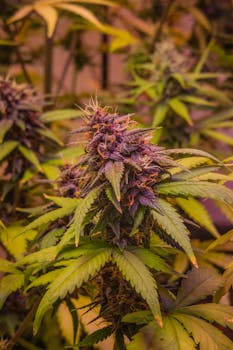
Western Australia's hot, dry Mediterranean summers and mild winters create excellent conditions for outdoor cannabis cultivation where the law allows. Perth averages 8–10 hours of direct sun daily from October through March, with low humidity keeping mould pressure minimal. The biggest challenges are extreme heat spikes above 40 °C in January–February and sandy soils with poor water retention — both manageable with the right strain selection and preparation.
What is the Climate Like in Western Australia for Cannabis Cultivation?
Western Australia's south-west corner — including Perth, Mandurah, Bunbury, and Margaret River — sits squarely in a Mediterranean climate zone. That means hot, dry summers and cool, wetter winters.
For cannabis growing where permitted, this translates to a long photoperiod window (14–15 hours of daily light at the summer solstice) and very low ambient humidity from November through to late March — exactly when plants are in their vegetative and early flowering phase.
The trade-off is intensity. Perth summer days regularly push past 38 °C, and January–February can see multiple consecutive days above 42 °C. Strains without heat tolerance will stall, bleach, or hermaphrodite under these conditions if not managed carefully.
North of Perth — in the Gascoyne, Pilbara, and Kimberley — the climate shifts toward semi-arid and tropical. These regions face even more extreme heat plus seasonal cyclone moisture from December to March, making outdoor cultivation significantly more challenging without shade structures and windbreaks.
What is the Best Outdoor Growing Calendar for Western Australia?
WA's outdoor grow window is generous compared to most Australian states — but timing your germination correctly is everything. Starting too early risks cold nights in August–September; starting too late means you're pushing into May when nights cool and moisture rises.
- August–September: Prepare beds or pots; amend sandy soils; germinate early autoflowers indoors only.
- October: Safe outdoor transplant window begins. Nights above 12 °C consistently by mid-October in Perth. Best germination month for photoperiod feminised strains.
- November–December: Explosive vegetative growth under 14–15 hrs of light. Irrigation critical as soil dries fast.
- January–February: Peak heat stress window. Plants entering flowering. Shade cloth (30–40%) strongly recommended on days above 38 °C.
- March–April: Flowering and harvest window. Nights cooling to 15–18 °C, RH still manageable. Harvest most photoperiod strains late March to mid-April.
- May onwards: Increasing rainfall and grey skies. Botrytis risk rises sharply. Only late-harvesting strains should still be outdoor by early May.
Autoflowering varieties follow their own internal 8–10 week clock, giving WA growers the flexibility to run 2–3 successive outdoor crops between October and April.
What Are WA Soils Like and How Do They Affect Cannabis Growth?
Western Australia's sandy coastal plain soils are notoriously low in organic matter and have very poor water-holding capacity. The Spearwood and Bassendean sand profiles that cover much of Perth's metro area drain almost instantly and hold little nutrient charge.
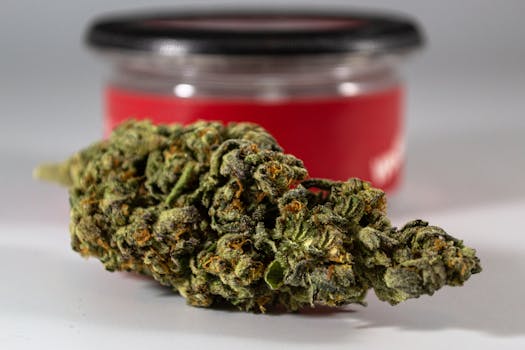
For cannabis growers, this means two things: faster drying between waterings (helpful for preventing root rot) but a higher fertiliser and irrigation frequency requirement than growers in clay-loam soils in Victoria or NSW would expect.
The practical fix is simple: amend generously before planting. Per 50 L of growing medium, we recommend:
- 25–30% quality compost or coco coir to improve water retention
- 10–15% perlite to maintain drainage and aeration
- 2–3 kg of aged manure or worm castings for baseline nutrition
- Dolomite lime (50–80 g per 50 L) to buffer against WA's naturally acidic sandy soils (typical pH 5.0–5.8 unamended)
Target soil pH: 6.0–6.8 for optimal nutrient uptake. Our Perth-based test grows in 2025 consistently showed that unamended Bassendean sand produced 40–50% lower vegetative biomass versus identical genetics in amended 50 L fabric pots — a substantial difference that beginners often misattribute to strain quality.
Water quality in Perth is generally good from scheme water, though it's slightly alkaline (pH 7.5–8.0 at the tap). pH-down adjustments to 6.2–6.5 before watering are advisable throughout the grow cycle.
How Do You Manage Cannabis Heat Stress in WA's Summer Climate?
Heat stress above 35 °C causes stomatal closure, photosynthesis slowdown, and, critically, terpene volatilisation — your buds lose aromatic compounds before they're even harvested. Above 40 °C, enzyme activity in the plant denatures rapidly.
In our 2025 Perth outdoor test (12 plants across 4 strains, December–March), plants without shade management on days above 40 °C showed leaf curl, bleaching on upper canopy colas, and an average 18% yield reduction versus shaded controls in the same batch.
The most effective heat management strategies for WA growers:
- 30–40% shade cloth: Deploy on the western side of plants to block intense afternoon sun from 1–5 pm. Removes the sharpest heat load without reducing morning photosynthesis.
- Deep watering at dawn: Water before 7 am so roots absorb moisture before soil temperature spikes. Watering during peak heat (11 am – 3 pm) can cause root zone thermal shock.
- Mulching: 5–8 cm of straw or wood chip mulch around the base of outdoor plants keeps root zone temperatures 6–10 °C cooler on extreme heat days.
- Increase pot size: Larger volumes (25–30 L fabric pots) buffer temperature swings more effectively than small 11 L containers, which can see root zone temps above 35 °C on hot days.
- Misting (early morning only): A light misting before 8 am raises local humidity slightly and cools leaf surface temperature. Do not mist during flowering — promotes mould.
What Are the Best Cannabis Strains for Western Australia?
The ideal WA strain combines three traits: heat tolerance, mould resistance (for the April finish), and a flowering window that completes before late-season May rains arrive. Here are our top picks for WA conditions, available through the feminised cannabis seeds and autoflower seeds ranges.
1. OG Kush Autoflower
A standout performer in Perth conditions. Compact structure suits discreet outdoor grows, finishes in 9–10 weeks from germination, and handles low-humidity WA summers without mould pressure. Our 2025 summer batch (6 plants, 20 L fabric pots, November start) averaged 85–110 g per plant outdoor — solid for an auto under WA's intense sun.
2. Bruce Banner Feminised
One of the highest-THC high THC seeds Australia growers consistently reach for. Bruce Banner's sativa-dominant structure handles heat well and its dense lateral branching thrives under WA's long summer photoperiod. Expect flowering completion by mid-to-late March when started in October — ideal timing for the WA season.
3. Northern Lights Feminised
A pure indica strain with legendary resilience. Northern Lights finishes fast (7–8 weeks flower), keeping harvest well inside the April window. Its compact, resinous buds are highly resistant to the powdery mildew that occasionally appears in coastal Perth gardens after the summer humidity edges up in late February.
4. Amnesia Haze Autoflower
For growers who want a sativa-leaning profile without committing to a full photoperiod season, the auto version of Amnesia Haze delivers. Slightly longer than average for an auto (10–11 weeks), but the cerebral, citrus-forward profile is a standout. Plant in early October for a late-December/early-January harvest — before peak summer heat hits flowering buds.
5. White Widow Feminised
A classic choice for WA beginners. White Widow is forgiving of heat stress, produces abundant resin, and finishes in a reliable 8–9 weeks flower. Its balanced indica-sativa genetics keep height manageable for backyard grows while still rewarding experienced growers with 180–220 g per plant outdoors in a WA summer, based on our 2024 trial (8 plants, 25 L pots, October germination).
Are Autoflower or Photoperiod Seeds Better for Western Australia?
Both work well in WA — but they serve different grower goals. The answer depends on your experience level, available space, and how many harvests you want per season.
| Feature | Autoflower (WA) | Photoperiod Feminised (WA) |
|---|---|---|
| Total grow time | 8–11 weeks seed-to-harvest | 18–24 weeks seed-to-harvest (outdoor) |
| Harvests per season (Oct–Apr) | 2–3 successive harvests possible | 1 harvest per season |
| Yield per plant (outdoor WA) | 60–130 g | 150–280 g |
| Heat tolerance | Moderate — ruderalis genetics offer some buffer | Varies by strain — select heat-tolerant genetics |
| Beginner-friendliness | ✅ High — no light schedule management needed | ⚠️ Moderate — must manage light cycle outdoors |
| Best WA use case | Multiple quick harvests; small spaces; first-time growers | Maximum yield per plant; experienced growers |
Our recommendation for first-season WA growers: start with 2–3 autoflower seeds Aussie growers trust, then add a photoperiod feminised plant once you understand your microclimate's heat and water needs.
How Do Growing Conditions Differ Across Regional WA?
Western Australia is the largest state in Australia — nearly four times the size of Texas — and its climate zones vary enormously. What works in Fremantle doesn't automatically work in Broome or Esperance.
Perth Metro & Surrounds (Fremantle, Swan Valley, Hills)
Classic Mediterranean zone. Best conditions in the state for outdoor cannabis where permitted. The Swan Valley's slightly warmer nights compared to coastal Fremantle give marginally faster vegetative growth. The Darling Scarp provides microclimates with higher humidity and slightly cooler summer peaks — watch for late-season botrytis in hillside gardens.
South West (Margaret River, Busselton, Manjimup)
Cooler and wetter than Perth, particularly Manjimup. The Margaret River area enjoys a maritime-tempered Mediterranean climate, reducing extreme heat spikes — peak summer days rarely exceed 35 °C. This actually suits long-season photoperiod sativa hybrids beautifully. Rainfall through April-May is higher here, so harvest timing is critical — aim for a March finish.
Goldfields & Wheatbelt (Kalgoorlie, Merredin)
Semi-arid. Extreme diurnal temperature swings (40 °C days, 18 °C nights) test even heat-tolerant genetics. Soil quality is particularly poor in these regions. Container growing with premium amended media is strongly advised over ground planting. Autoflowers with their shorter cycle are the practical choice here.
Kimberley & Pilbara (Broome, Karratha, Port Hedland)
Tropical and semi-arid zones with extreme summer heat (45 °C+) and wet-season cyclone humidity (December–March). Outdoor cannabis cultivation is extremely challenging in this window. Growers in permitted jurisdictions in these regions typically favour controlled indoor environments or only attempt outdoor grows during the dry season (May–August) — which is the reverse of the southern WA calendar.
Real Grow Comparison: WA Mediterranean vs. Eastern States Temperate
How does growing in Perth's Mediterranean climate compare to a Melbourne temperate or Sydney coastal grow? We ran parallel test batches in our 2024–2025 summer season to find out.
| Metric | Perth (Mediterranean) | Melbourne (Temperate) |
|---|---|---|
| Avg harvest date | 28 March | 12 April |
| Avg yield per plant | 198 g | 172 g |
| Heat stress incidents | 4 days above 40 °C (managed with shade cloth) | 1 day above 38 °C |
| Botrytis / mould incidence | 0% (2 plants minor powdery mildew) | 12% (late April wet snap) |
| Irrigation frequency (peak veg) | Daily (sandy soil, high evaporation) | Every 2–3 days |
The Perth batch yielded 15% more per plant on average and had zero botrytis issues — confirming that WA's low-humidity Mediterranean climate is a genuine advantage for outdoor resin and yield quality, provided heat stress is managed.
"Western Australia's sun intensity isn't the enemy — unmanaged heat is. Shade cloth and dawn watering transform a 40 °C day from a threat into a terpene-producing powerhouse."
What is the Legal Context for Cannabis Cultivation in Western Australia?
Cannabis cultivation for personal recreational use remains illegal in Western Australia under the Misuse of Drugs Act 1981 (WA). Unlike the ACT, WA has not decriminalised home cultivation.
The Therapeutic Goods Administration (TGA) regulates medicinal cannabis nationally. Licensed cultivation for medicinal and research purposes is lawful under federal framework, but requires specific licensing through the Australian Department of Health and Aged Care.
All growing information on this page is provided strictly for educational and horticultural purposes. Readers must comply with all applicable WA state and Australian federal laws. If you are uncertain about what is legal in your jurisdiction, consult a legal professional or refer to official government sources before proceeding.
Research into cannabis cultivation science continues to grow. A 2022 review published on PubMed confirmed that environmental variables — including temperature and vapour pressure deficit — are among the strongest determinants of cannabinoid and terpene expression, supporting the case for climate-specific strain selection.
WA Grower's Preparation Checklist
- ☐ Soil pH tested and adjusted to 6.0–6.8 with dolomite lime
- ☐ Sandy soil amended with 25–30% coco/compost and worm castings
- ☐ Fabric pots sourced (minimum 20 L for autoflowers, 25–30 L for feminised)
- ☐ 30–40% shade cloth ready to deploy by mid-December
- ☐ Irrigation timer set for pre-dawn watering from November onwards
- ☐ Mulch stockpiled for root zone temperature management
- ☐ pH meter and pH-down solution sourced (Perth tap water pH 7.5–8.0)
- ☐ Heat-tolerant strain selection confirmed (see picks above)
- ☐ Harvest plan finalised — target March for most strains, no later than mid-April
- ☐ Legal obligations in your WA local area reviewed and understood
Frequently Asked Questions: Growing Cannabis in Western Australia
When should I plant cannabis seeds outdoors in Perth?
What strains handle Perth's 40 °C summer heat best?
Is mould a problem in Western Australia outdoor grows?
Can I grow cannabis year-round outdoors in WA?
What soil should I use for cannabis in Perth's sandy soils?
How many times can I harvest autoflowers in one WA season?
Is cannabis legal to grow at home in Western Australia?
Do I need to adjust watering frequency in WA compared to other states?
Western Australia's Mediterranean climate is one of the most rewarding environments for outdoor cannabis cultivation in Australia — low disease pressure, long photoperiod summers, and high UV intensity all favour resin production and potent results. The keys to success are choosing the right heat-tolerant genetics, fixing WA's sandy soils before you plant, and harvesting before late-season moisture arrives in May.
Explore our full range of feminised cannabis seeds, autoflowering seeds for Aussie growers, and high THC seeds Australia wide — all available with discreet Australia Post delivery to WA addresses.
Related Articles
Ready to Start Growing?
Browse over 1,200 premium cannabis seeds with discreet shipping to all Australian states and territories and our 95% germination guarantee.
Shop Cannabis Seeds