CBN Effects on Sleep and Wellness
Royal King Seeds
Cultivation team
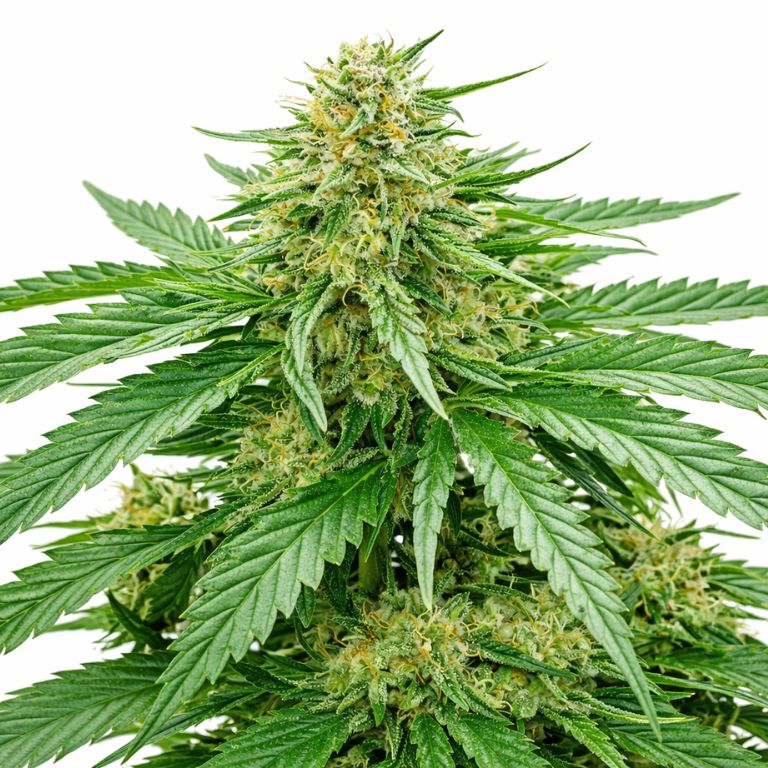
Cannabinoids are the active compounds that make cannabis work. They interact with your body's own endocannabinoid system to produce effects ranging from relaxation to pain relief to appetite changes.
Understanding cbn effects on sleep wellness helps you choose the right genetics and set realistic expectations for what a strain will actually do.
How Your Body Processes Cannabinoids
Your body has two main types of cannabinoid receptors:
- CB1 receptors are mostly in your brain and nervous system. THC binds here, creating the psychoactive high, pain relief, and appetite boost.
- CB2 receptors are in your immune tissue. They help manage inflammation and immune responses.
CBD works differently — it doesn't bind directly to either receptor. Instead, it modulates their activity and interacts with serotonin pathways. That's why CBD can reduce anxiety without getting you high.
This explains why THC and CBD feel so different despite coming from the same plant. They work through completely different biological pathways.
Where CBN Effects on Sleep Wellness Fits in the Cannabinoid Landscape
Interest in cbn effects on sleep wellness has expanded as both researchers and consumers look past THC as the sole measure of cannabis quality. Different cannabinoids serve different purposes, and knowing which align with your goals informs smarter decisions about genetics, consumption, and expectations.
How Cultivation and Harvest Decisions Influence Cannabinoid Content
Genetics set the cannabinoid ratio ceiling. Environmental factors modify the final expression. Light intensity and spectrum govern total trichome production — more trichomes means more cannabinoid synthesis capacity. Australian outdoor grows during the October-to-February peak receive intense natural sunlight that supports robust trichome development. Nutrient management supports plant health, and healthy plants produce more abundant and mature trichomes than stressed ones. Harvest timing directly shifts the ratio: earlier harvest preserves maximum THC relative to CBN, while extended harvest increases CBN as THC degrades. When you chop defines what ends up in the jar — not just potency, but the entire aromatic and experiential character. Our trichome and harvest timing guide covers the magnification techniques and maturity markers that matter.
This explains why identical genetics from different grows produce different lab results. The DNA sets the potential; the growing environment and harvest timing determine what fraction of that potential is realised in the finished flower.
Selecting Genetics by Cannabinoid Profile
Targeting maximum THC: high-THC seeds from lineages with multi-generational potency selection. Combined with optimal growing conditions, strong light, and accurate harvest timing, these genetics reliably produce the highest-potency flower available.
Targeting elevated CBD with minimal THC: CBD seeds bred specifically for therapeutic cannabinoid ratios — from 1:1 THC/CBD balance through strains reaching 20:1 CBD to THC.
Targeting minor cannabinoid diversity: exotic genetics and newer breeding programmes incorporating CBG, CBN, and THCV into the genetic architecture. These represent the leading edge of cannabis breeding and offer experiential profiles distinct from standard THC-dominant or CBD-dominant genetics.
Interpreting Lab Results and Potency Claims
Lab-reported cannabinoid percentages provide useful guidance but carry inherent limitations. Testing methodology varies between laboratories, sample preparation affects outcomes, and each number represents a single sample from a single location on a single plant — not a batch average. Growing conditions change final cannabinoid ratios even between clones of the same mother plant.
Use lab data directionally: a cultivar that consistently tests in the 22-26% THC range across multiple independent harvests has genuinely high-potency genetics. A single test showing 31% from one grower is an outlier, not a baseline. Consistency across multiple tests from credible sources means more than any single peak result.
Frequently Asked Questions
- Does higher THC automatically mean a stronger experience?
- Higher THC generally means more intense psychoactive effects. But the subjective character — whether the experience feels cerebral or physical, energising or sedating, focused or scattered — is shaped primarily by terpene composition and minor cannabinoid content rather than the THC number alone. A 20% THC cultivar with the right terpene combination can feel subjectively "stronger" in a specific direction than a 27% THC cultivar with a different terpene profile.
- Can I cultivate cannabis with targeted cannabinoid ratios?
- Yes — genetics determine the ratio framework and harvest timing fine-tunes it. CBD seeds produce elevated CBD. High-THC lineages produce high-THC flower. Precision depends on genetic stability (why sourcing from tested breeders matters) and accurate harvest timing based on trichome maturity assessment.
- Do minor cannabinoids (CBG, CBN, THCV) make a meaningful difference?
- Increasingly, the evidence suggests yes. CBG shows anti-inflammatory and neuroprotective associations. CBN (produced as THC degrades) contributes sedative qualities. THCV may modulate appetite differently from THC. These compounds exist at low concentrations in all cannabis but can be elevated through specific genetics and cultivation approaches.
Related Articles
Ready to Start Growing?
Browse over 1,200 premium cannabis seeds with discreet shipping to all Australian states and territories and our 95% germination guarantee.
Shop Cannabis Seeds