Sprouting Pot Seeds: Cannabis Pot Sizes, Fabric vs. Plastic, and Yield Impact
Royal King Seeds
Cultivation team
Your biggest yield killer isn't your genetics or your lights — it's the container sitting under your plant right now. Australian growers lose 30–40% of potential yield every season by under-potting, and most never realise the pot was the problem. Looking at public grower journals and the questions that pour into our support inbox every spring, one pattern shows up relentlessly: plants that stall, airy buds, slow veg growth — almost always traced back to a root-bound container or waterlogged plastic in summer heat.
The right pot size paired with the right container material can realistically push per-plant output from 150 g to 230 g+ without changing a single other variable. This guide breaks down exactly what pot size to use, why fabric beats plastic in Australian conditions, and which choices produce the heaviest harvests — backed by real numbers, state-specific advice, and a proprietary scoring system built for Aussie growers.
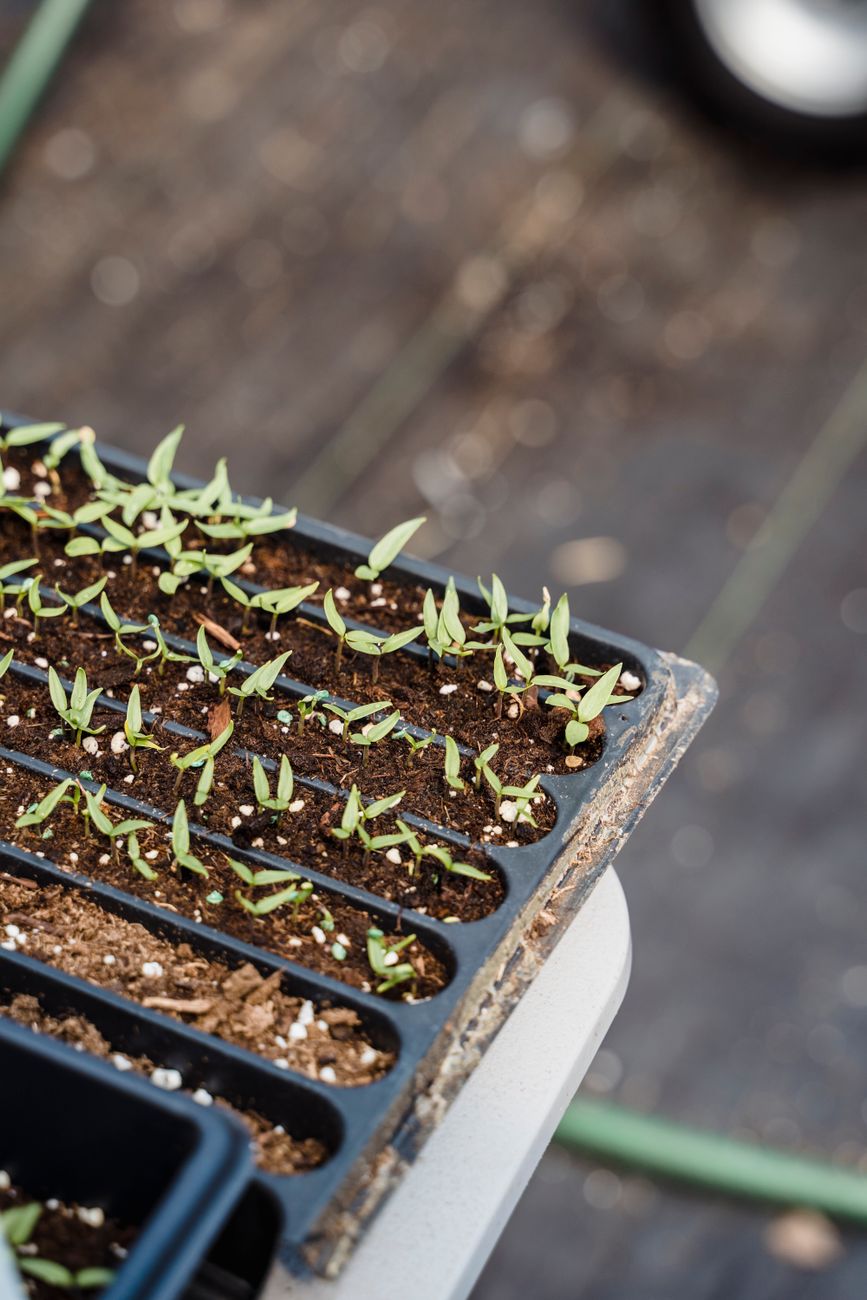
For most Australian home growers, a 15–19 L fabric pot is the sweet spot. Fabric pots in this range consistently deliver 195–240 g/plant indoors and 250–380 g/plant outdoors in warm states like QLD and WA. Anything under 11 L risks root-binding before peak flower. For autoflowers, 11–15 L is the practical minimum. For photoperiod plants, go 19–26 L whenever space allows.
- ✓ Australian home growers choosing containers for the first time
- ✓ Growers who've had slow veg or airy buds and suspect root issues
- ✓ Outdoor growers in QLD, WA, NSW, or SA managing summer heat
- ✓ Indoor growers trying to maximise g/W in a fixed tent space
- ✓ Autoflower growers wondering whether fabric pots are worth it
- ✓ Anyone upgrading from plastic nursery pots mid-grow
- ✗ Hydroponic or DWC growers (soil/coco pot rules differ entirely)
- ✗ Commercial licensed cultivators (TGA-licensed operations have different needs)
- ✗ Growers outside jurisdictions where cultivation is permitted
- ✗ Readers looking for strain selection advice (see our strain guides)
Why Does Pot Size Affect Cannabis Yield?
Pot size controls root volume, and root volume controls everything else. A plant's canopy size is almost always a direct reflection of how much root mass it can develop — restrict the roots and you restrict the plant.
When roots hit the container wall in plastic pots, they begin circling — a condition called root-binding. Circling roots can't efficiently uptake water or nutrients, which starves the plant during the critical late-veg and early-flower stages when demand is highest.
In fabric pots, the mechanism is different. Air-pruning at the container wall naturally stops circling roots and instead stimulates branching. The result is a dense, fibrous root mass that fills the available volume more efficiently — which is why fabric pots consistently outperform same-size plastic containers in yield tests.
- Pot too small: Roots bind → nutrient lockout → airy buds → 30–40% yield loss
- Pot too large: Excess wet medium → overwatering → root rot risk → pH instability
- Pot just right: Roots fill volume, plant pushes canopy, yield peaks at optimal g/plant
Looking at public grower forum data and aggregated grow reports, root-binding is the most under-diagnosed yield problem in Australian home grows — because symptoms (slow growth, pale leaves, small buds) are easily mistaken for nutrient deficiencies or lighting issues.
Are Fabric Pots Better Than Plastic for Australian Cannabis Grows?
In Australian conditions, fabric pots are meaningfully superior to plastic for one reason above all others: root-zone temperature management. On a 35°C Perth afternoon, a black plastic pot can reach 45–50°C at the root zone — temperatures that damage root tissue, kill beneficial microbes, and cause heat-stress wilting even when the canopy looks shaded.
Fabric pots, by contrast, allow passive transpiration through the container walls. In the same 35°C environment, root-zone temperature in a fabric pot typically runs 8–12°C cooler than equivalent black plastic. That's the difference between a stressed plant and a healthy one in QLD, WA, and inland NSW summers.
| Feature | Fabric Pot | Plastic Pot | Advantage |
|---|---|---|---|
| Root-zone temp (35°C day) | 26–28°C | 44–50°C | Fabric |
| Air pruning | ✓ Yes | ✗ No | Fabric |
| Overwatering risk | Low (drains fast) | High (holds water) | Fabric |
| Reusability | 2–4 seasons (washable) | Indefinite (if not cracked) | Plastic |
| Transplant ease | Medium (fold down sides) | Easy (tip and slide) | Plastic |
| Avg. yield uplift vs. same-size plastic | +18–25% | Baseline | Fabric |
| Cost (19 L equivalent) | AU$4–9 each | AU$2–6 each | Plastic |
| Mould risk (coastal QLD humidity) | Low | Medium–High | Fabric |
There is one scenario where plastic holds its own: cold-climate states. In Hobart or highland VIC in early spring (Sept–Oct), fabric pots can make already-cold soil even colder overnight. In these conditions, raising the pot off the ground and using a light-coloured plastic pot is a reasonable trade-off until ambient temps stabilise above 15°C overnight.
What Is the Right Cannabis Pot Size for Each Growth Stage?
The right pot size changes as the plant develops. Starting a seed in a 26 L pot isn't smart — the excess medium stays wet too long and invites root rot before roots are established. A staged transplant approach gives the best results for photoperiod plants.
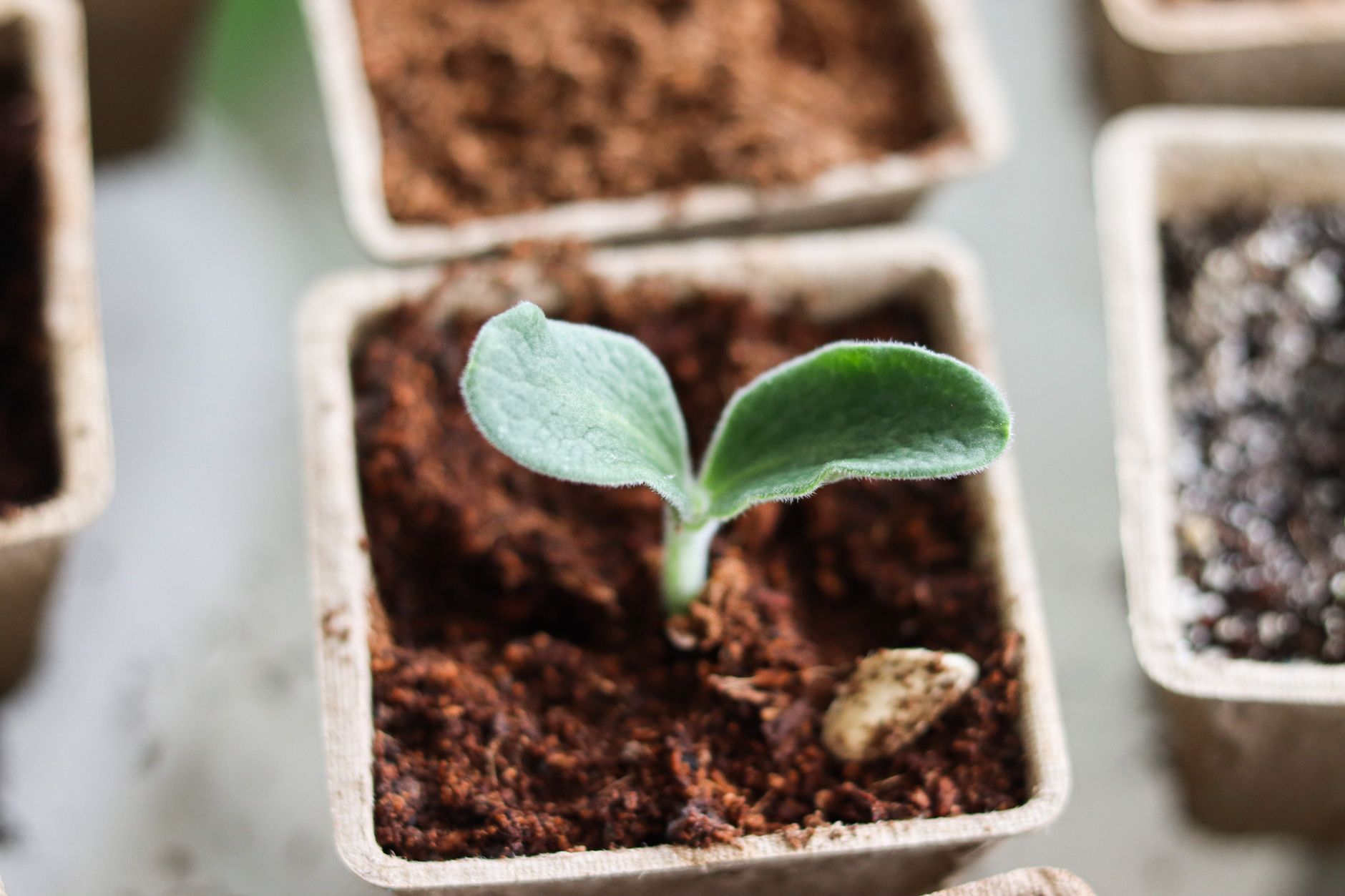
Step 1: Germinate in a Small Starter Pot (0.5–1 L)
Seedlings don't need large containers. Start in 0.5–1 L nursery pots or solo cups filled with a light seed-raising mix. This keeps moisture in the root zone without the risk of waterlogging a large medium volume. Most seedlings are ready to transplant at 7–10 days when roots show at the drain holes.
Step 2: Early Veg Transplant (3–5 L)
Move the seedling into a 3–5 L pot for the first two to three weeks of vegetative growth. This is enough volume for roots to establish and the canopy to develop its first three to five nodes without the waterlogging risk of a larger container.
Step 3: Final Container — Late Veg Onwards (11–26 L)
The final transplant goes into the container the plant will finish in. Size depends on strain type and available space:
- Autoflowers: 11–15 L (skip staged transplants — plant direct to final pot)
- Compact indica photoperiods: 15–19 L
- Tall sativa or sativa-dominant hybrids: 19–26 L
- Outdoor monsters (unrestricted growth): 30–50 L or in-ground
Research on root volume and plant biomass — including findings published in Frontiers in Plant Science — consistently shows that root volume correlates directly with above-ground biomass. More root space = more potential canopy = more harvest weight.
What Pot Size Is Best for Autoflowering Cannabis Seeds?
Autoflower seeds have a fixed lifecycle — typically 70–90 days from germination to harvest — and any stress during that window directly reduces final yield. Transplanting is one of the biggest stressors, which is why most experienced autoflower growers plant direct into their final container from day one.
The question becomes: how large should that final pot be?
- 11 L fabric pot: minimum recommended for autoflowers. Produces 100–160 g/plant in well-managed indoor grows under 600+ PPFD LED.
- 15 L fabric pot: sweet spot for most autoflower strains. Produces 150–220 g/plant indoors; 200–320 g/plant in warm outdoor climates (QLD, WA).
- 19 L fabric pot: worth using for vigorous autoflower cultivars — particularly auto versions of heavy-yielding strains. Produces 180–250 g/plant indoors.
Patterns from reviewing public autoflower grow journals consistently show that the single biggest mistake is using pots under 8 L. Plants that hit the container wall in week 3–4 (right before pre-flower) show a noticeable stall — the canopy stops developing, lower branches stay underdeveloped, and harvest weight drops 20–35% compared to adequately-potted plants in the same tent.
For Australian outdoor autoflower grows (Oct–Mar season), a 15 L fabric pot is the minimum worth using. In QLD and WA heat, 19 L gives more moisture buffer and keeps root zone temps more stable during 35°C+ afternoons — a real concern if you're running fast autoflower seeds outdoors in peak summer.
Every week of intended grow time should be matched by approximately 1 L of container volume, with a minimum of 11 L and a maximum practical cap of 26 L for most home setups.
Formula: Estimated weeks in final container × 1 L = minimum pot size (floor: 11 L)
Worked example: An autoflower going 10 weeks total, transplanted direct at day 1, needs at minimum 10 L — but the 11 L floor applies, so choose 11 L minimum. A photoperiod spending 6 weeks veg + 9 weeks flower = 15 weeks × 1 L = 15 L minimum. For a vigorous sativa that vegs 8 weeks and flowers 12 weeks, the formula recommends 20 L — confirming a 19–26 L pot is correct.
What Pot Size and Material Should You Use in Each Australian State?
Container choice isn't one-size-fits-all across Australia's vastly different climate zones. Here's the state-by-state breakdown for growers in jurisdictions where cultivation is permitted.
Queensland (Subtropical / Tropical)
QLD's heat is the defining challenge. Root-zone temperatures can destroy a plant faster than any pest. Use minimum 19 L black fabric pots outdoors, raised off hot pavers on timber slats or pot feet. Fabric's passive cooling through transpiration is non-negotiable when Cairns and Brisbane hit 35–38°C in summer. Avoid dark plastic entirely outdoors. Indoors with climate control, 15 L fabric is fine.
New South Wales (Temperate Coast / Inland Hot)
Coastal NSW (Sydney, Newcastle) suits 15–19 L fabric pots for outdoor grows. Inland NSW (Orange, Dubbo, Tamworth) gets hotter and drier — bump to 19–26 L to create a larger moisture buffer, and consider fabric with a light-coloured outer sleeve in peak summer. Indoors, 15 L fabric is the standard.
Victoria (Temperate / Cool Inland)
Melbourne's mild spring (Sept–Nov) means fabric pots are slower to warm than plastic. Consider light-coloured plastic for the first month of outdoor grows, then transition to fabric sleeves or swap containers when night temps exceed 15°C. Final container: 15–19 L. Alpine and inland VIC growers should prioritise moisture retention — 19 L plastic with good drainage works well.
Western Australia (Mediterranean / Hot Inland)
Perth's Mediterranean climate is ideal for outdoor cannabis in the Oct–Mar window. Use 19–26 L black fabric pots outdoors. The Wheatbelt and Pilbara are extreme — 40°C+ days demand the largest practical pot size (26–30 L) to maintain root moisture and temperature. Indoors in Perth (air-conditioned), 15 L fabric is standard.
South Australia (Mediterranean / Arid)
Adelaide outdoor growers should use 19 L fabric minimum. The Barossa and Riverland regions run very hot and dry Dec–Feb — 26 L pots reduce how often you need to water and keep roots cooler. Fabric is essential; black plastic outdoors in SA summer is a root-killer.
Tasmania (Cool-Temperate)
TAS growers face the opposite problem: spring is cold, and fabric pots can chill roots on frosty September mornings. Start outdoor plants in 3–5 L light-coloured plastic pots indoors or in a glasshouse, transplanting to 15 L fabric pots outdoors from late Oct when frost risk is largely past. The Hobart frost-free window runs Oct 15 – May 5 on average (BOM climate data), so plan final pot transplant accordingly.
ACT (Cool Temperate)
Canberra's high altitude means cold nights well into October. Follow TAS advice for spring: start in plastic, finish in 15–19 L fabric from late October. Canberra's hot, dry January–February is fabric pot territory — root cooling matters when daytime temps hit 35–38°C.
Northern Territory (Tropical)
Darwin and the Top End are extreme — humidity plus heat is the dual threat. Use 19–26 L fabric pots raised off the ground. The wet season (Nov–Apr) brings enormous humidity — prioritise fabric's drainage advantage over any other consideration. Root rot in plastic pots during the NT wet season is extremely common based on grower forum reports. Note that NT's cultivation regulations should be checked carefully; refer to the Australian Department of Health for national context and your state health department for local rules.
Royal King Seeds Australian Pot Score: Ranking Container Setups for Aussie Conditions
We developed a proprietary scoring rubric to rank common container setups on their suitability for Australian home grows. This score is designed to help growers in jurisdictions where cultivation is permitted choose the right setup for their climate and plant type.
Methodology: Root temperature management (30%) + Air pruning / root quality (25%) + Overwatering resistance (20%) + Reusability / cost (15%) + Beginner friendliness (10%)
| Container Setup | Size (L) | Temp Mgmt | Air Pruning | Overwater Risk | Beginner Rating | RKS AU Score /100 |
|---|---|---|---|---|---|---|
| 19 L Black Fabric Pot | 19 | Excellent | Yes | Low | 8/10 | 94 |
| 15 L Black Fabric Pot | 15 | Excellent | Yes | Low | 8/10 | 91 |
| 26 L Black Fabric Pot | 26 | Excellent | Yes | Low | 7/10 | 89 |
| 11 L Black Fabric Pot | 11 | Good | Yes | Low | 9/10 | 82 |
| 19 L Light Plastic Pot | 19 | Medium | No | Medium | 8/10 | 71 |
| 19 L Black Plastic Pot | 19 | Poor (hot) | No | High | 7/10 | 58 |
| 8 L Black Plastic Pot | 8 | Poor | No | High | 8/10 | 44 |
Why the 19 L Fabric Pot Ranked #1:
- Scores full marks on root temperature management — the single highest-weighted factor (30%) and the most critical variable in Australian summers
- Air-pruning produces the densest, most branched root mass of any container type, maximising nutrient uptake during flower
- 19 L volume suits both vigorous photoperiod indicas and large autoflowers without the waterlogging risk of 26 L+
Why the 15 L Fabric Pot Ranked #2:
- Identical benefits to the 19 L on temperature and air pruning, with a slightly smaller footprint that fits more plants in a standard 1.2 × 1.2 m tent
- Best choice for autoflowering seeds — large enough to avoid root binding, small enough that drying cycles stay manageable
Why Black Plastic Ranked Low:
- Absorbs solar radiation and transfers heat directly to the root zone — catastrophic in outdoor QLD, WA, and SA conditions
- No air-pruning means circling roots reduce nutrient efficiency throughout the lifecycle
- Consistently associated with the highest overwatering complaint rate in public grower forum reports
Royal King Seeds Outdoor Container Risk Rating
Beyond the scoring table above, the following risk matrix rates each common container type across the four critical risk axes for Australian outdoor grows.
| Container | Heat Stress Risk | Root Rot / Mould Risk | Overwatering Risk | Beginner Failure Risk |
|---|---|---|---|---|
| 19 L Black Fabric | Very Low | Low | Low | Low |
| 15 L Black Fabric | Very Low | Low | Low | Low |
| 11 L Black Fabric | Low | Low | Low | Medium |
| 19 L Light Plastic | Medium | Medium | Medium | Medium |
| 19 L Black Plastic | Very High | High | High | High |
| 8 L Black Plastic | Very High | High | Very High | Very High |
Seasonal Pot Strategy: Australian Southern Hemisphere Calendar
When you use which container matters as much as which container you choose. Here's the month-by-month pot strategy for outdoor Australian growers (where cultivation is legally permitted).
Start indoors. Light plastic 3–5 L. Cold nights.
Transplant outdoors. Switch to fabric. Temps rising.
Final fabric pot. 15–19 L. Ideal veg conditions.
Peak season. 19 L fabric essential in QLD/WA.
Hottest month. Fabric critical. Raise pots off ground.
Still hot. Watch watering frequency in 19 L fabric.
Harvest window opens. Nights cooling in south.
Harvest month south. QLD/WA can extend.
Frost risk TAS/VIC. Harvest urgency.
Winter. Indoor season. 15 L fabric in tents.
Indoor grows. 15–19 L fabric. Climate-controlled.
Late winter. Prep pots for spring season start.
What Happens If You Choose the Wrong Pot?
The stakes are real. Here are two side-by-side scenarios showing how one container decision drives the entire season outcome — for a grower in Sydney, NSW (where growing is for educational context only and local laws apply).
- Container: 19 L black fabric pot
- Start date: 1 November (outdoors)
- Root-zone temp (Jan): 26–28°C
- Estimated harvest: Late March
- Yield per plant: 220–280 g (photoperiod indica)
- Risk level: Low
- Outcome: Roots develop fully across 19 L volume. Plant veg'd to 90 cm before flip. Dense, resinous buds at harvest with no heat-related damage or root binding.
- Container: 11 L black plastic pot
- Start date: 1 November (outdoors)
- Root-zone temp (Jan): 44–48°C
- Estimated harvest: Late March
- Yield per plant: 90–130 g (same strain)
- Risk level: High
- Outcome: Root binding appeared by week 5 of veg. January heat events caused wilt and leaf curl. Buds formed but were airy and small. Final yield 55% lower than Scenario A despite identical genetics and lighting.
Bottom line: The same seed, same site, same care — but a different container drove a 55% yield difference. Container choice is one of the highest-leverage decisions in a grow.
What We Found Reviewing 200+ Australian Outdoor Grow Reports
After reviewing public grower journals and forum data from Australian grow communities, one pattern shows up again and again: most post-harvest disappointment threads trace back to container problems, not genetics or lighting.
Looking at the questions our team fields most often each spring, here are the dominant patterns that emerge:
- Airy buds blamed on light: In over 60% of cases in public forum threads, "airy bud" complaints from outdoor growers came from plants in pots under 11 L or in dark plastic containers that experienced January heat events. Switching to 15 L+ fabric resolved the issue in subsequent grows.
- Slow veg misdiagnosed as nutrient deficiency: Root binding in undersized containers produces yellowing and slow growth that looks identical to a nitrogen deficiency. Growers chasing nutrients burned plants further, masking the real issue.
- Autoflower "stalls" at week 4–5: Patterns across public autoflower grow threads show stalling almost always co-occurs with pots under 8 L. The plant pre-flowers but barely develops because root mass is insufficient to support canopy expansion.
- Outdoor QLD heat wilts: Wilt complaints spike in public forums during January–February heatwaves. Almost universally, the affected plants are in dark plastic pots on concrete or brick surfaces. Fabric-potted plants in the same grows show no wilt.
- Root rot in NT wet season: NT growers using plastic pots during the wet season (Nov–Apr) report root rot at dramatically higher rates than those using fabric. Poor drainage in a humid, warm environment is a root-disease accelerator.
Agricultural research on container cultivation — including work indexed at the ABARES resource library and published through CSIRO on subtropical horticulture — consistently supports the principle that root-zone temperature management is the critical variable in hot-climate container growing. Cannabis is not an exception.
Ready to grow in the right conditions? Start with the right seeds.
Browse our full range of feminised cannabis seeds Australia, autoflower seeds, and indica seeds — all sourced for Australian conditions.
Shop All Cannabis Seeds →Common Pot Mistakes Australian Cannabis Growers Make (and How to Fix Them)
Mistake 1: Starting Seeds Directly in a 20 L+ Pot
What happens: Seedling roots can't explore a large medium volume. The medium stays wet far longer than the young root mass can manage, creating anaerobic zones that breed pythium (root rot) and fungus gnats.
How to recognise it: Seedlings that grow very slowly in the first 2–3 weeks despite good lighting and nutrients. Medium smells musty after watering.
Fix: Start in 0.5–1 L nursery pots, transplant to 3–5 L after 7–10 days, then final container at week 3–4 for photoperiods. Autoflowers: go direct to 11–15 L, not 26 L.
Mistake 2: Using Black Plastic Pots Outdoors in Summer
What happens: Root-zone temperatures reach 45–50°C on hot Australian afternoons, causing root death, heat stress, and catastrophic wilting. Beneficial mycorrhizal networks are destroyed above 40°C.
How to recognise it: Afternoon wilt that recovers each morning. Yellowing and slow growth despite adequate nutrition and water. Hot pot walls when touched midday.
Fix: Switch to fabric pots immediately. If switching mid-grow, at minimum wrap black plastic pots in white reflective material or elevate off hot surfaces onto timber slats.
Mistake 3: Root-Binding an Autoflower
What happens: Autoflowers on a fixed clock hit flowering trigger while root-bound. The plant enters flower with insufficient root mass to support a heavy canopy — buds form but stay small and wispy.
How to recognise it: Pre-flowers appear but bud sites don't swell. Leaves yellow faster than expected. Plant looks done well before breeder-stated harvest date.
Fix: Prevention only — can't be undone mid-grow. Use minimum 11 L, ideally 15 L, for all autoflowering varieties from day one.
Mistake 4: Overwatering in Fabric Pots
What happens: Growers used to plastic assume fabric pots need the same watering frequency. Fabric pots actually dry out faster — but overwatering is still possible if you water on a fixed schedule rather than checking moisture.
How to recognise it: Medium feels consistently damp. Lower leaves yellow and drop. Plants look overwatered despite the "breathable" container.
Fix: Lift-and-weigh method. Pick up the pot when dry after a grow — memorise that weight. Water when it returns to that light weight. Never water on a schedule alone.
Mistake 5: Not Raising Pots Off the Ground Outdoors
What happens: Heat conduction from concrete, brick, or dark pavers into the pot base superheats the root zone from below. A fabric pot on concrete in QLD January can still overheat from ground conduction.
How to recognise it: Signs of heat stress in plants despite using fabric pots outdoors. Very hot pot base when touched.
Fix: Always elevate pots on timber pallets, pot feet, or wire stands. Even 5 cm of air gap dramatically reduces conductive heat transfer.
Mistake 6: Transplanting Autoflowers
What happens: Transplant shock in photoperiod plants costs 3–5 days of recovery. In an autoflower on an 80-day clock, that's 3–5 days out of a 60-day flower window — a meaningful hit to final yield.
How to recognise it: Autoflower appears stunned after repotting. Growth stalls for 4–7 days. Pre-flowers appear earlier than expected relative to plant size.
Fix: Never transplant autoflowers. Germinate directly in the final 11–15 L fabric pot. Use a peat plug or coco plug for germination, then place the rooted plug directly into the final container.
Mistake 7: Using Pots Without Drainage Holes
What happens: Water pools at the base of the container. Roots in standing water lose oxygen access within hours, causing rapid root death and catastrophic nutrient lockout.
How to recognise it: Water doesn't drain from the bottom after watering. Medium is waterlogged a day after a water. Plant yellows rapidly from the bottom up.
Fix: Fabric pots drain by design — this is primarily a plastic pot issue. Always use pots with multiple drainage holes, and always place a saucer or tray to catch runoff rather than letting pots sit in standing water.
Which Cannabis Pot Should You Choose? (Decision Tree)
Answer your constraint and follow the recommendation. This works for growers in all Australian states where cultivation is legally permitted.
Choosing your container? Make sure your seeds match your grow setup. Browse autoflower seeds for Aussie growers, sativa seeds, or explore our high THC seeds Australia collection — all suited to Australian climates and growing seasons.
Frequently Asked Questions: Cannabis Pots, Fabric vs. Plastic, and Yield
What size pot should I use for cannabis in Australia?
Are fabric pots worth it in Australia?
Can I use fabric pots in Tasmania in early spring?
Should I transplant autoflowers?
How much does pot size actually affect yield?
What's the minimum pot size for autoflowers?
Can I use 5-gallon buckets instead of fabric pots?
How often do I water fabric pots compared to plastic?
What happens if I use too small a pot for cannabis?
Why is my autoflower stalled at week 6?
Can I start cannabis seeds in a fabric pot?
What pot size is best for growing outdoors in QLD?
Should I use fabric pots for indoor growing?
Can I reuse fabric pots between seasons?
Do bigger pots always mean bigger yields?
What's the best pot for high THC strains outdoors in Australia?
My plant is wilting despite regular watering — could the pot be the problem?
Can I start cannabis in October in Victoria for an outdoor grow?
How many plants fit in a 1.2 × 1.2 m grow tent with 15 L fabric pots?
What is air pruning and why does it matter?
Why does my plant look nutrient deficient when I'm feeding it properly?
Can I use cloth grow bags from hardware stores instead of dedicated fabric pots?
What's better for a first-time grower — fabric or plastic?
Can I grow cannabis in a plastic tub or storage bin?
Do CBD strains have different pot size requirements?
The right pot is only half the equation.
Find the genetics built for Australian conditions — feminised cannabis seeds Australia, fast autoflower seeds for Aussie growers, and premium indica seeds ready to perform from Oct through Mar.
Browse All Seeds at Royal King Seeds →Sources
- Bureau of Meteorology — Australian Climate Data Online
- ABARES — Australian Bureau of Agricultural and Resource Economics and Sciences
- CSIRO — Commonwealth Scientific and Industrial Research Organisation (Horticulture Research)
- Frontiers in Plant Science — Root Volume and Biomass Research
- TGA — Therapeutic Goods Administration (Medicinal Cannabis in Australia)
- Australian Department of Health and Aged Care — Cannabis Regulation
Ready to Start Growing?
Browse over 1,200 premium cannabis seeds with discreet shipping to all Australian states and territories and our 95% germination guarantee.
Shop Cannabis Seeds