8 Compact Mould-Resistant Autos
Royal King Seeds
Cultivation team
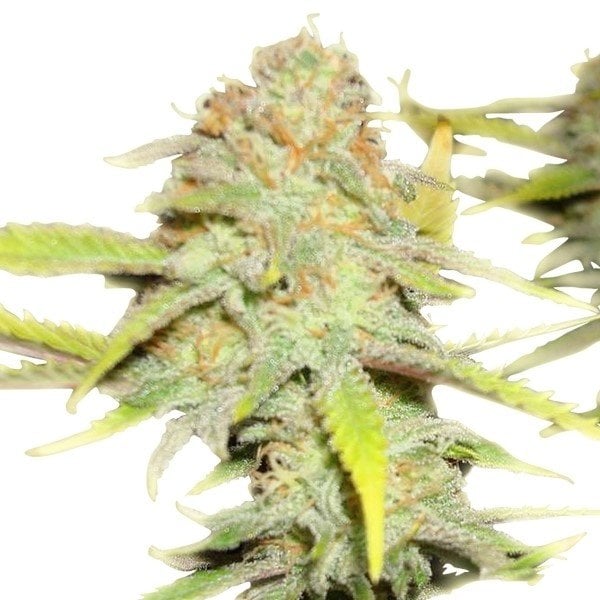
When 8 compact mould-resistant autos surfaces as an issue during an active grow, the broad principles from introductory guides are not specific enough. Accurate identification and targeted correction depend on understanding the particular mechanisms and symptom patterns involved — which is what this article provides.
Root Causes of 8 Compact Mould-Resistant Autos Issues
Most 8 compact mould-resistant autos problems are not dramatic failures — they are slow accumulations. A pH that drifts 0.3 units per watering across a fortnight. A temperature that creeps upward by 2°C as Australian summer deepens. A feeding programme designed for veg that was never adjusted when the plant entered flower. These small, gradual misalignments accumulate until the gap between what the plant needs and what it receives becomes visible as symptoms on the canopy.
Recognising this accumulation dynamic changes your approach: regular monitoring and small, proactive adjustments prevent far more problems than reactive correction after symptoms appear. By the time leaves change colour or shape, the underlying issue has been developing for five to ten days.
A Five-Minute Diagnostic Before Any Change
Before adjusting anything, gather data: measure pH of input and runoff, measure environmental conditions (temperature, humidity, light intensity at canopy level), and visually assess the entire plant — not just the affected leaves. This five-minute assessment prevents the most common overcorrection mistake: changing the wrong variable based on an assumption rather than evidence.
The most useful question to ask yourself: "What changed in my grow environment over the last seven to ten days?" New nutrient product? Different water source? Seasonal weather shift? Moved the light? Reconfigured extraction? Recent changes are the most probable triggers for new symptoms.
Recovery Signs — How to Confirm Your Correction Worked
Recovery from 8 compact mould-resistant autos disruption shows exclusively on new growth. Previously damaged leaves are permanent records of past conditions — they will not heal or revert. What you watch for: new foliage emerging with clean, healthy colour and normal morphology within seven to fourteen days of correction. If new growth continues showing symptoms after that window, either the original diagnosis was wrong or the correction was insufficient.
Recovery speed correlates with overall plant health and stress severity. A mildly stressed plant in veg recovers in five to seven days. A heavily stressed plant in mid-flower may need ten to fourteen days, and the yield from affected bud sites will be permanently reduced regardless of how effectively you correct the underlying cause.
Genetic Compatibility with Your Management Style
If 8 compact mould-resistant autos consistently trips you up despite genuine effort, the most pragmatic solution may be selecting genetics that tolerate your natural management tendencies rather than forcing yourself to match a demanding cultivar. autoflower seeds are forgiving across all management dimensions. indica strains descended from hardy mountain landraces tolerate wider environmental fluctuations. Cultivars in the full seed catalogue flagged as "beginner-friendly" or "resilient" are specifically selected for tolerance to imprecise management.
Frequently Asked Questions
- What is the best way to prevent 8 compact mould-resistant autos issues proactively?
- Test pH at every watering. Monitor temperature and humidity daily. Photograph the canopy weekly under white light for trend comparison. Adjust your feeding programme and environmental controls at each growth-stage transition. These habits intercept most problems before they reach the point of visible symptoms.
- How much should I spend on monitoring tools?
- A $30 AUD digital thermometer/hygrometer with min/max logging and a $25 AUD pH pen cover 90% of the data you need for effective 8 compact mould-resistant autos management. Higher-end equipment adds convenience (wireless monitoring, app connectivity) but does not replace the habit of physically inspecting your plants with your own eyes at regular intervals.
- Same setup, same strain, different result this time. Why?
- Environmental conditions shift between grows — seasonal temperature and humidity changes (which can be dramatic between an Australian summer and winter grow), variation in tap water mineral content, ageing equipment losing calibration or output, and natural phenotypic variation between individual seeds of the same strain. No two grows are identical, even when the inputs look the same on paper.
Related Articles
Ready to Start Growing?
Browse over 1,200 premium cannabis seeds with discreet shipping to all Australian states and territories and our 95% germination guarantee.
Shop Cannabis Seeds