Cannabis Nutrient Burn and Light Stress
Royal King Seeds
Cultivation team
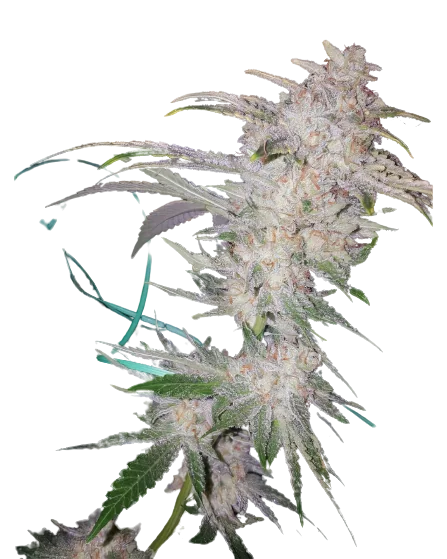
Australian growers usually encounter nutrient burn light stress once they have moved past their first grow and started paying closer attention to subtle differences in leaf appearance between plants and across the canopy. At that stage, the ability to identify this specific condition — and distinguish it from the half-dozen other issues with overlapping visual symptoms — saves both time and flower quality.
Recognising This Condition Specifically
One useful diagnostic distinction for nutrient burn light stress: is the damage still spreading or has it stabilised? Actively worsening symptoms despite normal feeding suggests lockout — the nutrient is chemically present but physically unavailable to roots. Symptoms that stopped progressing after your last adjustment suggest the correction is working and you simply need to wait for new growth to confirm recovery. Old, damaged tissue never heals — only new leaves tell you whether conditions have improved.
Root-zone chemistry — the interplay of pH, dissolved salts, and microbial activity — governs whether your plants can access what you feed them. Our nutrient troubleshooting guide walks through the diagnostic process that experienced Australian growers rely on.
What Typically Triggers This in Australian Grows
Environmental factors specific to Australian grows that precipitate nutrient burn light stress: modern LED fixtures driving higher photosynthetic rates than the calcium supply can support, cold root-zone temperatures during winter months suppressing active nutrient transport, and the wide range in tap water mineral content across Australian cities affecting baseline nutrient availability before you even open a bottle.
Correcting the Problem Without Overcorrecting
Step one: measure pH. If it falls outside the optimal window for your medium (soil 6.0-6.8, coco and hydro 5.5-6.5), correct pH and do nothing else for 48 hours. This single intervention resolves the majority of nutrient burn light stress presentations. Step two: if pH is normal, compare runoff EC to input EC.
Significantly elevated runoff EC indicates salt accumulation — flush with three times the pot volume of pH-adjusted water, then resume at 60-70% of previous feed strength. Step three: if both pH and EC check out, the issue is genuine nutrient depletion. Supplement at half strength and reassess in five to seven days by examining new growth.
Genetics and Feeding Tolerance
Some cultivars are inherently more demanding feeders than others. High-performance high-THC seeds strains with aggressive growth patterns consume nutrients at a pace that requires precise management and rapid responses when supply falls short. At the other end, autoflower seeds and moderate-vigour hybrids tolerate imprecise feeding with more grace. If nutrient burn light stress keeps recurring across multiple grows despite your best efforts, consider whether the genetics you are running demand a level of feeding precision that does not align with your current skill level or management routine — sometimes the most effective fix is choosing a cultivar that fits your growing style rather than fighting to match a demanding plant.
Frequently Asked Questions
- How soon should I expect to see recovery?
- Five to ten days for visible improvement on new growth. Previously damaged tissue will not repair — those leaves serve as a permanent record of the issue. If new foliage continues displaying symptoms after ten days of corrected conditions, the diagnosis or correction needs revision.
- Does this problem reduce final harvest weight?
- Any nutrient disruption during the flowering period directly diminishes bud development. The impact scales with both severity and duration — a mild issue corrected within a week produces minimal yield loss, while a severe lockout lasting three weeks during peak bloom can reduce harvest by 20-30%.
- Is this condition more common in certain growing media?
- Coco coir surfaces nutrient problems fastest because it provides zero buffering — root-zone chemistry reaches the plant within days. Soil buffers problems longer, which is both an advantage (slower onset) and a risk (issues can accumulate silently until they become severe). Hydroponics surfaces problems within hours and allows the fastest correction.
Related Articles
Nitrogen Deficiency Cannabis: Diagnosing the Deficiency, Fixing pH, and Restoring Healthy Growth
support-nutrientGanja Indoor: Tent Setup, Lighting Schedule, Nutrients & Yields — The Complete Australian Guide
support-nutrientMagnesium Deficiency in Cannabis: Diagnose It, Fix pH, and Restore Healthy Growth
support-nutrientWeed Magnesium Deficiency: Diagnosing the Problem, Fixing pH, and Restoring Healthy Growth
Ready to Start Growing?
Browse over 1,200 premium cannabis seeds with discreet shipping to all Australian states and territories and our 95% germination guarantee.
Shop Cannabis Seeds