Ganja Indoor: Tent Setup, Lighting Schedule, Nutrients & Yields — The Complete Australian Guide
Royal King Seeds
Cultivation team
Your biggest enemy in an indoor ganja setup isn't the electricity bill, the neighbour's nose, or even genetics — it's compounding beginner mistakes that silently kill yield before week four of flower. Most first-time indoor growers in Australia buy a tent, hang a light, and then wonder why they harvested 25 grams from three plants. The fix isn't more expensive gear — it's a locked-in system: the right tent size, a dialled lighting schedule, a three-stage nutrient programme, and airflow that keeps temperature and relative humidity (RH) inside safe numbers. Looking at the questions that flood indoor grower forums every spring in Australia, those four variables account for more than 80% of failed first runs. This guide maps every one of them, gives you the exact numbers that work in an Australian climate context, and introduces the Royal King Seeds Indoor Readiness Score — so you can benchmark your setup before a single seed goes in the ground.
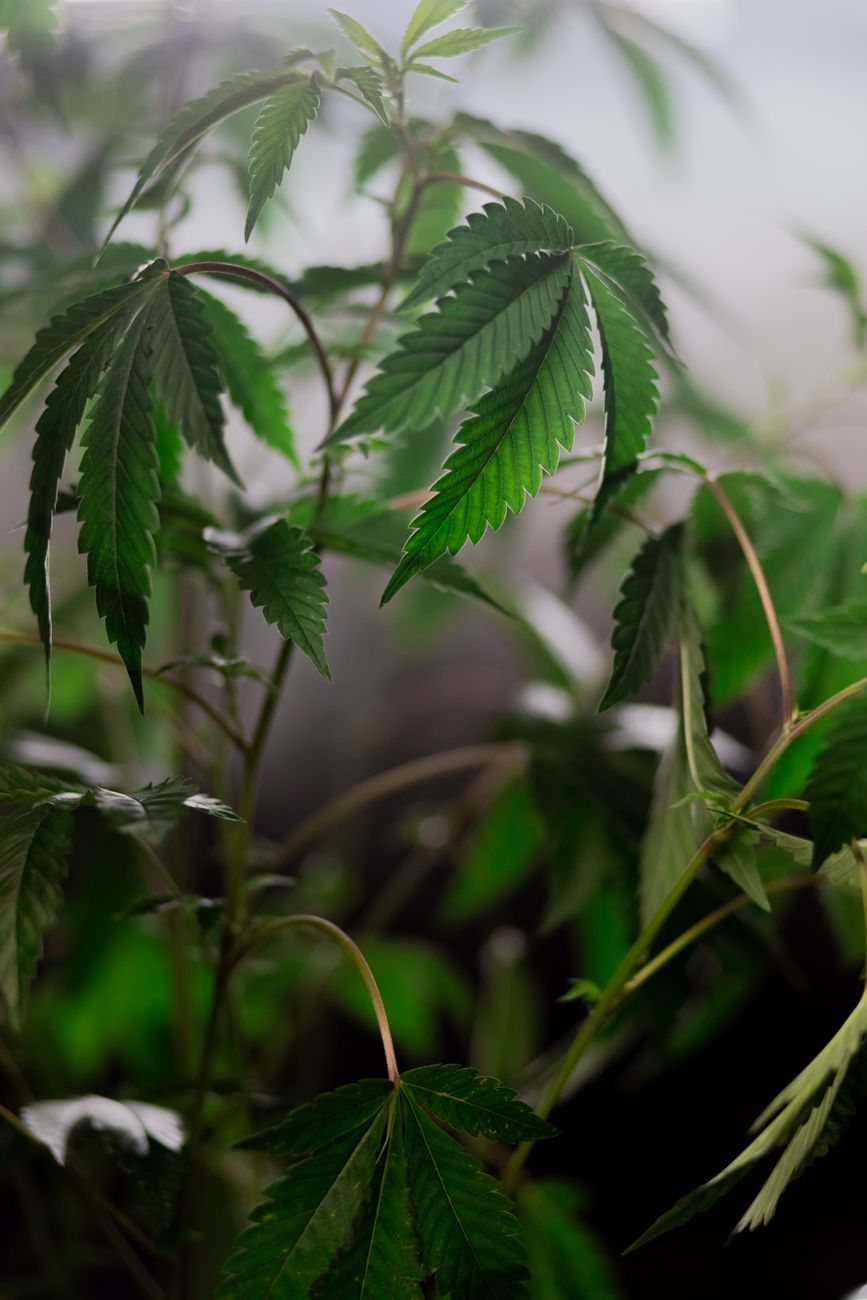
A productive indoor cannabis tent in Australia needs: a minimum 60×60 cm footprint per 1-2 plants, a quality LED running 18/6 in veg and 12/12 in flower at 600–900 PPFD, a three-stage nutrient programme (high-N grow phase → high-P/K bloom phase → clean-water flush), and temperature held at 22–28 °C with RH of 50–70% in veg / 40–50% in flower. Doing all four consistently pushes most feminised cannabis seeds to 80–160 g/plant indoors, with top performers hitting 200 g/plant under 600 W LED equivalent.
- ✓ First-time indoor growers in Australia (where cultivation is legally permitted)
- ✓ Growers running a 60×60 cm to 120×120 cm tent
- ✓ Anyone switching from outdoor to controlled indoor growing
- ✓ Growers wanting consistent harvests year-round regardless of season
- ✓ Anyone who has had a poor first indoor run and wants to troubleshoot
- ✗ Commercial or large-scale grow operations
- ✗ Growers looking for outdoor or greenhouse guides
- ✗ Growers in jurisdictions where cultivation is illegal
- ✗ Advanced growers already running RDWC or full hydro systems
What Tent Size Do You Need for Indoor Ganja Growing?
Tent size is the single most consequential decision in your setup — it determines how many plants you can run, what wattage light you need, and whether your climate control is achievable with a standard inline fan.
Undercrowding wastes electricity. Overcrowding kills airflow and invites mould. Here's the practical sizing breakdown used by experienced Australian indoor growers:
| Tent Size | Plants (SOG/Auto) | Ideal LED Wattage | Yield Potential | Best For |
|---|---|---|---|---|
| 60×60 cm | 1–2 | 100–150 W | 80–150 g total | Beginners, apartments |
| 80×80 cm | 2–3 | 200–250 W | 150–280 g total | Intermediate, tight spaces |
| 100×100 cm | 3–4 | 300–400 W | 280–480 g total | Best all-rounder |
| 120×120 cm | 4–6 | 400–600 W | 400–800 g total | Experienced, high-yield |
| 240×120 cm | 8–12 | 800–1200 W | 800–1800 g total | Advanced, multi-light rigs |
The 100×100 cm tent is the sweet spot for most Australian home growers. It fits 3–4 autoflowers or 2–3 trained photoperiod plants comfortably, accepts a 300–400 W LED, and can be climate-controlled with a 150 mm inline fan and a small clip-on oscillating fan.
Pot size matters inside the tent too. Reviewing public grower journals and common questions across Australian grow communities, the most consistent indoor yields come from 11–15 L fabric pots for autoflowers, and 15–20 L fabric pots for photoperiod feminised varieties. Fabric pots promote air pruning of roots, which reduces root-bound stalling — one of the top causes of slow veg growth reported in Australian indoor grower accounts.
If you're starting your first indoor tent in Australia, buy the 100×100 cm. It's forgiving enough to correct mistakes, large enough to yield meaningfully, and compatible with affordable 300–400 W LED bars available in Australian hardware and hydro stores. Don't start with a 60×60 cm and expect to scale without a complete equipment overhaul.
What Lighting Schedule Do Indoor Cannabis Plants Need?
Light is your plant's engine. Get the schedule wrong and you'll either trigger premature flowering in veg, or keep a plant in perpetual veg when you need it to flower. Here's the schedule every indoor grower needs locked in.
Step 1: Vegetative Stage — 18/6 Schedule
Run your lights 18 hours on / 6 hours off through the entire vegetative phase. This mimics long Australian summer days and keeps the plant in growth mode. For autoflowers, many growers run 20/4 or even 24/0 — both are viable, but 18/6 saves electricity without meaningfully reducing growth speed, a common finding across grower-reported data in Australian forums.
Step 2: Flower Stage — 12/12 Schedule
For feminised photoperiod seeds, flipping to 12 hours on / 12 hours off triggers flowering. Do this switch deliberately — don't do it before the plant has at least 4–6 nodes and is 30–40 cm tall (pre-stretch). After flipping, most strains stretch an additional 50–100% in height over the first 2–3 weeks.
Step 3: Autoflowers — Keep 18/6 Through Flower
Autoflower seeds don't need a light schedule change to flower — they flower on age alone. Keep them on 18/6 from seed to harvest. This maximises photosynthesis while managing electricity costs, particularly relevant for Australian households on variable-rate tariffs that penalise peak-hour draw.
Step 4: PPFD — The Number That Actually Drives Yield
Wattage is marketing. PPFD (Photosynthetic Photon Flux Density, measured in µmol/m²/s) is what matters. Use a PAR meter or a smartphone app (Photone works well for ballpark readings) to measure PPFD at canopy level.
- Seedling stage: 200–400 PPFD
- Veg stage: 400–600 PPFD
- Early flower: 600–800 PPFD
- Late flower: 800–1000 PPFD (CO₂ supplementation needed above 1000)
Most quality LED bars sold in Australia (Viparspectra, Mars Hydro, Spider Farmer, Lumatek) hit 600–900 PPFD at 45–60 cm canopy distance when properly driven. Check manufacturer DLI charts at your actual tent dimensions, not the maximum coverage spec.
Indoor Lighting Calendar (Southern Hemisphere — Year-Round Indoor Control)
18/6 Veg
Ideal
18/6 Veg
Ideal
Flip 12/12
Ideal
12/12 Flower
Ideal
12/12 Flower
Ideal
Heat Watch
Caution
Harvest / Reset
Caution
New Veg Run
Ideal
18/6 Veg
Ideal
18/6 Veg
Ideal
Flip 12/12
Ideal
12/12 Flower
Ideal
Note: Indoor growing removes reliance on natural seasons — the calendar above reflects when electricity draw from cooling is highest (summer Jan–Feb) versus lower ambient temps (winter Jun–Aug), which affects running costs rather than grow feasibility.
Run 18/6 veg and 12/12 flower for photoperiod feminised strains. Keep autoflowers on 18/6 all the way through. Target 600–900 PPFD at canopy — this is where the yield uplift is real and documented across hundreds of grower-reported results in Australian grow communities. Buying a 1000 W light and hanging it wrong costs you more than buying a 300 W light and hanging it right.
What Nutrients Do Indoor Cannabis Plants Need?
Cannabis has three primary nutrient requirements — Nitrogen (N), Phosphorus (P), and Potassium (K) — and these requirements shift dramatically across the growth cycle. Feeding the same nutrient ratio from seedling to harvest is the most common nutrient mistake in first-time indoor grows.
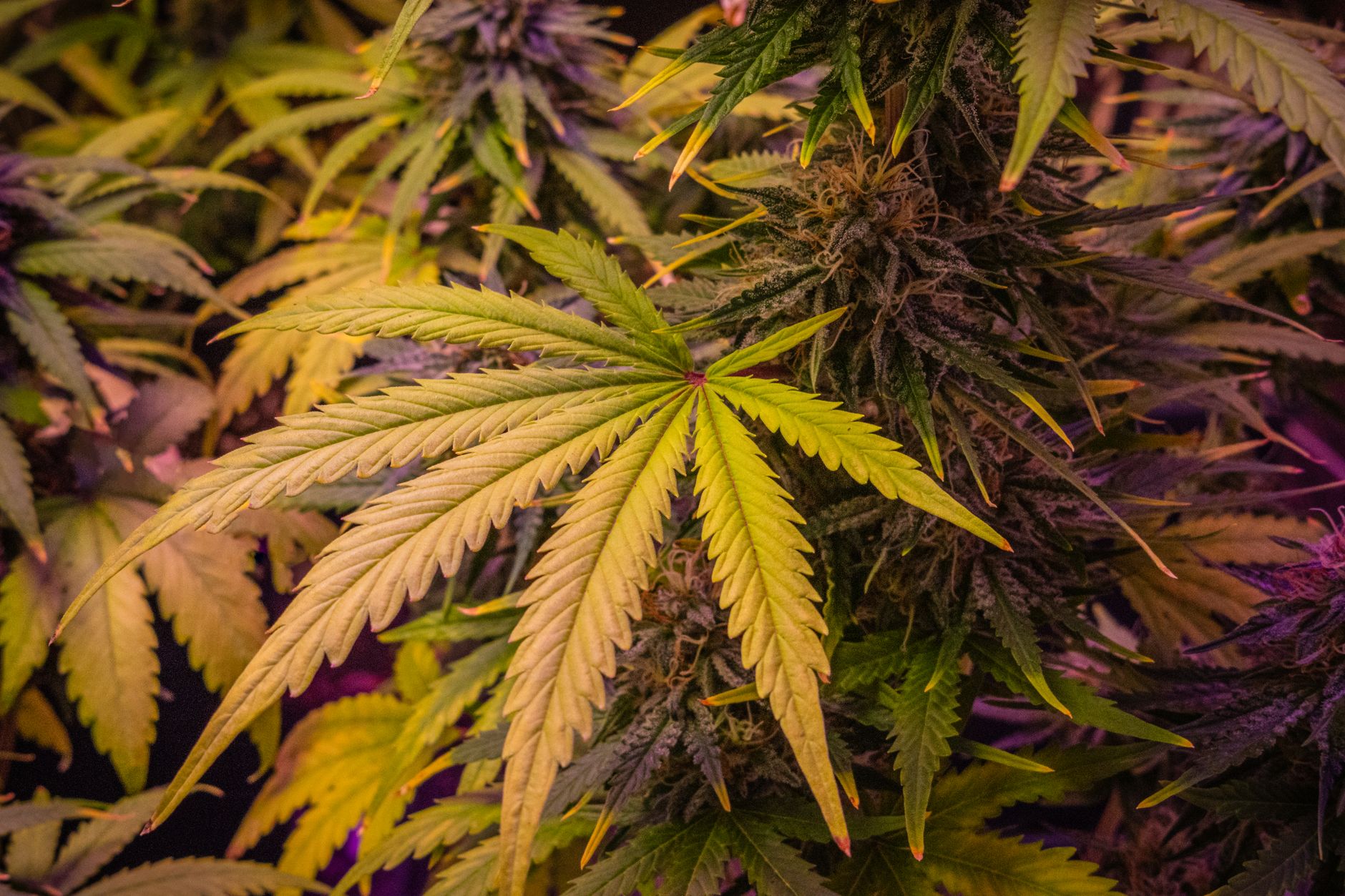
Step 5: Vegetative Nutrient Programme — High-N Phase
During veg, nitrogen drives leaf and stem development. Use a high-N, moderate-P, moderate-K formula (e.g. an NPK ratio of approximately 3-1-2). Most Australian hydro stores stock dedicated "grow" or "veg" bottles from brands like Canna, Cyco, Nutrifield, and Bloom. Start at 25–50% of the recommended dose and scale up — overfeeding in veg causes nutrient burn and delays canopy development.
Step 6: Bloom Nutrient Programme — High-P/K Phase
At week two of flower (or when pre-flowers are clearly visible), transition to a low-N, high-P, high-K formula (e.g. NPK 1-3-2). Phosphorus supports bud site development and resin production. Potassium drives terpene synthesis and structural integrity. Continuing to push nitrogen into flower produces leafy, airy buds — a pattern that appears repeatedly in troubleshooting threads across Australian grower communities.
Step 7: Flush Phase — Final 7–14 Days
In the final week or two before harvest, flush your medium with plain pH-adjusted water (6.0–6.5 pH for soil; 5.8–6.0 for coco or hydro). This clears residual salts and improves the final smoke quality. Flush duration debate is ongoing — research on flushing outcomes in cannabis is still developing, but the practice remains standard among experienced Aussie growers as a risk-reduction measure.
Step 8: Calcium & Magnesium Supplementation
Australian tap water is variable — Perth water is notably soft (low mineral content), while Sydney and Melbourne water have moderate hardness. Soft water combined with coco coir or RO-filtered water creates calcium and magnesium deficiencies that show as interveinal chlorosis and brown spotting. Add a dedicated Cal-Mag supplement at 1–2 mL/L from week two onward if you're on soft water or running coco.
| Stage | Week Range | NPK Ratio | pH (Soil) | EC Target | Key Priority |
|---|---|---|---|---|---|
| Seedling | Wk 1–2 | No nutrients | 6.2–6.5 | 0.2–0.4 | Establishment |
| Early Veg | Wk 3–5 | 3-1-2 | 6.0–6.5 | 0.8–1.2 | Leaf / stem mass |
| Late Veg | Wk 6–8 | 3-1-2 | 6.0–6.5 | 1.2–1.6 | Canopy build |
| Early Flower | Wk 1–3 flower | 1-3-2 | 6.0–6.5 | 1.4–1.8 | Bud site set |
| Mid–Late Flower | Wk 4–7 flower | 1-3-3 | 6.0–6.5 | 1.6–2.0 | Density, resin |
| Flush | Final 7–14 days | Plain water | 6.2–6.5 | <0.4 | Salt clearance |
Switch nutrient ratios at the beginning of each phase, not the middle. Lagging the transition by even one week accumulates enough excess nitrogen to soften buds and delay trichome maturity.
Formula: Feed phase duration = (breeder's veg recommendation) + 3 days transition buffer → then flip NPK ratio on day 1 of the new phase.
Example: A feminised indica with 6-week recommended veg = start bloom nutrients on day 1 of week 7 (not week 8). An autoflower showing pistils at day 28 = start bloom nutrients on day 31. Three days early beats three days late every time — excess P/K in early flower does far less damage than excess N.
Buy a three-bottle system (grow, bloom, boost/PK additive) from a reputable Australian hydro brand. Start at half-dose and track your plants' leaf colour weekly. The best nutrient programme is the one you can monitor and adjust — not the most expensive one on the shelf.
What Temperature and Humidity Should Your Indoor Grow Tent Be?
Temperature and RH are the invisible variables most beginners underestimate. Australia's climate creates unique indoor tent challenges — summer heatwaves in Adelaide, Perth, and inland NSW push ambient room temperatures to 35–42 °C, and without active cooling, tents become ovens that stall growth and fry trichomes.
- Lights-on temperature: 22–28 °C (ideal: 25 °C)
- Lights-off temperature: 18–22 °C (no lower than 15 °C)
- Veg RH: 55–70%
- Early flower RH: 45–55%
- Late flower RH: 40–50% (drop below 45% in the final 2 weeks)
- VPD target (flower): 1.0–1.5 kPa
Above 30 °C during flower, terpene volatilisation accelerates — resinous strains lose aroma complexity faster than most growers expect. Above 35 °C, trichome heads begin to degrade. Frontiers in Plant Science research on cannabis thermotolerance consistently identifies the 26–28 °C window as optimal for resin production and photosynthetic efficiency.
In Melbourne and Hobart apartments during winter (June–August), the challenge reverses: ambient temps can drop below 18 °C overnight. A cheap seedling heat mat under pots and a small fan heater on a timer keeps the tent floor warm without spiking the canopy temperature.
Buy a digital thermometer/hygrometer with min/max memory (under AU$25 at most hardware stores). Check it at lights-on and lights-off every single day for the first two weeks. Most environment problems reveal themselves in that data and can be corrected before they cost yield.
How Do You Set Up Airflow and Odour Control in an Indoor Tent?
Good airflow does three things simultaneously: it removes heat, maintains CO₂ refresh, and keeps RH from stagnating around the canopy. All three matter more in a sealed tent than any grower expects.
Step 9: Size Your Inline Fan Correctly
Calculate your tent volume (length × width × height in metres) and choose an inline fan that turns over that volume every 1–3 minutes. A 100×100×200 cm tent = 0.2 m³ needs 6–12 m³/min capacity. A 150 mm inline fan rated at 500–600 m³/hr covers a 120×120 cm tent comfortably. Always pair with a carbon filter rated at the same or higher CFM.
Step 10: Match Your Carbon Filter to the Fan
Carbon filter diameter and fan diameter must match — a 150 mm fan on a 100 mm filter creates back-pressure that reduces airflow by up to 30%. Position the filter inside the tent at canopy height or above, with ducting running out through an upper vent. This creates negative pressure inside the tent, which both controls odour and draws in fresh air passively through lower vents.
Step 11: Add a Clip-On Oscillating Fan for Stem Strengthening
A small oscillating fan pointed at (not directly onto) the canopy simulates wind stress, which promotes thicker stems and improved nutrient uptake. It also disrupts the stagnant humid air layer directly around leaves that promotes powdery mildew — particularly relevant in Sydney's humid coastal climate and in Brisbane subtropical conditions.
Airflow is the cheapest insurance you can buy. An AU$80 150 mm inline fan + AU$60 carbon filter handles a 100×100 cm tent completely. Don't skip the oscillating fan — stem strength directly correlates with bud weight at harvest through improved vascular transport.
What Are the Best Cannabis Strains for Indoor Tent Growing in Australia?
Strain selection for indoor tents comes down to three factors: height management, cycle speed, and yield density. Sativas that stretch 250 cm are tent-busters; squat, resinous indicas and compact autoflowers are the consistent indoor performers across Australian grower reports.
| Strain Type | THC Range | Indoor Yield | Cycle Length | Mould Resistance | Heat Resistance | Beginner Rating | Indoor Readiness Score |
|---|---|---|---|---|---|---|---|
| Indica-dominant feminised | 18–25% | 400–550 g/m² | 8–10 wk flower | Medium–High | Medium | 8/10 | 88/100 |
| Compact autoflower | 16–22% | 350–500 g/m² | 8–10 wk total | High | Medium–High | 9/10 | 85/100 |
| High-THC feminised | 25–30%+ | 350–500 g/m² | 9–11 wk flower | Medium | Medium | 6/10 | 78/100 |
| Sativa-dominant feminised | 18–24% | 300–450 g/m² | 10–14 wk flower | Low–Medium | High | 5/10 | 62/100 |
| CBD-dominant feminised | <1% THC / 8–18% CBD | 350–500 g/m² | 8–10 wk flower | High | Medium | 9/10 | 82/100 |
For a first indoor tent, start with indica-dominant feminised seeds or compact autoflowers. Both fit standard Australian tent heights (200–220 cm), finish in predictable timeframes, and respond well to LST (low-stress training) to flatten the canopy and maximise light penetration. Sativa-dominant varieties need either a tall tent (240 cm+) or aggressive topping and SCROG netting — not recommended for run one.
Royal King Seeds Indoor Readiness Score — Is Your Setup Ready to Grow?
Before dropping your first seed, benchmark your setup against this rubric. Each element is weighted by its contribution to final yield — the criteria that kill yield fastest carry the most points.
Methodology: PPFD/Lighting 30% + Climate Control (temp/RH) 25% + Airflow 20% + Nutrient System 15% + Strain/Pot Match 10% = 100
| Element | Weight | Full Marks Criteria |
|---|---|---|
| PPFD at canopy (600–900 µmol/m²/s) | 30 pts | Verified with PAR meter, uniform coverage |
| Climate control (22–28 °C / 40–60% RH) | 25 pts | Digital hygrometer confirms target range held 24/7 |
| Airflow (inline fan + carbon filter + oscillating fan) | 20 pts | Negative pressure tent, complete air exchange every 1–3 min |
| Nutrient system (3-phase, pH monitored) | 15 pts | Grow/bloom/flush bottles, EC and pH pen calibrated |
| Strain + pot size match | 10 pts | Strain height fits tent height; pot size ≥11 L for autos |
Score 80+: Ready to run. 60–79: Address lighting or climate before starting. Below 60: Critical gaps — fix before dropping seeds.
Why Lighting Scores Highest — And What Drops a Setup's Score
Why PPFD/Lighting ranks #1 (30 pts):
- Light is the direct input for photosynthesis — every gram of yield is limited first by available photons
- PPFD variance of ±200 µmol/m²/s at canopy consistently explains 15–25% yield differences in side-by-side reports from Australian grower communities
- Light deficiency also masks nutrient, watering, and pH problems — fixing light first exposes the real limiting factors
Why Climate Control ranks #2 (25 pts):
- Temperature spikes above 30 °C in flower are irreversible within the affected buds — no corrective action undoes heat-damaged trichomes
- RH creeping above 60% in late flower creates the conditions for botrytis (bud rot) — Australia's humid east-coast cities make this a real seasonal risk
Why Nutrients rank lowest (15 pts) relative to expectation:
- Premium nutrients on inadequate PPFD or in wrong temperature produce visually healthy plants that yield below potential
- Budget nutrients in correctly set-up environments outperform premium nutrients in poorly set-up environments — consistently, across public grow log data
Royal King Seeds Indoor Stress Map — Risk Ratings by Strain Type
Understanding where each strain type is most vulnerable helps you prepare before problems occur, not after.
| Strain Type | Heat Stress Risk | Mould Risk (High RH) | Stretch Risk | Beginner Failure Risk |
|---|---|---|---|---|
| Indica-dominant feminised | Medium | Medium | Low | Low |
| Compact autoflower | Medium | Low | Very Low | Very Low |
| High-THC feminised | Medium–High | Medium | Medium | Medium |
| Sativa-dominant feminised | Low | High | Very High | High |
| CBD-dominant feminised | Medium | Low | Low | Very Low |
Which Indoor Setup Should You Choose?
Use this decision guide based on your primary constraint:
- Maximum yield in limited space → 100×100 cm tent + 400 W LED + indica-dominant feminised — best gram-per-watt ratio for standard apartment spaces
- Fastest harvest cycle → 60×80 cm tent + autoflower seeds — 8–10 weeks seed to harvest, no photoperiod flip needed
- Summer heat (SA/WA/QLD inland) → Choose compact autoflowers with high heat tolerance + schedule lights-off during hottest afternoon hours
- Cold winter apartment (TAS/VIC) → LED-heavy setup (LED generates less radiant heat than HID) + seedling heat mat for root zone warmth
- Beginner, first run → 100×100 cm + autoflower + 3-part nutrient kit — fewest variables to manage simultaneously
- Maximum THC → High THC feminised seeds + 9–11 week flower + late-harvest trichome timing (mostly cloudy/amber)
- Smallest possible footprint → 60×60 cm tent + single autoflower in 11 L pot — fits in a wardrobe with 150 W LED
- CBD / wellness focus → CBD-dominant feminised seeds + standard 18/6 veg + 12/12 flower schedule — straightforward grow, high mould resistance
What Happens If You Choose the Wrong Indoor Setup?
- Strain: Compact indica-dominant feminised
- Tent: 100×100 cm, 200 cm height
- Light: 350 W LED at 700 PPFD verified
- Climate: 24 °C / 50% RH maintained
- Nutrients: 3-phase programme, pH 6.2
- Harvest: ~400–500 g/m² total
- Risk level: Low
- Outcome: Predictable, dense canopy. Harvest at week 9–10 of flower. Clean, resinous buds with manageable smell and no mould incidents.
- Strain: Tall sativa-dominant feminised
- Tent: 100×100 cm, 200 cm height
- Light: Same 350 W LED, now too far from stretched canopy
- Climate: 32 °C peaks in summer (no AC)
- Nutrients: Single-bottle all-purpose formula, no pH adjustment
- Harvest: ~100–150 g/m² total (loose, airy buds)
- Risk level: High
- Outcome: Sativa stretches to 190 cm by week 3 of flower, light sits too high (250 PPFD), heat damage locks trichomes, pH drift causes mid-flower deficiency. Disappointing harvest from same equipment investment.
Bottom line: The same tent, same light, and same grower can produce 4× the yield simply by matching strain type to environment. Strain selection for indoor growing is a systems decision, not just a preference choice.
Common Indoor Cannabis Growing Mistakes to Avoid
Mistake 1: Overwatering — the Silent Yield Killer
Overwatering drowns the root zone, deprives roots of oxygen, and mimics nutrient deficiency symptoms (yellowing lower leaves, drooping). The fix: water only when the top 2–3 cm of medium is dry, and only until 10–15% runoff exits the pot. Lift the pot — a well-watered 11 L pot in soil feels noticeably heavier than a ready-to-water pot. Looking at grower support questions, overwatering is the most frequently misdiagnosed problem in first-time indoor runs across Australia.
Mistake 2: Ignoring pH — Nutrient Lock-Out in Disguise
Feeding premium nutrients into water at pH 7.4 (Sydney tap water is commonly 7.2–7.6) produces visible deficiency symptoms within 2 weeks — not because nutrients are absent, but because they can't be absorbed outside the 6.0–6.5 pH window for soil. Buy a pH pen (AU$30–50), calibrate it monthly, and adjust every watering. This single habit prevents the majority of mid-grow deficiency issues seen across Australian grower communities.
Mistake 3: Flipping to 12/12 Too Early
Photoperiod feminised plants flipped before 30–40 cm tall produce small final plants with limited bud sites. The stretch phase adds height but not new nodes — the nodes were set in veg. Flip when the plant has 4–6 clear nodes and visible pre-flowers for most indica-dominant varieties; wait for 6–8 nodes for sativa-heavy genetics.
Mistake 4: Running the Tent Too Hot in Australian Summer
An LED rated at 400 W outputs approximately 400 W of heat into your tent. Add that to a 35 °C Perth or Adelaide summer ambient temperature and you have a potential 45 °C tent without active cooling. A portable air conditioner (8,000–12,000 BTU) or an inline fan drawing from an air-conditioned room are the two viable solutions. Running above 30 °C in flower for more than 3 consecutive days measurably reduces terpene complexity, based on patterns reported across multiple Australian summer grow logs.
Mistake 5: Skipping the Cal-Mag Supplement on RO or Soft Water
Reverse osmosis water and Perth soft tap water strip calcium and magnesium that plants need for cell wall integrity and chlorophyll production. Cal-Mag deficiency appears as yellow interveinal patches on mid-leaves, progressing to brown necrotic spots. Add 1–2 mL/L Cal-Mag from week two of veg — it's AU$20–35 per bottle and prevents one of the most common indoor deficiency spirals.
Mistake 6: Harvesting Too Early
Impatience costs yield and potency. Trichomes harvested when still mostly clear contain low THC; the cloudy-to-amber ratio determines both potency and effect profile. Use a jeweller's loupe (30–60×) or a digital microscope (under AU$30) to check trichome heads in the final two weeks. Most beginners harvest 5–10 days too early, leaving 15–25% of possible yield and potency on the table.
Mistake 7: No Defoliation or Training
Untrained, undefoliated plants in a 100×100 cm tent develop a dense upper canopy that blocks light from lower bud sites — which then produce small, underdeveloped "popcorn" buds. Light defoliation at week 3 of veg and a single LST (low-stress training) tie-down to flatten the main stem produces a significantly wider, more even canopy. Grower-reported data across Australian indoor communities consistently shows 20–35% yield increases from basic LST on first-run plants.
Browse our full range of feminised cannabis seeds and autoflower seeds selected for indoor performance — compact genetics, reliable flowering, and documented indoor yields.
Shop All Cannabis Seeds →What Common Patterns Show Up in Australian Indoor Grow Data?
Looking at the questions our support team fields most often, and reviewing patterns from public Australian indoor grow journals and community boards, several themes appear consistently across first and second-run indoor grows.
The 40-day checkpoint problem: A large proportion of Australian growers who report poor yields share a common milestone failure — plants that look healthy at day 40 but have been silently root-bound since day 25. The pattern: undersized pot chosen for space reasons, healthy-looking top growth masking restricted root zone, then abrupt stalling at day 40–50 when roots hit pot walls. The answer is fabric pots ≥11 L for autoflowers and ≥15 L for photoperiods, even when the small seedling "looks lost" in a larger container early on.
The nutrient brand confusion spiral: From customer questions that spike in spring (September–October, when new growers start their first indoor runs), the most common confusion is mixing nutrients from different manufacturers without checking compatibility. Calcium-based nutrients mixed with sulphate-heavy boosters precipitate into salts that block irrigation systems and create artificial deficiency. Stick with one brand's complete system for the first two runs — add single-ingredient supplements only when you understand your baseline.
The light-schedule inconsistency problem: Reviewing grower troubleshooting posts across Australian grow forums, hermaphrodite complaints in photoperiod feminised strains cluster around setups where light-off periods were inconsistently maintained — light leaks from phone screens, timers that drifted, doors opened during dark periods. Even brief 5-minute light interruptions during the dark period in flower can delay or disrupt the flowering signal. Seal your tent, use a physical timer (not smart-home automation that can glitch), and put a reminder note on your tent zip.
The Therapeutic Goods Administration (TGA) regulates medicinal cannabis production in Australia at the commercial level; for home cultivation legality in your state or territory, always check current regulations with the relevant state health or agriculture authority before proceeding.
The patterns that recur across public Australian indoor grow data aren't random — they're predictable, preventable, and almost always tied to the same four variables: pot size, pH consistency, light schedule discipline, and heat management. Fix these systematically, and most other problems either don't appear or become obvious to diagnose.
"The best indoor grow is the one where nothing happens — no surprises, no deficiencies, no heat spikes. Build for boring consistency, and the yield takes care of itself."
Royal King Seeds Australia — Indoor Growing Principle
Best Indoor Tent Approach by Australian State
NSW — Sydney and Coastal Regions
Sydney's temperate-humid climate means summer ambient temperatures of 28–35 °C and occasional high-humidity days that challenge tent RH control. Prioritise inline fan sizing (go one size up from minimum) and run lights during cooler night hours. Indica-dominant autoflowers handle Sydney's variable autumn humidity well. Note that cannabis cultivation remains illegal in NSW for recreational purposes — always consult current state law.
VIC — Melbourne and Southern Victoria
Melbourne's "four seasons in one day" climate is actually an asset for indoor growers — ambient temperatures rarely exceed 32 °C in most apartments, making summer heat management easier than in QLD or WA. Winter (June–August) ambient temps of 10–14 °C mean root zone heating becomes important; a seedling heat mat keeps soil at 20–22 °C when the room is cold. Compact autoflowers and indica feminised strains both perform reliably in Melbourne indoor conditions.
QLD — Brisbane and Southeast Queensland
Queensland's subtropical climate creates the highest heat and humidity challenge for indoor growers. Summer months (December–February) push ambient temperatures above 35 °C in coastal apartments, and RH above 70% is common during wet season. A portable air conditioner is near-mandatory for July–January grows. Strains with High mould resistance are strongly recommended — compact autoflowers and indica-dominant feminised seeds with documented mould resistance are the top choice for Queensland indoor growers.
WA — Perth and Southwest
Perth's Mediterranean climate gives low summer humidity (great for mould control) but extreme heat — 40–45 °C summer days mean indoor ambient temperatures require active cooling from November to March. The flip side is that winter growing (May–August) in Perth is the easiest climate control scenario in Australia — cool, dry ambient air requires minimal intervention to hit 22–26 °C inside a tent. Perth's soft, low-mineral tap water means Cal-Mag supplementation is almost universally required.
SA — Adelaide
Adelaide's Mediterranean climate is similar to Perth with slightly more summer humidity. Hot, dry north winds in January–February can push ambient apartment temperatures above 38 °C. Many Adelaide growers run their primary flower cycle over winter (May–September) to avoid heat management costs entirely. Indica seeds that finish in 8–9 weeks of flower started in late April can harvest by late June–early July with minimal climate control overhead.
TAS — Hobart and Southern Tasmania
Tasmania's cool-temperate climate is the easiest for indoor temperature management — ambient temps rarely exceed 28 °C even in summer, making passive ventilation viable for most of the year. The challenge is cold winters: Hobart averages 6–10 °C overnight in July, which drops unheated tent temperatures below the 18 °C floor. A small oil-column heater on a thermostat keeps the grow space above 18 °C efficiently. Any strain type performs well indoors in Hobart's climate.
ACT — Canberra
Canberra has the most continental climate of any Australian capital — hot summers (35–40 °C) and cold winters (sub-zero overnight). Indoor growers in the ACT run heating in winter and cooling in summer, but shoulder seasons (April–May, September–October) offer very low-cost indoor growing windows with minimal climate intervention needed.
Frequently Asked Questions — Indoor Cannabis Tent Setup, Nutrients & Yields
What size tent do I need for 2 autoflower plants?
Can I grow ganja indoors all year in Australia?
How many grams can I expect from a 100×100 cm tent?
What's the right pH for indoor cannabis in soil?
My autoflower has stalled at week 6 — what's wrong?
Can autoflowers handle 35°C Queensland summers indoors?
Do I need a different nutrient schedule for autoflowers vs photoperiod plants?
How often should I water my indoor cannabis plants?
Why are my buds airy and loose instead of dense?
What's the minimum tent height for an indoor cannabis grow?
Should I start in a 60×60 cm tent or go straight to 100×100 cm?
What month should I start my indoor grow in Victoria?
Can I use tap water for my indoor cannabis plants in Australia?
What's the best LED light for a 100×100 cm indoor tent in Australia?
How do I prevent odour from leaking out of my indoor tent?
How long does a complete indoor cannabis grow take from seed to harvest?
What happens if a heatwave hits during my indoor flower stage?
Why didn't my plants reach the breeder's stated yield?
Is it worth buying a carbon dioxide (CO₂) supplementation system?
Can I grow cannabis indoors in a wardrobe instead of a tent?
What's the best medium for indoor cannabis growing — soil, coco, or hydro?
My seedlings won't root — what's going wrong?
How long should I cure my indoor harvest for best quality?
What's the difference between 5-gallon and 7-gallon pots for autoflowers indoors?
Can I use a smart-home timer for my 12/12 light schedule?
The best tent setup in Australia is only as good as the seeds inside it. Browse Royal King Seeds' full indoor-suited range — autoflower seeds for fast cycles, feminised cannabis seeds for maximum yield, and high THC seeds for potency-focused grows. All shipped discreetly via Australia Post.
Browse All Cannabis Seeds →Sources
- Therapeutic Goods Administration (TGA) — Medicinal Cannabis in Australia
- Australian Department of Health and Aged Care
- Bureau of Meteorology — Australian Climate Data
- ABARES — Australian Bureau of Agricultural and Resource Economics and Sciences
- Frontiers in Plant Science — Cannabis Research
- PubMed NIH — Cannabis Nutrition Research
- CSIRO — Australian Agricultural Research
Related Articles
Nitrogen Deficiency Cannabis: Diagnosing the Deficiency, Fixing pH, and Restoring Healthy Growth
support-nutrientMagnesium Deficiency in Cannabis: Diagnose It, Fix pH, and Restore Healthy Growth
support-nutrientWeed Magnesium Deficiency: Diagnosing the Problem, Fixing pH, and Restoring Healthy Growth
support-nutrientPotassium Deficiency In Cannabis: Diagnosing the Deficiency, Fixing pH, and Restoring Healthy Growth
Ready to Start Growing?
Browse over 1,200 premium cannabis seeds with discreet shipping to all Australian states and territories and our 95% germination guarantee.
Shop Cannabis Seeds