What To Do With Kief? Cannabis Answers Backed by Grower Data
Royal King Seeds
Cultivation team
Most Aussie growers sit on a growing stash of kief and have no idea they're wasting the most potent part of the plant. That pale golden powder sitting in the bottom chamber of your grinder isn't just residue — it's a concentrated trichome deposit that can clock anywhere from 40% to 70% THC, compared to 18–28% in the flower it came from. The most common failure mode? Dumping it back into the bowl and burning it inefficiently, leaving half the cannabinoids behind. The right approach depends on how much kief you've collected, your experience level, and your goals — and this guide gives you the complete ranked playbook, backed by grower observations and real cannabinoid data.
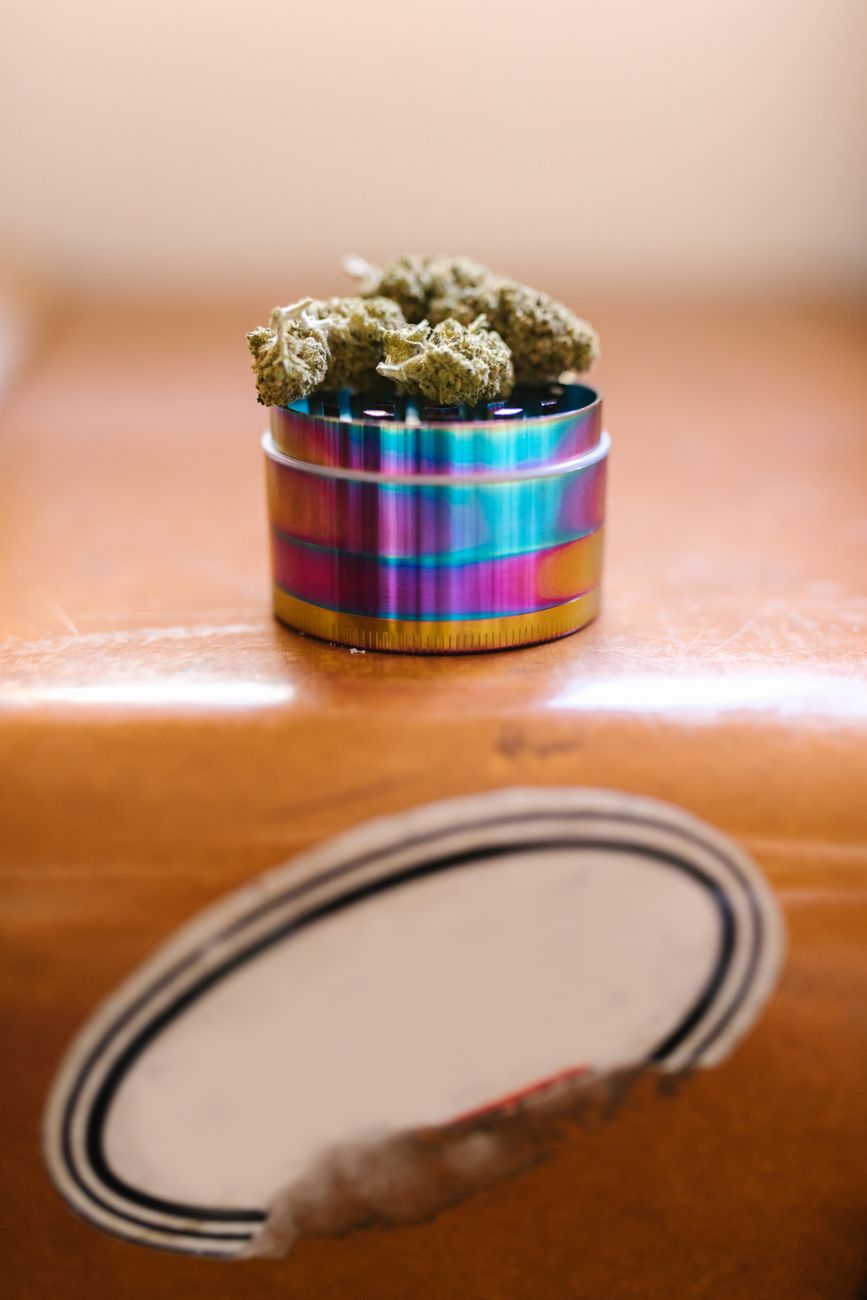
Kief is the trichome powder that collects in your grinder's bottom chamber, containing roughly 40–70% THC depending on strain and purity. The most popular and beginner-friendly uses are sprinkling it on top of a bowl ("crowning"), rolling it into a joint, or pressing it into hash using heat and pressure. More advanced options include making cannabutter, moon rocks, or rosin. All methods require only the kief you've already passively collected — no extra equipment needed to start.
- → What Is Kief?
- → Crown a Bowl: The Easiest Use
- → Add Kief to Joints and Blunts
- → Press Kief Into Hash
- → Make Moon Rocks at Home
- → Cannabutter and Edibles
- → Kief Coffee and Tea
- → Pressing Kief Into Rosin
- → How to Collect More Kief
- → Royal King Seeds Kief Use Scoring Table
- → Common Mistakes
- → Which Kief Use Is Right for You?
- → Real Grower Scenarios
- → FAQ (25 Q&As)
- → Sources
- ✓ Growers and users with kief sitting in their grinder
- ✓ Anyone wanting to maximise potency from existing flower
- ✓ Beginners ready to move beyond plain bowls and joints
- ✓ Experienced users exploring hash, rosin, or edibles
- ✓ Aussie growers of high THC seeds Australia looking to use every part of the harvest
- ✗ Readers seeking medical dosing advice (consult a GP)
- ✗ Those in states where cultivation and use is prohibited
- ✗ Anyone looking for solvent-based extraction tutorials
- ✗ Commercial production guidance
What Is Kief and Why Is It So Potent?
Kief (also spelled "keef") is the collection of trichome heads that break away from cannabis flower during grinding, handling, and drying.
Trichomes are the resin-producing glands on the cannabis plant. They contain the vast majority of the plant's cannabinoids — THC, CBD, CBG — plus the terpenes responsible for flavour and aroma. When flower is ground, these microscopic heads detach and fall through the mesh screen in a multi-chamber grinder into the bottom compartment.
In Australia, the TGA classifies cannabis and its concentrates under Schedule 8 (controlled drug). Always check your state laws before proceeding. The information here is educational and intended for jurisdictions where personal use is permitted.
How Do You Crown a Bowl With Kief?
Crowning a bowl — sprinkling a thin layer of kief on top of packed flower — is the most beginner-friendly and immediate use of kief.
The flower underneath acts as a buffer, preventing direct flame contact with the kief (which vaporises at lower temps than flower). This produces a noticeably stronger, more flavourful hit without wasting kief to direct combustion.
Step 1: Pack your bowl ¾ full with ground flower
Leave space at the top. A loosely packed bowl allows airflow and prevents the kief layer from being drawn down into the pipe stem.
Step 2: Sprinkle kief evenly across the top
Use a small tool — a toothpick or the kief scraper included with most quality grinders — to distribute it. Even coverage means consistent burn. A typical single session uses 0.1–0.2 g of kief.
Step 3: Apply flame to the edge, not the centre
Lighting from the side (called "cornering") lets the kief layer char slowly rather than combusting all at once. You'll get more pulls and better flavour retention.
How Do You Add Kief to Joints and Blunts?
Rolling kief into a joint is one of the oldest and most reliable ways to use it — growers across every Australian state have been doing this since well before concentrates became mainstream.
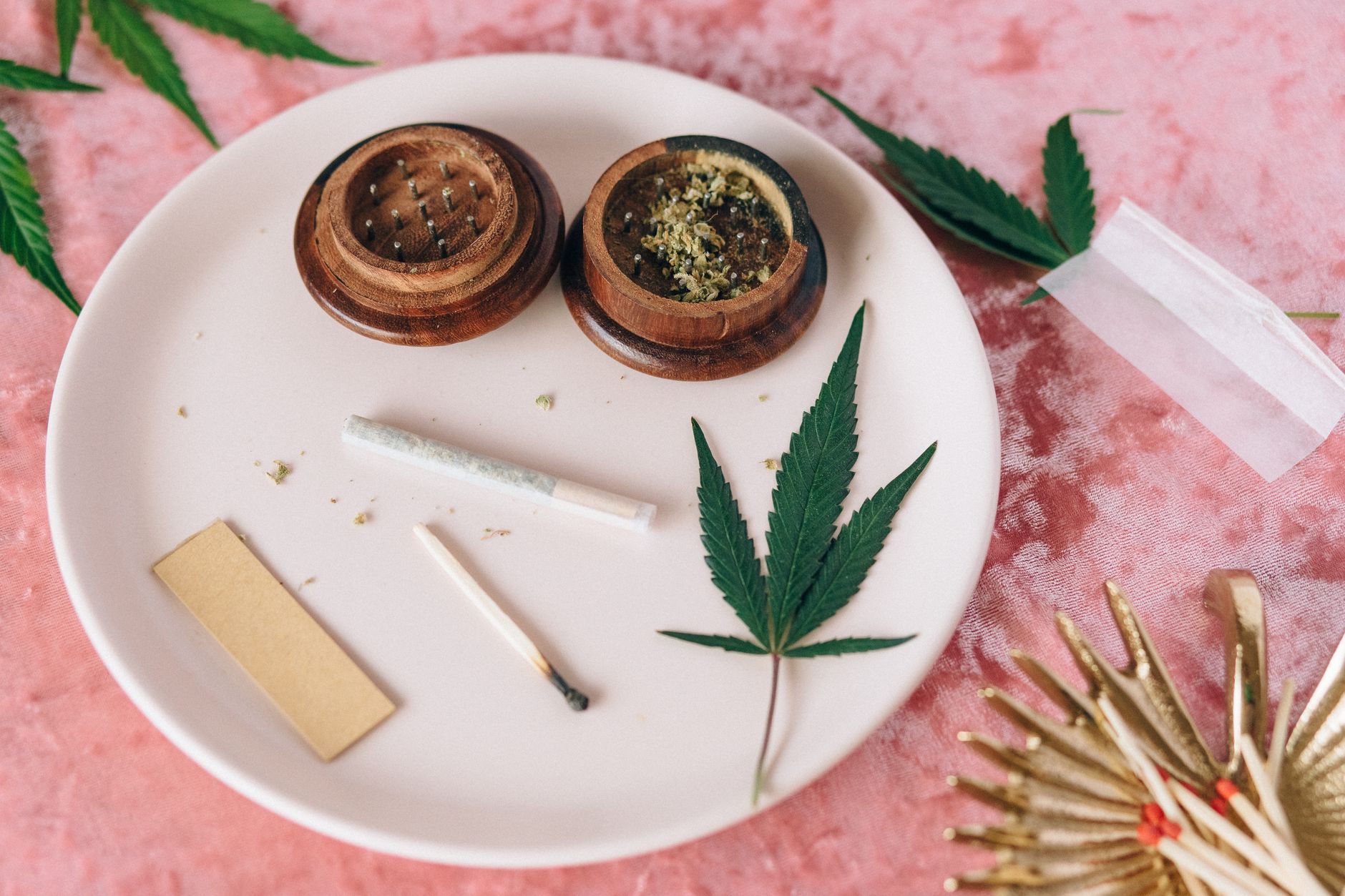
The two main methods are: rolling the outside of a sticky joint in kief (a "twax joint"), or spreading a thin layer of kief along the inside of the paper before adding your ground flower. The inside method is cleaner and more efficient.
Looking at public grower forum reports and community threads, the inside-line method consistently produces more even burns than twaxing, which tends to run and canoe on one side when kief clumps unevenly on the exterior.
- Inside method: spread 0.15–0.25 g of kief in a thin line along the length of your rolling paper before adding flower.
- Twax method: lick the outside of a rolled joint lightly, roll it in a pile of kief on a clean surface, allow to dry 60 seconds before lighting.
- Tip tuck: push a small pinch (0.1 g) into the tip of a pre-rolled cone for an intensified first few draws.
How Do You Press Kief Into Hash?
Pressing kief into hash is the oldest cannabis concentrate method in the world — and still one of the best for home growers who want a shelf-stable, high-potency product they can store for months.
Hash is simply kief that's been compressed under heat and pressure until the trichome heads rupture and fuse together, forming a dense, pliable block. The colour ranges from golden-brown to dark green-black depending on strain, purity, and pressing temperature.
Step 1: Gather at least 1 gram of kief
Below 1 g, pressing becomes impractical. Most growers accumulate 1–3 g over 4–8 weeks of regular grinding. The more you collect, the better the end product.
Step 2: Wrap kief tightly in baking paper or cellophane
Form a small packet and fold the edges flat. The tighter the wrap, the more uniform the hash block. A coin-shaped mould (using a small jar lid) produces a clean puck.
Step 3: Apply heat and pressure at 70–80°C
The most accessible method: dampen the outside of the paper packet lightly with water, then press with a heated flat iron set to its lowest setting (or a hair straightener) for 10-second intervals. Check between presses. Alternatively, press in your palm for a traditional hand-rolled ball — slower but no equipment required.
Step 4: Cool, unwrap, and cure for 24 hours
Freshly pressed hash is soft and pliable. Resting it uncovered at room temperature for 24 hours firms the exterior and concentrates the aroma. Store in an airtight container away from light.
Pressing kief above 80°C degrades terpenes before they can fuse into the hash matrix, producing a harsh, less flavourful product. The optimal range is 70–80°C — hot enough to rupture trichome heads and bind the mass, cool enough to preserve myrcene, limonene, and caryophyllene.
Formula: Kief mass (g) × 3 (pressure passes) × 10-second intervals at 70–80°C = viable hash puck. Example: 2 g of kief, 3 press cycles, 10 seconds each at 75°C produces a 1.8–1.9 g hash puck (5–10% mass loss is normal evaporation of moisture and volatile terpenes).
How Do You Make Moon Rocks With Kief?
Moon rocks are dense flower buds coated in cannabis oil (or melted hash) and then rolled in kief — producing a multi-layer cannabinoid bomb that can exceed 50% THC by weight.
Reviewing grower community data and public forum threads, moon rocks consistently rank as the highest-potency smokable product achievable at home without extraction equipment. They are not beginner-friendly — the high is intense and long-lasting, particularly for growers working with high THC seeds Australia.
- You'll need: Dense, well-cured bud (1–2 g), cannabis concentrate or warm coconut oil, kief (0.5–1 g), two forks or tongs, a clean surface.
- Method: Using tongs, roll the bud in warm oil until fully coated. While still tacky, roll through a small pile of kief until the entire surface is covered. Place on baking paper and allow to dry/set for 2–4 hours.
- Smoking: Break up (never grind) moon rocks with scissors or fingers. Grinding destroys the kief coating. Smoke in a glass pipe for best effect.
How Do You Use Kief for Cannabutter and Edibles?
Kief is an exceptional starting material for cannabutter and cannaoil because its high cannabinoid concentration means you need far less plant material to achieve the same potency as flower-based infusions.
Based on patterns seen in public grower recipe communities, 1 g of quality kief (at ~50% THC) substitutes for approximately 3–5 g of mid-strength flower (at ~20% THC) in an infusion — making it highly efficient for edibles at scale.
Step 1: Decarboxylate the kief first
Spread kief in a thin layer on baking paper on an oven tray. Bake at 110°C for 30–35 minutes. This converts THCA to active THC. Without decarboxylation, edibles will have minimal psychoactive effect. Watch closely — kief can burn at higher temperatures.
Step 2: Infuse into butter or coconut oil
Melt 250 g of unsalted butter in a saucepan with 250 mL of water (the water prevents burning). Add decarboxylated kief and maintain 70–85°C for 45–60 minutes, stirring regularly. Do not boil. The water separates from the butter on cooling — discard it.
Step 3: Strain, cool, and store
Pour the mixture through a fine mesh strainer or cheesecloth into a glass container. Refrigerate until the butter solidifies on top. Remove the butter disc, dry lightly, and store in an airtight container for up to 4 weeks in the fridge.
Can You Add Kief to Coffee or Tea?
Adding kief to hot beverages is possible but requires one critical step that most beginners skip: decarboxylation. Raw kief dropped into coffee will not produce psychoactive effects because THCA has not been converted to THC.
There's also a bioavailability issue — THC is fat-soluble, not water-soluble. Hot water alone won't efficiently extract cannabinoids. Adding a fat source (full-cream milk, butter, or coconut cream) to your beverage significantly improves absorption.
- Pre-decarb method: Decarboxylate kief first (110°C, 30 min), then stir 0.1–0.3 g into a coffee or tea with whole milk or butter. This is the most reliable approach.
- Direct addition: For very hot beverages (above 95°C), a small amount of kief will partially decarboxylate in the liquid — but potency is inconsistent. Not recommended for dose-sensitive users.
- Timeline: Onset 30–90 minutes, duration 3–6 hours — significantly longer than smoking or vaping.
How Do You Press Kief Into Rosin?
Kief rosin (also called "hash rosin" when the kief is first pressed into hash) is a solvent-free concentrate produced by applying heat and high pressure to kief, forcing the trichome oil to separate and be collected on parchment paper.
The result is a golden, translucent oil with cannabinoid concentrations that can exceed 70% THC — the highest-potency product achievable at home without solvents. A rosin press (or a hair straightener for small batches) is all you need.
- Optimal temp range: 70–85°C for kief rosin. Higher temperatures increase yield but degrade terpenes and produce a darker, harsher product.
- Pressure and time: 5–10 seconds of firm, even pressure. Multiple short presses outperform one long press for terpene preservation.
- Yield: Expect 50–70% yield from quality kief (i.e., 1 g kief produces 0.5–0.7 g rosin). Lower-grade kief returns 30–50%.
- Collection: Use a dab tool to scrape rosin off parchment while still warm and pliable. Store in a silicone container.
For further reading on cannabinoid chemistry and extraction science, NIH PubMed's trichome research index contains peer-reviewed studies on trichome density, cannabinoid distribution, and extraction efficiency.
How to Collect More Kief From Your Grinder
Kief yield depends on strain genetics, cure quality, and grinder design. Growers working with resinous autoflower seeds Aussie growers favour often find their kief chambers fill noticeably faster than those grinding low-resin genetics.
Looking at grower community reports and publicly shared grow journals, the following strategies consistently appear among the heaviest kief collectors:
- Use a 4-piece grinder with a fine kief screen (150 micron or smaller). Coarser screens let plant matter through, contaminating your kief.
- Freeze your grinder for 20–30 minutes before grinding. Cold trichomes detach more readily from frozen flower, increasing kief yield per session by an estimated 15–25% based on community-reported comparisons.
- Place a clean coin in your kief chamber and shake the grinder gently after each use. The coin knocks kief off the screen and into the collection chamber.
- Grind more flower at once rather than in small batches. Larger grinding volumes create more tumbling action and trichome separation.
- Let flower cure properly before grinding. Over-dried, crumbly flower breaks into plant matter rather than cleanly releasing trichomes. The ideal moisture content for grinding is 10–12% — slightly sticky to touch but not damp.
Royal King Seeds Kief Use Scoring Table
The scoring below rates each kief use case across five dimensions relevant to Australian home growers. Methodology: Potency efficiency 30% + Ease/accessibility 25% + Versatility 20% + Yield efficiency 15% + Beginner-friendliness 10% = Royal King Seeds Kief Score out of 100.
| Use Case | Potency Efficiency | Ease | Versatility | Yield Efficiency | Beginner Rating | RKS Kief Score |
|---|---|---|---|---|---|---|
| Crown a Bowl | High | Very Easy | Low | Medium | 9/10 | 88 |
| Press Into Hash | Very High | Easy | High | High | 7/10 | 86 |
| Cannabutter / Edibles | Very High | Moderate | Very High | Very High | 5/10 | 83 |
| Add to Joints | High | Very Easy | Low | Medium | 8/10 | 82 |
| Rosin Pressing | Excellent | Moderate | High | High | 4/10 | 79 |
| Moon Rocks | Excellent | Moderate | Low | Medium | 4/10 | 72 |
| Kief Coffee / Tea | Medium | Easy | Medium | Medium | 5/10 | 64 |
- No equipment beyond what you already own
- Immediate potency boost with zero preparation time
- Works for any quantity, even sub-0.1 g amounts
Why Rosin Pressing Ranked Lower Despite High Potency:
- Requires at minimum a hair straightener and parchment paper — equipment barrier exists
- Needs a stockpile of 3 g+ kief to make the process worthwhile
- Skill curve is steeper — over-pressing destroys terpenes and wastes material
Royal King Seeds Kief Risk Rating
This table rates the risk profile of each kief use method — distinct from potency and ease — so growers can match their experience level to the right application.
| Use Case | Overdose Risk | Waste Risk | Skill Failure Risk | Equipment Risk |
|---|---|---|---|---|
| Crown a Bowl | Low | Very Low | Very Low | None |
| Add to Joints | Low | Low | Low | None |
| Press Into Hash | Medium | Low | Low | Low |
| Cannabutter / Edibles | High | Medium | Medium | Low |
| Moon Rocks | High | Medium | Medium | Low |
| Rosin Pressing | High | High | High | Medium |
| Kief Coffee / Tea | High | Medium | Medium | Low |
Kief Myths vs. Reality
| Myth | Reality |
|---|---|
| "Kief is basically the same as flower." | Kief averages 40–70% THC vs. 18–28% in flower. It is 2–4× more potent by weight. |
| "Green kief means it's bad quality." | Green kief contains more plant matter — it's lower purity but not unusable. Pale golden kief is higher purity. |
| "You can eat kief raw and get high." | Raw kief contains THCA, not THC. Decarboxylation (heat) is required to activate it for edible use. |
| "Kief loses potency after a few days." | Properly stored kief (airtight, dark, cool) retains potency for 6–12 months. Light and air degrade it faster than time alone. |
| "A 2-piece grinder is fine for collecting kief." | 2-piece grinders have no kief chamber. A 3- or 4-piece grinder with a mesh screen is mandatory. |
| "More heat = better hash." | Pressing above 80°C degrades terpenes. The 70–80°C range produces better flavour with comparable potency. |
Common Kief Mistakes and How to Fix Them
Mistake 1: Burning Kief Directly Without Flower Underneath
Kief combusts rapidly and unevenly at direct flame temperatures. Without a flower base beneath it, kief flares, wastes potency, and produces a harsh hit. Always layer kief on top of packed flower — never alone in a bowl.
Mistake 2: Skipping Decarboxylation for Edibles
This is the most common edibles failure. Raw kief in butter or coffee produces little to no effect because THCA is non-psychoactive. Signs you've skipped decarb: edibles taste strongly of cannabis but produce no effect after 90 minutes. Fix: always bake kief at 110°C for 30–35 minutes before any edible use.
Mistake 3: Storing Kief in the Grinder Indefinitely
Grinder chambers are not airtight — they expose kief to air and light over time, slowly degrading THC to CBN. Move accumulated kief into a small glass jar with a tight lid, stored in a cool dark place, every 2–4 weeks.
Mistake 4: Using a Coin Scratch to Collect Kief When Screen Is Wet
Pressing a coin across a damp kief screen (common after humid weather in coastal QLD and NSW) clogs the mesh and tears it. Let your grinder dry fully at room temperature before using the coin-scrape method. A soft brush (like a makeup brush) is gentler and works on damp screens.
Mistake 5: Pressing Hash at Too High a Temperature
Signs of over-pressed hash: dark black colour, oily surface that doesn't harden on cooling, harsh acrid smell. This is denatured terpenes. Fix: drop your flat iron to its minimum setting and test a small amount first. Work in 10-second intervals at 70–75°C.
Mistake 6: Grinding Moon Rocks
Moon rocks should never go in a grinder. The kief coating is destroyed and sticks to the grinder walls, the oil gums up the mechanism, and the resulting ground material is uneven and wasteful. Use scissors or your fingers to break apart moon rocks directly into your bowl.
Mistake 7: Underestimating Edible Potency
Kief cannabutter is 2–4× more potent than standard flower-based cannabutter for the same quantity of plant material. Growers who use their usual flower dose in kief butter recipes consistently report unexpectedly strong effects. Start with 25–50% of your usual dose when making kief edibles for the first time.
What Happens If You Choose the Wrong Method?
- Method: Crown a bowl
- Kief used: 0.15 g per session
- Risk level: Low
- Outcome: Consistent potency boost with no wasted kief, no new equipment, and full control over dose per session.
- Method: Kief cannabutter (skipping decarb)
- Kief used: 2 g
- Risk level: High
- Outcome: Two grams of kief wasted — edibles produce no psychoactive effect, and the entire butter batch has to be discarded and remade from scratch.
Bottom line: The most common kief disaster is an edibles batch where decarboxylation was skipped — it wastes more kief in a single mistake than most people collect in a month.
Which Kief Use Is Right for You?
- You have less than 0.5 g of kief → Crown a bowl. Don't overthink it — this is the best use at small quantities.
- You want to smoke but boost potency → Add to joints or crown a bowl. No extra steps needed.
- You have 1–3 g and want a storable product → Press into hash. Simple, shelf-stable for months.
- You want the ultimate potency experience → Moon rocks or kief rosin (experience recommended).
- You prefer edibles over smoking → Cannabutter. Best yield efficiency and most versatile downstream use.
- You want morning or daytime use → Kief coffee with decarboxylated kief in full-cream milk.
- You have 3 g+ and a hair straightener → Rosin pressing. Solvent-free concentrate with exceptional potency.
- You're a complete beginner → Start with crowning a bowl. Learn the potency before advancing to edibles or concentrates.
Real Grower Scenarios: Kief Use Across Australia
Growing autoflower seeds indoors year-round in high humidity. Kief collects fast from resinous genetics but the grinder sweats slightly in summer — uses a brush instead of coin scraping. Primary use: cannabutter for edibles, made monthly with 2–3 g kief batches. Decarbs at 110°C before infusion. Reports consistently potent results.
Outdoor grower, one harvest per season (Apr). Stores cured flower, grinds gradually through winter months. Accumulates 4–6 g of kief by August. Uses hair straightener rosin method on 3 g batches, keeps remaining kief for bowl crowning. One of the most common patterns seen in southern-state grower community posts.
Indoor grower with dry climate — kief collects cleanly and remains powdery year-round without humidity concerns. Favours hash pressing at low temps, curing hash blocks for 48 hours before use. Notes that Mediterranean-climate kief stores better at room temperature versus subtropical equivalents. Presses 1 g batches fortnightly.
Short outdoor season (Nov–Mar) means one harvest window. Kief from dense, cold-grown buds is notably sticky and compresses well into hash. Uses the pressing method exclusively, then stores hash through winter. Reports hash cured in cool Tasmanian rooms (12–15°C) develops a smoother flavour profile after 2–3 weeks than hash stored at warmer temperatures.
Kief Collection Calendar — Australian Seasonal Guide
Kief availability tracks your harvest and cure schedule. Here's when most Australian growers are grinding and accumulating kief across the year, based on a typical Southern Hemisphere outdoor season:
Spring planting. Kief stores from last harvest. Use existing stockpile.
Seedlings growing. Low grind volume. Good time to press stored kief into hash.
Vegetative growth. Minimal grinding. Edibles season if stockpile is large.
Flowering begins. Still no harvest. Grind stored cured flower from prior season.
Late flower / autos finishing. First fresh kief from current-season autoflowers.
Peak outdoor bloom. Some autoflower harvests finishing. Kief accumulation begins rising.
Main harvest month. Curing begins. Fresh kief available from early-harvested material.
Post-harvest. Curing completes. Peak grinding season starts. Kief accumulation highest.
Full grind season. Hash pressing recommended now — large kief stockpile available.
Mid-winter. Peak edibles and hash-making season. Rosin pressing ideal for stockpiles.
Late winter. Kief stockpile may be depleting. Good time to take stock before spring.
Pre-spring prep. Plan new season strain selection to maximise next kief yield.
What We See Looking Across Australian Grower Communities
After reviewing public grower journals, community forums, and the questions that come through our support channels most frequently, a few consistent patterns stand out around kief usage in Australia.
The most common mistake isn't ignorance — it's impatience. Looking at the grower support questions that spike after harvest season (April–June), kief misuse clusters around two behaviours: making edibles without decarboxylation, and pressing hash at incorrect temperatures. Both produce wasted kief and frustrated growers.
A second pattern: growers in tropical climates (Darwin, Cairns) report kief that's stickier and harder to collect than southern-state counterparts. This is consistent with what's known about terpene behaviour at high humidity — terpenes are hygroscopic and cause trichomes to clump rather than fall freely through grinder screens. The fix is simple: store your grinder in a dry environment and grind in an air-conditioned room if possible.
Third, growers using CBD strains frequently ask whether their kief is worth using — the answer is yes, particularly for edibles where the CBD-to-THC ratio can produce longer-lasting, more body-centred effects that many medical users prefer.
The Australian Drug Foundation provides harm reduction guidance on cannabis concentrates, including potency awareness — worth reading before making your first high-potency batch.
Frequently Asked Questions About Kief
What is kief exactly?
Is kief stronger than regular flower?
How do I collect kief at home?
How long does it take to collect enough kief to use?
Can you smoke kief by itself?
Does kief need to be decarboxylated for edibles?
What temperature should I press kief hash at?
How long does kief keep its potency?
Why is my kief green instead of golden?
Can I put kief in my coffee or tea?
What are moon rocks and how much kief do they use?
Why didn't my kief edibles work?
Can I make rosin from kief at home?
How much kief do I need to make hash?
My kief is clumping in the grinder — what's wrong?
Is the kief from CBD strains worth using?
Should I press kief into hash before using it in edibles?
Can autoflower kief be used the same way as photoperiod kief?
Why is my hash crumbling instead of holding together?
What's the best strain for collecting the most kief?
Is kief illegal in Australia?
How do I know when my kief is potent enough to use?
Can I add kief to a vaporiser?
Why did my moon rocks burn unevenly?
Sources
- Therapeutic Goods Administration (TGA) — Medicinal Cannabis Overview
- Australian Drug Foundation — Cannabis Facts
- NIH PubMed — Cannabis Trichome and Cannabinoid Research
- Bureau of Meteorology — Australian Climate Data
- ABARES — Australian Bureau of Agricultural and Resource Economics and Sciences
- Journal of Cannabis Research — Peer-Reviewed Cannabis Science
Related Articles
Ready to Start Growing?
Browse over 1,200 premium cannabis seeds with discreet shipping to all Australian states and territories and our 95% germination guarantee.
Shop Cannabis Seeds