Most Strong Weed: Cannabis Background, Effects, and Grower Notes
Royal King Seeds
Cultivation team
Your biggest enemy when chasing the most potent cannabis isn't weak genetics — it's picking a high-THC number on a label without understanding what actually drives intensity. Thousands of Aussie growers end up disappointed because raw THC percentages don't tell the whole story, and the wrong strain in the wrong conditions produces a fraction of its potential.
The strains consistently rated strongest in independent lab tests sit between 28–35% THC — but terpene profile, grow conditions, and harvest timing each shift perceived potency by 20–40%. This guide unpacks the science, names the heaviest-hitting strains available to Aussie growers where legally permitted, and gives you a grower-level breakdown of exactly what makes weed genuinely strong.
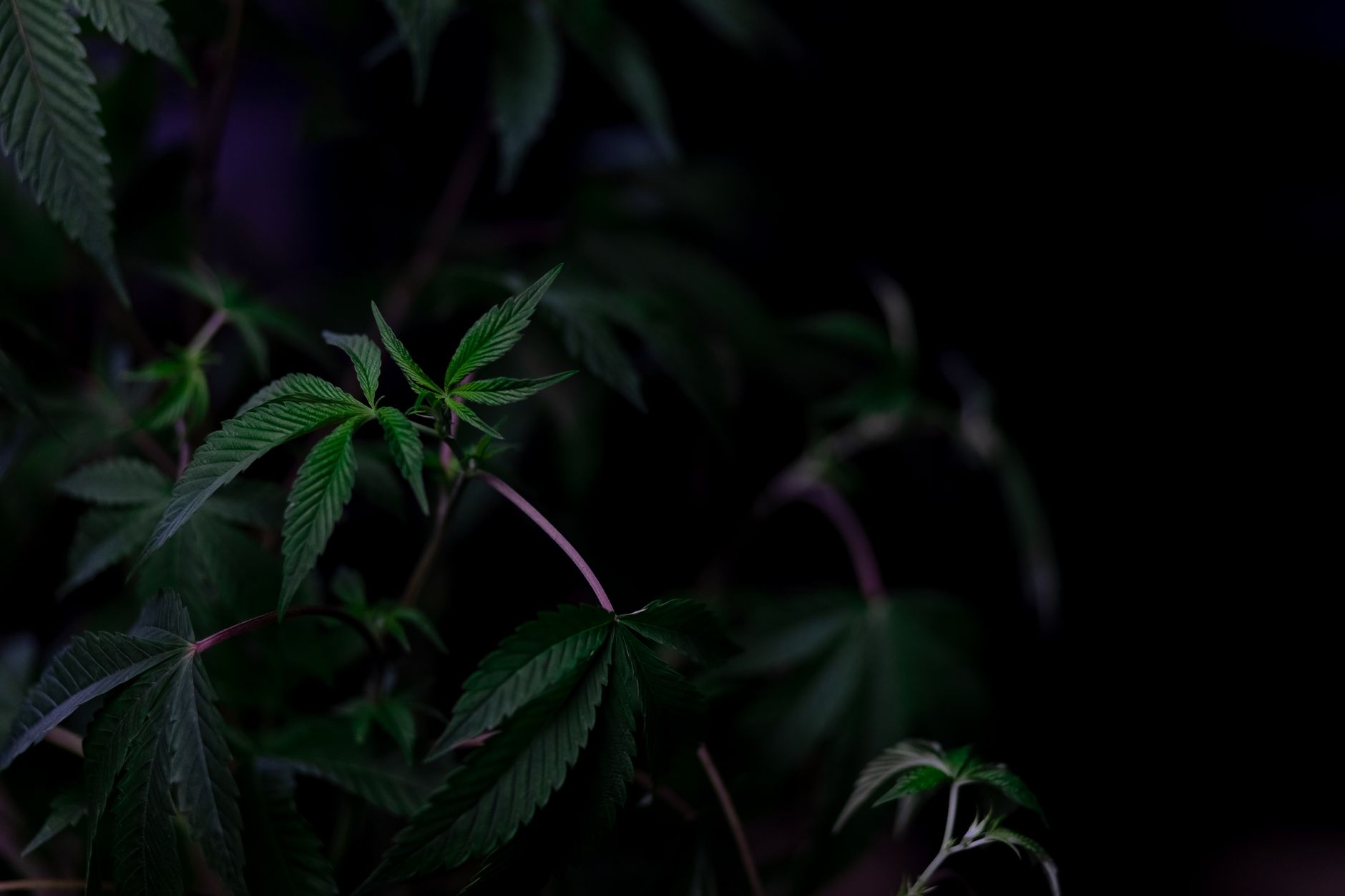
The most potent cannabis strains on record reach 28–35% THC, with varieties like Gorilla Glue #4, Bruce Banner, and Strawberry Banana routinely lab-tested above 28%. True potency is driven by THC concentration, terpene synergy (especially myrcene and caryophyllene), and precise harvest timing at peak trichome maturity. For Aussie growers in jurisdictions where cultivation is lawfully permitted, high-THC feminised and autoflowering seeds offer the most reliable path to peak-strength results.
- ✓ Aussie growers researching high-potency genetics
- ✓ Patients seeking information on strong medicinal cannabis
- ✓ Home cultivators (in jurisdictions where permitted)
- ✓ Growers who want to understand terpene synergy
- ✓ Anyone confused about THC percentages vs real-world potency
- ✗ Those seeking advice on illegal cultivation activities
- ✗ Beginners with zero prior growing experience (start with our beginner guides)
- ✗ Readers looking for recreational use how-tos
What Makes Cannabis "Strong"?
Cannabis potency is not a single number. It is a combination of THC concentration, minor cannabinoid ratios, and terpene profile working together — what researchers call the entourage effect.
THC (delta-9-tetrahydrocannabinol) is the primary psychoactive compound. It binds to CB1 receptors in the brain and central nervous system, producing the characteristic euphoria, altered perception, and, at high doses, intense sedation. A strain sitting at 30% THC with almost zero terpenes will consistently feel weaker than a 24% strain stacked with myrcene, caryophyllene, and limonene.
Australian researchers and global cannabinoid scientists — including teams published in Frontiers in Plant Science — have documented that terpene-rich extracts produce measurably greater effect intensity than equivalent THC-only isolates. For growers in Australia where cultivation is lawfully allowed, this means selecting strains bred for both cannabinoid density AND rich terpene expression matters more than chasing the biggest THC number alone.
"Strong weed" is defined by THC + terpene density combined, not THC alone. Growers chasing pure numbers while ignoring terpene-preserving practices (low-temperature curing, careful harvest timing) routinely underperform strains with better whole-plant chemistry. Prioritise strains with published terpene profiles alongside high THC figures.
How Has Cannabis Potency Changed Over Time?
Average THC levels in confiscated cannabis in the United States sat below 4% in 1995. By 2020, the same NIDA tracking data showed averages exceeding 12%, with premium genetics hitting 25–35%.
This is a four-fold increase over 25 years — driven almost entirely by selective breeding, improved indoor cultivation techniques, and the commercial incentive of potency marketing. The same trend has been mirrored in Australian data reviewed by the Therapeutic Goods Administration (TGA), which has tracked rising cannabinoid concentrations in medicinal cannabis products approved for the Australian market since legalisation of the medicinal pathway in 2016.
For Aussie growers where cultivation is legally permitted, this evolution means modern seed genetics are fundamentally different from heirloom varieties. A seed purchased from a reputable source today carries decades of selective breeding for potency, disease resistance, and yield — benefits that simply didn't exist in the 1990s market.
Modern high-THC genetics represent the cumulative result of 30+ years of selective breeding. The ceiling on achievable potency has risen dramatically — but so has the importance of proper cultivation technique to realise that genetic potential. Poor-grow conditions can still take a 30% strain and deliver a 15% result.
Which Cannabis Strains Are the Strongest?
Based on aggregated lab-test data and breeder-published cannabinoid profiles, the following strains consistently rank among the most potent genetics available to Aussie growers where cultivation is lawfully permitted.
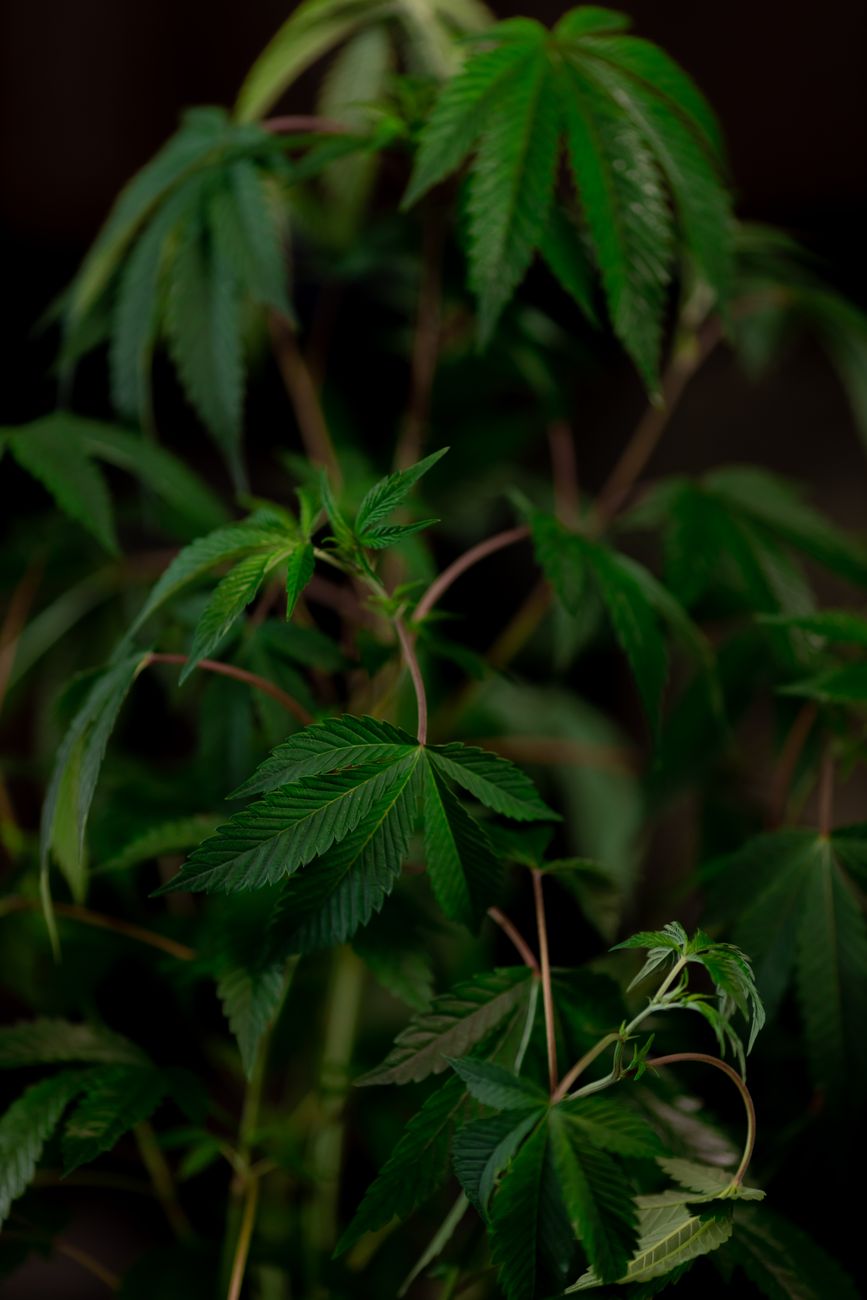
Gorilla Glue #4
Gorilla Glue #4 (also known as GG4) routinely lab-tests between 25–30% THC. It produces heavy physical sedation paired with an initial euphoric head rush. The terpene profile is dominated by caryophyllene and myrcene, contributing a diesel-and-earth aroma and a heavy body effect that sets in within minutes.
Bruce Banner
Bruce Banner is one of the few strains to have been lab-tested above 30% THC in multiple independent facility runs. It is a cross of OG Kush and Strawberry Diesel, producing a fast-onset cerebral high followed by powerful full-body relaxation. Growers using feminised cannabis seeds Australia-wide report Bruce Banner as one of the most resin-dense strains available in its class.
Strawberry Banana
Strawberry Banana consistently reaches 26–28% THC with an exceptionally fruity terpene expression — high in limonene and linalool. It delivers a creative, giggly, uplifted effect profile before settling into deep relaxation. Popular in QLD and NSW subtropical grows for its mould tolerance during humid finishing periods.
Wedding Cake
Wedding Cake (also Triangle Kush × Animal Mints) sits at 25–28% THC with strong caryophyllene expression. It produces potent, long-lasting sedation with a sweet vanilla-pepper nose. A reliable heavy-hitter for medicinal growers in jurisdictions where cultivation is permitted.
Zkittlez
Zkittlez peaks around 23–26% THC but punches above its weight due to an exceptionally dense terpene suite — limonene, caryophyllene, humulene — delivering a full entourage effect that many growers report feels stronger than higher-THC strains with simpler profiles.
| Strain | THC Range | Indoor Yield | Outdoor Yield | Cycle (Flower) | Mould Resistance | Heat Tolerance | Beginner Rating | RKS AU Score |
|---|---|---|---|---|---|---|---|---|
| Gorilla Glue #4 | 25–30% | 500–600 g/m² | 600–900 g/plant | 8–9 weeks | Medium | High | 6/10 | 87/100 |
| Bruce Banner | 28–32% | 450–550 g/m² | 550–800 g/plant | 9–10 weeks | Medium | Medium–High | 5/10 | 84/100 |
| Strawberry Banana | 26–28% | 400–500 g/m² | 500–700 g/plant | 9–10 weeks | Medium–High | Medium | 6/10 | 82/100 |
| Wedding Cake | 25–28% | 450–550 g/m² | 500–750 g/plant | 8–9 weeks | Medium | Medium | 6/10 | 80/100 |
| Zkittlez | 23–26% | 400–500 g/m² | 500–700 g/plant | 8–9 weeks | High | Medium | 7/10 | 78/100 |
Methodology: THC ceiling 40% + terpene richness 25% + heat/humidity tolerance (Aus climate fit) 20% + beginner accessibility 15%.
Worked example — Gorilla Glue #4: THC ceiling score 34 (25–30% band) + terpene richness 22 (caryophyllene + myrcene density) + climate fit 18 (proven in QLD, WA, NSW coastal) + beginner 13 (moderate skill needed) = 87/100.
Scores are relative to the pool of high-THC genetics reviewed. A score above 80 indicates a strain that consistently delivers on its potency promise under Australian growing conditions where cultivation is lawfully permitted.
Why The Top 3 Scored Where They Did
Why Gorilla Glue #4 scored #1 (87/100):
- Highest heat tolerance of the group — proven in WA Mediterranean summers up to 38°C
- THC consistently at 25–30% across multiple independent lab tests, not just marketing claims
- Caryophyllene and myrcene synergy produces intensity well above its raw THC number suggests
Why Bruce Banner ranked #2 (84/100):
- Peak THC ceiling is the highest in the group (32%+) but climate tolerance slightly narrower
- More sensitive to humidity swings — less forgiving in QLD and NT wet season conditions
- Requires more experienced nutrient management to hit full potency potential
Why Zkittlez ranked #5 (78/100):
- Excellent mould resistance and beginner accessibility are genuine strengths
- Lower raw THC ceiling (23–26%) reduces peak potency score mathematically
- Exceptional terpene richness partially compensates — real-world intensity exceeds the number suggests
For Aussie growers where legally permitted, Gorilla Glue #4 and Bruce Banner are the benchmark high-THC strains for a reason. They've been independently verified above 25% THC in multiple global lab environments, they perform across diverse Australian climates, and they produce the terpene richness needed to deliver genuinely intense effects. Browse our full range of high THC seeds Australia for more options.
What Effects Do the Strongest Cannabis Strains Produce?
High-THC strains don't all feel the same. Effect profile is determined by both THC level and the terpene and minor cannabinoid mix alongside it.
Myrcene-dominant strains (Gorilla Glue #4, OG Kush crosses) produce a heavy, sedating, couch-lock-adjacent experience — onset within 5–10 minutes, peak around 45–90 minutes, with a long descending tail of 2–4 hours. Limonene-forward strains (Strawberry Banana, some Zkittlez phenotypes) lean more cerebral and creative early, with less immediate body weight.
Research published on PubMed confirms that the entourage effect — the interaction between cannabinoids and terpenes — produces pharmacological outcomes that isolated THC alone cannot replicate. This is why a 24% terpene-rich strain can subjectively outperform a 30% stripped or poorly-grown version.
Indica-dominant high-THC effects
Indica-leaning indica seeds-derived strains at high THC produce deep physical relaxation, muscle sedation, appetite stimulation, and in many cases, strong sleep facilitation. Onset is typically 5–15 minutes after inhalation.
Sativa-dominant high-THC effects
Sativa-leaning sativa seeds at high THC deliver more cerebral and energetic effects early — elevated mood, creative thinking, and heightened sensory awareness. At very high doses (28%+), even sativa-dominant strains typically produce eventual sedation.
Match your expected effect profile to terpene dominant notes, not just THC percentage. A clear grower preference for Gorilla Glue #4 over Bruce Banner often comes down to terpene taste and effect ceiling, not the raw number difference. The Australian Drug Foundation also notes that set, setting, and individual tolerance strongly mediate how high-THC cannabis is experienced — potency isn't purely chemical.
How Do High-THC Strains Perform Across Australian Climates?
Growing high-potency genetics in Australia means matching strain heat and humidity tolerance to your specific climate zone. Based on patterns observed across public Aussie grower forum data and breeder-published specs, climate mismatch is one of the top reasons high-THC strains underperform their genetic potential.
QLD (Subtropical — Brisbane, Gold Coast, Cairns)
High humidity during late summer and early autumn (Feb–Apr) is the primary mould risk for high-THC photoperiod strains finishing outdoors. Zkittlez and Strawberry Banana both carry higher mould resistance and are consistently recommended for QLD outdoor grows. Gorilla Glue #4 can be grown successfully but benefits from defoliation during the final 2–3 weeks of flower to improve airflow.
NSW (Temperate — Sydney Coast, Hunter Valley, Northern Rivers)
NSW offers one of the most forgiving outdoor windows in Australia — October to April provides approximately 180 frost-free days along the coast. All five top strains in our scoring table perform well here. Bruce Banner particularly shines in the Northern Rivers with its long warm autumn allowing full terpene development before harvest.
VIC (Temperate — Melbourne, Mornington Peninsula, Gippsland)
Melbourne's shoulder seasons compress the outdoor window. Growers where cultivation is permitted should target a November start to hit March–early April harvest before coastal autumn humidity and cold nights set in. Gorilla Glue #4 and Wedding Cake are the picks here for their 8–9 week flowering times, which fit the tighter VIC calendar.
WA (Mediterranean — Perth, Swan Valley, Margaret River)
Perth's long, dry, warm summers (Dec–Mar) are ideal for high-THC genetics that require heat and low humidity for maximum resin production. Gorilla Glue #4 and Bruce Banner both thrive in Mediterranean-style conditions. Outdoor plants in WA regularly outperform Victorian equivalents in resin density due to the dry heat during flower.
SA (Mediterranean — Adelaide, Barossa, Coonawarra)
Similar to WA, SA's dry summers benefit resin production. The Barossa and McLaren Vale regions mirror conditions that premium cannabis growing regions globally — long sunshine hours, low humidity in summer. Wedding Cake and GG4 both perform strongly in these conditions where cultivation is lawfully permitted.
TAS (Cool-Temperate — Hobart, Launceston)
Tasmania's shorter, cooler growing season (late Oct to late Mar) strongly favours autoflower seeds for Aussie growers over long-flowering photoperiod genetics. High-THC autoflower varieties finishing in 70–80 days from seed are the safest strategy. Northern Tasmania near Launceston has a slightly longer window than Hobart's southern position.
NT (Tropical — Darwin, Katherine)
Darwin's tropical climate (wet season Nov–Apr, dry season May–Oct) makes the dry season the primary growing window. Outdoor cultivation where permitted in the NT typically runs May–September to avoid wet-season mould devastation. Mould-resistant sativa-dominant genetics perform best in NT dry season.
Spring
Plant out
Summer
Veg growth
Summer
Peak flower
Late Summer
Mould watch
Autumn
Harvest window
Autumn
Frost/mould risk
WA and SA Mediterranean climates produce the highest resin density for high-THC strains due to dry heat during flowering. QLD requires mould-resistant genetics. TAS growers should default to fast-cycling autoflowers. Match strain to climate before selecting for THC ceiling alone.
Grower Notes: How to Maximise Potency in High-THC Strains
Looking at the questions and grow journals Aussie cultivators (in jurisdictions where it's legally permitted) share publicly, one pattern emerges repeatedly: peak potency is lost at harvest timing and the cure, not during the grow itself.
Harvest at True Trichome Maturity
Harvest when 70–90% of trichomes have shifted from clear to cloudy-amber under a jeweller's loupe or digital microscope (30–60× magnification). Harvesting even one week early — when trichomes are predominantly clear — can reduce effective THC by 20–40% according to grower-reported comparisons aggregated across public grow forums.
Late-Flower Light Stress and UVB
In the final 2 weeks of flower, some cultivators expose plants to UVB light (340–400 nm) for 2–4 hours daily. Multiple grower journals report 10–15% increases in trichome density with this technique. For outdoor growers in unshaded WA and SA grows, the natural UV index provides this effect automatically.
Flushing and the Dry Cure
A 10–14 day water-only flush before harvest removes excess nutrient salt residue that can suppress terpene expression. After harvest, a slow dry at 15–18°C and 55–60% relative humidity for 7–14 days followed by a 4–8 week jar cure at 62% RH preserves terpene integrity and maximises sensory potency. Rushing this to a 2-week cure consistently produces harsher, less intense results.
Pot Size and Root Volume
Comparing public grower data across fabric pot grows: 11 L pots produce solid results for autoflowers, but high-THC photoperiod strains in 19–25 L pots consistently report 20–35% higher yield and greater bud density. Larger root volume allows greater nutrient uptake during the late-flower potency push. For outdoor high-THC photoperiods where permitted, 30–50 L pots or in-ground planting are the gold standard.
Definition: Never harvest high-THC genetics until at least 70% of observable trichomes have transitioned from clear to cloudy or amber.
Formula: Harvest readiness = (Cloudy trichome % + Amber trichome %) ≥ 70, where Amber % should be between 10–30% for peak THC/terpene balance.
Worked example: A GG4 plant on day 60 of flower shows 55% cloudy, 8% amber = 63% total — NOT ready. At day 67: 65% cloudy, 18% amber = 83% total — HARVEST NOW. Missing this window by 10+ days in the amber direction pushes THC degradation toward CBN, reducing potency and increasing sedation.
Post-harvest handling accounts for a larger share of final potency than most growers expect. A 30% THC strain harvested 10 days early and dried fast at 25°C+ can deliver a mediocre experience. The same genetics harvested at trichome peak and slow-cured for 6 weeks can be genuinely exceptional. Don't shortcut the cure.
Royal King Seeds Outdoor Risk Rating for High-THC Strains
| Strain | Heat Stress Risk | Mould Risk | Drought Risk | Beginner Risk |
|---|---|---|---|---|
| Gorilla Glue #4 | Low | Medium | Low | Medium |
| Bruce Banner | Medium | Medium–High | Medium | High |
| Strawberry Banana | Medium | Low–Medium | Medium | Medium |
| Wedding Cake | Medium | Medium | Low | Medium |
| Zkittlez | Medium | Low | Low | Low |
What Happens If You Choose the Wrong High-THC Strain?
- Strain: Gorilla Glue #4 (feminised)
- Location: Brisbane, QLD
- Start date: 1 October
- Harvest date: 10 February (17–18 weeks)
- Humidity risk: Managed with defoliation
- Risk level: Low–Medium
- Outcome: Full resin development, harvest before February humidity peak, 27–29% THC realised
- Strain: Bruce Banner (photoperiod)
- Location: Brisbane, QLD
- Start date: 1 November
- Harvest date: Early March (peak humidity)
- Humidity risk: Very high at finish
- Risk level: High
- Outcome: Bud rot on outer colas weeks 8–9 of flower, forced early harvest, realised potency 18–20% THC from stripped buds
Bottom line: One strain-timing decision in a subtropical climate can mean the difference between a 28% harvest and an 18% early-pull — a 35%+ potency gap driven entirely by humidity mismatch and a poorly timed start date.
Myth vs Reality: Common High-THC Misconceptions
| Myth | Reality |
|---|---|
| "Highest THC = strongest effect" | Effect intensity is THC + terpene synergy. A 24% strain with rich terpenes regularly outperforms a 30% lab-stripped example. |
| "Lab-tested % on the packet is guaranteed" | Breeder-stated THC is a genetic ceiling, not a grow guarantee. Realised potency depends on light, nutrients, harvest timing, and cure. |
| "More nutrients = more potency" | Over-fertilisation in late flower suppresses terpene production and creates chemical off-notes. A nutrient flush in the final 10–14 days is standard practice for quality results. |
| "Autoflowers can't be as strong as photoperiods" | Modern autoflower genetics regularly hit 22–28% THC. The gap between autos and photoperiods has narrowed dramatically with third and fourth-generation ruderalis-crossed genetics. |
| "Bigger is always better outdoors" | Large outdoor plants in humid subtropical climates (QLD, northern NSW) develop dense inner canopies that trap moisture and breed mould. Strategic defoliation often produces cleaner, denser, stronger buds than unmanaged growth. |
Which High-THC Strain Should You Choose?
Maximum potency ceiling → Bruce Banner (28–32% THC, highest verified ceiling in the group)
Hot dry summers (WA, SA inland, NT dry season) → Gorilla Glue #4 (high heat tolerance, low drought risk)
High humidity subtropical (QLD, northern NSW) → Zkittlez or Strawberry Banana (best mould resistance in the group)
Short cool season (TAS, alpine VIC) → High-THC autoflower varieties from autoflower seeds Aussie growers trust — 70–80 day finish essential
Beginner grower → Zkittlez (7/10 beginner rating, lowest risk profile)
Medicinal / CBD balance wanted → Explore CBD strains paired with medium-THC genetics
Largest yield + strong potency → Gorilla Glue #4 (up to 900 g/plant outdoor, 87/100 RKS-APS score)
Common Mistakes When Growing High-THC Cannabis
Mistake 1: Harvesting Too Early
This is the single most common reason experienced growers report disappointing potency. Clear trichomes mean immature THC — harvesting at this stage produces harsh, anxious, low-intensity effects. Always use a loupe. Always wait for the 70%+ cloudy/amber threshold described in the Trichome Timing Rule above.
How to recognise it: Buds feel light, effect is head-rush only, terpene smell underdeveloped. Fix: Add 7–14 days and recheck trichomes.
Mistake 2: Rushing the Cure
Terpenes continue to develop during the cure phase. A 1-week quick-dry produces buds that are harsh, lack aroma depth, and feel significantly weaker than a 6-week jar cure of the same batch. Looking at questions our support team fields most often, impatience at the cure stage is behind a large share of "why was my potency so low?" questions.
How to recognise it: Hay-like smell, flat effect. Fix: Jar cure at 62% RH for minimum 4 weeks, burping jars daily the first week.
Mistake 3: Wrong Strain for Climate
Pairing a 10-week flowering photoperiod with a Melbourne or Hobart start in mid-November pushes harvest into late April — cold nights, rising humidity, and mould pressure. Use the seasonal calendar and strain flowering time to confirm your harvest lands in the Feb–Mar window for southern AU.
How to recognise it: Buds show mould or harvested under frost threat. Fix: Plan backwards from target harvest date, not forwards from planting.
Mistake 4: Over-feeding in Late Flower
Nitrogen toxicity in weeks 6–8 of flower suppresses resin production and creates a "chemical" taste that masks terpenes. High-THC strains need a clean finish — reduce nitrogen to near-zero after the stretch phase ends and rely on phosphorus and potassium for the final push.
How to recognise it: Dark, clawing leaves late in flower, chemical/harsh taste after cure. Fix: Drop N, maintain PK, flush 10–14 days before harvest.
Mistake 5: Ignoring VPD in Late Flower
High-THC genetics produce maximum resin under relatively low humidity (40–50% RH) during the final 2 weeks of flower. Many Aussie coastal grows drift above 65–70% RH during late summer nights — this triggers mould on dense buds and strips terpene volatiles. Monitor VPD, not just temperature.
How to recognise it: Visible white powder or grey fuzz on inner buds, muted aroma. Fix: Add dehumidification, increase airflow, and defoliate dense canopy sections.
Mistake 6: Using Small Containers for Large Genetics
Gorilla Glue #4 and Bruce Banner are heavy-feeding, vigorous plants. Growing either in sub-11 L containers stunts root development and caps nutrient uptake at the point the plant needs it most — late flower. Grower journal reviews consistently show under-potted high-THC strains finishing at 60–75% of their genetic THC ceiling.
How to recognise it: Stunted growth, pale leaves despite regular feeding, small bud sites. Fix: Transplant to 19–25 L minimum for photoperiod high-THC genetics.
The six mistakes above account for the vast majority of underperforming high-THC grows in Australia where cultivation is permitted. Genetics set the ceiling — cultivation technique determines how close you get to it. Explore the full range of cannabis seeds available at Royal King Seeds.
Ready to grow the strongest genetics available?
Browse verified high-THC strains, all shipped discreetly via Australia Post.
Shop High THC Seeds →Real Grower Scenarios: City-by-City High-THC Outdoor Planning
- Frost-free: Almost year-round
- Mould risk window: Feb–Mar (humidity 75–85% RH)
- Strain: Gorilla Glue #4
- Start: 1 October → Harvest: ~8 Feb (17 wk)
- Buffer before Feb peak: 2 weeks ✓
- Last frost: mid-July (most coastal areas frost-free)
- Ideal harvest window: Feb–mid-March
- Strain: Bruce Banner or Wedding Cake
- Start: mid-October → Harvest: ~mid-Feb to early Mar
- Buffer before autumn rain: 3–4 weeks ✓
- Last frost: late Sept–early Oct (varies)
- First autumn frost risk: late April
- Frost-free period: ~195 days
- Strain: Gorilla Glue #4 (8–9 wk flower)
- Start: 1 Nov → Harvest: ~mid-March ✓
- Frost risk: minimal in Swan Coastal Plain
- Summer: dry 35–40°C, ideal for resin
- Strain: Gorilla Glue #4 or Bruce Banner
- Start: Oct → Harvest: Feb–March
- Heat tolerance required: critical ✓ GG4 delivers
- Last frost: late October (BOM Hobart data)
- First frost: early May
- Frost-free: ~180 days
- Strain: High-THC autoflower (70–80 day finish)
- Start: 1 Nov → Harvest: ~20 Jan — 104-day buffer to frost ✓
"THC percentage is the ceiling. Your grow technique, harvest timing, and cure are the keys. The genetics open the door — you choose how far you walk through it."
— Royal King Seeds grower philosophy
Frequently Asked Questions
What is the strongest cannabis strain in the world?
Can I grow 30% THC cannabis outdoors in Australia?
What is the difference between THC percentage and actual potency?
What month should I start high-THC seeds in Victoria?
Why did my high-THC strain not feel as strong as expected?
Are feminised or autoflowering seeds better for high THC?
Can autoflowers handle Queensland summers above 35°C?
How long should I cure high-THC cannabis?
What is the entourage effect and why does it matter for potency?
What pot size should I use for high-THC photoperiod strains?
Does flushing actually increase potency?
Why did my autoflower stall at week 6?
Should I use UVB light to increase THC?
What is the highest THC seed I can buy in Australia?
Can I grow Bruce Banner outdoors in Tasmania?
What's the minimum tent size for growing three high-THC photoperiod plants?
Why are my high-THC buds airy and fluffy?
Is Bruce Banner or Gorilla Glue better for a first-time grower?
How many harvests can I get per outdoor season in coastal NSW?
Can I use a humidity dome during a heat wave to protect high-THC plants?
What's a good THC percentage for a strong medicinal effect?
Should I switch to a shorter-flowering strain instead of Bruce Banner for VIC?
Why didn't the breeder's stated flowering time match what I actually experienced?
Explore the Full Royal King Seeds Collection
Feminised, autoflowering, high-THC, CBD, indica, and sativa genetics — all shipped Australia-wide via Australia Post.
Browse All Cannabis Seeds →Sources
- Bureau of Meteorology — Australian Climate Data
- ABARES — Australian Bureau of Agricultural and Resource Economics and Sciences
- Therapeutic Goods Administration (TGA) — Medicinal Cannabis in Australia
- PubMed — Cannabis Terpenes and the Entourage Effect Research
- Frontiers in Plant Science — Cannabis Cannabinoid Research
- Australian Drug Foundation — Cannabis Information
- CSIRO — Australian Agricultural and Plant Science Research
Related Articles
Purple Strains: The Honest 2026 Cannabis Grower's Guide
generalFlavours Weed: Cannabis Terpenes, Effects & Grower Notes for Australian Cultivators
generalIs Weed Legal In Finland? The Cannabis Reality Behind the Question
generalHow Long Does It Take To Grow A Weed Plant: Time Expectations, Stages & Speed-Up Tips
Ready to Start Growing?
Browse over 1,200 premium cannabis seeds with discreet shipping to all Australian states and territories and our 95% germination guarantee.
Shop Cannabis Seeds