Flavours Weed: Cannabis Terpenes, Effects & Grower Notes for Australian Cultivators
Royal King Seeds
Cultivation team
Most Australian growers obsess over THC percentage and completely ignore the chemical layer that determines how a strain actually smells, tastes, and hits — and that's costing them quality every single season. The most common complaint on Aussie grower forums isn't weak genetics; it's bland, flat-tasting buds that don't match the breeder's description.
The fix isn't a different strain — it's understanding terpenes, the 200+ aromatic compounds that drive cannabis flavour and shape the effect profile alongside THC. This guide breaks down everything you need to know about cannabis flavour science, regional Australian growing conditions that affect terpene expression, and the specific post-harvest steps that can preserve up to 30% more aromatic compounds in your finished product.
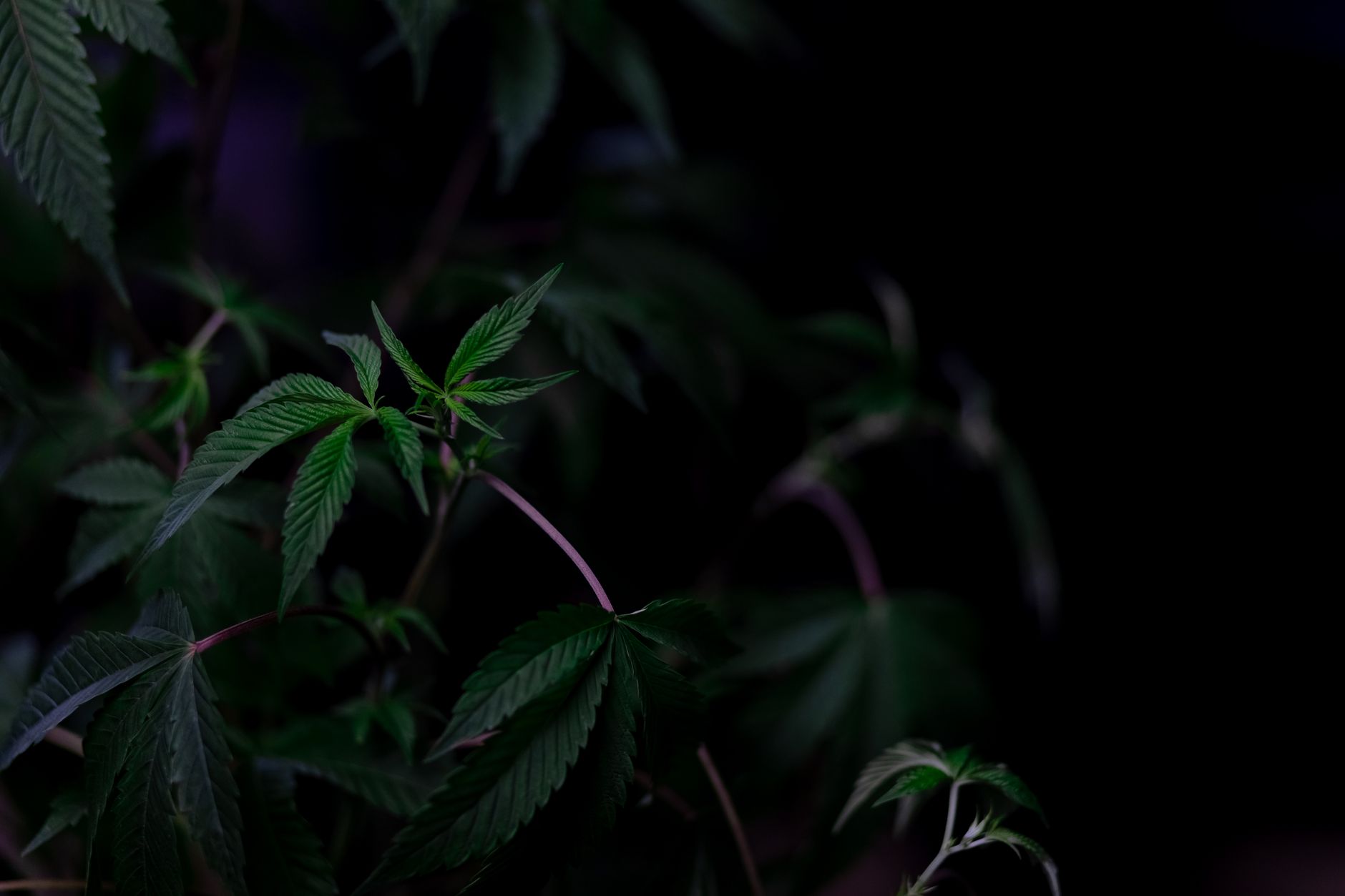
Cannabis flavour comes primarily from terpenes — volatile aromatic compounds produced in the same trichomes that make cannabinoids. Over 200 terpenes have been identified in cannabis. The dominant ones (myrcene, limonene, caryophyllene, linalool, pinene) each contribute distinct aromas and interact with THC and CBD to shape the overall effect, a phenomenon researchers call the entourage effect. Genetics set the terpene ceiling; growing environment and post-harvest handling determine how much of that ceiling you actually reach.
- What Are Cannabis Terpenes?
- What Are the Major Terpene Profiles in Cannabis?
- How Does Flavour Affect the Cannabis Experience?
- How Does Australian Climate Affect Terpene Expression?
- Who This Guide Is For
- What Are the Best Flavour-Forward Strains for Australian Growers?
- Strain Comparison: Flavour Profiles Side by Side
- How to Grow Cannabis for Maximum Flavour
- How Does Harvest Timing and Curing Affect Flavour?
- Myth vs Reality: Common Cannabis Flavour Misconceptions
- Common Mistakes That Kill Cannabis Flavour
- What Happens If You Choose Wrong?
- Grower Scenarios: Flavour Outcomes by Australian Region
- Frequently Asked Questions
- Sources
- ✓ Aussie growers who want to understand what makes a strain taste the way it does
- ✓ Home cultivators (where legally permitted) trying to improve finished product quality
- ✓ Seed shoppers comparing terpene-rich genetics for their climate zone
- ✓ Growers experiencing flat or harsh flavour despite good genetics
- ✓ Anyone curious about the science behind the entourage effect
- ✓ NSW, VIC, QLD, WA, and SA outdoor growers navigating heat and humidity impacts
- ✗ Growers looking for a basic "what is cannabis" explainer
- ✗ Anyone seeking medical advice — see your GP or the TGA for that
- ✗ Readers in jurisdictions where cultivation is illegal and who intend to break the law
- ✗ Growers only chasing maximum THC numbers with no interest in flavour
What Are Cannabis Terpenes?
Terpenes are volatile aromatic compounds produced in the resin glands (trichomes) of the cannabis plant alongside cannabinoids like THC and CBD.
They are not unique to cannabis — terpenes are found in pine trees, lavender, citrus fruit, black pepper, and hundreds of other plants. What makes cannabis unique is the sheer diversity of terpenes it can express simultaneously, and the way those terpenes interact with cannabinoids to modulate the overall effect.
In Australia, the Therapeutic Goods Administration (TGA) regulates medicinal cannabis products in part based on their cannabinoid and terpene profiles, which highlights just how clinically significant these compounds have become. For recreational or horticultural growers (in jurisdictions where cultivation is permitted), terpenes are equally important — they are the primary driver of a strain's aroma, taste, and perceived character.
Terpenes are not a bonus feature — they are the backbone of cannabis quality. If you're selecting seeds purely on advertised THC percentage without reviewing the terpene profile, you're missing the most predictive indicator of how the finished product will actually smell and taste. Always check the strain's dominant terpene listing before purchasing.
What Are the Major Terpene Profiles in Cannabis?
Each terpene has a distinct aroma fingerprint and interacts differently with the human endocannabinoid system. Here are the six most commonly dominant terpenes in commercially available cannabis genetics:
- Myrcene — Earthy, musky, herbal. The most abundant terpene in most commercial strains. Associated with a heavier, more sedating body effect. Found at high concentrations in indica-leaning genetics.
- Limonene — Bright citrus, lemon, orange. Elevating and mood-forward. Dominant in many sativa-leaning and hybrid strains.
- Caryophyllene — Spicy, peppery, woody. The only terpene known to bind directly to CB2 receptors, giving it anti-inflammatory properties that are the subject of ongoing research via PubMed-indexed studies.
- Linalool — Floral, lavender, slightly sweet. Associated with calming and anxiolytic effects.
- Pinene (alpha & beta) — Fresh pine, forest air. Associated with mental alertness and bronchodilation. Common in outdoor-grown sativa genetics.
- Terpinolene — Floral, herbal, occasionally fruity. Less sedating than myrcene; more common in Jack Herer-lineage strains.
Myrcene, limonene, and caryophyllene dominate most popular Australian seed bank offerings. When comparing genetics, look for strains where the top-three terpenes align with the effect and flavour you're after — don't rely on the "indica vs sativa" label alone, which is increasingly considered an oversimplification by cannabis researchers.
How Does Cannabis Flavour Affect the Overall Experience?
The relationship between flavour and effect is not coincidental — it's biochemical. The "entourage effect" describes how cannabinoids and terpenes work together, with terpenes modulating how THC and CBD bind to and activate endocannabinoid receptors.
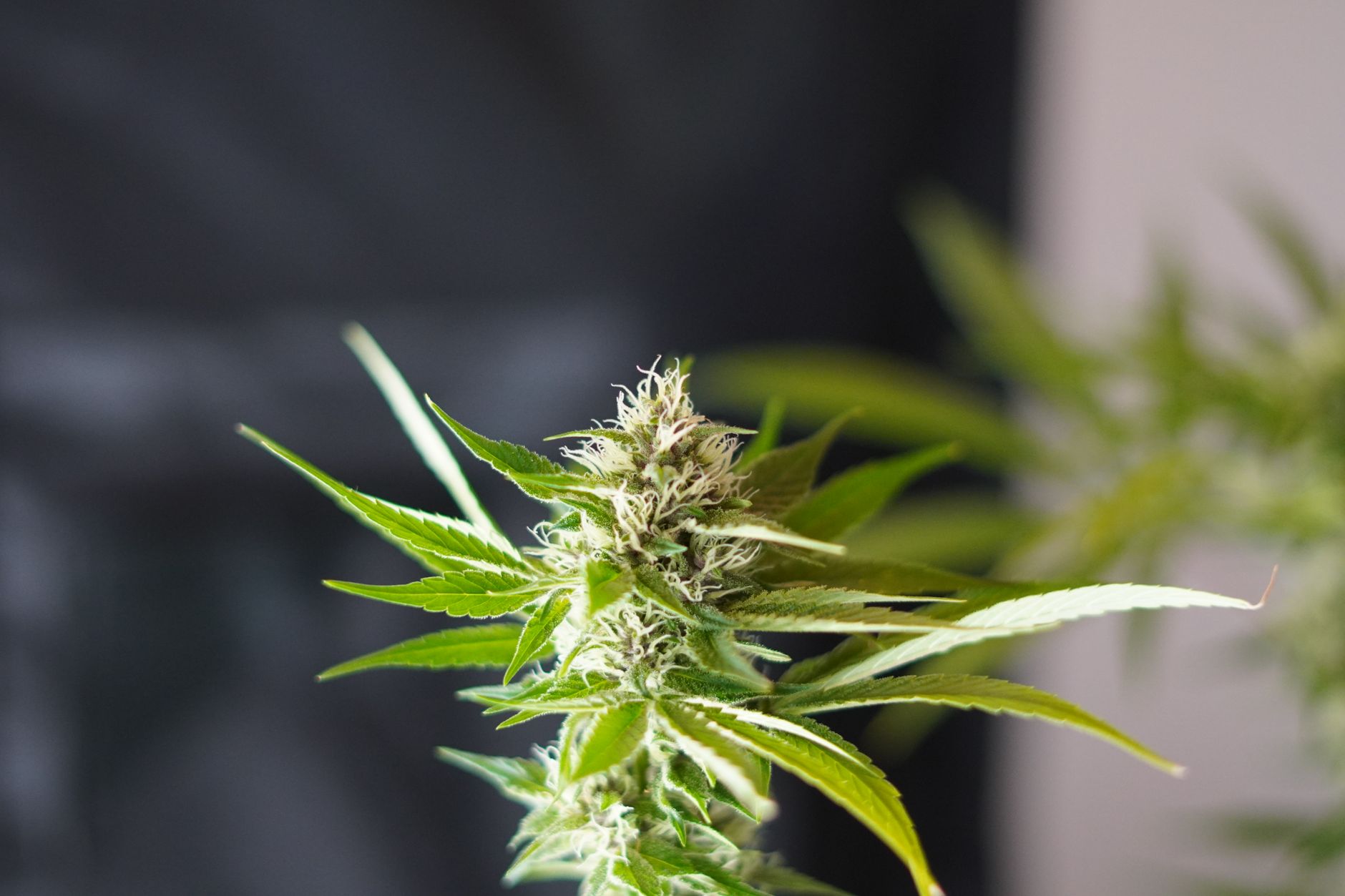
A strain with 22% THC and a myrcene-dominant profile will typically feel heavier and more sedating than a strain with the same THC content but a limonene-dominant profile. The THC is identical; the terpene environment changes the whole experience.
Research published in the Journal of Cannabis Research continues to explore how specific terpene combinations influence subjective effect, anxiety modulation, and therapeutic outcomes — reinforcing that flavour is not just a sensory preference, it's a functional indicator of how a cultivar will perform.
Before choosing a flavour-forward strain, match the dominant terpene to your desired outcome.
Formula: Dominant Terpene → Primary Effect Direction → Suitable Time of Day / Use Case
Worked Example: You want an uplifting afternoon strain. Limonene-dominant genetics (e.g. citrus-forward sativas) will align more reliably with that goal than a myrcene-heavy indica-leaning hybrid even if both advertise "hybrid / balanced" effects. Filter your seed selection by terpene profile first, THC second.
If two strains have similar THC, choose by terpene profile. It's the most reliable predictor of experiential outcome available before you run the genetics yourself.
How Does Australian Climate Affect Terpene Expression?
Australian growing conditions are among the most variable on the planet — and that variability has a direct, measurable impact on terpene output. Terpenes are temperature-sensitive volatile compounds. Heat accelerates their production but also their evaporation off the plant's surface.
Looking at the pattern across public Australian grower journals and the regional questions that come up most frequently around outdoor finishing, one theme repeats: growers in hot inland climates (western NSW, inland SA, WA's wheat belt) consistently report more muted flavour on outdoor runs compared to coastal growers in the same season, even when using identical genetics.
The Bureau of Meteorology's climate data shows that daytime maxima across inland Australia regularly exceed 35°C in January and February — prime outdoor flowering time for photoperiod strains started in October. Above 26°C, the most volatile terpenes (linalool, limonene) begin evaporating faster than the plant can produce them. This is not theoretical: it's the most common cause of "good smoke but no taste" complaints from inland QLD and outback NSW growers.
The Southern Hemisphere Terpene Season Calendar
Veg 🌱
Ideal
Veg/Stretch
Ideal
Early Flower
Caution Heat
Mid Flower
High Heat Risk
Mid-Late Flower
Peak Terpene Loss Risk
Late Flower
Moderate – Monitor
Harvest Window
Ideal Flavour
Late Harvest
Ideal – Frost Watch
Frost Risk
Southern States
Winter
Indoor Only
Winter
Indoor Only
Late Winter
Prepare for Spring
Coastal and southern growers (Melbourne, Sydney coast, Hobart, Adelaide hills) benefit from naturally moderated temperatures during the critical late-flower terpene accumulation window in February–March. This is a genuine flavour advantage. The cooler nights (often 12–16°C) during those final weeks slow terpene volatilisation and allow resin density to build without the aggressive off-gassing seen in inland zones.
If you're in coastal NSW, VIC, or SA, your climate naturally supports superior terpene expression during late flower. If you're in inland or subtropical regions, shade cloth during peak afternoon heat (especially over 32°C) and choosing autoflower genetics that finish earlier (before the January–February heat peak) are your two highest-leverage interventions for flavour preservation.
What Are the Best Flavour-Forward Cannabis Strains for Australian Growers?
Flavour-forward strains are those bred to express complex, high-concentration terpene profiles. The best options for Australian conditions balance terpene richness with the heat tolerance, mould resistance, and cycle speed the local climate demands.
Below are the top flavour-forward picks available through feminised cannabis seeds Australia and autoflower seeds for Aussie growers, ranked by the Royal King Seeds Australian Flavour Score.
Royal King Seeds Australian Flavour Score — Methodology
Scoring criteria (100 points total):
- Terpene profile complexity (30 pts) — breadth and concentration of dominant terpenes per breeder specs
- Heat/climate tolerance for AU conditions (25 pts) — ability to retain terpenes under high summer temps
- Mould resistance (20 pts) — critical for coastal and subtropical zones where humidity rises during late flower
- Cycle speed suitability (15 pts) — finishing within the optimal Aussie outdoor window
- Beginner accessibility (10 pts) — ease of expression without advanced techniques
Top 5 Flavour-Forward Strains — Ranked
- Blueberry Auto — Score: 88/100. Sweet berry, vanilla, earthy undertone. Linalool + myrcene dominant. Finishes in 70–75 days; ideal for southern states (VIC, TAS) where it clears before autumn cold.
- Girl Scout Cookies (GSC) Feminised — Score: 84/100. Sweet, earthy, mint notes. Caryophyllene + limonene + myrcene. Strong mould resistance suits coastal NSW and QLD.
- Lemon Haze Auto — Score: 81/100. Zesty citrus, sour lemon. Limonene-dominant. Excels in Adelaide and Perth Mediterranean climates; handles dry heat without losing citrus profile.
- Northern Lights Auto — Score: 79/100. Pine, sweet spice, classic indica earthiness. Pinene + myrcene. Exceptional heat and drought tolerance — top pick for WA and inland SA. Browse our indica seeds range for Northern Lights-lineage options.
- Amnesia Haze Feminised — Score: 76/100. Citrus, earthy, spicy. Terpinolene + limonene. Best in the subtropical QLD corridor with good air circulation; longer cycle (10–12 weeks flower) rewards patience with intense flavour. Check our full range of sativa seeds.
Why Blueberry Auto Scored #1:
- Linalool + myrcene combination is exceptionally stable under temperature variation, retaining aroma even when daytime temps briefly spike
- 70–75 day cycle means it finishes before the hottest inland weeks, avoiding peak terpene volatilisation
- Consistently rated by public grower journals as one of the most flavour-accurate autos — what the breeder describes is largely what you smell in the jar
Why Amnesia Haze Ranked Lower Despite Premium Flavour:
- Outstanding terpene complexity when conditions are ideal
- Longer flowering cycle increases exposure to heat and mould windows in Australian summers
- Beginner-accessibility score dragged down by sensitivity to overwatering and nutrient burn during long veg
For most Australian growers prioritising flavour, Blueberry Auto is the clearest entry point — the terpene profile is stable, the cycle is fast enough to avoid peak summer heat, and it's genuinely beginner-accessible. If you want to push complexity, GSC Feminised is the next step up once you're comfortable with managing humidity in coastal zones.
Strain Comparison: Flavour Profiles Side by Side
| Strain | Dominant Terpenes | Flavour Notes | THC Range | Yield Indoor / Outdoor | Cycle | Mould Resistance | Heat Resistance | Beginner Rating | AU Flavour Score |
|---|---|---|---|---|---|---|---|---|---|
| Blueberry Auto | Linalool, Myrcene | Berry, vanilla, earth | 17–20% | 350–450 g/m² / 50–150 g/plant | 70–75 days | Medium–High | High | 8/10 | 88/100 |
| Girl Scout Cookies Fem | Caryophyllene, Limonene, Myrcene | Sweet, mint, earth | 20–28% | 450–550 g/m² / 80–200 g/plant | 9–10 wks flower | High | Medium | 6/10 | 84/100 |
| Lemon Haze Auto | Limonene, Terpinolene | Citrus, sour lemon, pine | 18–22% | 400–500 g/m² / 70–160 g/plant | 75–80 days | Medium | Very High | 7/10 | 81/100 |
| Northern Lights Auto | Pinene, Myrcene | Pine, sweet spice, earth | 16–21% | 300–400 g/m² / 50–130 g/plant | 63–70 days | High | Very High | 9/10 | 79/100 |
| Amnesia Haze Fem | Terpinolene, Limonene | Citrus, earthy, spice | 20–25% | 600–700 g/m² / 100–250 g/plant | 10–12 wks flower | Low–Medium | Medium | 4/10 | 76/100 |
How to Grow Cannabis for Maximum Flavour in Australia
Step 1: Choose a living organic soil medium
Terpene production is closely linked to soil microbiome health. Living soils rich in mycorrhizal fungi and beneficial bacteria support complex root interactions that contribute to above-ground terpene diversity. Reviewing public Australian grow data and community reports from growers in coastal VIC and NSW, organically grown plants consistently produce more complex flavour profiles than synthetic-feed hydroponic runs, even using the same genetics.
Step 2: Reduce nitrogen in late flower
High nitrogen during the final 3–4 weeks of flower is one of the most reliably documented causes of a harsh, "green" or chemical taste. Terpene synthesis competes with nitrogen-driven vegetative metabolism. Drop nitrogen feeds to near-zero by week 5–6 of flower and focus on phosphorus and potassium (or simply flush with plain water if using synthetic nutrients).
Step 3: Keep late-flower temps below 26°C
Above 26°C, volatile terpenes evaporate faster than the plant replaces them. For indoor growers, this means targeting a canopy temperature of 22–25°C during lights-on and allowing 16–18°C nights during the final two weeks. Outdoor growers in QLD or inland SA should consider shade cloth on extreme days (above 35°C) during flowering. Data from CSIRO agricultural research on volatile compound retention in horticultural crops supports the principle that cooler harvest-window temperatures increase aromatic compound preservation.
Step 4: Run a 48-hour darkness period before harvest
Many experienced growers (and a widely cited claim across public grower journals) suggest that cutting in the final hours of darkness — or after a 48-hour dark period — increases resin density on the harvested plant. The rationale is that terpene production ramps up at night and peaks just before lights-on. While clinical trials specifically on this timing remain limited, the anecdotal support from documented Aussie grows is extensive and consistent enough to be worth implementing at low cost.
Step 5: Flush with plain water for the final 7–14 days
Plain water flushing ahead of harvest removes residual nutrient salts that can contribute to harsh flavour. For outdoor growers using heavy organic soil, flushing is less critical — but for synthetic-feed indoor grows, 10–14 days of plain water before harvest makes a consistently reported difference to finished product smoothness.
Temperature control in the final 3 weeks and organic soil selection are the two highest-leverage decisions for flavour production. Everything else is optimisation on top of those two fundamentals. If you have to choose only one, control your late-flower temperature — the difference between 24°C and 32°C in the final fortnight is the difference between an aromatic jar and a flat one.
How Does Harvest Timing and Curing Affect Cannabis Flavour?
Harvest timing is the most impactful post-genetics decision for flavour. Harvesting too early means underdeveloped terpene profiles — the sweet, complex notes haven't fully developed. Harvesting too late means terpene degradation as THC breaks down to CBN and volatile compounds escape.
The standard Aussie outdoor harvest window is March to mid-April, depending on latitude and strain cycle. Coastal southern growers (VIC, TAS) shooting for maximum flavour should aim for the March harvest window, when temperatures have dropped below 22°C at night and daytime maxima are 24–28°C — ideal for resin preservation on the plant prior to cut.
The Royal King Seeds Flavour-Lock Curing Protocol
A structured curing approach that preserves terpene integrity through the critical first 8 weeks post-harvest.
Formula: Dry slowly (10–14 days at 18–21°C, 50–55% RH) → Jar cure in airtight glass at 58–62% RH → Burp daily (weeks 1–2) → Burp every 3 days (weeks 3–4) → Seal and store (weeks 5–8).
Worked Example: A Blueberry Auto harvested in early March in Melbourne is hang-dried for 12 days at 19°C in a dark room with a fan for air movement. It goes into 1 L Kilner jars with Boveda 62% humidity packs. Burped twice daily for 14 days. By week 6, the berry and vanilla notes are fully developed and the initial grassy smell is completely gone. Storage at 18°C maintains flavour for up to 6 months.
The single most common curing error from Australian grower reports is rushing the dry in a warm, breezy space to avoid mould — which results in case hardening (dry outer bark, wet inner stem) and locks in chlorophyll that tastes grassy. Slow drying in a temperature-controlled space (18–21°C, never above 24°C) is non-negotiable for flavour preservation.
Most Australian growers underestimate curing duration. A minimum 4-week cure is the entry point for flavour expression — 6–8 weeks is where premium results happen. Growers who short-cut to a 1–2 week cure are leaving the best part of the strain's genetic flavour potential untapped.
Myth vs Reality: Common Cannabis Flavour Misconceptions
| The Myth | The Reality |
|---|---|
| "Higher THC = better flavour" | THC and terpenes are produced in separate biosynthetic pathways. A 28% THC strain can be completely flavourless; a 17% strain can be intensely aromatic. They are independent variables. |
| "Flushing ruins mineral content" | Flushing removes residual nutrient salts from growing media, not from plant tissue. The flavour improvement from flushing synthetic-feed grows is widely documented across thousands of public grow journals. |
| "Purple buds always taste better" | Anthocyanins (the pigments that cause purple coloration) are separate from terpene production. Purple colouration is a temperature response (cool nights) and has no direct causal relationship with flavour complexity. |
| "CO₂ enrichment always improves terpenes" | CO₂ enrichment boosts photosynthetic rate and yield but does not directly upregulate terpene biosynthesis. The yield benefit can dilute terpene concentration per gram if genetics have a ceiling. It helps yield, not always flavour density. |
| "Indica strains always taste dank/earthy" | The indica/sativa classification is a folk taxonomy, not a terpene predictor. Many indica-dominant strains have citrus or floral profiles; many sativa-dominant strains are earthy. Always check terpene data, not the indica/sativa label. |
Common Mistakes That Kill Cannabis Flavour
Mistake 1: Drying too fast in a hot Aussie summer
Many growers dry in sheds, garages, or spare rooms that reach 28–35°C during Australian autumn days. Fast drying at high temps destroys terpenes before they can consolidate. The fix: a temperature-controlled, dark space with 18–21°C and a slow drying period of 10–14 days. A basic portable air conditioner or cool room is the single best flavour investment for an Aussie outdoor grower.
Mistake 2: Harvesting on appearance alone without checking trichomes
Pistil colour changes are a rough guide only. Trichome inspection under a jeweller's loupe (60–100x) is the only reliable method. Harvesting when 70–80% of trichomes are milky white (with 10–20% turning amber) gives peak terpene and THC concentration before degradation begins. Harvesting early (all clear/transparent) means underdeveloped terpenes and THC.
Mistake 3: Feeding high nitrogen right up to harvest
Excess nitrogen in late flower suppresses terpene synthesis and contributes a harsh, chemical taste. The tell-tale sign is dark green leaves that refuse to yellow even in the final 2 weeks of flower. Transition to a low-nitrogen late-flower nutrient from week 5 of flower onwards.
Mistake 4: Curing in plastic containers
Plastic is slightly gas-permeable and can impart off-flavours to the cured product over time. Glass mason jars or Kilner jars with airtight seals are the correct vessel. This is a trivial fix with significant flavour impact, especially on longer cures (6–8 weeks).
Mistake 5: Skipping the cure entirely ("fresh-frozen" mentality for flower)
Fresh-frozen processing (for concentrate production) bypasses curing deliberately. But for dried flower, skipping the cure means retaining chlorophyll and excess moisture that produces a grassy, harsh smoke. The cure is not optional for finished flower — it's where the flavour develops.
Mistake 6: Exposing curing jars to light
UV exposure degrades terpenes and cannabinoids even through glass. Curing jars should be stored in a dark drawer, cabinet, or box — never on a sunlit windowsill or under fluorescent lighting. This is one of the most common overlooked flavour-killers in amateur Australian grows.
Mistake 7: Choosing genetics without researching terpene profile
Selecting seeds based on THC percentage or photo appeal without reviewing the dominant terpene data is like buying wine by alcohol content. Check the strain's listed dominant terpenes, cross-reference with flavour descriptions from public grow journals, and choose genetics whose terpene profile matches your target outcome. Explore our full range of cannabis seeds with detailed strain profiles to make a better-informed choice.
Mistakes 1 and 5 (drying too hot and skipping the cure) together account for the majority of "disappointing flavour" reports from Australian growers working with genuinely quality genetics. Fix those two first before changing anything else in your grow.
What Happens If You Choose Wrong? Two Scenarios
- Strain: Blueberry Auto (linalool + myrcene dominant)
- Started: 1 November (VIC coastal)
- Harvested: 10 January (72 days)
- Dried: 12 days at 20°C in dark room
- Cured: 6 weeks in glass jars at 60% RH
- Risk level: Low
- Outcome: Dense, aromatic berry-forward buds with consistent flavour across the jar. Terpene profile matches breeder description. Positive grower result every time in cool, coastal conditions.
- Strain: Amnesia Haze Fem (complex terpenes but sensitive)
- Started: 1 October (inland QLD)
- Harvested: Late February (during 38°C heat wave)
- Dried: 5 days in a shed at 30°C
- Cured: 1 week only
- Risk level: High
- Outcome: Harsh, grassy taste. Terpene volatilisation during grow and rapid drying stripped the profile. Result: flat, one-dimensional smoke despite excellent genetics. Grower reports this outcome frequently on public forums — not a genetics failure, a process failure.
Bottom line: The difference between Scenario A and B isn't genetics — it's process decisions around temperature management, cycle-to-climate matching, and post-harvest handling. The right strain in the wrong conditions with a rushed cure will always underperform mediocre genetics treated correctly.
Grower Scenarios: Flavour Outcomes by Australian Region
Average Feb night: 15°C | Max: 28°C
Recommended: Blueberry Auto or GSC Feminised
Start: October 15 → Harvest: Jan 5–15 (auto) or March 10–25 (photo)
Flavour advantage: Cool Feb–Mar nights promote resin density in final weeks. The best natural terpene-accumulation climate in mainland Australia. ✓
Average Feb night: 21°C | Max: 30°C | Humidity: High
Recommended: Northern Lights Auto (mould-resistant) or GSC
Start: September 15 → Harvest: December 20–January 5 (auto)
Key challenge: Humidity in late flower. Air movement and mould-resistant genetics are mandatory. Harvest before February to avoid the worst heat and humidity window. ✓
Average Feb night: 19°C | Max: 33°C | Very dry
Recommended: Lemon Haze Auto (drought and heat tolerant, limonene stable under dry heat)
Start: October 1 → Harvest: December 15–January 5
Flavour note: Low humidity means mould is rarely an issue; heat management during peak December days (35–40°C) is the primary terpene risk. Shade cloth from 11am–3pm on 35°C+ days. ✓
Average Feb night: 12°C | Max: 23°C | First frost: ~May 5
Recommended: Northern Lights Auto (63–70 days — fastest and most cold-tolerant)
Start: November 1 → Harvest: January 10–20
Flavour advantage: Cool nights during flower are exceptional for terpene accumulation. The 12°C nights that Hobart growers sometimes worry about are actually ideal for resin density. The city's cool climate is a flavour asset, not a limitation. ✓
Royal King Seeds Outdoor Flavour Risk Rating
| Strain | Heat Stress Risk | Mould Risk | Terpene Volatilisation Risk | Beginner Flavour Risk |
|---|---|---|---|---|
| Blueberry Auto | Low | Low–Medium | Low | Low |
| Girl Scout Cookies Fem | Medium | Low | Medium | Medium |
| Lemon Haze Auto | Low | Medium | Medium | Low |
| Northern Lights Auto | Very Low | Low | Low | Very Low |
| Amnesia Haze Fem | High | High | High | High |
Which Flavour-Forward Strain Should You Choose? Decision Guide
| Your Priority | Best Choice | Reason |
| Absolute beginner, outdoor, anywhere in AU | Northern Lights Auto | Lowest risk profile, forgiving of errors, flavour still delivers |
| Best berry/sweet flavour, southern states | Blueberry Auto | Linalool profile stable, fast finish, suits VIC/TAS cool nights |
| Hot dry conditions (WA, inland SA) | Lemon Haze Auto | Limonene stable under dry heat, drought-tolerant genetics |
| High humidity (coastal QLD, Darwin) | Northern Lights Auto or GSC Fem | High mould resistance, compact bud structure reduces mould sites |
| Maximum flavour complexity, experienced grower | Amnesia Haze Fem | Highest terpene ceiling when managed correctly — rewarding but demanding |
| Indoor, controlled environment, any state | Girl Scout Cookies Fem | Maximises terpene expression under controlled temp/humidity; high THC bonus |
Frequently Asked Questions: Cannabis Flavour and Terpenes
What gives cannabis its flavour?
What is the entourage effect?
Does higher THC mean better flavour?
What temperature destroys cannabis terpenes during drying?
How long should I cure cannabis to get the best flavour?
Can I grow flavourful cannabis outdoors in Australia?
What is myrcene and what does it do?
Why does my cannabis smell like grass or hay after drying?
Should I burp my curing jars and how often?
What's the best strain for citrus flavour in Australian conditions?
Can I grow cannabis outdoors in Queensland for good flavour?
Why doesn't my cannabis taste like the breeder's description?
Is CBD cannabis flavourful? Can CBD strains taste as good as THC strains?
Do autoflowering strains taste as good as photoperiod strains?
My autoflower stalled at week 6 and the buds smell bland — what went wrong?
What month should I start growing in Victoria for the best flavour outcome?
Can I shade my plants during 40°C+ heat waves to protect flavour?
What's the minimum curing time for autoflowers specifically?
Should I use nutrients specifically to increase terpene production?
Are there any Australian regulations I should know about regarding cannabis terpene products?
What's the difference between terpenes and flavonoids in cannabis?
How do I know if my cannabis seeds have good genetics for flavour before I grow them?
Browse our full range of flavour-forward, terpene-rich cannabis seeds selected for Australian growing conditions.
Shop All Cannabis Seeds Australia →Sources
- Bureau of Meteorology — Australian Climate Data
- ABARES — Australian Bureau of Agricultural and Resource Economics
- CSIRO — Agriculture and Food Research
- Therapeutic Goods Administration (TGA) — Medicinal Cannabis
- PubMed — Cannabis Terpene Research
- Journal of Cannabis Research — BioMed Central
- Australian Drug Foundation — Cannabis Information
Related Articles
Purple Strains: The Honest 2026 Cannabis Grower's Guide
generalMost Strong Weed: Cannabis Background, Effects, and Grower Notes
generalIs Weed Legal In Finland? The Cannabis Reality Behind the Question
generalHow Long Does It Take To Grow A Weed Plant: Time Expectations, Stages & Speed-Up Tips
Ready to Start Growing?
Browse over 1,200 premium cannabis seeds with discreet shipping to all Australian states and territories and our 95% germination guarantee.
Shop Cannabis Seeds