Types Of Hash: The Honest 2026 Cannabis Grower's Guide
Royal King Seeds
Cultivation team
Most growers assume hash is just compressed cannabis — same plant, different shape. That assumption is costing them yields, quality, and countless grams of wasted trichome-rich trim every harvest season.
Hash is a precision extraction discipline, and the gap between a crumbly, low-grade block and a full-melt bubble hash comes down to technique, genetics, and understanding exactly which type of hash your material can produce. This guide covers all seven major types of hash, ranks them by potency and difficulty, and shows Aussie growers — where cultivation is legally permitted — exactly how to get the most from every gram of trim, kief, and fresh-frozen material they collect.
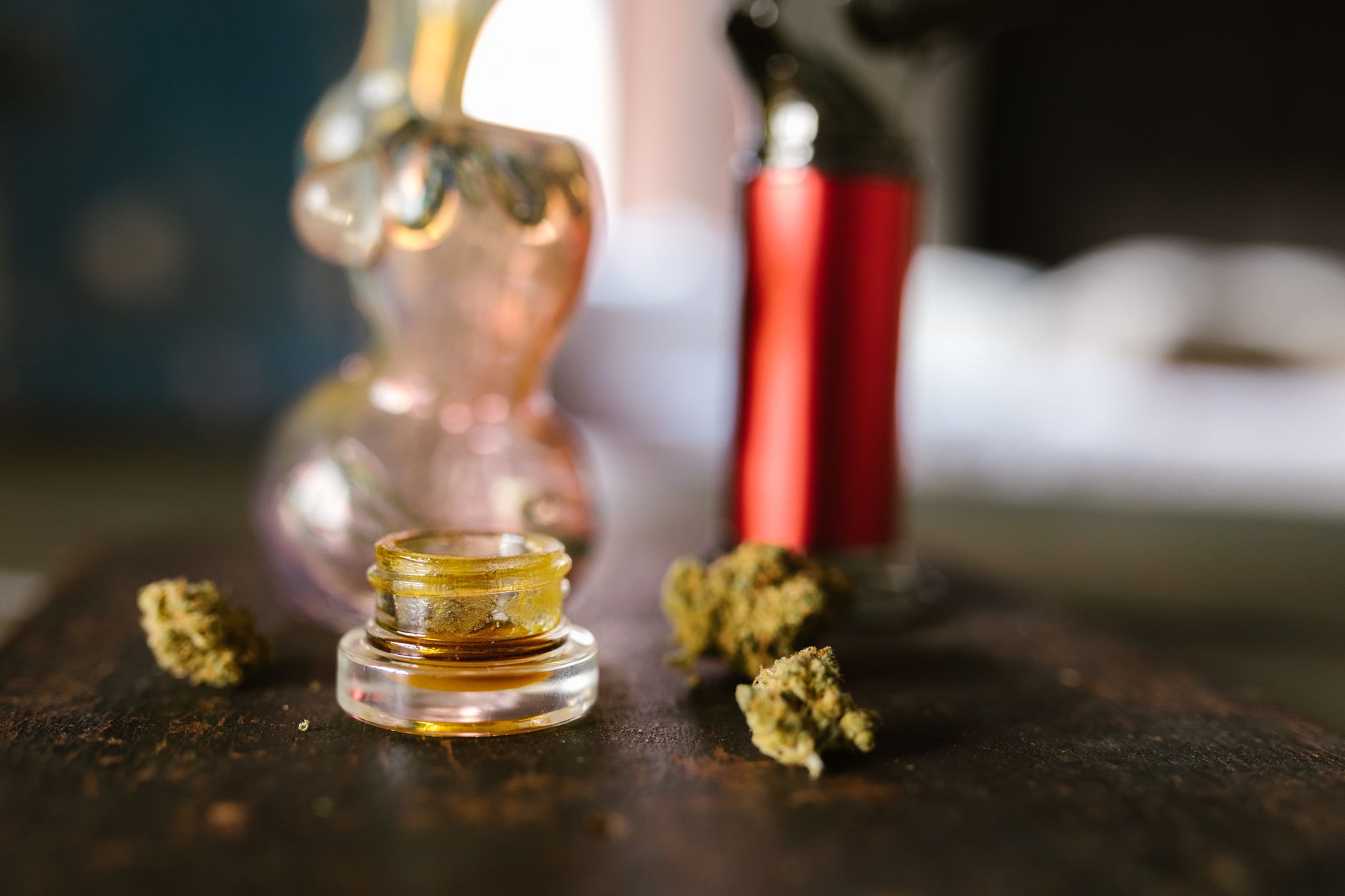
Hash is produced by collecting and compressing cannabis trichomes (resin glands) into a concentrated form. The seven main types are: dry-sift hash, bubble hash (ice water hash), rosin (solventless pressed hash), charas (hand-rolled live resin), Lebanese hash, Moroccan hash, and live rosin. Potency ranges from around 30–40% THC for traditional pressed blocks up to 70–80% for full-melt bubble hash and live rosin. The right type for you depends on your starting material, available equipment, and target quality level.
- ✓ Home growers (where cultivation is legally permitted) wanting to process trim and harvest by-products
- ✓ Growers wanting to understand potency differences between hash types
- ✓ Anyone comparing solventless vs traditional extraction methods
- ✓ Aussie growers exploring legal medicinal cannabis concentrates
- ✓ Beginners wanting a ranked, honest comparison of difficulty vs quality
- ✗ Anyone seeking instructions for illegal cultivation or extraction in their jurisdiction
- ✗ Readers looking for solvent-based extraction (BHO, ethanol) — that's a separate guide
- ✗ Commercial-scale extraction operations (different regulatory requirements apply)
What Is Hash and How Is It Different from Raw Cannabis?
Hash (short for hashish) is a cannabis concentrate made by isolating and compressing trichomes — the resin-producing glands on cannabis flowers and sugar leaves — away from all other plant material.
Raw cannabis flowers contain 15–30% THC by dry weight because trichomes are diluted by leaf mass, stems, moisture, and chlorophyll. Hash concentrates those trichomes, which is why even basic pressed hash tests at 30–50% THC and premium-grade full-melt bubble hash reaches 60–80%.
In Australia, medicinal cannabis concentrates are regulated by the Therapeutic Goods Administration (TGA). Recreational extraction remains subject to state and territory laws — always check your local regulations before processing any plant material. This guide is educational and oriented toward jurisdictions where such activities are legally permitted.
What Are the 7 Main Types of Hash?
There are seven clearly distinct hash categories, each with different production methods, potency ranges, and ideal starting materials. Here's how they break down:
1. Dry-Sift Hash (Kief Hash)
Dry-sift hash is made by mechanically agitating dried cannabis over fine mesh screens (typically 75–150 micron), allowing trichome heads to fall through and collect as loose kief, which is then pressed into slabs or coins.
Potency: 40–65% THC
Difficulty: Beginner
Starting material: Dried trim, whole dried buds
Texture: Soft to firm powder; pressed into crumbly slabs
2. Bubble Hash (Ice Water Hash)
Bubble hash is produced by submerging fresh-frozen or dried cannabis in ice water, agitating to dislodge trichomes, then filtering through a series of bubble bags (graded from 220 down to 25 micron). The 73–90 micron fraction typically contains the highest-quality full heads.
Potency: 50–80% THC
Difficulty: Intermediate
Starting material: Fresh-frozen or dried whole flowers
Texture: Sandy, damp, golden to dark; rated 1–6 stars by melt quality
3. Rosin (Pressed Solventless Hash)
Rosin is made by applying heat (60–90°C) and pressure to cannabis flowers, trim, or dry-sift/bubble hash. The result is a golden, viscous oil that separates cleanly from plant material — no solvents required.
Potency: 55–80% THC
Difficulty: Beginner to intermediate (depends on press type)
Starting material: Dried buds, trim, dry-sift, or bubble hash
Texture: Sticky, waxy, or shatter-like depending on temperature
4. Live Rosin
Live rosin is the premium tier: fresh-frozen cannabis is first processed into bubble hash, dried carefully, then pressed into rosin at low temperature. The result preserves the full terpene profile and delivers the most flavourful, aromatic concentrate available without solvents.
Potency: 65–85% THC
Difficulty: Advanced
Starting material: Fresh-frozen whole flowers
Texture: Creamy, budder-like, light gold
5. Charas (Hand-Rolled Live Resin)
Charas is one of the oldest hash forms in the world, originating in the Hindu Kush region. It's made by rolling fresh, living cannabis flowers between the palms — resin transfers onto the hands and is scraped off into small balls or sticks.
Potency: 30–50% THC
Difficulty: Beginner (but slow and labour-intensive)
Starting material: Live, uncut cannabis plants
Texture: Dark, sticky, pliable
6. Lebanese Hash
Lebanese hash is a traditional dry-process hash made by sieving dried cannabis through cloth or mesh, then pressing the resulting powder. Authentic Lebanese hash is typically lightly coloured — ranging from blonde to reddish-brown — with a distinctive spiced aroma profile.
Potency: 30–45% THC
Difficulty: Beginner
Starting material: Fully dried, aged cannabis
Texture: Firm, crumbly, waxy when warm
7. Moroccan Hash (Pressed Sieved Hash)
Moroccan-style hash is the world's most widely produced traditional hash type. Dried cannabis is sieved through fine mesh, and the collected kief is hand-pressed or mechanically compressed, sometimes with slight heat. The result is compact, dense slabs.
Potency: 30–50% THC
Difficulty: Beginner
Starting material: Dried cannabis — often including leaves and trim
Texture: Hard, dense, tan to dark brown
How Do Hash Types Compare in Potency and Quality?
The table below compares all seven hash types across the dimensions that matter most for growers choosing a method — potency, yield from trim, equipment cost, and ease of production.
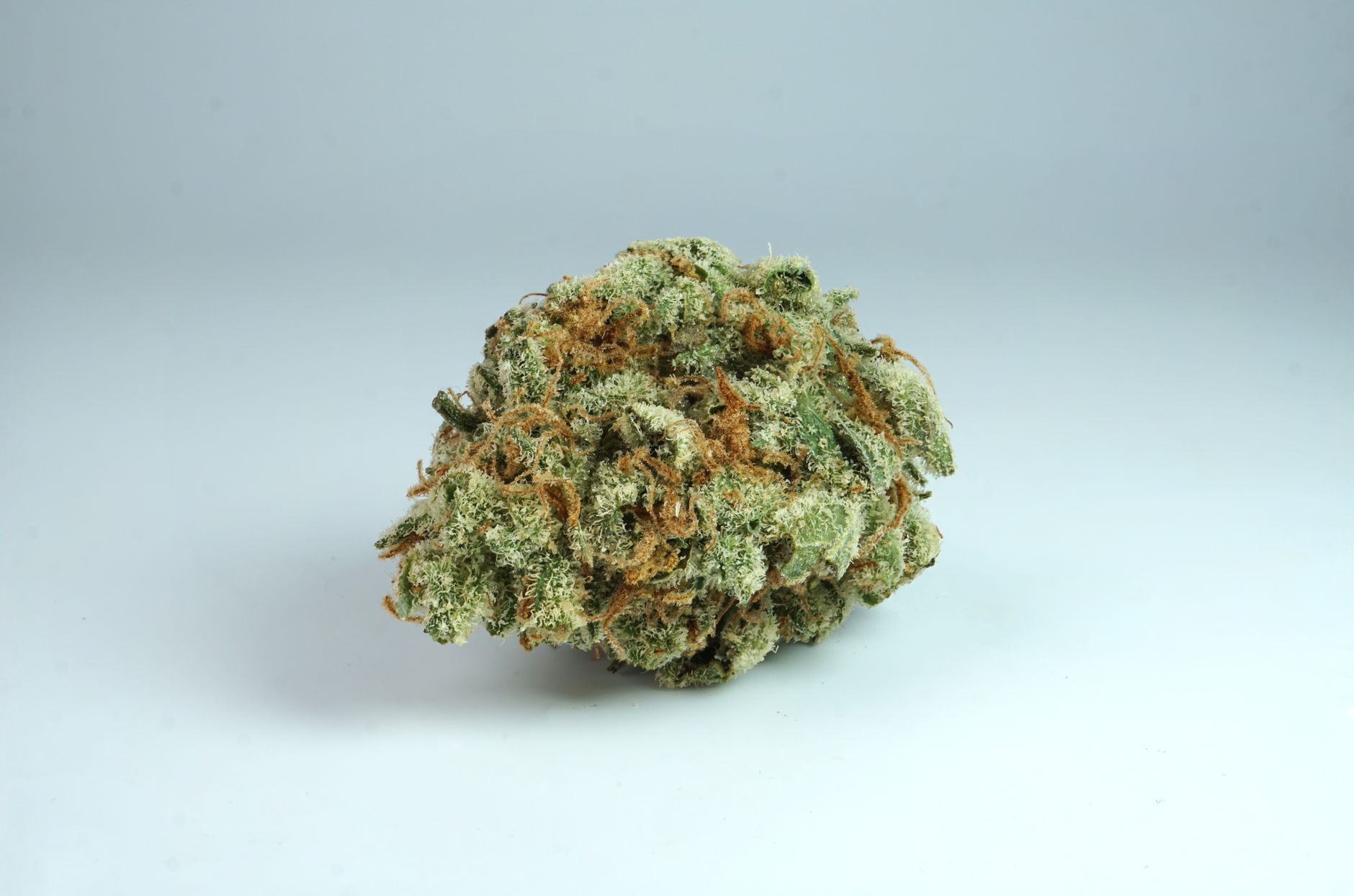
| Hash Type | THC Range | Terpene Preservation | Approx. Yield from 100g Trim | Equipment Cost (AUD) | Difficulty | Melt Quality | RKS Suitability Score |
|---|---|---|---|---|---|---|---|
| Live Rosin | 65–85% | Excellent | 3–8g | $400–$1,200+ | Advanced | Full-melt (5–6★) | 94/100 |
| Bubble Hash | 50–80% | Very Good | 10–20g | $80–$350 | Intermediate | 3–6★ depending on grade | 89/100 |
| Rosin | 55–80% | Good | 12–22g | $150–$800 | Beginner–Intermediate | Full-melt to half-melt | 85/100 |
| Dry-Sift Hash | 40–65% | Moderate | 8–15g | $20–$120 | Beginner | 1–3★ | 72/100 |
| Charas | 30–50% | Very Good (live resin) | 1–3g per 60 min rolling | $0 | Beginner | Half-melt | 61/100 |
| Lebanese Hash | 30–45% | Low–Moderate | 8–12g | $10–$50 | Beginner | 1–2★ | 54/100 |
| Moroccan Hash | 30–50% | Low | 10–18g | $5–$40 | Beginner | 1–2★ | 50/100 |
What Is the Royal King Seeds Hash Suitability Score?
The Royal King Seeds Hash Suitability Score is a proprietary 100-point ranking that evaluates each hash type against four criteria weighted specifically for Australian home growers (where cultivation is legally permitted).
Methodology:
- 40% — Potency output relative to starting material (THC yield per gram of trim)
- 30% — Accessibility (cost of equipment, difficulty, material availability in Australia)
- 20% — Terpene/flavour preservation (critical for quality, often ignored)
- 10% — Safety profile (solventless methods score highest; any open-flame or solvent step loses points)
Why the Top 3 Scored Where They Did
- Highest THC output per gram of starting material when fresh-frozen genetics are used
- Full terpene profile preserved — no heat degradation during ice water extraction phase
- 100% solventless — no safety hazard, no residue, consistent with TGA medicinal quality standards
- Very high THC potential and strong terpene preservation from the fresh-freeze process
- More forgiving than live rosin (no press required) — higher accessibility score
- Slight deduction: drying fresh bubble hash correctly in Australian humid coastal climates (QLD, NSW coast) requires a freeze-dryer or careful freeze-dry alternative to prevent mould
- Outstanding potency and accessibility — presses available in Australia from AU$150 for a starter unit
- Lower terpene score vs bubble hash/live rosin because heat (even at 60–90°C) degrades some volatile monoterpenes
- Yield from flower is lower than ice water methods when working with trim rather than whole buds
How Do You Make Dry-Sift Hash at Home?
Dry-sift is the most accessible starting point for any grower. All you need is dried cannabis material and a fine-mesh sieve or purpose-built pollen box.
Step 1: Chill your material
Place dried trim or whole buds in the freezer for 30–60 minutes before sieving. Cold trichomes become brittle and detach more cleanly from the plant material, improving both yield and purity of the kief.
Step 2: Sieve over progressively finer screens
Work gently over a 150-micron screen first to collect bulk kief, then pass through a 75-micron screen to get a purer, head-dominant fraction. Keep the room cold (under 20°C) — warmer rooms cause trichomes to become sticky and clog the mesh.
Step 3: Press into slabs
Collect loose kief and press with a pollen press or by wrapping in cellophane and applying hand pressure (the classic "soap bar" method). For higher quality, a small hydraulic press at 50–80°C for 30–45 seconds produces a more homogenous, aromatic slab.
Step 4: Cure at room temperature
Allow pressed dry-sift to rest at room temperature for 24–72 hours before consuming. This brief cure evens out moisture distribution and improves flavour. Store in an airtight glass jar away from light and heat.
How Does Ice Water Bubble Hash Production Work?
Bubble hash production uses cold water (2–4°C with added ice) to make trichomes brittle, then agitation to dislodge them, and a graded filter system to collect heads by size.
A standard bubble bag set for home use costs AU$80–$220 and includes 5–8 filter bags ranging from 220 micron (to catch plant matter) down to 25 micron (to catch the finest trichome fragments).
The key grades by micron range:
- 73–90 micron: The "primo" grade — fullest, most intact trichome heads. Usually the darkest golden colour. Best for pressing into live rosin.
- 90–120 micron: Good quality mixed fraction — high potency, slight more plant contamination.
- 120–160 micron: Lower grade — useful for rosin pressing or adding back to other extractions.
- 25–45 micron: Very fine — often called "mystery grade" or used in edibles rather than direct consumption.
In Australian coastal climates (Sydney, Brisbane, Melbourne), properly drying bubble hash is the single biggest technical challenge. Leaving wet hash to air-dry in a humid environment invites mould within 24 hours. A freeze-dryer (available from AU$800–$2,000) is the gold standard; in its absence, use a desiccant-equipped fridge set to 4°C and spread hash thinly on parchment paper.
What Is Rosin and Why Is It Popular with Aussie Growers?
Rosin is the fastest-growing hash category in the Australian enthusiast community because it requires no solvents, no gas, and produces a full-spectrum concentrate in under two minutes.
The basic physics: heat softens the waxy outer membrane of trichomes while pressure forces the resinous contents outward, separating them from plant mass. The extracted oil collects on parchment paper around the pressed material.
Temperature guide for rosin pressing:
- 60–70°C: Low-temp press — maximum terpene retention, lower yield, sap-like consistency
- 70–80°C: Sweet-spot for most dried flower — balanced yield and terpene preservation
- 85–95°C: High-temp press — higher yield from trim, more shatter-like texture, some terpene loss
Rosin presses suitable for home use in Australia range from manual caged presses (AU$150–$350) to pneumatic units (AU$600–$1,500). Pneumatic units produce more consistent pressure — critical for high-grade output from premium starting material.
What Are Charas, Lebanese, and Moroccan Hash?
These three traditional hash types represent thousands of years of cannabis processing culture and remain relevant both historically and practically — especially for growers who want zero-equipment extraction options.
Charas is produced by rolling living cannabis flowers between the palms of clean, dry hands. Resin accumulates on the skin over 30–60 minutes of rolling and is scraped into small balls. The potency is moderate (30–50% THC) but the terpene profile is extraordinary — fresh, living trichomes deliver aromas that dried-material extractions can't fully replicate. Charas from high-resin indica genetics — particularly Hindu Kush-descended strains — is notably superior to charas from sativa-dominant plants, which have fewer, more diffuse trichomes.
Lebanese hash originated in the Bekaa Valley and is distinguished by its light colour (caused by the practice of harvesting slightly early when trichomes are clear-to-cloudy) and its distinctive ageing process — authentic Lebanese hash improves in flavour over months of dry storage. For Aussie growers, it's a useful technique when you want to process partially mature plant material without wasting it.
Moroccan hash is the most pragmatic of the three — optimised for yield from large volumes of dried plant material rather than quality per gram. Growers processing significant trim quantities after a full outdoor harvest can use Moroccan-style sieving to recoup meaningful amounts of product from material that would otherwise be composted.
What Genetics Produce the Best Hash in Australia?
Genetics determine trichome density, resin production rate, terpene profile, and — critically for ice water extractions — head-to-stalk trichome ratio. Not all cannabis produces hash-worthy trichome volumes.
Looking at patterns across public grower data and breeder-published specifications, four genetic categories consistently outperform for hash production:
- Afghani / Hindu Kush landrace indica descendants: Dense, bulbous trichome heads, high resin volume per gram of flower, excellent for all hash methods. Indica seed genetics with Hindu Kush lineage are the most reliable foundation.
- Hash plant crosses (e.g. Northern Lights × Afghani): Bred specifically for resin production — trichome-to-plant-matter ratio is some of the highest available from commercially bred seed lines.
- High-THC resin-forward hybrids: Modern high THC seed genetics often combine OG or Cookies ancestry with Afghani — delivering both high cannabinoid content and hash-friendly trichome architecture.
- Trichome-dense autoflowering strains: For outdoor growers in southern Australia on a compressed season, autoflower seeds that finish in 70–80 days can deliver a full harvest of hash-quality material before March/April coastal mould risk peaks.
Genetics that perform poorly for hash include thin-trichomed sativa landrace strains (long internodal spacing, low resin volume), heavily CBD-bred cultivars (trichomes present but cannabinoid concentration lower), and any overly wet, moisture-retaining phenotype that clumps rather than sifts.
Research published in the Journal of Cannabis Research confirms that total cannabinoid content in concentrates correlates strongly with trichome head integrity — which is why genetics that produce large, stalked glandular trichomes outperform those with sessile or smaller capitate trichomes in extraction contexts.
What Are the Risks of Each Hash Production Method?
The Royal King Seeds Hash Production Risk Rating evaluates each hash type across four risk axes specific to the Australian home-grower context.
| Hash Type | Mould Risk During Production | Equipment Safety Risk | Material Waste Risk | Beginner Failure Risk |
|---|---|---|---|---|
| Live Rosin | High (fresh freeze drying) | Medium (press heat) | Medium | High |
| Bubble Hash | High (wet hash drying) | Low | Medium | Medium |
| Rosin | Low | Medium (press heat) | Low | Low |
| Dry-Sift Hash | Very Low | Very Low | Medium (mesh clogging) | Very Low |
| Charas | Very Low | Very Low | Low | Very Low |
| Lebanese Hash | Low | Very Low | Low | Very Low |
| Moroccan Hash | Low | Very Low | Very Low | Very Low |
What Happens If You Choose the Wrong Hash Method?
- Strain: Afghani-cross indica
- Starting material: 100g dried, cured buds
- Press temp: 75°C / 30 seconds
- Yield: 18–22g golden rosin
- THC: ~70%
- Risk level: Low
- Outcome: Clean, full-flavour product in under 10 minutes. All equipment under AU$300.
- Strain: Thin-trichomed sativa hybrid
- Starting material: 100g sugar leaf trim
- Drying method: Air-dry in Brisbane kitchen (32°C, 70% RH)
- Yield: 4–6g (most heads contaminated with plant matter)
- THC: ~35%
- Risk level: High
- Outcome: Mould visible on hash within 36 hours. Product unusable. Starting material wasted.
Bottom line: Matching your hash method to your genetics and your drying environment is not optional — it determines whether you get a premium product or a compost pile.
Before choosing a hash method, evaluate three things in three seconds: (1) What genetics do you have — high-resin indica or lower-resin hybrid? (2) What is your humidity environment — coastal/humid or inland/dry? (3) What equipment do you have — nothing, a press, or a bubble set?
Formula: High-resin genetics + dry environment + press = Rosin. High-resin genetics + climate control + bubble set = Bubble Hash / Live Rosin. Any genetics + no equipment = Dry-sift or Charas. Low-resin genetics + any method = adjust expectations significantly.
What Are the Most Common Hash-Making Mistakes Australian Growers Make?
Mistake 1: Working in a warm room
Trichomes become sticky and malleable above 21°C. In Australian summers — Brisbane hitting 32–34°C, Perth touching 40°C — room-temperature dry-sifting produces a clumped, low-yield kief with significant plant matter contamination. Always work in an air-conditioned space or at night during cooler months. Target under 18°C for sifting, under 15°C for bubble hash work.
Mistake 2: Using insufficiently dried starting material
Wet or under-dried material doesn't release trichomes cleanly — it clogs screens and introduces excess moisture into hash that later develops mould. Dried material for dry-sift should be at 10–12% moisture content (crispy stems, no springiness in buds). For bubble hash, the opposite is true: use either fully dried material or fresh-frozen material — never partially dried.
Mistake 3: Using only one micron size
Single-screen dry-sifting or using a single bubble bag produces a mixed-quality product where fine plant particles contaminate trichome heads. Two-stage sifting (150 micron then 75 micron for dry-sift; 220 → 73–90 micron for bubble hash) dramatically improves purity. The extra step takes 10 minutes and makes a measurable difference in the final melt quality.
Mistake 4: Attempting premium extraction from low-resin genetics
Sativa-dominant strains, heavily CBD-selected cultivars, and any plant affected by powdery mildew or botrytis during flower will produce poor hash regardless of technique. If the buds don't sparkle visually with trichome coverage, manage expectations — aim for pressed dry-sift rather than spending hours on bubble hash runs.
Mistake 5: Air-drying bubble hash in humid coastal conditions
This is the single most common failure mode in reports from QLD and coastal NSW growers. Freshly made bubble hash has 60–80% moisture content. Air-drying in a room above 55% relative humidity invites mould within 24 hours. Use a freeze-dryer, a desiccant-equipped fridge at 4°C with the hash spread thin on parchment, or the "cardboard box + multiple desiccant packets" method as a stopgap.
Mistake 6: Over-pressing rosin at too-high temperatures
Rosin pressing above 90°C degrades terpenes rapidly and can convert THC to CBN (a less-active cannabinoid) through oxidative thermal degradation. The product becomes dark, acrid-smelling, and harsh. If your rosin is coming out dark brown or black rather than golden, reduce press temperature by 10°C increments until you hit the sweet spot for your specific starting material.
Mistake 7: Processing mould-contaminated trim
Hash concentrates everything in starting material — including mycotoxins from mouldy plant matter. If any portion of your trim shows signs of botrytis or powdery mildew, do not process it into hash. The concentration process does not remove pathogens; it intensifies them. Discard compromised material and review your grow environment for the following season.
Patterns We See Across Australian Grower Forum Data
Looking at questions posted across public Australian and international grower forums and comparing them with breeder-published trim-to-hash conversion rates, one pattern shows up repeatedly: growers dramatically overestimate expected yield from trim-only runs.
Breeder-published data and forum-reported outcomes consistently show that trim (sugar leaves, small popcorn buds) yields 50–70% less hash per gram than whole, well-developed flowers from the same plant. A trim-only bubble hash run from 100g of sugar leaves typically returns 8–12g of mixed-grade hash. The same 100g of whole frozen flowers from the same harvest returns 15–22g, with a meaningfully higher proportion in the premium 73–90 micron grade.
A second pattern: the questions that spike in Aussie forums every April and May cluster around "why did my bubble hash go mouldy?" Almost universally, the answer is inadequate drying — specifically, leaving freshly made hash to air-dry in coastal autumn conditions when relative humidity is 60–75% and temperatures are 18–24°C. This is exactly the environment mould thrives in, and no amount of technique refinement in the extraction step compensates for a poor drying environment.
From the customer questions our team fields most often in autumn, the third most common is: "My hash pressed fine but it tastes burnt — what happened?" The answer is almost always a rosin press temperature above 88°C combined with a 60+ second press duration. Shorter duration (20–35 seconds) at lower temperature (70–80°C) produces vastly superior flavour with only marginally reduced yield.
According to agricultural research from CSIRO on plant resin production, terpene volatilisation accelerates dramatically above 80°C — consistent with the grower-reported flavour degradation from high-temperature pressing. This is why live rosin protocols use temperatures as low as 60°C for the final press.
Hash Myths vs Reality
| Myth | Reality |
|---|---|
| "Darker hash is stronger hash" | Dark colour indicates oxidation, plant matter contamination, or both — not potency. Premium bubble hash and live rosin are light golden, not dark. |
| "More agitation = more yield from bubble hash" | Excess agitation breaks trichome stalks and releases chlorophyll, turning the water green and contaminating every grade with plant matter. Gentle, controlled agitation (3–5 min at low speed) outperforms aggressive blending. |
| "You can make good hash from any strain" | Trichome density varies enormously by genetics. Low-resin strains will produce poor hash regardless of technique. Start with feminised seeds with documented resin production. |
| "Freezing hash kills mould" | Freezing stops mould growth temporarily but does not kill spores. Thawed hash with existing mould contamination will resume growing mould when returned to room temperature. |
| "Rosin always destroys terpenes" | Low-temperature rosin (60–75°C) preserves the majority of terpenes. The myth originates from high-temperature pressing (>90°C), which does degrade volatile terpenes significantly. |
Which Hash Type Should You Make? Decision Guide
| Your Situation | Recommended Hash Type |
| No equipment, live plants available now | Charas — zero cost, immediate |
| Dried trim only, beginner, under AU$100 | Dry-sift → pressed kief/Lebanese-style |
| Good dried buds, have or can buy a press | Rosin — best quality-to-effort ratio |
| Fresh-frozen material, bubble bags, dry climate or freeze-dryer | Bubble hash (full spectrum, high yield) |
| Maximum potency target, advanced setup, all equipment | Live rosin — peak quality solventless |
| Humid coastal (Brisbane, Sydney coast) + no freeze-dryer | Rosin or dry-sift — avoid wet bubble hash drying |
| Large trim volumes, yield over quality | Moroccan-style pressed sieve hash |
| Indica-dominant high-resin genetics + any method | Upgrade to the next tier — your genetics support it |
When Should Aussie Growers Process Hash by Season?
Hash production timing matters. Harvesting at the optimal trichome stage, then processing immediately (for fresh-freeze methods) or after a proper cure (for dry-sift and rosin), makes a significant difference to quality. Here's a Southern Hemisphere month-by-month guide for outdoor-grown cannabis where cultivation is legally permitted:
Winter
Prep genetics. Source bubble bags & presses.
Late Winter
Germinate seeds. No hash processing.
Spring
Vegetative growth. Charas possible if plants are flowering.
Spring
Flowering starts. Charas optimal now on late-season photos.
Summer
Autos harvest. Fresh-freeze for bubble hash immediately post-harvest.
Late Summer
Photoperiod harvest. Peak hash processing season.
Autumn
Last processing window before humidity rises in coastal areas.
Autumn
Mould risk HIGH for wet hash in QLD/NSW. Rosin only.
Winter
Dry-sift and rosin safe. Bubble hash: freeze-dryer required.
Growers wanting to extend their harvest window and maximise total hash yield should consider adding autoflower seeds to their outdoor lineup — autos started in October finish in December/January, giving a first fresh-freeze run before the photoperiod harvest in February/March. For the full range of hash-suitable genetics, browse our complete cannabis seed collection.
Looking for Hash-Ready Genetics?
Resinous indica and indica-dominant hybrids consistently produce the best bubble hash, dry-sift, and rosin. Browse our selection of proven hash-producing genetics, available via secure shipping through Australia Post.
Shop Indica Seeds →Frequently Asked Questions About Types of Hash
What is the strongest type of hash available?
What is bubble hash and how is it different from regular hash?
How much hash can I expect from 100g of cannabis trim?
Is hash legal in Australia?
Can I start making bubble hash in Brisbane with no freeze-dryer?
What is the best strain for making hash in Australia?
What temperature should I use for pressing rosin?
Why did my rosin come out dark brown instead of golden?
What is the difference between live rosin and regular rosin?
How do I store hash properly in the Australian heat?
How do I know when trichomes are ready to harvest for hash?
What micron bags do I need to start making bubble hash?
Can I make hash from autoflower strains?
Why did my bubble hash go mouldy?
What is charas and how is it different from other hash?
How do star ratings work for bubble hash?
Should I use fresh-frozen or dried cannabis for bubble hash?
Can I improve the quality of dry-sift hash?
What hash type is easiest for a complete beginner in Australia?
My hash didn't fully melt on the dab — what went wrong?
What's the minimum equipment I need to start making rosin in Australia?
Why is traditional Moroccan or Lebanese hash lower potency than modern extractions?
How do CBD strains perform for hash production?
Can I make hash from a single plant's harvest?
Is it worth making hash from low-quality or old cannabis?
Ready to Grow Hash-Quality Cannabis?
The right genetics are the foundation of every great hash run. Browse our full range of feminised seeds, resinous indica varieties, and fast-finishing autoflowering strains — shipped discreetly via Australia Post to all states and territories (where permitted by local law).
Shop All Cannabis Seeds →Sources
- Therapeutic Goods Administration (TGA) — Medicinal Cannabis in Australia
- Australian Department of Health and Aged Care — Cannabis Policy
- Journal of Cannabis Research — Cannabinoid Concentration in Extracts
- CSIRO — Plant Resin and Terpene Volatilisation Research
- Bureau of Meteorology — Australian Climate Data
- ABARES — Australian Bureau of Agricultural and Resource Economics
- PubMed — Cannabis Trichome and Extract Research
Related Articles
Ready to Start Growing?
Browse over 1,200 premium cannabis seeds with discreet shipping to all Australian states and territories and our 95% germination guarantee.
Shop Cannabis Seeds