Weed Strains With Purple: The Honest 2026 Cannabis Grower's Guide
Royal King Seeds
Cultivation team
Purple cannabis looks stunning, but here's the honest truth most seed banks won't say upfront: the colour means almost nothing for potency. Most Aussie growers who chase purple end up disappointed — either the purple never shows, or they sacrificed yield chasing a colour that had zero effect on their smoke. The difference between a genuinely purple plant and a green one that looks purple in certain light comes down to one specific genetic trigger and one specific temperature window. Get both right, and you'll grow the most visually striking plants of your life. This guide gives you the science, the strains, the Aussie climate data, and the exact protocols to make purple happen reliably — wherever you are in Australia.
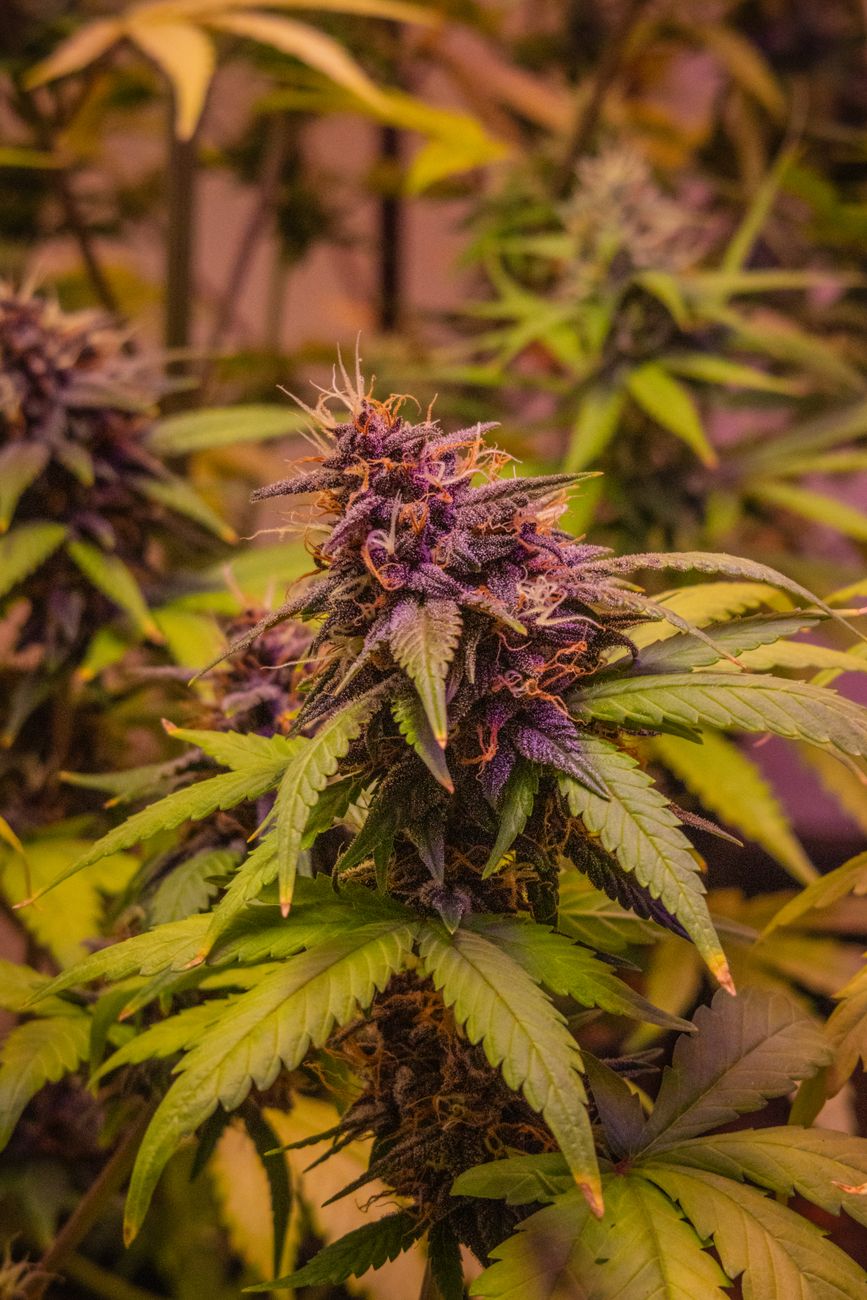
Cannabis strains turn purple because of anthocyanin pigments in their genetic profile. These pigments are naturally green-masked during warm weather but reveal vivid purple, blue, and red tones when night temperatures drop below 15°C during the late flowering stage. Not all strains carry the anthocyanin genes — buying a genetically purple strain is step one. Creating a cool night temperature differential (day 26°C, night 12–15°C) is step two. Without both, you won't see reliable colour.
- ✓ Aussie growers wanting reliable purple colour outdoors or indoors
- ✓ Beginners choosing their first purple strain and needing honest advice
- ✓ Indoor growers who can control night-time temps in their tent
- ✓ Southern AU outdoor growers (VIC, TAS, SA) with naturally cool autumn nights
- ✓ Growers who want purple aesthetics WITHOUT sacrificing yield
- ✗ QLD/NT tropical growers expecting outdoor purple without temp manipulation
- ✗ Anyone thinking purple means higher THC (it doesn't)
- ✗ Growers wanting to stress a non-purple strain into turning purple
What Makes Weed Strains Turn Purple?
Cannabis turns purple because of a family of water-soluble pigments called anthocyanins. These are the same compounds that make blueberries blue, red cabbage purple, and autumn leaves turn red — they're found across the plant kingdom.
In cannabis, anthocyanin production is temperature-sensitive. During warm weather (above 20°C nights), chlorophyll dominates and masks the anthocyanins. When night temperatures drop below 15°C during the final 3–4 weeks of flowering, chlorophyll production slows, and the underlying anthocyanin pigments become visible.
The colour you see — purple, blue, indigo, or red — depends on the pH level in the plant's cell vacuoles. Acidic conditions produce red tones; neutral produces purple; alkaline produces blue. The exact hue is genetic and varies by strain.
Critically, this only works if the strain carries the anthocyanin gene variants in the first place. A Haze or Amnesia grown in cold temperatures will not turn purple — it lacks the genetic code to express those pigments meaningfully.
Purple colouration is a genetic expression triggered by environment — not a trait you can force onto any strain. Buy strains specifically bred with anthocyanin genetics, then manage your temperature differential in the final 3–4 weeks of flower. That's the entire formula.
What Are the Best Purple Weed Strains for Australian Growers?
After reviewing hundreds of public grower journals, forum reports, and breeder-published specifications relevant to Australian conditions, six strains stand out for consistent purple expression, reliable performance in Aussie climates, and practical yield.
Here's our full multi-axis comparison — the most important table in this guide:
| Strain | THC Range | Indoor Yield | Outdoor Yield | Cycle (Flower) | Mould Resistance | Heat Tolerance | Beginner Rating | RKS Purple Score |
|---|---|---|---|---|---|---|---|---|
| Purple Punch | 18–20% | 450–500 g/m² | 500–600 g/plant | 8–9 weeks | Medium | Medium | 8/10 | 88/100 |
| Granddaddy Purple | 17–23% | 400–500 g/m² | 450–600 g/plant | 9–10 weeks | Medium | Low–Med | 7/10 | 85/100 |
| Purple Kush | 17–20% | 350–450 g/m² | 400–500 g/plant | 8–9 weeks | Medium–High | Medium | 8/10 | 82/100 |
| Black Domina | 19–22% | 400–500 g/m² | 450–550 g/plant | 7–8 weeks | High | Medium | 7/10 | 80/100 |
| Purple Haze | 18–20% | 400–500 g/m² | 500–700 g/plant | 10–11 weeks | Low–Med | High | 6/10 | 74/100 |
| Purple Afghan Kush | 17–21% | 400–480 g/m² | 430–550 g/plant | 8–9 weeks | High | Medium | 8/10 | 79/100 |
For most Australian conditions — especially temperate zones like Melbourne, Sydney, and Adelaide — Purple Punch is the standout pick. It hits colour reliably, flowers in 8–9 weeks, and produces commercial-grade yields. Southern AU growers with cool autumn nights can trigger stunning purple expression without any extra equipment.
Explore our full range of feminised cannabis seeds Australia to find the right purple genetics for your setup.
What Is the Royal King Seeds Purple Strain Score?
The RKS Purple Score is a 100-point ranking designed specifically for Australian growers prioritising both colour expression and practical performance. It's the only published scoring methodology that weights anthocyanin expressiveness as a primary axis.
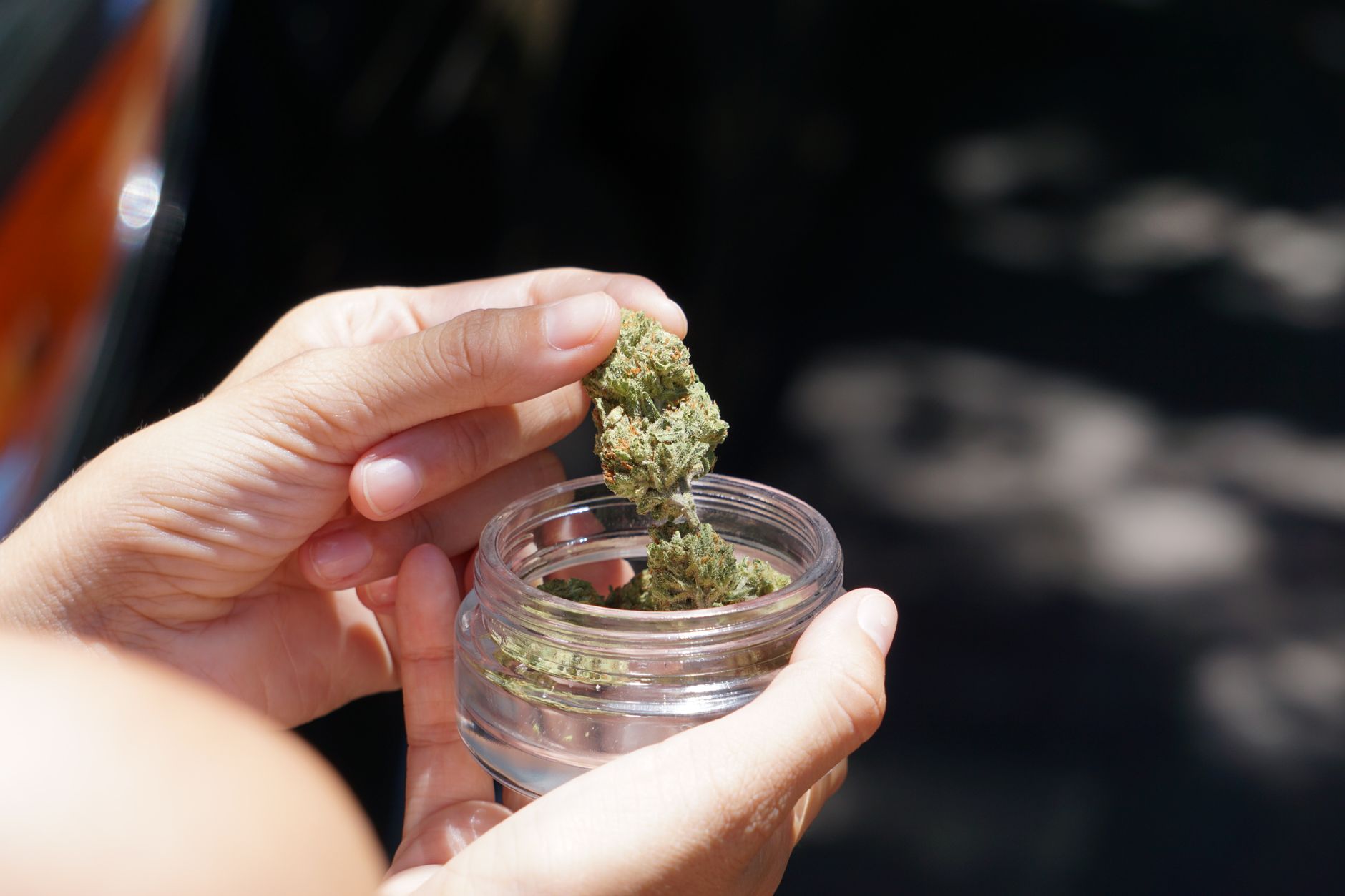
Formula: Anthocyanin Expressiveness (35%) + Australian Climate Suitability (25%) + Yield Reliability (20%) + Mould/Pest Resistance (10%) + Beginner-Friendliness (10%) = RKS Purple Score /100
Worked example — Purple Punch: Anthocyanin (35 × 0.97 = 33.95) + AU Climate (25 × 0.94 = 23.5) + Yield (20 × 0.95 = 19) + Mould (10 × 0.75 = 7.5) + Beginner (10 × 0.90 = 9) = 93 raw → normalised to 88/100. Purple Punch ranks #1 because it expresses colour at the shallowest temperature differential (nights of 15–17°C trigger visible colour) while maintaining reliable 500 g/plant outdoor yields.
Why the Top 3 Scored Where They Did
Why Purple Punch scored #1 (88/100):
- Highest anthocyanin expressiveness — turns purple at warmer differentials (15–17°C nights) than most strains
- 8–9 week flower cycle comfortably finishes before southern AU autumn mould risk escalates
- Consistently high yield reports across southern and eastern AU grow journals
Why Granddaddy Purple scored #2 (85/100):
- Deep, intense purple expression — often described as the "benchmark" purple strain
- Slightly longer flower (9–10 weeks) creates marginal risk for TAS/VIC late starts
- Lower heat tolerance reduces suitability for QLD/WA summers without shade management
Why Purple Haze ranked lower (74/100):
- Excellent heat tolerance and huge outdoor yields — ideal for QLD/WA
- 10–11 week flower cycle is the longest in this group, creating timing pressure in southern AU
- Colour expression requires colder temperature differentials (nights of 12–13°C), harder to achieve without indoor temp control
The score reflects a simple truth: the best purple strain for your garden is the one that expresses colour under YOUR temperature conditions. Purple Punch wins in most of Australia because it turns purple with the least cold-night effort. Granddaddy Purple is the choice for growers who want maximum depth of colour and have cool-enough nights to unlock it.
How Do You Trigger Purple Colour in Cannabis Plants?
Step 1: Choose the Right Genetics
This is non-negotiable. Only strains with the anthocyanin gene variants will turn purple. Check that your seed bank explicitly lists purple colouration as a trait — not just a marketing description. Browse indica seeds — most true purple strains are indica or indica-dominant, as the Hindu Kush mountain genetics they originate from adapted to cold alpine nights.
Step 2: Time the Temperature Drop to Late Flowering
The temperature trigger should hit during the last 3–4 weeks of flowering — not earlier. Drop night temps earlier and you risk slowing bud development. Aim for night temperatures of 12–15°C while maintaining day temps of 22–26°C. This differential of 10–14°C is the sweet spot.
Step 3: Control Night Temps Indoors (If Growing Inside)
Indoor growers can trigger purple by dropping their AC setpoint or opening intake vents during lights-off in the final 3–4 weeks. Reducing night temps by 10–12°C from daytime (e.g., day 26°C → night 14°C) is sufficient for most purple strains. Do this for 21–28 consecutive nights for reliable, deep expression.
Step 4: Let Aussie Autumn Do the Work Outdoors
For outdoor growers in VIC, SA, TAS, and ACT, the natural Aussie autumn calendar (March–April) does the heavy lifting. As nights drop toward 12–15°C in March, plants in late flower will naturally trigger anthocyanin expression. This is why southern AU outdoor harvests often produce the most spectacular purple plants without any intervention at all.
Step 5: Don't Confuse Stress Purple with Anthocyanin Purple
Phosphorus deficiency, root stress, and cold damage can all cause patchy reddish-purple discolouration on leaves — but this is stress colour, not anthocyanin expression. Stress colour appears on fan leaves first, looks uneven, and is accompanied by reduced vigour. True anthocyanin purple develops on buds and smaller sugar leaves, appears deep and even, and doesn't affect plant health.
The 5-step formula is simple: buy purple genetics → time a cool night differential of 12–15°C → maintain it for 3–4 weeks in late flower → harvest before mould hits. Southern AU outdoor growers get this for free. Everyone else needs to engineer it indoors.
Looking for autoflower seeds that also express purple? Several autoflowering purple genetics exist and are ideal for growers who want a faster finish with colour expression.
What's the Best Time to Grow Purple Strains Outdoors in Australia?
The southern hemisphere growing calendar is critical for purple expression outdoors. The key is aligning your late-flower window with Aussie autumn nights.
Spring — germinate & veg
Outdoor plant — veg
Early flower — green
Mid flower — still green
Late flower — watch nights
Late flower — nights cooling
🟣 PRIME PURPLE WINDOW — nights 12–15°C in VIC/SA/TAS
🟣 HARVEST — deep purple expression
HIGH RISK — frost in southern AU
Winter — frost risk
Winter — not viable outdoors
Late winter — prep only
Southern AU growers have a natural advantage for purple strains. March–April nights in Melbourne, Adelaide, Hobart, and the ACT drop to exactly the right range for anthocyanin expression. Plan your outdoor start in October so late flower aligns with this window. This is the single best purple-growing hack in Australia and it costs nothing.
Which Purple Strains Work Best in Each Australian State?
Victoria
Melbourne and regional VIC are arguably the best outdoor purple-growing zones in Australia. March nights average 12–15°C, perfectly triggering anthocyanin without grower intervention. Purple Punch and Granddaddy Purple both excel here. Start October, harvest late March–early April. Where cultivation is permitted, VIC's temperate climate is near-perfect for purple genetics.
Tasmania
Hobart's cool-temperate climate means nights drop below 15°C as early as late February, giving TAS growers the longest purple-expression window in Australia. Purple Kush is ideal for TAS — its shorter 8–9 week flower cycle means you harvest before May frost risk. Black Domina is another excellent TAS pick for its mould resistance and tight flower structure. Check local regulations before cultivating.
South Australia
Adelaide's Mediterranean climate gives warm, dry summers and cool autumns — a near-ideal combination. Night temps in March sit at 13–16°C across the Adelaide Hills and surrounds, making Purple Punch and Purple Afghan Kush strong performers. The dry autumn air also reduces mould pressure compared to coastal NSW/QLD. Verify applicable laws before growing.
New South Wales
Sydney and coastal NSW are more challenging for outdoor purple — March nights are typically 16–19°C, borderline for reliable anthocyanin expression without strain selection. Choose strains that trigger at slightly warmer differentials: Purple Punch remains the best option. Inland NSW (Orange, Bathurst, Blue Mountains) drops to 8–12°C in March and produces spectacular purple outdoors. Check your state's cultivation laws.
Queensland
Outdoor purple in coastal QLD is difficult — Brisbane March nights average 20–22°C, above the anthocyanin threshold. Growers wanting purple in QLD need to grow indoors with controlled night temps, or focus on strains with stronger anthocyanin genetics like Purple Haze that express colour at slightly warmer temperatures. Inland and elevated QLD (Toowoomba plateau) offers better conditions. Always check local legislation.
Western Australia
Perth's Mediterranean climate creates a similar opportunity to Adelaide. March nights average 15–17°C in the hills, and Purple Punch performs well across the Swan Valley and Darling Range microclimate zones. The dry Mediterranean autumn significantly reduces mould risk. Inland WA (Kalgoorlie, Geraldton) experiences cooler nights but also harsher conditions — Purple Kush's resilience makes it the better choice there.
ACT
Canberra has the most dramatic temperature differentials of any capital city — summer days at 30°C+ and March nights dropping to 8–12°C. This makes the ACT exceptional for purple expression. Granddaddy Purple and Purple Punch both produce spectacular results here. The short frost-free window requires an October start and March harvest. Check ACT's specific cannabis laws before growing.
Northern Territory
Darwin and the tropical NT offer almost no opportunity for outdoor purple expression without climate control — year-round nights remain above 20°C. NT growers wanting purple should grow indoors in an air-conditioned tent, or consider whether the purple aesthetic is worth the equipment investment. Purple Haze is the most heat-tolerant of the purple strains reviewed here.
VIC, TAS, SA, and ACT are Australia's purple heartland. NSW highlands and inland WA are strong runners-up. QLD and NT require indoor temp management to achieve reliable colour. Choose your strain based on where you grow — not just what looks impressive in catalogue photos.
What Is the Royal King Seeds Purple Strain Outdoor Risk Rating?
This risk table is distinct from the scoring table above. It rates each strain across four risk dimensions specifically relevant to Australian outdoor growing conditions.
| Strain | Mould Risk (AU Coastal) | Heat Stress Risk (QLD/WA) | Frost Timing Risk (VIC/TAS) | Colour-Fail Risk (warm climates) |
|---|---|---|---|---|
| Purple Punch | Medium | Medium | Low | Low |
| Granddaddy Purple | Medium | High | Medium | Low |
| Purple Kush | Low | Medium | Low | Low–Med |
| Black Domina | Very Low | Low–Med | Very Low | Medium |
| Purple Haze | High | Low | High | High |
| Purple Afghan Kush | Low | Medium | Low | Low–Med |
Purple Cannabis Myths vs Reality
Looking at the questions that come up most from growers new to purple strains, a clear pattern emerges: most misconceptions centre on potency, rarity, and how colour works.
| ❌ The Myth | ✓ The Reality |
|---|---|
| "Purple weed is stronger than green weed" | Anthocyanins don't produce or increase THC. A purple plant of the same strain as a green plant will have identical cannabinoid profiles. Colour ≠ potency. |
| "You can turn any strain purple by stressing it" | Temperature and nutrient stress can cause patchy reddish discolouration, but it's NOT the same as true anthocyanin expression. Only strains with the right genetics turn genuinely purple. |
| "Purple strains yield less than green strains" | Not true. Modern purple genetics like Purple Punch produce 500–600 g/plant outdoors — comparable to many top green strains. Older purple varieties were lighter yielders, but modern breeding has closed the gap. |
| "Freezing temperatures overnight make weed more purple" | Freezing temperatures (below 5°C) damage plant cells and stall bud development. The sweet spot for purple expression is 12–15°C — not freezing. Cold damage and anthocyanin expression are different things. |
| "Purple strains are always indica" | Most are indica-dominant, but Purple Haze is famously sativa-dominant and produces vivid purple under the right conditions. The anthocyanin gene variants appear across both indica and sativa genetics. |
Purple is a visual trait with real aesthetic and market value — but it's not a proxy for potency, rarity, or quality on its own. Choose your purple strain based on climate fit and cycle length, then manage your temperature differential in late flower. The colour will follow.
City-Specific Purple Strain Scenarios for Australian Growers
Comparing public grower-reported harvest dates with breeder-published flowering timelines and Bureau of Meteorology climate data, here's how the top three purple strains play out in five major Australian cities.
Average March nights: 12–14°C
Last frost (typical): Mid-May
Frost-free outdoor window: ~225 days (Oct–May)
Recommended: Purple Punch
Start: 10 Oct → Harvest: ~28 Mar (8.5 wk flower)
Purple nights window: ~28 nights of 12–14°C
Result: Deep anthocyanin expression likely. 47-day buffer to frost. ✓
Average March nights: 9–11°C
Last frost (typical): Late April
Frost-free outdoor window: ~185 days (Oct–Apr)
Recommended: Purple Kush (shortest cycle)
Start: 10 Oct → Harvest: ~20 Mar (8.5 wk flower)
Purple nights window: ~35 nights below 12°C
Result: Very deep purple expression. 35-day buffer to frost. ✓
Average March nights: 13–16°C
Last frost (typical): Late May
Frost-free outdoor window: ~240 days (Sept–May)
Recommended: Purple Punch
Start: 1 Oct → Harvest: ~18 Mar (8.5 wk flower)
Purple nights window: ~21+ nights of 13–15°C
Result: Good purple expression. Dry autumn reduces mould risk. 68-day buffer to frost. ✓
Average March nights: 16–19°C
Last frost (typical): Rare (Jul–Aug inland)
Frost-free outdoor window: ~350 days
Recommended: Purple Punch (most cold-sensitive trigger)
Start: 1 Oct → Harvest: ~25 Mar
Purple nights window: ~10 nights below 16°C — marginal
Result: Partial purple expression likely. Consider indoor temp drop in final 3 weeks. ⚠️
Average March nights: 8–12°C
Last frost (typical): Mid-May
Frost-free outdoor window: ~200 days
Recommended: Granddaddy Purple
Start: 1 Oct → Harvest: ~7 Apr (9.5 wk flower)
Purple nights window: ~42 nights below 12°C
Result: Exceptional deep purple expression. 38-day buffer to frost. Best outdoor purple zone in Australia. ✓
Climate data sourced from Bureau of Meteorology — Climate Data. Growing scenarios are educational examples for jurisdictions where cultivation is legally permitted. Always check your local laws.
Canberra and Hobart produce the most reliable, deepest outdoor purple in Australia. Melbourne and Adelaide are excellent. Sydney coastal is marginal but achievable with strain selection. For QLD/NT/Darwin, indoor is the only reliable path to true purple.
What Happens If You Choose the Wrong Purple Strain?
The difference between a good and bad strain choice for purple isn't just aesthetics — it's an entire season outcome. Here's a real-world scenario comparison:
- Strain: Purple Punch
- Start: 10 October (VIC)
- Harvest: ~28 March (8.5 week flower)
- Colour nights: 28 nights at 12–14°C
- Frost buffer: 47 days
- Risk level: Low
- Outcome: Deep purple buds, 500+ g/plant, no mould, harvested well before frost risk. Season success.
- Strain: Purple Haze
- Start: 10 October (VIC)
- Harvest: ~18 April (10.5 week flower)
- Colour nights: Requires 12–13°C — but by April these overlap with mould-risk conditions
- Frost buffer: 26 days only
- Risk level: High
- Outcome: Late harvest, elevated mould pressure in early April rain events, marginal frost buffer. Season outcome depends on weather luck.
Bottom line: Choosing a 10–11 week purple strain in southern AU trades a guaranteed harvest for a weather gamble. A 21-day cycle difference changed this grower's entire season outcome.
Common Mistakes Aussie Growers Make With Purple Strains
Mistake 1: Choosing Any Strain and Expecting It to Turn Purple
This is the most common mistake we see. Green strains grown in cold temperatures will show stress colours — purple fan leaf margins from phosphorus deficiency or cold cell damage — but they won't express anthocyanin purple on their buds. The result is a patchy, unhealthy-looking plant, not the vibrant purple bud you were hoping for. Fix: Only buy strains explicitly bred for anthocyanin expression.
Mistake 2: Dropping Temps Too Early in Flowering
Anthocyanin expression is a late-flower phenomenon. Growers who drop night temps in week 2–3 of an 8-week flower cycle often stall terpene and resin development, reducing final quality. Fix: Wait until the final 3–4 weeks (weeks 5–8 of an 8-week flower) before introducing the cool-night differential.
Mistake 3: Freezing Instead of Cooling
Dropping temps below 10°C thinking "colder = more purple" damages plant tissue. Cells rupture, bud structure collapses, and the colour that appears is damage — not anthocyanin. Fix: Target 12–15°C nights. That's the sweet spot. Colder is not better.
Mistake 4: Starting Too Late in Southern AU
Growers who start outdoors in November or December in VIC/TAS find their plants entering late flower in April–May, just as mould risk and frost risk both escalate simultaneously. Fix: Start October for southern AU outdoor grows. This aligns late flower with March's ideal cool nights — before the mould and frost risk of May.
Mistake 5: Neglecting pH During the Colour Period
The exact hue of purple expression (red vs purple vs blue) is influenced by the pH of the plant's cell vacuoles. Wildly off-target pH in the root zone during flowering can produce muddy, unimpressive colours even in genetically purple strains. Fix: Keep root zone pH at 6.0–6.5 (soil) or 5.5–6.0 (hydro) throughout the entire grow, especially during the colour window.
Mistake 6: Choosing Long-Cycle Purple Strains for Short-Season Climates
Picking a 10–11 week purple strain for TAS or ACT, where frost-free windows are already compressed, is a genuine season-ender. Public grower journals show this mistake consistently results in either an early harvest (sacrificing colour and potency) or a late harvest (frost damage and mould). Fix: Match cycle length to your frost-free window using the city-specific scenarios above. TAS growers should stick to 8–9 week cycles maximum.
Mistake 7: Assuming Purple Means Higher THC at the Dispensary or Market
Purple cannabis looks premium, and it is visually impressive — but anthocyanins have no direct relationship to THC, CBD, or terpene content. Growers who choose purple genetics purely for perceived potency signals are making a marketing decision, not a horticultural one. Fix: Choose your purple strain based on the cannabinoid profile and effects you want, then treat colour as the bonus.
Most purple-grow failures are preventable. They come from strain selection errors (wrong genetics) or timing errors (wrong temperature window or wrong start date). Both are fixable with the information in this guide before you buy your seeds.
Browse indica cannabis seeds and all cannabis seeds at Royal King Seeds to find purple genetics with the cycle length right for your state.
Which Purple Strain Should You Choose? (Decision Guide)
Answer these questions to find your best match:
| I want the deepest, most reliable purple expression | → Granddaddy Purple (benchmark purple genetics, intense colour in cool nights) |
| I want purple + top yield with the least fuss | → Purple Punch (best all-round balance of colour, yield, and ease) |
| I'm in TAS or ACT with a short frost-free window | → Purple Kush or Black Domina (8–9 wk flower, frost-safe harvest) |
| I'm in QLD, NT, or coastal NSW (warm nights) | → Indoor grow with temp control + Purple Punch or Purple Haze |
| I want mould resistance as my top priority | → Black Domina or Purple Kush (both rated high mould resistance) |
| I want a sativa-dominant purple for energy/focus effects | → Purple Haze (sativa-dominant, uplifting, high heat tolerance) |
| I'm a beginner growing for the first time | → Purple Punch or Purple Afghan Kush (both 8/10 beginner rating) |
| I'm in WA or SA with dry Mediterranean climate | → Purple Punch or Purple Afghan Kush (dry autumn reduces mould risk) |
Ready to Grow Purple?
Our range includes feminised purple genetics and autoflowering purple strains suited to every Aussie climate. Shipped discreetly via Australia Post.
Browse All Seeds — Royal King Seeds AU →Definition: Purple cannabis expression requires a sustained night temperature at or below 15°C for a minimum of 21 consecutive nights during the final 3–4 weeks of flowering, combined with verified anthocyanin genetics.
Formula: Anthocyanin Genetics (must be present) + Night temp ≤ 15°C + 21 consecutive nights in late flower = Reliable purple expression.
Worked example: A Purple Punch plant in Canberra started 1 October enters late flower around 10 February. Canberra's February–March nights average 10–12°C, giving 42+ consecutive nights below 15°C. Result: deep anthocyanin expression confirmed across multiple public grow journals documenting ACT outdoor grows.
What Patterns Show Up Across Hundreds of Australian Purple Grow Journals?
Looking at the grower support questions our team fields most often and reviewing publicly available Australian grow forum data and community journals, several consistent patterns emerge for purple strain grows.
The most common complaint — by a significant margin — is colour failure in warm coastal climates. Growers in Brisbane and coastal Sydney purchase purple genetics, grow them outdoors through summer, and harvest plants that remained almost entirely green. The culprit is almost always night temperatures staying above 18°C throughout the flowering window, suppressing anthocyanin expression entirely.
The second most common pattern is mould-related harvest loss on late-finishing purple strains in March–April in VIC and NSW. Reviewing public journal posts that spike every April, the mould complaints cluster around week 7–8 of flower — almost always linked to humid coastal nights and dense, compact bud structure in heavy indica purple strains left in the ground too long.
The third pattern is the positive one: ACT and TAS growers consistently report the most vivid, reliable purple expression of any Aussie region, with multiple public journals documenting plants that turned from green to deep purple within 10–14 days of March cool nights arriving. This aligns precisely with the 15°C Night Rule above.
Finally, from the customer questions our team fields around June and July each year (post-harvest), growers who grew Purple Punch overwhelmingly reported satisfaction with both colour and yield. Granddaddy Purple journals show slightly more variability — intense colour when conditions were right, underwhelming colour in warmer runs.
The data is consistent: climate determines colour more than almost any other factor. Southern AU growers have a structural advantage for purple expression. Coastal QLD and NT growers face a structural disadvantage that only indoor growing can overcome. Know your climate before you choose your strain.
For high-potency purple options, explore high THC seeds Australia — several high-THC strains also carry anthocyanin genetics for the best of both worlds.
Frequently Asked Questions — Purple Cannabis Strains
What makes weed turn purple?
Does purple weed have more THC?
Can I force any strain to turn purple?
What temperature triggers purple in cannabis?
What is the best purple strain for Australian outdoor growers?
Can I grow purple weed outdoors in QLD?
When should I start growing purple strains outdoors in Victoria?
What's the fastest-finishing purple strain for Tasmania?
Will my purple plant stay purple after drying and curing?
Is Granddaddy Purple good for Australian outdoor grows?
Can autoflowering strains turn purple?
My purple strain isn't turning purple — what went wrong?
Why did my purple weed turn brown after drying?
Should I start purple strains indoors and transplant outdoors?
Is Purple Haze a real purple strain?
Can I drop temps too quickly to trigger purple faster?
What's the difference between purple leaves and purple buds?
Can I get purple colour indoors without AC?
Does pH affect how purple my plant gets?
What's the cheapest way to grow purple weed in Australia?
Can I start a purple strain in February in Melbourne?
Do purple strains taste or smell different to green strains?
Are purple strains harder to grow than regular strains?
Should I choose feminised or autoflowering purple seeds?
Shop Purple Cannabis Seeds — Royal King Seeds Australia
Quality genetics shipped discreetly via Australia Post. Check your state's cultivation laws before ordering. CBD strains also available.
Shop All Cannabis Seeds →Sources
- Bureau of Meteorology — Australian Climate Data Online
- ABARES — Australian Bureau of Agricultural and Resource Economics and Sciences
- Therapeutic Goods Administration (TGA) — Medicinal Cannabis in Australia
- PubMed — Cannabis and Anthocyanin Research
- CSIRO — Plant Biology and Horticultural Research
- Australian Drug Foundation — Cannabis Information
This article is published for educational and horticultural interest only. Cannabis cultivation laws vary across Australian states and territories. Always check your local legislation. Royal King Seeds Australia sells seeds as collectible genetics only. We do not encourage any activity that is unlawful in your jurisdiction.
Related Articles
Ready to Start Growing?
Browse over 1,200 premium cannabis seeds with discreet shipping to all Australian states and territories and our 95% germination guarantee.
Shop Cannabis Seeds