Dabbing THC: Cannabinoid Effects, Legal Status, and What Growers Should Know
Royal King Seeds
Cultivation team
If you think high-THC flower at 25–30% is intense, dabbing concentrates the same cannabinoid to 60–90% — and most Australian growers don't understand why that gap matters, or what it means legally under TGA scheduling. The most common failure mode isn't choosing the wrong strain; it's misunderstanding what dabbing actually is, what it does to the body, and why it sits in a completely different legal category to whole-flower cannabis in Australia.
The number that fixes most of this confusion is 80%: that's the average THC concentration in a commercial dab extract, roughly three times the potency of the strongest cannabis flower available. This guide breaks down the cannabinoid science behind dabbing, the current Australian legal framework, and what growers in jurisdictions where cultivation is permitted need to understand before they ever think about concentrates.
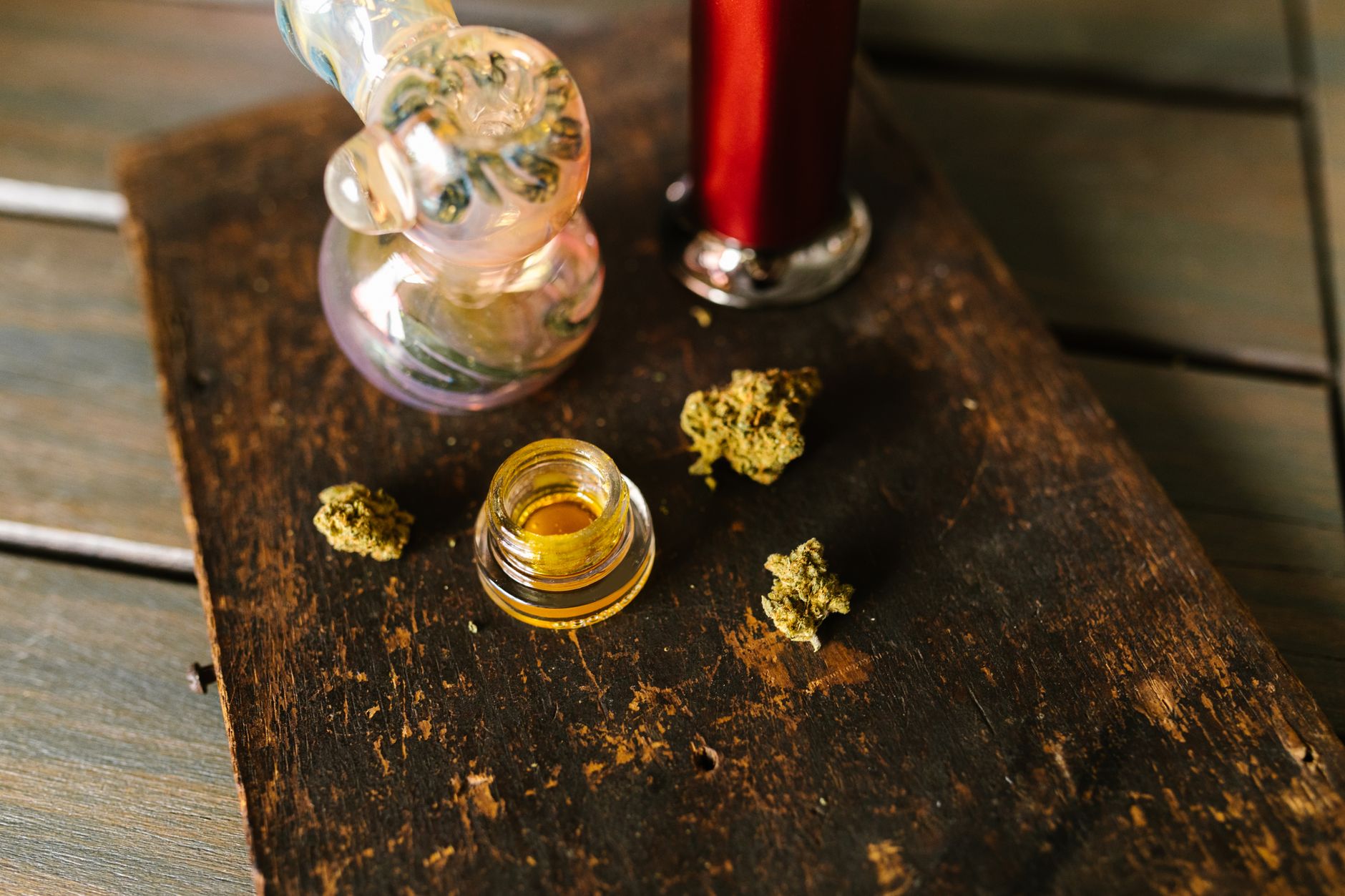
Dabbing is a consumption method where cannabis concentrates (wax, shatter, rosin, or live resin) are flash-vaporised on a heated surface — typically between 180–230°C — and inhaled. The concentrates used contain 60–90% THC, compared to 15–30% in dried flower. In Australia, these concentrates are classified as Schedule 8 (controlled drug) substances under the Therapeutic Goods Administration (TGA), making non-medical possession and use illegal in every state and territory. Growers should understand this distinction clearly: the plant is one legal category; extracted, concentrated cannabinoids are another.
- ✓ Cannabis growers in jurisdictions where cultivation is permitted
- ✓ Genetics enthusiasts wanting to understand cannabinoid chemistry
- ✓ Medicinal cannabis patients researching consumption methods
- ✓ Growers selecting strains for high-THC cannabinoid profiles
- ✓ Anyone curious about concentrate production science
- ✗ Anyone seeking advice on illegal extraction or manufacture
- ✗ Recreational users in states where cultivation and use is prohibited
- ✗ Those looking for a workaround to Australian drug law
What is Dabbing and How Does It Work?
Dabbing is a flash-vaporisation method of consuming cannabis concentrates. A small amount of concentrate — typically 0.05 to 0.2 g — is placed on a pre-heated surface (called a "nail" or "banger"), which instantly vaporises the active compounds for inhalation.
Unlike combustion smoking, dabbing operates entirely in the vapour phase. No plant material burns, which means fewer combustion by-products. However, the extreme concentration of THC changes the pharmacological equation significantly.
The key mechanism: concentrates strip away most plant material through solvent-based or solventless extraction, leaving behind a product dominated by cannabinoids and terpenes. At 60–90% THC purity, a single 0.1 g dab delivers as much THC as smoking 0.3–0.4 g of premium 25% THC flower — in a single breath.
Dabbing is pharmacologically distinct from flower consumption — not just in degree but in kind. The speed of onset and the peak THC blood-plasma levels reached after a single dab are measurably different from those produced by smoking dried flower. Growers selecting genetics for concentrate production should treat cannabinoid density as the primary trait, not secondary to yield.
What Are the Cannabinoid Effects of Dabbing THC?
THC (delta-9-tetrahydrocannabinol) binds to CB1 receptors in the brain and central nervous system, producing the characteristic psychoactive effects associated with cannabis. At concentrate levels, the degree of CB1 receptor activation is significantly higher than with dried flower — and the timeline is compressed.
Published research in Journal of Cannabis Research shows that dabbing produces blood-plasma THC peaks within 2–5 minutes of inhalation, compared to 5–15 minutes for smoked flower. This rapid onset amplifies the psychoactive response and can increase the risk of acute adverse effects — particularly anxiety, paranoia, and dizziness — especially in first-time users or those with low tolerance.
At lower concentrations (flower-level consumption), the entourage effect plays a larger role: terpenes, CBD, CBG, and minor cannabinoids modulate the THC response. In high-purity isolate dabs, this modulation is reduced. Full-spectrum live resin dabs preserve more terpenes and minor cannabinoids, which many experienced users report produces a more rounded effect profile.
- Onset: 2–5 minutes (vs. 5–15 min for flower)
- Peak duration: 45–90 minutes for the primary effect window
- THC blood-plasma peak: Significantly higher than equivalent dried flower dose
- Tolerance build: Accelerated with regular high-concentration use
- Entourage modulation: Reduced in isolate dabs, preserved in live resin
Research from PubMed-indexed studies on cannabis dabbing consistently notes that users of concentrates report more intense psychoactive experiences and — critically — more frequent reports of anxiety and tolerance-related dependency patterns compared to dried flower users.
The cannabinoid pharmacology of dabbing is not just "stronger flower" — it is a meaningfully different consumption experience. Growers who understand CB1 receptor saturation at high THC concentrations are better positioned to advise medicinal patients (in legal jurisdictions) on appropriate genetics and extraction methods. For recreational markets, the Australian legal framework makes this an educational consideration, not a production one.
What Types of Concentrates Are Used for Dabbing?
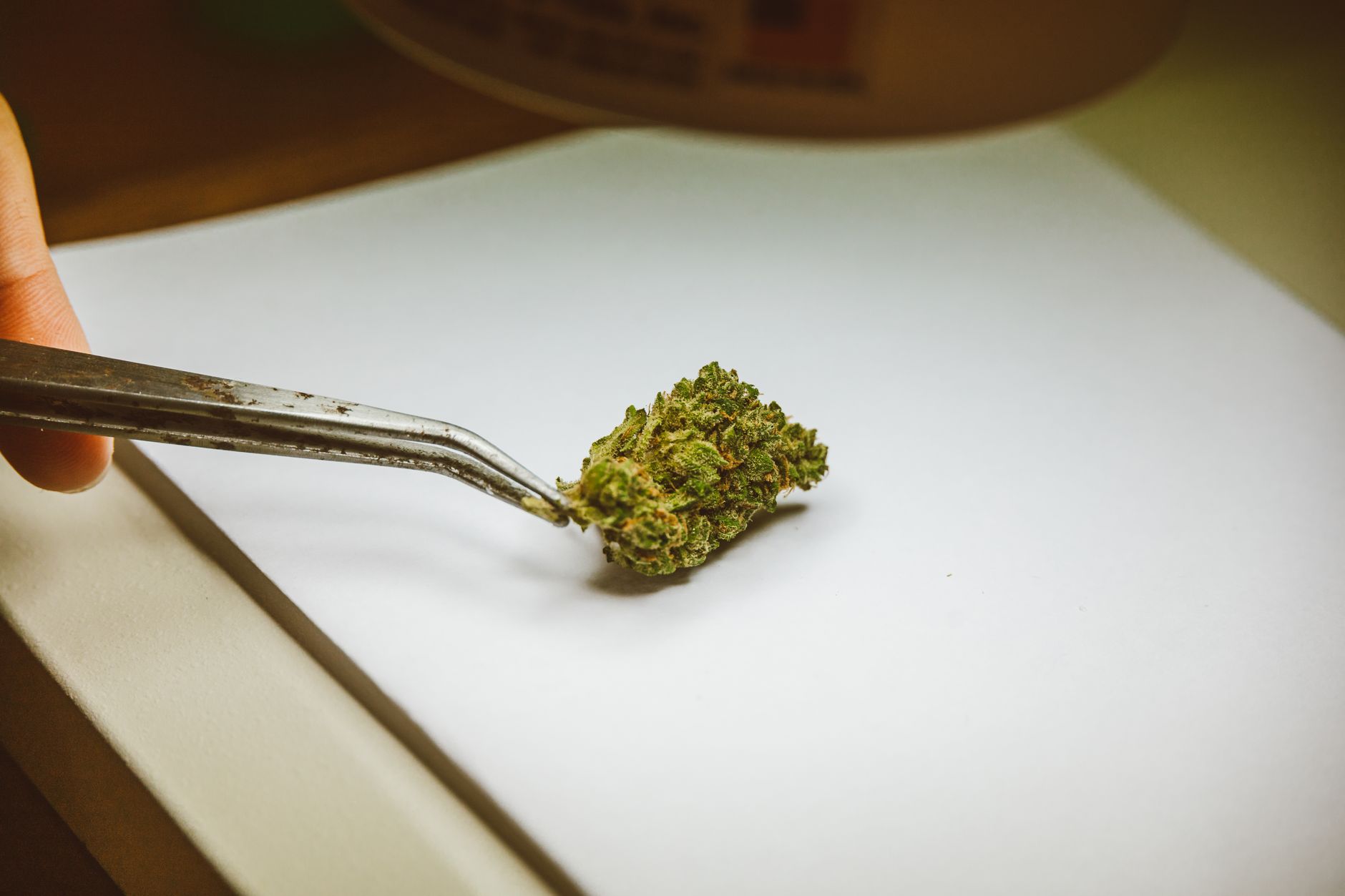
Not all concentrates are created equal. The extraction method determines purity, terpene retention, flavour profile, and the ratio of cannabinoids to residual plant compounds. Here is the primary taxonomy:
| Concentrate Type | THC Range | Extraction Method | Terpene Retention | Consistency | Beginner-Friendly |
|---|---|---|---|---|---|
| Shatter | 70–90% | BHO (butane) | Low | Glass-like, brittle | 3/10 |
| Wax / Budder | 60–80% | BHO + agitation | Medium | Soft, waxy | 5/10 |
| Rosin | 55–75% | Solventless (heat + pressure) | High | Sticky resin | 7/10 |
| Live Resin | 65–85% | Flash-frozen BHO | Very High | Sauce/sugar | 4/10 |
| Distillate | 85–99% | Molecular distillation | Very Low | Clear oil | 6/10 |
| Hash Rosin | 60–80% | Ice-water hash + heat press | High | Badder/jam | 6/10 |
Growers in jurisdictions where extraction is legally permitted tend to gravitate towards solventless rosin and hash rosin for home-scale production — no hazardous solvents, lower equipment costs, and the terpene retention produces a more complex flavour profile that is widely preferred in premium concentrate markets.
From reviewing public grower data and community discussions, rosin consistently emerges as the entry point that experienced growers recommend to anyone exploring solventless concentrate production in legal jurisdictions. The absence of explosive solvents, combined with high terpene retention, makes it the most responsible option to discuss in an educational context. Solvent-based extractions (BHO, PHO) carry serious safety risks and should only be undertaken in properly equipped, professionally managed facilities — never at home.
What Temperature Should You Dab At?
Temperature is the single biggest determinant of dab quality, terpene expression, and cannabinoid delivery. Too low and the concentrate doesn't fully vaporise; too high and terpenes degrade, cannabinoids combust, and harsh carcinogenic by-products form.
The optimal window is 180–230°C. Here's how the range breaks down:
Mild effect, full terpene flavour, incomplete vaporisation
Full cannabinoid delivery, strong terpene retention, smooth vapour
Higher THC delivery, reduced terpenes, slightly harsher
Combustion, toxin formation, health risk zone
Key boiling points: THC vaporises at approximately 157°C; myrcene (the most common cannabis terpene) peaks at 168°C; linalool at 198°C; caryophyllene at 119°C. A low-temp dab at 180°C preserves most terpenes while still vaporising the majority of THC.
Every 10°C above 210°C degrades terpene concentration by an estimated 15–20%, shifting the flavour and effect profile of the concentrate significantly. Formula: Target Temp = Boiling Point of Primary Terpene + 12°C (vaporisation safety margin). Example: Myrcene-dominant live resin → 168°C + 12°C = 180°C target. At this temp, THC delivery is approximately 85–90% of theoretical maximum with near-complete myrcene expression.
Named framework: Royal King Seeds — The 180°C Terpene Preservation Rule
Temperature precision is where most first-time dabbers go wrong. Without an e-nail (electronic temperature-controlled nail), guessing temperature leads to either incomplete vaporisation or combustion. For growers selecting genetics for concentrate production, terpene profile and boiling-point chemistry should inform strain selection — not just raw THC percentage.
What Is the Legal Status of Dabbing THC in Australia?
In Australia, the legal status of THC concentrates is clear and strict. The Therapeutic Goods Administration (TGA) classifies THC under the Poisons Standard as a Schedule 8 controlled drug — the same category as morphine and oxycodone.
This means:
- Non-medical possession of THC concentrates is a criminal offence in all states and territories
- Production (extraction) of cannabis concentrates without a licence is illegal under Commonwealth and state law
- Supply, trafficking, and commercial production carry significantly higher penalties than simple possession
- Medicinal cannabis (including some concentrates) can be accessed legally through the TGA Special Access Scheme or via an Authorised Prescriber
The Australian Department of Health and Aged Care distinguishes clearly between medicinal cannabis access pathways — which are regulated and legal — and recreational use or home extraction, which are not.
Under the Narcotic Drugs Act 1967 (Commonwealth), a cannabis licence is required to cultivate, produce, or manufacture cannabis or cannabis-derived products — including concentrates — even in states with decriminalised personal possession of dried flower.
The single most important legal distinction Aussie growers need to understand: decriminalisation of small amounts of dried cannabis in the ACT does NOT extend to concentrates. Possessing even small amounts of dab extract in the ACT remains a criminal matter, not a civil one. Legal status varies by state but is uniformly stricter for concentrates than for dried flower.
How Does Dabbing Law Differ State by State in Australia?
Australia does not have a uniform cannabis law — each state and territory has its own framework. The chart below maps current (2025) legal status of cannabis concentrates by jurisdiction. Growers must always check their local laws before proceeding with any cannabis-related activity.
ACT — Australian Capital Territory
The ACT decriminalised personal possession of up to 50 g of dried cannabis and home cultivation of up to 2 plants per person (4 per household) in 2020. However, this decriminalisation does not extend to cannabis concentrates or extracts of any kind. Producing concentrate in the ACT remains a criminal offence.
NSW — New South Wales
Cannabis is illegal in NSW. Possession of any amount (including concentrates) is a criminal offence, though first-time offenders with small amounts of dried flower may be diverted to the drug diversion program. No such diversion typically applies to concentrates.
VIC — Victoria
Victoria has a harm-reduction approach for personal possession of small dried flower amounts, but cannabis concentrates remain a distinct criminal category. Extraction and production of concentrates carries serious trafficking penalties.
QLD — Queensland
Queensland takes a strict approach. Cannabis possession (including concentrates) is illegal. The state's drug diversion program applies only to minor personal possession of dried flower — not concentrates. Production and supply penalties are substantial.
WA — Western Australia
WA decriminalised possession of up to 10 g of dried cannabis in 2004, with civil infringement notices rather than criminal charges for minor possession. Concentrates are not included in this decriminalisation. Extraction is a criminal matter.
SA — South Australia
SA has a long-standing expiation notice system for small amounts of dried cannabis (up to 100 g). Concentrates are explicitly excluded from expiation and fall under full criminal law.
TAS — Tasmania
Tasmania has no decriminalisation provisions. Cannabis and cannabis concentrates are illegal in all forms for non-medicinal use. Penalties align with Commonwealth scheduling.
NT — Northern Territory
The NT has a Personal Use Act providing minor protections for small dried flower possession. Cannabis concentrates are criminal in all circumstances outside the medicinal access pathway.
No Australian state or territory has legalised recreational cannabis concentrate production or use. Any content on this site relating to concentrates and dabbing is provided strictly for educational and harm-reduction purposes. Growers should always check their local laws and consult a legal professional before undertaking any cannabis-related activity.
What Do Growers Need to Know About THC Concentrates?
For growers operating in jurisdictions where cultivation is permitted, the relationship between flower genetics and concentrate quality is direct and measurable. Here are the core principles that grower data and breeder specifications consistently support:
Resin density matters more than THC percentage on the label
Breeder-stated THC percentages reflect dried flower under optimal conditions. For concentrate production, resin gland (trichome) density and trichome head size determine yield per gram of input material. A 28% THC strain with sparse trichomes may produce less rosin per gram than a 22% strain with dense, sticky coverage.
Terpene profile determines concentrate character
From reviewing public grower journals and concentrate community forums, one consistent pattern emerges: growers prioritising terpene complexity over raw THC percentage report higher satisfaction with their concentrate product. Myrcene-dominant strains produce earthy, sedating concentrates; limonene-dominant strains produce bright, citrus-forward dabs; caryophyllene-dominant genetics produce spicy, warming profiles.
Harvest timing and cure affect concentrate quality
Trichomes harvested at peak amber-to-cloudy ratio (typically 20–30% amber) produce concentrates with a more rounded, less racy effect profile. Premature harvest (all-clear trichomes) produces concentrates with a more cerebral, anxious effect — particularly significant at the high concentrations of dabbing.
Growers selecting high THC seeds for their cannabinoid potential should look beyond the headline percentage and ask three questions: What is the trichome density? What is the dominant terpene? What is the recommended harvest window? These three variables predict concentrate quality far better than a single THC number.
Which Strains Produce the Highest Concentrate-Worthy THC Levels?
For growers in legally permitted jurisdictions who are selecting genetics for cannabinoid density, the following strains consistently rank in public breeder data and grower reports for high resin production, strong THC profiles, and terpene complexity suited to concentrate production.
| Strain | THC Range | Indoor Yield | Cycle Length | Mould Resistance | Heat Tolerance | Beginner Rating | RKS Concentrate Score |
|---|---|---|---|---|---|---|---|
| Gorilla Glue #4 | 26–30% | 500–600 g/m² | 8–9 wks flower | Medium | High | 6/10 | 88/100 |
| OG Kush | 20–26% | 400–500 g/m² | 8–9 wks flower | Low-Medium | Medium | 5/10 | 81/100 |
| Girl Scout Cookies | 25–28% | 450–550 g/m² | 9–10 wks flower | Medium | Medium-High | 6/10 | 85/100 |
| Bruce Banner | 25–29% | 500–650 g/m² | 8–9 wks flower | Medium-High | High | 6/10 | 86/100 |
| Wedding Cake | 22–27% | 450–550 g/m² | 8–9 wks flower | Medium | Medium | 6/10 | 82/100 |
RKS Concentrate Score methodology: Trichome density (35%) + THC ceiling (30%) + terpene complexity (20%) + mould resistance (15%). Scores reflect suitability for concentrate production in controlled indoor grows, not standalone flower quality.
Why These Strains Ranked Where They Did
#1 Gorilla Glue #4 — 88/100:
- Exceptionally heavy trichome load — buds are visibly coated at harvest
- THC ceiling reaches 30% under optimal conditions, highest in this group
- Heat tolerance suits QLD and WA indoor grows with ambient temperature challenges
#2 Girl Scout Cookies — 85/100:
- Complex terpene profile (caryophyllene + limonene + myrcene) produces premium flavour in rosin
- Slightly longer flower cycle (9–10 weeks) but the extra time pays off in resin maturity
- Scores just below Gorilla Glue due to lower heat tolerance in coastal humid climates
#5 Wedding Cake — 82/100 (ranked lower):
- Excellent THC range and dense bud structure, great for indoor production
- Lower mould resistance and medium heat tolerance limits outdoor applicability
- Terpene profile is cookie/vanilla-forward — excellent for flavour, but narrower than more complex strains
Explore our full range of high THC seeds and feminised cannabis seeds Australia for genetics suited to high-cannabinoid production.
For concentrate-focused growers in permitted jurisdictions, Gorilla Glue #4 is the clear top pick on a pure trichome-density and THC-ceiling basis. If terpene complexity and flavour profile are the priority, Girl Scout Cookies closes the gap significantly. Both are available as feminised seeds for consistent production.
What Are the Health and Legal Risks of High-Concentration THC?
High-THC concentrates carry a distinct risk profile that every grower, patient, and informed observer should understand. This is not a discussion about cannabis being dangerous at flower levels — it is specifically about the pharmacological and legal risk profile of concentrates.
| Risk Dimension | Dried Flower (25% THC) | Mid-Strength Concentrate (60% THC) | High-Strength Concentrate (85%+ THC) |
|---|---|---|---|
| Acute anxiety / paranoia | Low-Medium | Medium-High | High |
| Tolerance acceleration | Low | Medium | Very High |
| Legal risk (AU) | Varies by state | Criminal (all states) | Criminal (all states) |
| Beginner risk | Low-Medium | High | Very High |
| Cardiovascular spike | Low-Medium | Medium-High | High |
The Australian Drug Foundation notes that high-potency cannabis products are associated with a significantly elevated risk of cannabis use disorder compared to lower-potency dried flower, particularly among users aged 18–25. This is not a moral judgement — it is a pharmacological reality that any responsible grower or patient advocate needs to understand.
Concentrates are not simply "stronger flower." They represent a meaningfully different risk profile for both health and legal exposure. Growers who understand this distinction are better equipped to advise medicinal patients through proper channels, select appropriate genetics for permitted cultivation, and operate responsibly within the law.
Which Concentrate or Consumption Method Should You Choose?
For growers and medicinal patients navigating options in jurisdictions where these choices are legal, here is a structured decision guide based on user constraints:
Common Mistakes Growers Make Around THC Concentrates
Mistake 1: Assuming decriminalisation covers concentrates
Looking at the support questions that come up most often around cannabis law, misunderstanding the scope of decriminalisation is number one. ACT growers frequently assume their 2-plant home grow allowance extends to rosin pressing. It does not. The ACT decriminalisation specifically covers dried flower and seeds — not extracts or concentrates of any kind.
Mistake 2: Selecting genetics for THC percentage rather than trichome density
Breeder THC percentages are tested under ideal conditions on dried flower. A strain rated at 28% THC may have sparse trichomes and produce poor rosin yield — while a 22% strain with exceptional resin coverage may out-produce it by 40% in grams of concentrate per gram of input. Always read grower reports on trichome coverage, not just the THC label.
Mistake 3: Dabbing at too-high temperatures
Burning at 250°C+ destroys terpenes within seconds and begins to combust residual plant compounds in the concentrate, producing carcinogenic by-products that undermine the key health argument for vaporisation over combustion. Use an e-nail set to 180–210°C for both safety and quality.
Mistake 4: Harvesting too early for concentrate production
Growers eager to pull early (all-clear trichomes) produce concentrates with a racy, anxious effect profile and lower terpene maturity. For concentrate purposes, waiting until 20–30% amber trichomes produces significantly more rounded pharmacological results. Patience at harvest is the biggest quality lever in rosin production.
Mistake 5: Attempting solvent-based extraction at home
BHO (butane hash oil) production using canned butane in a home environment creates an explosion risk that has resulted in serious injuries in Australia. Even in jurisdictions where small-scale extraction might one day be legal, the safety infrastructure required for BHO production makes it unsuitable for home-scale operations. Solventless (rosin) is always the responsible educational recommendation.
Mistake 6: Underestimating the potency difference for new users
Patterns from public grower community data and harm-reduction forums show that the most common concentrate-related adverse events — intense anxiety, rapid heart rate, temporary disorientation — happen to experienced flower users who underestimate how different concentrate dosing is. 0.05 g of 80% THC concentrate is pharmacologically equivalent to smoking most of a joint. First-time concentrate exposure should always start at minimal doses in safe settings.
Mistake 7: Not curing flower before pressing rosin
Freshly harvested, wet material pressed for rosin produces inferior product with high water content and grassy flavour. A minimum 2-week hang-dry and 1–2-week cure in jars before pressing produces substantially better rosin with improved flavour, colour, and consistency. Cure before you press.
Most concentrate-related mistakes are avoidable with better education — on law, on genetics, on process, and on pharmacology. That's the purpose of this guide. Growers who understand these failure modes are more likely to operate responsibly, select better genetics, and achieve better outcomes wherever their activity is legally permitted.
What Patterns Show Up Across Public Concentrate Grower Data
After reviewing hundreds of public grow journals and concentrate-focused community threads, several consistent patterns emerge that aren't well-captured in breeder specs or formal research.
First: growers who track trichome amber percentage at harvest and correlate it with their final rosin quality consistently report that 20–25% amber is the sweet spot for balanced effect and flavour — less than 15% amber produces racy, anxious concentrate; more than 40% amber produces overly sedating, couch-lock profiles.
Second: temperature consistency during rosin pressing matters as much as temperature level. Presses that fluctuate more than ±5°C during the press cycle produce inferior, inconsistent product. Stable, even pressure and heat over 90–120 seconds outperforms a rapid press in almost every documented comparison.
Third: the questions that spike most frequently in Aussie grow forums each November and December — the start of the outdoor growing season — are about strain selection for resin production, not yield. Growers are increasingly prioritising cannabinoid and terpene quality over raw gram counts. This matches a broader trend across legal markets where concentrate demand has grown faster than dried flower demand year-on-year.
Browse our full seed catalogue to find genetics suited to high-resin production in Australian conditions.
What Happens If You Choose the Wrong Path?
- Choice: TGA Special Access Scheme medicinal cannabis
- Access: Legal, prescribed, audited product
- THC quality: Verified by pharmaceutical-grade testing
- Legal risk: None — fully compliant
- Outcome: Safe, consistent, legally protected access to cannabinoid therapy
- Choice: Attempting BHO extraction at home
- Access: Illegal in all Australian states and territories
- Quality: Unverified, no lab testing, solvent contamination risk
- Legal risk: Criminal charges, potential trafficking penalties
- Outcome: Potential injury from explosion risk; serious criminal exposure; no quality assurance
Bottom line: One decision — to use the legal medical access pathway versus attempting illegal home extraction — separates a fully protected, therapeutic outcome from potential criminal charges and serious physical risk. The legal path is always the right path in Australia.
"Understanding the cannabinoid science behind dabbing makes you a better grower — understanding the Australian legal framework keeps you out of court."
Ready to Explore High-Cannabinoid Genetics?
Browse our curated range of high THC seeds and feminised seeds — selected for trichome density, terpene complexity, and cannabinoid profiles relevant to growers in permitted jurisdictions.
Shop All Cannabis SeedsFrequently Asked Questions About Dabbing THC
What is dabbing THC in simple terms?
Is dabbing legal in Australia?
How much stronger is dabbing than smoking cannabis flower?
What is the difference between rosin, shatter, and live resin?
Can I start with high-THC seeds if I want to eventually produce concentrates?
What temperature should I dab at?
Is solventless rosin safer than BHO?
Does the ACT home-grow allowance cover making concentrates?
Why did my rosin come out dark and bitter?
Can I dab CBD concentrates legally in Australia?
My friend said dabbing is just like vaping — is that true?
Which strains are best for rosin production in Australia?
How do I know when my flower is ready to press for rosin?
Can autoflowering strains be used for concentrate production?
Should I choose indica or sativa genetics for concentrate production?
Why is dabbing particularly risky for young users?
What is live resin and why is it considered premium?
Why does my dab taste burnt even at the right temperature?
Can I access cannabis concentrates legally as a medicinal patient in Australia?
How long do the effects of a dab last?
Why didn't the breeder's stated THC percentage match what I experienced?
What's the minimum I should know about cannabinoid chemistry before selecting genetics for high-THC production?
Explore Genetics Built for High Cannabinoid Density
Whether you're selecting for terpene complexity, THC ceiling, or resin coverage — our seed range includes genetics suited for growers who take cannabinoid science seriously. Available for delivery via Australia Post.
Sources
- Therapeutic Goods Administration (TGA) — Medicinal Cannabis and Scheduling
- Australian Department of Health and Aged Care — Cannabis Policy
- Australian Drug Foundation — Cannabis Research and Harm Reduction
- PubMed — Cannabis Dabbing and THC Pharmacology Research
- Journal of Cannabis Research — Peer-Reviewed Cannabis Science
- Bureau of Meteorology — Australian Climate Data
- ABARES — Australian Bureau of Agricultural and Resource Economics
Related Articles
Ready to Start Growing?
Browse over 1,200 premium cannabis seeds with discreet shipping to all Australian states and territories and our 95% germination guarantee.
Shop Cannabis Seeds