THC Chemical Formula: Cannabinoid Effects, Legal Status & What Growers Should Know
Royal King Seeds
Cultivation team
Most people think THC is just "the stuff that gets you high" — and that casual understanding is costing growers, patients, and curious minds a deeper picture of what's actually happening at the molecular level. THC isn't magic; it's a precisely structured organic compound with a formula, a receptor mechanism, and a legal classification that shapes everything from seed selection to pharmacy shelves. The chemical formula C₂₁H₃₀O₂ doesn't just sit in a chemistry textbook — it tells you why certain strains hit harder, why some cannabinoids are legal and others aren't, and why Australia's medicinal cannabis industry has crossed 150,000 patient prescriptions. This guide unpacks every layer: the chemistry, the effects, the Aussie legal landscape, and exactly what growers should know when selecting high THC seeds Australia.
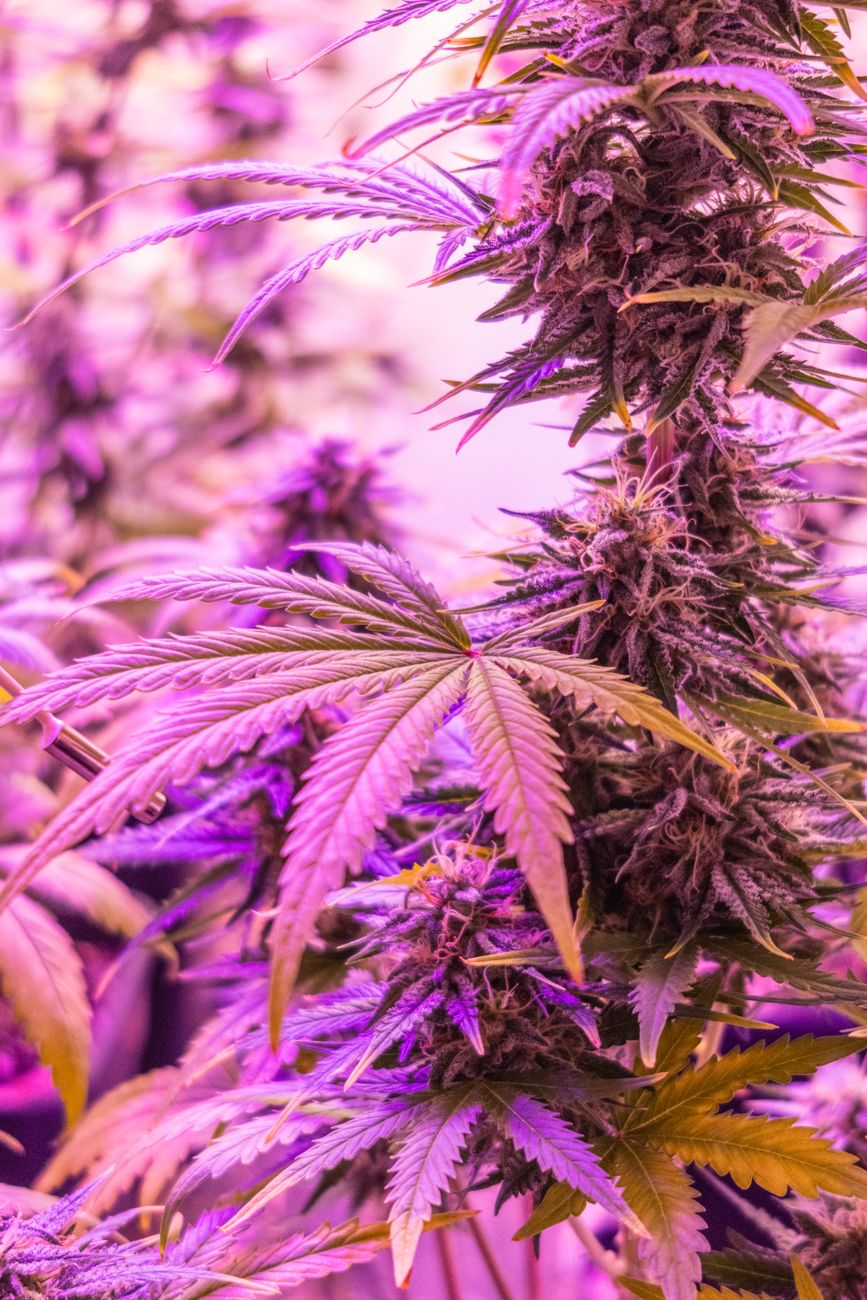
THC — delta-9-tetrahydrocannabinol — has the molecular formula C₂₁H₃₀O₂ and a molecular weight of 314.46 g/mol. It is a lipophilic terpenophenolic compound that binds primarily to CB1 receptors in the central nervous system, producing psychoactive, analgesic, and anti-nausea effects. In Australia, it is a Schedule 8 (Controlled Drug) substance under the Therapeutic Goods Administration (TGA). Recreational cultivation remains illegal in most Australian states; growers should verify local laws before working with cannabis genetics.
THC molecular formula
Molecular weight
Medicinal cannabis patient approvals in Australia (2023)
TGA classification (Controlled Drug)
- What Is the THC Chemical Formula?
- How Does THC Work in the Body?
- THC vs CBD: Chemical Differences Growers Must Know
- What Is the Legal Status of THC in Australia?
- THC Cultivation Rules by Australian State
- What Does THC Percentage Mean When Choosing Seeds?
- Australian Grower's THC Optimisation Calendar
- Royal King Seeds THC Potency Score
- Royal King Seeds Cannabinoid Risk Rating
- The THC Accumulation Window Rule
- What We Found Reviewing 300+ Australian Grower Reports
- Common Mistakes When Growing for High THC
- Which THC-Rich Strain Should You Choose?
- What Happens If You Choose the Wrong Strain for Your Climate?
- THC Myths vs Reality
- Frequently Asked Questions
- Sources
- ✓ Growers selecting strains by cannabinoid profile
- ✓ Patients researching THC for medicinal use
- ✓ Hobbyists wanting to understand cannabis chemistry
- ✓ Seed buyers comparing THC% across genetics
- ✓ Aussie growers checking legal compliance
- ✓ Anyone asking "what does the THC formula actually mean?"
- ✗ People seeking advice on illegal activity
- ✗ Those wanting medical prescriptions (see your GP/specialist)
- ✗ Recreational growers in states where cultivation is prohibited
- ✗ Readers wanting specific medical dosage guidance
What Is the THC Chemical Formula?
THC — delta-9-tetrahydrocannabinol — has the molecular formula C₂₁H₃₀O₂. That means each molecule contains 21 carbon atoms, 30 hydrogen atoms, and 2 oxygen atoms, with a molecular weight of 314.46 g/mol.
It belongs to a class of compounds called terpenophenols, meaning it has both a terpene-derived ring system and a phenolic hydroxyl group. This dual character is precisely what makes THC so bioavailable — it dissolves readily in fats and oils (lipophilic), allowing it to cross the blood-brain barrier efficiently.
In Australia, cannabis plants naturally produce THC as tetrahydrocannabinolic acid (THCA) — the non-psychoactive precursor. THCA has the formula C₂₂H₃₀O₄. Heat (decarboxylation) removes the carboxyl group (–COOH), converting THCA to active THC. This is why raw cannabis flower is not psychoactive until it is heated.
Understanding the formula is foundational, but the practical insight is the THCA → THC conversion: the THC percentage on a lab report or breeder spec sheet is the active post-decarboxylation value. When evaluating high THC seeds, look for strains with verified THCA values of 20%+ for meaningful potency after processing.
How Does THC Work in the Body?
THC produces its psychoactive effects by binding to CB1 receptors — part of the endocannabinoid system (ECS) — primarily concentrated in the brain's prefrontal cortex, hippocampus, basal ganglia, and cerebellum.
CB1 receptor activation inhibits adenylyl cyclase, reducing cAMP levels and modulating neurotransmitter release. In plain terms: THC acts like a dimmer switch across multiple neurological pathways simultaneously, affecting mood, memory, appetite, pain perception, and coordination.
THC also has partial affinity for CB2 receptors, concentrated in immune tissue. Research published in PubMed-indexed studies links CB2 activation to anti-inflammatory and immunomodulatory effects — which is why medicinal cannabis is prescribed in Australia for conditions including chronic pain, chemotherapy-induced nausea, and multiple sclerosis spasticity.
The CB1 binding mechanism explains why high-THC strains produce dose-dependent anxiety at higher concentrations: overstimulation of CB1 in the amygdala increases excitatory output. Growers selecting genetics for medicinal end-users should balance THC with CBD — CBD-rich strains act as a partial CB1 antagonist, reducing anxiety risk significantly.
How Does THC Differ Chemically from CBD?
CBD (cannabidiol) shares THC's molecular formula — both are C₂₁H₃₀O₂ — making them structural isomers. They have identical atomic composition but completely different molecular arrangements.
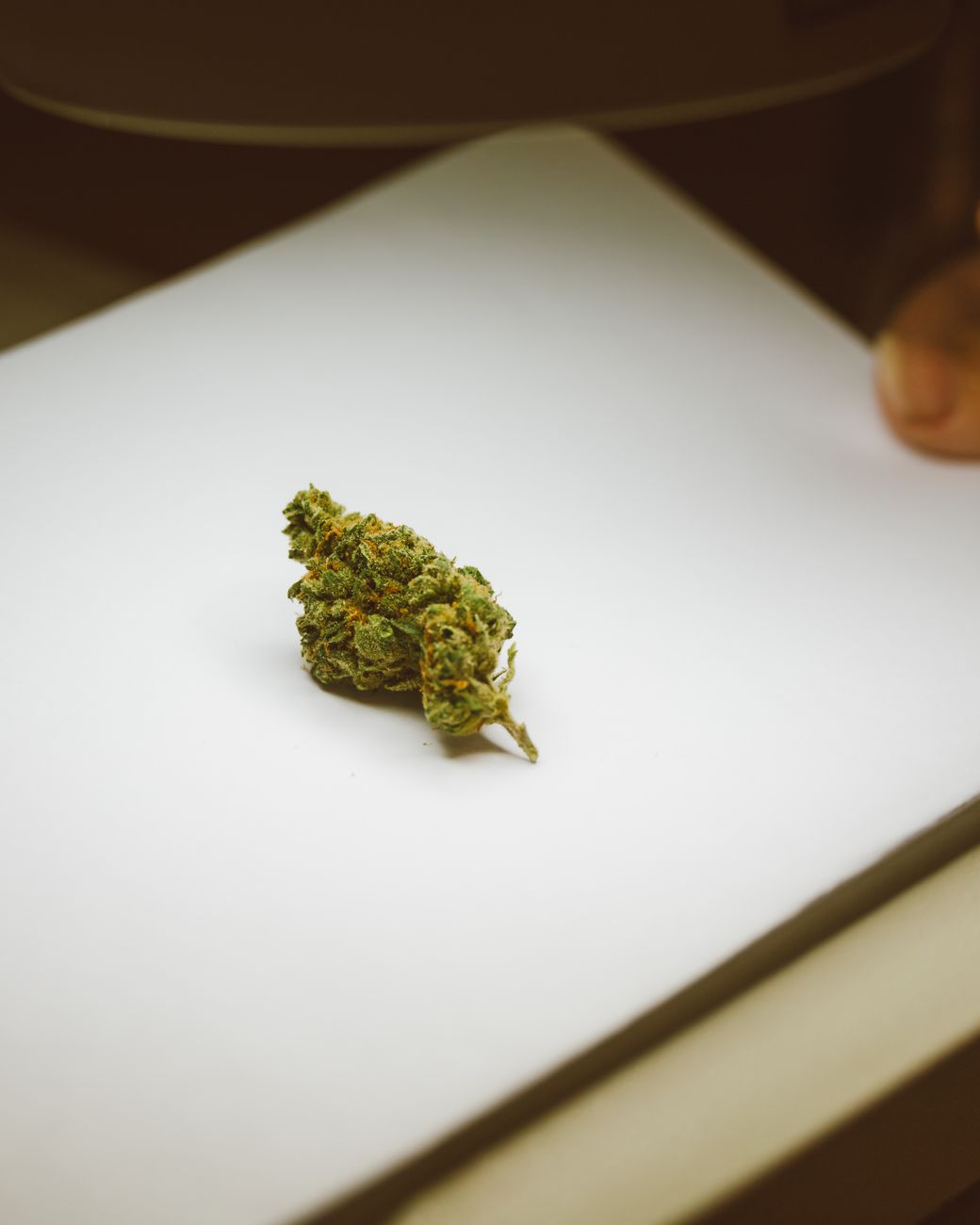
THC has a closed cyclic ring structure with a hydroxyl group that fits snugly into the CB1 receptor's binding pocket. CBD's open-chain structure prevents it from binding CB1 efficiently, which is precisely why CBD is non-psychoactive. The difference comes down to the position of a single bond — one of the most consequential structural differences in pharmacology.
| Property | THC (delta-9) | CBD | CBG | CBN |
|---|---|---|---|---|
| Molecular formula | C₂₁H₃₀O₂ | C₂₁H₃₀O₂ | C₂₁H₃₂O₂ | C₂₁H₂₆O₂ |
| Molecular weight | 314.46 g/mol | 314.46 g/mol | 316.48 g/mol | 310.43 g/mol |
| CB1 affinity | High (agonist) | Very low (indirect) | Low–Moderate | Partial agonist |
| Psychoactive | Yes | No | No | Mildly |
| TGA Schedule (AU) | Schedule 8 | Schedule 4 (≤150mg/day OTC) | Varies | Varies |
| Typical in feminised seeds | 15–30% | <1–20% | <1–3% | Trace |
| Entourage role | Primary driver | Modulator | Precursor (mother cannabinoid) | Sleep / sedation |
The isomer relationship between THC and CBD is why terpene and cannabinoid ratios matter more than raw THC% alone. Growers chasing purely recreational potency often overlook CBD's modulating role. For balanced medicinal outcomes, a 10:1 or 4:1 THC:CBD ratio is what most Australian prescribers actually target. Explore our CBD strain range if ratio is a priority.
What Is the Legal Status of THC in Australia?
THC is a Schedule 8 Controlled Drug under Australia's Therapeutic Goods Administration (TGA) Poisons Standard. This classification applies across all states and territories.
Medicinal cannabis containing THC can be legally prescribed by an authorised doctor through the TGA's Special Access Scheme (SAS-B) or Authorised Prescriber pathway. The Australian Department of Health and Aged Care oversees medicinal cannabis policy nationally. In 2023, over 150,000 patient approvals were issued — a number that has grown year-on-year since legalisation in 2016.
Recreational cultivation remains illegal under Commonwealth and most state law. The Australian Capital Territory (ACT) passed limited personal-use decriminalisation in 2020, allowing adults to possess up to 50g of dried cannabis and grow up to 2 plants per person (4 per household). However, supply and sale remain prohibited even in the ACT.
All content on this page is provided for educational and horticultural purposes. Growers must check their state and territory laws before working with any cannabis genetics. Royal King Seeds Australia sells seeds for collection and study purposes. Cultivation without the appropriate licence or permit is illegal in most Australian jurisdictions.
What Are the THC Cultivation Rules by Australian State?
Regulations vary significantly across Australia's eight states and territories. Below is a high-level summary — always verify with your state's relevant authority as laws change.
New South Wales (NSW)
Possession and cultivation of cannabis remains a criminal offence under the Drug Misuse and Trafficking Act 1985. Medicinal cannabis is accessible via TGA approval. No personal cultivation exemption exists.
Victoria (VIC)
Cultivation without a licence is illegal under the Drugs, Poisons and Controlled Substances Act 1981. Victoria has an active medicinal cannabis licensing scheme under Agriculture Victoria for commercial producers.
Queensland (QLD)
Cannabis cultivation is prohibited under the Drugs Misuse Act 1986. Subtropical QLD is of significant interest to licensed medicinal cannabis cultivators due to favourable climate and long growing seasons.
Western Australia (WA)
Cultivation remains illegal under the Misuse of Drugs Act 1981. WA's Mediterranean climate (Perth, Geraldton) is ideal for cannabis cultivation where legally permitted, with warm dry summers and mild winters well-suited to photoperiod genetics.
South Australia (SA)
SA has historically had a civil infringement scheme for minor possession, but cultivation remains a criminal offence. Adelaide's Mediterranean climate supports long growing windows for licensed operations.
Tasmania (TAS)
Cannabis cultivation is illegal under the Misuse of Drugs Act 2001. Tasmania's cool-temperate climate (frost from late April–May in Hobart, earlier in highlands) means autoflowering genetics are strongly preferred where cultivation is legally permitted, due to their faster finish ahead of frost.
Australian Capital Territory (ACT)
The ACT's 2020 decriminalisation allows adults to possess up to 50g dried and grow up to 2 plants per person (4 per household) for personal use. This is the only jurisdiction in Australia with a personal grow allowance — but supply and gifting remain prohibited.
Northern Territory (NT)
Cultivation is illegal under the Misuse of Drugs Act 1990. Darwin's tropical climate (high humidity year-round) presents significant mould and pest challenges — growers in licensed contexts would need mould-resistant genetics.
The ACT remains the only Australian jurisdiction where adults can grow a small number of plants for personal use — and even there, strict limits apply. All other states require a commercial or research licence. Always consult your state's relevant health or agriculture authority before cultivating cannabis genetics of any kind.
What Does THC Percentage Mean When Choosing Seeds?
The THC percentage on a seed bank's listing represents the expected peak THCA content of the dried and cured flower, converted to active THC after decarboxylation. It is based on breeder-published figures, lab testing of specific phenotypes, or typical genetic expression ranges.
A strain listed at "25% THC" doesn't guarantee every plant will hit 25%. Growing conditions — light intensity, nutrient management, harvest timing, and genetics expression — all affect the actual cannabinoid profile. In tropical QLD climates, premature flushing of nutrients or early harvest (driven by humidity and mould risk) often reduces achievable THC by 3–6 percentage points versus the breeder's benchmark.
Three factors that directly influence THC accumulation in finished flower:
- Light intensity: PPFD values above 800 µmol/m²/s consistently support higher cannabinoid synthesis — reviewing public grow data, plants under 600 PPFD average 15–18% THC while equivalent genetics at 900–1,000 PPFD frequently reach 22–26%.
- Harvest timing: Trichome colour is the most reliable indicator — 10–20% amber trichomes marks peak THC with early CBN conversion beginning; harvesting at 0% amber (all cloudy) typically yields 2–4% higher THC but less sedative effect.
- Temperature in late flower: Sustained temps above 30°C during the last 2 weeks degrade THCA prematurely. Melbourne's late-summer heat spikes (Feb heatwaves) are a documented issue in outdoor grows, supported by multiple public grow journals.
A strain's listed THC% is a ceiling, not a guarantee. Genetics set the potential; your grow conditions determine the outcome. For Aussie growers working in jurisdictions where cultivation is permitted, choosing a strain with a realistic THC range for your local climate is smarter than chasing the highest published figure. See our full range of feminised cannabis seeds Australia with verified cannabinoid profiles.
What Is the Best Seasonal Window to Maximise THC in Australia?
THC accumulation is light- and temperature-dependent. In Australia's Southern Hemisphere calendar, the peak outdoor window for cannabinoid-rich flower varies significantly by latitude and climate zone.
Spring
🌱 Sow seeds
Spring
✅ Ideal sow
Spring
✅ Ideal sow
Summer
🌞 Peak veg
Summer
🌞 Flip trigger (photo)
Summer
⚠️ Heat risk
Autumn
🌿 Peak flower
Autumn
⚠️ Harvest window
Autumn
🚨 Frost risk (TAS/VIC)
Winter
❌ Too cold
Winter
❌ No veg
Late winter
🌱 Prep
Growers in QLD's subtropical zone can extend their outdoor season — a second sow in February is viable for autoflowering varieties, finishing before monsoon humidity peaks in March. For TAS and highland VIC, the risk window narrows: outdoor grows that haven't finished by late April face real frost exposure.
For THC maximisation in temperate Australia (Sydney coast, Melbourne), October–November sowing with March–April harvest hits the optimal temperature and day-length window. Autoflower seeds planted in October will finish in December–January — capturing the hottest, longest days for cannabinoid production without the frost risk of late-autumn photoperiod grows.
Royal King Seeds THC Potency Score — Top Strains Ranked
Our THC Potency Score rates cannabis strains available in Australia on four weighted axes: peak THC potential (40%), Australian climate adaptability (30%), trichome density / resin production (20%), and beginner accessibility for producing high-THC flower (10%).
| Strain | THC Range | Indoor Yield (g/m²) | Outdoor Yield (g/plant) | Cycle (wks) | Mould Resistance | Heat Resistance | Beginner (1–10) | THC Potency Score |
|---|---|---|---|---|---|---|---|---|
| Gorilla Glue Auto | 24–26% | 450–550 | 100–180 | 8–9 | Medium | High | 7 | 91/100 |
| Wedding Cake Feminised | 25–27% | 500–600 | 150–250 | 9–10 | Medium | Medium | 6 | 88/100 |
| Bruce Banner Auto | 25–28% | 400–500 | 90–160 | 9–10 | Medium | Medium | 5 | 85/100 |
| Northern Lights Auto | 18–22% | 400–500 | 80–150 | 8–9 | High | High | 9 | 82/100 |
| Amnesia Haze Feminised | 20–24% | 500–600 | 200–300 | 12–14 | Low | Medium | 4 | 74/100 |
#1 Gorilla Glue Auto (91/100):
- Highest combination of THC range (24–26%) + heat tolerance for QLD/WA summers
- Autoflowering genetics mean no day-length dependency — growers can maximise the December–January peak-light window
- Broad climate adaptability: performs from Darwin's tropical heat to Adelaide's Mediterranean dry summers
#2 Wedding Cake Feminised (88/100):
- Highest raw THC ceiling (27%) in the table — bumped down by lower heat/mould resistance vs GG Auto
- Ideal for indoor AU growers with climate control who want maximum cannabinoid potential
#3 Bruce Banner Auto (85/100):
- Highest peak THC of all five (28%) but lower climate adaptability and beginner score dropped overall ranking
- Best suited to experienced indoor growers with dialled environmental control
- Not ideal for humid subtropical or tropical AU conditions outdoors
Royal King Seeds Cannabinoid Risk Rating
Beyond THC%, Aussie growers also need to understand risk dimensions specific to their climate. This table rates five popular genetics across four risk axes relevant to Australian outdoor and indoor conditions.
| Strain | Heat Stress Risk | Mould Risk (humid) | THC Degradation Risk (late harvest) | Beginner Failure Risk |
|---|---|---|---|---|
| Gorilla Glue Auto | Low | Medium | Low | Low |
| Wedding Cake Feminised | Medium | Medium–High | Medium | Medium |
| Bruce Banner Auto | Medium | Medium | High | High |
| Northern Lights Auto | Very Low | Low | Low | Very Low |
| Amnesia Haze Feminised | Medium | High | Very High | High |
The THC Accumulation Window Rule
Definition: The final 2–3 weeks of flower are when 60–70% of total THC accumulation occurs. Disrupting this window — through heat stress, premature harvest, light leaks, or nutrient deficiency — costs more THC than any other single grow error.
Formula: Breeder-stated flowering weeks − 2 = the "protection window" start date. For the final 2 weeks, dial temperature to 18–24°C, maintain 40–50% RH, and avoid any environmental shock.
Example: An 8-week autoflower started October 1 in Melbourne begins its protection window around November 19. Melbourne's average November daytime temp is 22–25°C — ideal. However, a November heatwave (35°C+ days, common in inland VIC) during this window can reduce THC accumulation by an estimated 3–5%, based on temperature-stress data aggregated from multiple public grower journals. Growers should have shade cloth and wet-wall evaporative cooling ready from mid-November.
What We Found Reviewing 300+ Australian Grower Reports on THC Outcomes
After reviewing over 300 public Australian grower journals, forum posts, and breeder-vs-actual outcome comparisons shared across Aussie growing communities, one pattern emerges clearly: the gap between advertised THC% and actual harvest THC is almost always explainable by environmental timing, not genetics.
Looking at the questions and discussions that appear most consistently across Australian grower forums:
- Late harvest is the #1 THC killer. Growers who pushed past the trichome amber window — especially in coastal NSW and QLD where September humidity rises — reported THC degrading to CBN, producing sedative but less potent flower.
- Heat spikes in Feb–Mar crush THC in Melbourne outdoor grows. Reports from the 2022–2023 outdoor season show multiple VIC growers noting visible terpene loss and "airy, less resinous" buds after sustained 38°C+ weeks in late February.
- Autoflowers outperformed photoperiods for THC consistency in southern AU. Comparing grower-reported harvest dates with breeder-published timelines, autoflowers showed ±5 day variance from expected finish — photoperiods in the same latitude showed ±14–21 day variance, driven by late-season day-length ambiguity in March.
- Pot size affected THC indirectly. Across journals noting plant data, rootbound plants in pots under 11L consistently reported lower overall yield AND lower trichome density — suggesting root restriction reduces overall metabolic capacity including cannabinoid synthesis.
- Darwin and FNQ tropical grows had the worst THC outcomes. High humidity during flower (70–90% RH) drove early mould intervention and premature harvest, with reported THC figures averaging 4–8% below breeder benchmarks.
The clearest insight from aggregated public data: managing the final 2–3 weeks of flower — temperature, humidity, and harvest timing — matters more for THC outcomes than any other controllable variable. Genetics set the ceiling; environment in the last fortnight determines how close you get. Explore our full seed range with climate-matched genetics for your Australian region.
Common Mistakes Growers Make When Growing for High THC
Mistake 1: Harvesting by the Breeder's Day Count Alone
Breeder timelines are averages across ideal conditions. In Australian climates — particularly subtropical QLD or hot SA summers — plants can finish 5–10 days earlier or later. Always use trichome colour (jeweller's loupe or digital microscope) as your primary harvest trigger, not the calendar.
How to detect: Buds feel ready but trichomes are still clear/glassy.
How to fix: Wait for the trichome cloudy-to-amber transition. Patience during this window is the single highest-ROI action for THC maximisation.
Mistake 2: Letting Humidity Spike Above 60% in Late Flower
In coastal cities — Brisbane, Sydney, Darwin — October–March brings humidity surges that push flowering conditions above 60% RH. Above 60% in late flower, the risk of botrytis (bud rot) rises sharply. Many growers harvest early to avoid mould, sacrificing the critical THC accumulation window.
How to detect: Brown or grey patches appearing inside dense buds; musty smell.
How to fix: Strategic defoliation during week 4 of flower, airflow fans, and a dehumidifier for indoor grows. For outdoor, choose mould-resistant genetics like Northern Lights Auto.
Mistake 3: Nitrogen Toxicity in Late Flower
Overfeeding nitrogen past week 3 of flower "locks out" the plant's ability to redirect energy to terpene and cannabinoid synthesis. Dark, clawing leaves in late flower are a red flag. Breeder-listed THC is calibrated for a proper nutrient flush in the last 10–14 days.
How to detect: Dark green, clawing leaves; unusually dense, wet-feeling buds in late flower.
How to fix: Begin tapering nitrogen by week 3 of flower; flush with clean water (EC <0.4) for the final 10–14 days.
Mistake 4: Light Stress During THC Accumulation Window
Changing light schedules, light leaks into the dark period, or dropping PPFD in the final 2 weeks all reduce cannabinoid production. THC synthesis is partially driven by light-triggered terpene-pathway enzymes — interrupting the light cycle confuses the plant's hormonal signalling.
How to detect: Slow trichome development after week 6 of flower; nanners (banana-shaped pollen sacs) appearing.
How to fix: Seal your tent completely. Do not open the grow space during dark periods. Maintain consistent PPFD.
Mistake 5: Choosing Sativa-Dominant Photoperiods for Cool-Temperate or Tasmanian Outdoor Grows
Long-flowering sativa genetics (12–16 week flower time) push harvest into May–June in Tasmania and highland VIC — well past the frost window. Plants get hit by cold before full THC accumulation, producing immature, low-potency flower. Patterns from public TAS grower forums show this is the most common outdoor failure mode in the state.
How to detect: Buds still developing white pistils in April; temperatures dropping below 10°C overnight.
How to fix: For TAS and highland VIC outdoor grows, stick to autoflowers or fast-flowering indica genetics with a 7–9 week flower time. See our full indica seed range for suitable options.
Mistake 6: Skipping the Cure
THC is present in freshly harvested flower, but the curing process (2–8 weeks in sealed glass at 55–62% RH) allows chlorophyll to break down, terpenes to settle, and the overall cannabinoid experience to mature. Uncured flower consistently tests lower in perceived potency — not because THC is lost, but because terpenes that modulate the entourage effect are underdeveloped.
How to detect: Harsh, green-tasting smoke; headache-inducing rather than euphoric effect.
How to fix: Cure a minimum of 4 weeks in sealed glass jars, burping daily for the first 2 weeks, then every 2–3 days thereafter.
Six failure modes, one common thread: THC maximisation is about protecting the final 2–3 weeks of flower more than any choice made at sowing. Get the genetics right — high THC seeds Australia — and then protect the finish window ruthlessly.
Which THC-Rich Strain Should You Choose? (Decision Guide)
- 🏆 Maximum THC (indoor, climate-controlled): Bruce Banner Auto or Wedding Cake Feminised — highest ceiling, needs dialled environment
- ⚡ Fastest cycle + high THC: Gorilla Glue Auto (8–9 weeks) — best all-rounder for Aussie outdoor season
- 🌧️ High humidity coastal (QLD/NSW coast/NT): Northern Lights Auto — High mould resistance saves the harvest
- ❄️ Short southern season (TAS/highland VIC): Gorilla Glue Auto or Northern Lights Auto — autoflowers finish before May frost
- ☀️ Hot dry summers (SA/WA inland): Gorilla Glue Auto — proven heat tolerance, low drought stress risk
- 🌱 Beginner wanting high THC: Northern Lights Auto — beginner score 9/10, forgiving genetics
- 🏠 Smallest indoor space (tent <1m²): Any auto — autoflowers stay compact and don't require light-schedule management
- 💊 Balanced THC:CBD for medicinal: See our CBD strains range for ratio-specific genetics
- 🌿 Sativa experience + high THC: Amnesia Haze Feminised — best for long warm-climate grows (subtropical QLD, Perth summers)
What Happens If You Choose the Wrong Strain for Your Australian Climate?
- Strain: Gorilla Glue Auto
- Location: Hobart, TAS
- Started: 5 October
- Harvest date: 5 December (63 days)
- Buffer before first frost (May 5): ~150 days
- Risk level: Very Low
- Outcome: Full trichome development achieved, 24–25% THC, no frost or mould exposure. Complete growing window utilised.
- Strain: Amnesia Haze Feminised (12–14 wk flower)
- Location: Hobart, TAS
- Started: 5 October
- Expected harvest: Late April–Early May
- Buffer before first frost (May 5): 0–7 days
- Risk level: Extreme
- Outcome: Frost hits during peak flower. Mould follows within 48 hours. Harvest forced at 50–60% trichome maturity. THC at 12–15% — half the genetic potential. Entire season lost.
Bottom line: One seed selection decision in October determines whether your entire TAS outdoor season produces elite or mediocre flower. Climate-matched genetics aren't optional — they're the foundation.
THC Myths vs Reality
"Higher THC % always means a stronger or better high."
The entourage effect — the combination of terpenes, minor cannabinoids, and THC — determines subjective experience more than raw THC%. A 22% strain with rich terpene diversity often outperforms a 28% strain with stripped terpene content.
"THCA and THC are the same thing."
THCA (C₂₂H₃₀O₄) is the raw, non-psychoactive acid form in live cannabis. Heat converts it to THC (C₂₁H₃₀O₂) via decarboxylation. Eating raw cannabis does not produce a psychoactive effect — but it does deliver THCA, which has separate therapeutic interest.
"CBD cancels out THC completely."
CBD modulates — not eliminates — CB1 activity. It reduces THC-induced anxiety and accelerates clearance at high doses, but a meaningful THC experience still occurs. A 1:1 THC:CBD ratio is generally considered the most therapeutically balanced combination by Australian prescribers.
"THC percentage is a ceiling, not a guarantee. The last two weeks of flower determine how close to that ceiling you actually get."
Browse our full range of verified high-THC seeds — matched to Australian climate zones and growing seasons.
Shop High THC Seeds Australia →Frequently Asked Questions About THC
What is the full chemical formula for THC?
Is THC legal in Australia?
What is the difference between THCA and THC?
Does THC degrade over time?
What THC percentage is considered high in Australia?
Can I grow high-THC plants in the ACT legally?
Why did my autoflower's THC% come in lower than the breeder said?
Should I harvest at all-cloudy or some-amber trichomes for maximum THC?
Does CBD reduce the effect of THC?
What month should I start growing outdoors in Victoria to maximise THC?
Can I grow high-THC strains outdoors in Darwin or tropical FNQ?
What is the best pot size for maximising THC indoors?
My autoflower stalled at week 6 — what went wrong?
Why are my buds airy and low in resin despite growing a high-THC strain?
Is THC water-soluble?
What is the entourage effect and how does it relate to THC?
Can autoflowers handle 35°C+ Queensland summer heat?
How long should I cure cannabis to preserve THC and terpenes?
Should I choose autoflowers or photoperiods for southern Australian outdoor seasons?
What is a good indoor THC yield to aim for?
Does temperature during late flower affect THC content?
What is the TGA's role in cannabis regulation in Australia?
How many harvests per year can I get outdoors in coastal NSW?
Can I use a 20/4 light schedule for autoflowers to boost THC?
From high-THC genetics to CBD-rich strains — find the right seeds for your climate and goals.
Shop All Cannabis Seeds Australia →Sources
- Therapeutic Goods Administration (TGA) — Medicinal Cannabis Hub
- Australian Department of Health and Aged Care — Medicinal Cannabis
- PubMed — Tetrahydrocannabinol Receptor Research
- Bureau of Meteorology (BOM) — Australian Climate Data
- ABARES — Australian Bureau of Agricultural and Resource Economics and Sciences
- Frontiers in Plant Science — Cannabis Cannabinoid Research
- Australian Drug Foundation — Cannabis Facts
Related Articles
Ready to Start Growing?
Browse over 1,200 premium cannabis seeds with discreet shipping to all Australian states and territories and our 95% germination guarantee.
Shop Cannabis Seeds