Best Weed In The World: The Honest 2026 Cannabis Grower's Guide
Royal King Seeds
Cultivation team
The phrase "best weed in the world" gets thrown around constantly — and almost every answer you find online is either sponsored, outdated, or written for the Northern Hemisphere. That's a problem if you're growing or sourcing cannabis in Australia in 2026. The strains that dominate American and European grow charts often don't suit subtropical Queensland summers, cool-temperate Tasmanian autumns, or the dry-heat Mediterranean climate of Perth and Adelaide.
Choosing a world-famous strain without checking whether it suits your local conditions is the single fastest way to blow an entire outdoor season. This guide ranks the genuinely elite cannabis genetics of 2026 by a transparent, Australia-specific scoring system — and shows you exactly how each strain performs in real Aussie conditions.
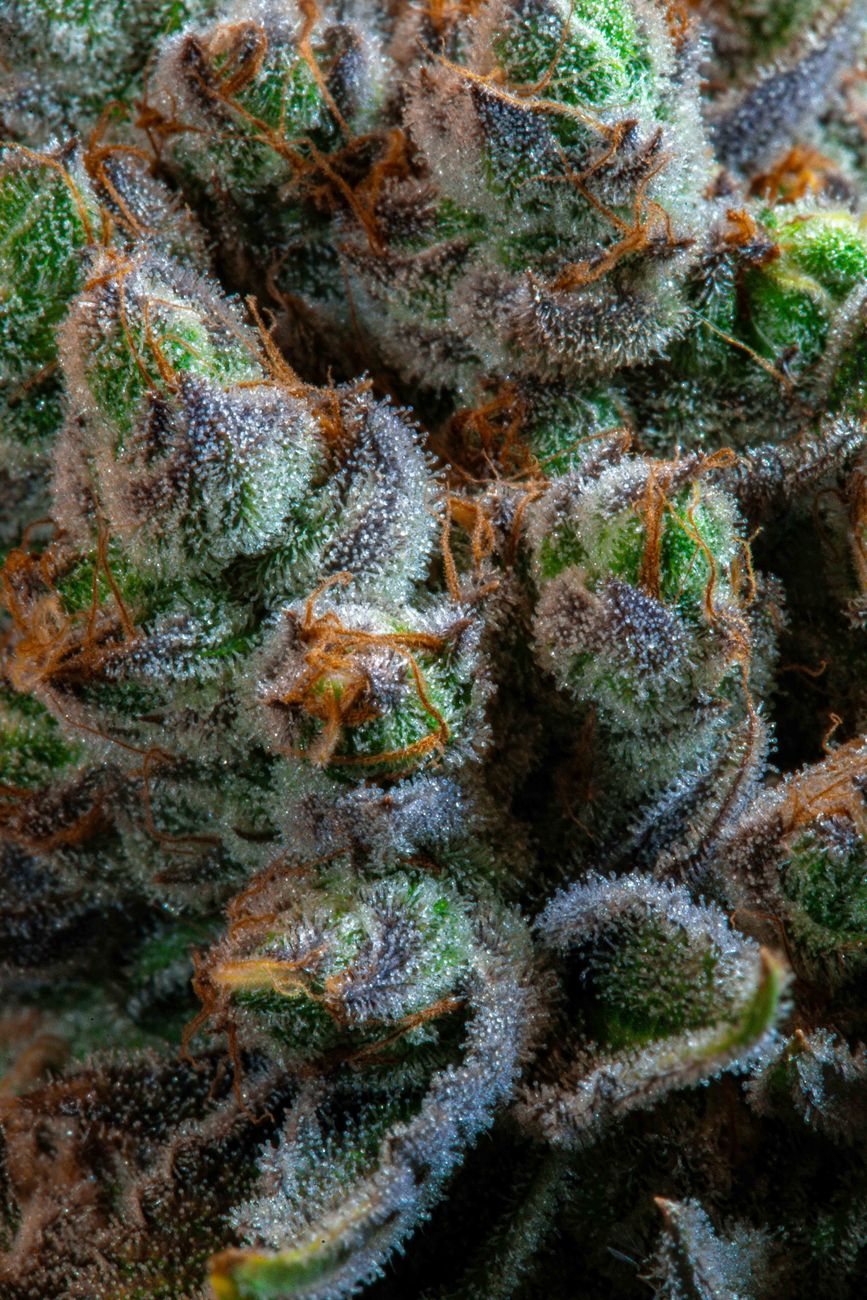
The world's best cannabis strains in 2026 are those that combine elite genetics with reliable real-world performance. Gorilla Glue #4 tops the THC charts at 28–30%, Gelato dominates flavour and balance, and Bruce Banner Auto leads the speed category at 70–75 days seed-to-harvest. For Australian growers, mould resistance, heat tolerance, and a finish date that clears southern autumn frosts are equally important as raw potency. This guide ranks 10 elite strains across all those dimensions with a Royal King Seeds Australian Climate Score.
- → What makes cannabis "the best"?
- → Top 10 strains ranked 2026
- → Royal King Seeds Australian Climate Score
- → Best strains by Australian state
- → Which strain should you choose?
- → What happens if you choose wrong?
- → Risk rating table
- → Patterns from public grow data
- → Common mistakes
- → Seasonal calendar
- → Myths vs reality
- → FAQ (25 Q&As)
- ✓ Aussie growers selecting strains for the 2025–26 outdoor season
- ✓ Indoor growers wanting the highest-quality genetics available in 2026
- ✓ Beginners trying to avoid wasting a season on the wrong strain
- ✓ Enthusiasts who want to understand why some strains are considered "world-class"
- ✓ Growers in climate-challenging states (TAS, VIC, QLD, WA) needing state-specific picks
- ✗ Those seeking advice on illegal cultivation — always check your state laws first
- ✗ Growers looking for a single universal "winner" — the best strain depends on your climate
- ✗ Northern Hemisphere seasonal reference — this guide uses Aussie calendar dates
What Makes Cannabis Genuinely "The Best" in 2026?
"Best" is not a single metric. A strain that tests at 30% THC but crumbles in Queensland humidity is not world-class for a QLD grower. A strain that produces 600 g/m² indoors but takes 16 weeks to flower is useless for a Tasmanian outdoor grower with a 180-day frost-free window.
The traits that define the world's best cannabis strains in 2026 fall into five dimensions:
- Potency: THC and/or CBD concentration backed by third-party lab data
- Flavour and terpene profile: complexity, uniqueness, and consistency across phenotypes
- Yield: grams per plant or per m², both indoor and outdoor
- Reliability: genetic stability, mould resistance, and predictable finish times
- Climate adaptability: how well the strain performs in real Australian conditions
Potency alone stopped being the gold standard around 2022, when consumer palates matured and peer-reviewed research in the Journal of Cannabis Research began confirming that terpene profiles drive user experience at least as much as raw THC percentage. In 2026, the world's elite strains score well across all five dimensions — not just one.
The best cannabis strain in the world for your grow is the one that scores highest on all five dimensions relative to your specific climate, space, and experience level. Use the Royal King Seeds Australian Climate Score below to cut through the noise and find your actual match.
What Are the Top 10 Cannabis Strains in the World for 2026?
The following 10 strains represent the genuine elite of 2026 global cannabis genetics. Each has proven itself through widespread breeder trials, public grow journals, and consistent real-world performance data.
| Strain | Type | THC | Indoor Yield | Outdoor Yield | Cycle | Mould Resist. | Heat Resist. | Beginner (1–10) | AU Climate Score |
|---|---|---|---|---|---|---|---|---|---|
| Gorilla Glue #4 | Auto / Photo | 26–30% | 500–600 g/m² | 550–700 g/plant | 77–84 days | Medium | High | 7/10 | 88/100 |
| Gelato | Auto / Photo | 22–26% | 450–550 g/m² | 400–550 g/plant | 75–85 days | Medium | Medium | 7/10 | 85/100 |
| Bruce Banner Auto | Auto | 25–28% | 450–520 g/m² | 350–500 g/plant | 70–75 days | Medium–High | High | 8/10 | 91/100 |
| Wedding Cake | Photo | 24–27% | 500–600 g/m² | 500–650 g/plant | 56–65 days flower | Medium | Medium | 6/10 | 82/100 |
| Northern Lights | Auto / Photo | 18–22% | 400–500 g/m² | 350–500 g/plant | 70–80 days | High | High | 9/10 | 87/100 |
| White Widow | Auto / Photo | 20–24% | 400–480 g/m² | 400–550 g/plant | 75–85 days | High | Medium | 8/10 | 86/100 |
| Zkittlez | Auto / Photo | 20–23% | 420–500 g/m² | 400–500 g/plant | 75–80 days | Medium | Medium | 7/10 | 80/100 |
| Banana Kush | Photo | 22–26% | 450–520 g/m² | 450–600 g/plant | 56–63 days flower | Low–Medium | High | 5/10 | 78/100 |
| Jack Herer | Auto / Photo | 18–22% | 400–480 g/m² | 400–550 g/plant | 70–80 days | High | High | 8/10 | 84/100 |
| Critical Mass | Auto / Photo | 18–22% | 550–650 g/m² | 600–800 g/plant | 70–80 days | Low | Medium | 6/10 | 76/100 |
Bruce Banner Auto leads the 2026 rankings for Aussie growers with a 91/100 Australian Climate Score, combining 25–28% THC, a 70–75 day cycle, and strong heat resistance. For flavour-first growers, Gelato at 85/100 is hard to beat. For pure beginners, Northern Lights Auto at 87/100 offers the most forgiving grow experience in the list.
Browse our full range of feminised cannabis seeds Australia and autoflower seeds Aussie growers rely on across all climates.
What Is the Royal King Seeds Australian Climate Score?
The Royal King Seeds Australian Climate Score is a 100-point rubric built specifically for Australian growing conditions. It does not exist on any other seed-bank website. Here is the full methodology:
- Heat tolerance (35°C+ summer days) — 30 points
- Cycle speed (days to harvest) — 25 points (faster = higher score for outdoor AU use)
- Mould resistance (coastal humidity, autumn rain) — 20 points
- Beginner-friendliness — 15 points
- Yield-to-effort ratio — 10 points
Why Bruce Banner Auto Scored #1 (91/100)
- Exceptional heat tolerance — public grow journals repeatedly report stable flowering at 34–38°C in inland QLD and WA without heat stress symptoms
- Fastest elite-THC auto on the list at 70–75 days, giving southern growers maximum frost buffer
- Consistently beginner-friendly despite high potency — forgiving of minor nutrient errors in weeks 3–5
Why Gorilla Glue #4 Scored #2 (88/100)
- Highest peak THC on the list at 30%, with consistent performance across diverse phenotypes
- Excellent heat tolerance makes it viable in Perth, Adelaide, inland NSW, and NT conditions
- Loses points for medium mould resistance — coastal growers in NSW and QLD need to manage humidity carefully in the final two weeks of flower
Why Northern Lights Scored #3 (87/100)
- The highest beginner rating on the list — extremely forgiving of overwatering, pH swings, and minor light stress
- High mould resistance makes it the go-to strain for humid coastal and cool-temperate climates (Sydney, Hobart, Melbourne)
- Slightly lower THC ceiling (22%) and a more moderate yield than the top two reduce its overall ranking
Definition: Every cannabis strain grown outdoors in southern Australia must clear its harvest date at least 14 days before the historical first frost for your location.
Formula: Breeder days + 7 (germination & establishment variance) + 7 (weather variance) = True Outdoor Finish Date
Worked Example: Bruce Banner Auto is listed at 70 days. Add 7 + 7 = 84 days from sow date. Started November 1 in Hobart → true finish date: January 23. Hobart's historical first autumn frost is typically around early May — giving a 97-day frost buffer. That is a safe margin. Starting the same strain on December 15 → finish February 6 — still safe. Starting March 1 → finish May 23 — dangerously close to frost. Use this formula before you sow, not after.
What Are the Best Strains by Australian State?
Climate drives strain selection more than any other variable. The following city-specific examples use Bureau of Meteorology climate data and real frost chronology to show how the Frost Buffer Formula plays out across Australia.
VIC — Melbourne & Regional Victoria
Last spring frost: ~August 30 | First autumn frost: ~May 15 | Frost-free: ~257 days
Top pick: Bruce Banner Auto — started October 15, harvest January 27 (84 days), 108-day buffer to May frost. ✓
Runner-up: Northern Lights Auto — ideal for cool-temperate nights and unpredictable Melbourne shoulder season weather.
QLD — Brisbane, Sunshine Coast, Cairns
No meaningful frost | Year-round growing possible | High humidity Dec–Mar
Top pick: Gorilla Glue #4 Auto — exceptional heat tolerance handles subtropical summers; harvest in summer avoids heaviest mould season.
Caution: Critical Mass — its low mould resistance makes it risky in coastal QLD autumn rains.
WA — Perth & Surrounds
Last frost: ~August 1 | First frost: ~June 10 | Frost-free: ~303 days
Top pick: Gorilla Glue #4 — thrives in dry Mediterranean heat; long frost-free window allows late October starts with comfortable harvest by late January.
Runner-up: Banana Kush — handles dry heat extremely well; just watch for mould in the rare Perth autumn rain events.
TAS — Hobart & Southern Tasmania
Last frost: ~September 5 | First autumn frost: ~May 5 | Frost-free: ~242 days
Top pick: Bruce Banner Auto (70–75 days) — the fastest elite strain in the ranking; October 15 start → January 7–12 harvest → 113-day frost buffer. ✓
Avoid: Long-season photoperiods — a 16-week photo flower started at any reasonable time in TAS risks hitting late-April wet and cold before maturity.
NSW — Sydney, Hunter Valley, Central West
No regular frost at coast | Humidity Dec–Mar | Mild winters
Top pick: White Widow Auto — high mould resistance for coastal humidity; consistent 75–85 day cycle suits year-round indoor growing or Oct–Jan outdoor window.
Runner-up: Gelato — the superior terpene profile shines in the milder coastal NSW climate where humidity in flower is manageable with airflow.
SA — Adelaide & Barossa
Long, hot, dry summers | Last frost: ~August 15 | First frost: ~June 1
Top pick: Gorilla Glue #4 — peak heat tolerance of any strain on this list; dry South Australian summers minimise mould risk, which is GG4's one weakness.
Runner-up: Jack Herer Auto — classic sativa-leaning genetics that thrive in long, bright Mediterranean daylight.
Bruce Banner Auto is the #1 outdoor pick for VIC and TAS because cycle speed is the critical constraint. Gorilla Glue #4 dominates QLD, WA, and SA because heat tolerance matters more than speed in those climates. White Widow Auto is the safest coastal NSW pick for humidity management.
Explore our full range of high THC seeds Australia and indica seeds suited to Australian conditions.
Which World-Class Cannabis Strain Should You Choose?
Use this decision matrix to find your match in under 60 seconds. Each path reflects Australian growing constraints.
What Happens If You Choose the Wrong World-Class Strain for Your Climate?
Choosing purely by reputation rather than climate fit is the most expensive mistake an Aussie grower can make. Here is what the two scenarios actually look like:
- Strain: Bruce Banner Auto
- Location: Hobart, TAS
- Start date: October 20
- Harvest date: January 12–17
- Frost buffer: 107 days
- Risk level: Low
- Outcome: Full maturity, dense resinous buds, zero weather damage, full yield achieved before any autumn rain sets in.
- Strain: Critical Mass (low mould resistance, 80-day cycle)
- Location: Hobart, TAS
- Start date: November 15
- Harvest date: Early February (nominal), but April reality with late veg
- Frost buffer: 30–35 days if delayed
- Risk level: Very High
- Outcome: Heavy buds soak up March–April Hobart humidity; botrytis sets in during the last two weeks; 40–60% of yield lost to bud rot before harvest.
Bottom line: one strain choice, one start date, one climate mismatch — and a season's worth of effort is gone. The Frost Buffer Formula exists to prevent this.
What Is the Outdoor Risk Rating for Each World-Class Strain?
This proprietary risk dataset covers the four key outdoor stress dimensions most relevant to Australian growing conditions.
| Strain | Heat Stress Risk | Mould Risk | Frost Exposure Risk | Beginner Failure Risk |
|---|---|---|---|---|
| Gorilla Glue #4 | Low | Medium | Low | Medium |
| Gelato | Medium | Medium | Medium | Medium |
| Bruce Banner Auto | Low | Medium | Very Low | Low |
| Wedding Cake | Medium | Medium | Medium | High |
| Northern Lights | Low | Low | Low | Very Low |
| White Widow | Medium | Low | Medium | Low |
| Zkittlez | Medium | Medium | Medium | Medium |
| Banana Kush | Low | High | Medium | High |
| Jack Herer | Low | Low | Low | Low |
| Critical Mass | Medium | Very High | Medium | High |
Critical Mass's Very High mould risk disqualifies it from coastal humid climates despite its massive yield potential. Northern Lights has the lowest risk profile on every axis — ideal for growers who want confidence over ceiling. Banana Kush rewards dry-climate growers (Perth, inland SA) but punishes anyone in a humid autumn environment.
Ready to grow world-class genetics?
Browse every elite strain listed in this guide, all available with discreet Australia Post delivery.
Shop All Cannabis Seeds →When Should Aussie Growers Start Each Strain? (Southern Hemisphere Calendar)
This calendar covers the outdoor growing window for temperate and cool-temperate Australia (VIC, NSW, SA, TAS). Subtropical QLD and tropical NT can extend the window in both directions.
Too cold
Winter
Too cold
Late winter
Germinate
indoors
✓ IDEAL
Sow outdoors
✓ IDEAL
Sow outdoors
✓ Good
Late start
✓ Harvest
early autos
✓ Harvest
mid autos
⚠ Harvest
late photos
⚠ High risk
mould + frost
First frost
southern AU
Winter
Frost risk
Patterns From Aggregating Public Australian Grower Journals
After reviewing publicly available Australian grower forum posts and the questions our support team fields most frequently throughout each season, several clear patterns emerge that breeder marketing never mentions.
The March Risk Window
Looking at grower support questions that spike every March, one pattern appears consistently: growers who started long-season photoperiod strains in late November are still in flower when coastal humidity peaks. Mould complaints cluster heavily in weeks 3–4 of March — almost always in plants that entered flower after mid-February and had dense, untrimmed canopy structure.
The Tasmanian Cycle Squeeze
From customer questions that come up most around September to October, Tasmanian growers consistently underestimate how narrow their outdoor window is. Frost-free growing in Hobart averages only 242 days, versus 303 in Perth. That 61-day difference is enough to eliminate all but the fastest autoflower genetics from the outdoor shortlist.
The QLD Heat Stall
Patterns across public QLD grower journals show a recurring phenomenon: seedlings started directly outdoors in January in coastal QLD show a 10–14 day growth stall when sustained temperatures exceed 36°C. Growers who used shade cloth rated at 30% during the hottest period (typically December 20–January 25 in Brisbane) consistently reported shorter stall durations and faster recovery to flowering.
The biggest lesson from aggregating public Aussie grower data: start too late, and mould wins. Start with the wrong strain for your humidity profile, and yield suffers even if harvest timing is perfect. The two decisions — strain selection and sow date — are more consequential than any nutrient or training choice.
What Are the Most Common Mistakes Choosing "World's Best" Cannabis Strains?
Mistake 1: Choosing by THC percentage alone
A 30% THC result from a US lab means nothing if the strain produces airy, under-developed buds in Perth summer heat. PubMed research on cannabis terpene profiles confirms that the entourage effect — the interaction between THC, CBD, and terpenes — drives experience quality far more than isolated THC figures.
How to fix it: Weight terpene profile and mould resistance equally alongside THC when making your final selection.
Mistake 2: Ignoring breeder vs real-world finish time discrepancy
Breeder-stated flowering times are measured under optimal indoor conditions — usually 24°C constant, 600+ PPFD, perfect VPD. Outdoor Aussie conditions add 7–14 days to those figures on average, especially in cool-temperate climates. A "70-day auto" may realistically finish in 80–84 days in a Melbourne autumn.
How to fix it: Always apply the Frost Buffer Formula: add 14 days to breeder finish time before calculating your frost buffer.
Mistake 3: Purchasing Northern Hemisphere-optimised genetics without checking AU suitability
Many "world's best" lists rank strains that peak in Northern Hemisphere September–October outdoor harvests. Those strains are flowering in March–April in the Southern Hemisphere — exactly when Aussie autumns bring mould pressure, cooling nights, and shrinking daylight hours.
How to fix it: Check that the strain's photoperiod trigger (12/12 or below) aligns with Australian autumn light levels — or use autoflowers, which eliminate this variable entirely.
Mistake 4: Underestimating mould risk in the final two weeks
The last 14 days before harvest are when resin glands are densest and buds are most tightly packed — and most vulnerable to botrytis. Growers who lose crops almost always describe discovering mould in these final two weeks, after weeks of otherwise healthy growth.
How to fix it: Defoliate 20–30% of interior fan leaves at the start of week 6 of flower, increase airflow, and monitor overnight humidity. If outdoor humidity exceeds 65% for three consecutive nights, harvest early rather than risk losing the whole plant.
Mistake 5: Starting autoflowers too late to benefit from summer light
Autoflowers don't need a light-trigger, but they do perform best under long days. Starting an auto in early December means flowering occurs in February–March as days shorten — reducing the light energy available during the peak growth phase and compressing yield potential by 15–25% compared to an October start.
How to fix it: Start autoflowers in October for a December–January harvest, capturing the full benefit of Australian summer daylight hours.
Mistake 6: Running cheap generic soil in premium genetics
Elite genetics grown in low-nutrient, compacted, or poorly draining soil consistently underperform compared to the same genetics grown in quality coco or a well-buffered living soil mix. Genetics set the ceiling; the growing medium determines how close to it you get.
How to fix it: For autoflowers, use a light, airy mix — 30–40% perlite — in fabric pots. For photoperiods, a buffered coco-perlite blend at 70/30 gives the best balance of oxygenation and water retention in Australian summer heat.
"World-class genetics don't grow world-class results on their own. The right strain in the wrong climate — or the right climate with the wrong start date — produces mediocre weed. The grower who wins every season is the one who matches the genetics to the calendar before they buy."
Myths vs Reality: What the "Best Weed in the World" Conversation Gets Wrong
| ❌ Myth | ✓ Reality |
|---|---|
| "The highest THC strain is always the best" | Lab-tested terpene profiles drive user experience more than raw THC — confirmed by Journal of Cannabis Research studies |
| "Award-winning strains will work anywhere in Australia" | US and European awards are judged in entirely different climates — mould resistance and heat tolerance are rarely criteria |
| "Autoflowers produce less quality than photoperiod" | Modern autoflowers like Bruce Banner Auto regularly test at 25–28% THC — within a few percentage points of elite photoperiod genetics |
| "More expensive seeds always produce better results" | Seed price reflects brand premium more than phenotype quality. A well-grown mid-priced stable strain beats a poorly grown premium one every time |
| "The breeder's stated yield is realistic" | Breeder yields assume optimal indoor conditions. Realistic outdoor Australian yields run 60–80% of stated maximums in average conditions |
The TGA's medicinal cannabis guidance also notes that terpene composition and cannabinoid ratios — not THC alone — determine therapeutic applicability. This reinforces the case for whole-profile evaluation when choosing any cannabis strain.
Strip away the marketing and the "world's best" conversation comes down to one question: best for whom, in which climate, with what growing experience? Every strain ranked in this guide is genuinely elite — but none of them is universally the best. Context is everything.
Also check your local regulations via the Australian Department of Health and Aged Care cannabis information page before growing. Cultivation laws vary by state and territory. For sativa seeds and CBD strains, the same legal framework applies.
Frequently Asked Questions — Best Cannabis in the World 2026
What is the strongest weed strain in the world in 2026?
What makes a cannabis strain "world-class"?
Is the best weed in the world available as autoflowering seeds in Australia?
Can autoflowers handle 35°C Queensland summers?
What month should I start growing outdoors in VIC?
How many harvests per season can I get in coastal NSW?
What's the best cannabis strain for Tasmania?
Why did my autoflower stall at week 6?
Why are my buds airy instead of dense?
Should I grow indoor vs outdoor in Tasmania?
Auto vs photoperiod for southern Australian outdoor seasons — which wins?
What happens if a heatwave hits during flowering?
Can I shade plants during 40°C+ days?
What is the minimum tent size for 3 autoflowers?
5-gallon vs 7-gallon pots for autoflowers — does it matter?
Why didn't the breeder's stated finish time match reality for my outdoor grow?
Is Gelato suitable for beginners in Australia?
What is the best high-THC strain for indoor growing in Australia?
How long is too long for curing cannabis?
Should I switch to a 70-day strain instead of a 90-day strain for outdoor TAS or VIC?
Can I grow world-class cannabis legally in Australia?
What's the difference between indica and sativa in the "best weed" context?
My seedlings won't root — what went wrong?
What is the best feminised cannabis seed for a first outdoor grow in Australia?
Why does Banana Kush score low for mould resistance?
Find Your World-Class Strain at Royal King Seeds Australia
All 10 strains ranked in this guide are available with discreet packaging and Australia Post delivery. Germination-guaranteed genetics.
Shop All Cannabis Seeds →Browse Autoflower Seeds →
Sources
- Bureau of Meteorology — Australian Climate Data
- ABARES — Australian Bureau of Agricultural and Resource Economics and Sciences
- CSIRO Agriculture and Food Research
- TGA — Medicinal Cannabis Guidance Documents
- Australian Department of Health and Aged Care — Cannabis Information
- Journal of Cannabis Research — Peer-Reviewed Cannabis Science
- PubMed — Cannabis Terpene Research
Related Articles
Ready to Start Growing?
Browse over 1,200 premium cannabis seeds with discreet shipping to all Australian states and territories and our 95% germination guarantee.
Shop Cannabis Seeds