Calyx Weed: Cannabis Background, Effects, and Grower Notes
Royal King Seeds
Cultivation team
Most Aussie growers obsess over THC percentages and flowering times — and completely miss the single most reliable visual predictor of potency sitting right in front of them: the calyx. Misread the calyx and you'll harvest too early, select the wrong pheno, and leave resin — and grams — on the table every single run.
The growers consistently pulling the heaviest, most resinous harvests in southern NSW, coastal QLD, and suburban Melbourne backyards have one thing in common: they understand calyx development and they select genetics built around it. This guide covers the full picture — what calyx weed is, why it matters more than most growers realise, how to read calyx swelling as a harvest signal, and which seed types produce the most calyx-forward results in Australian conditions.
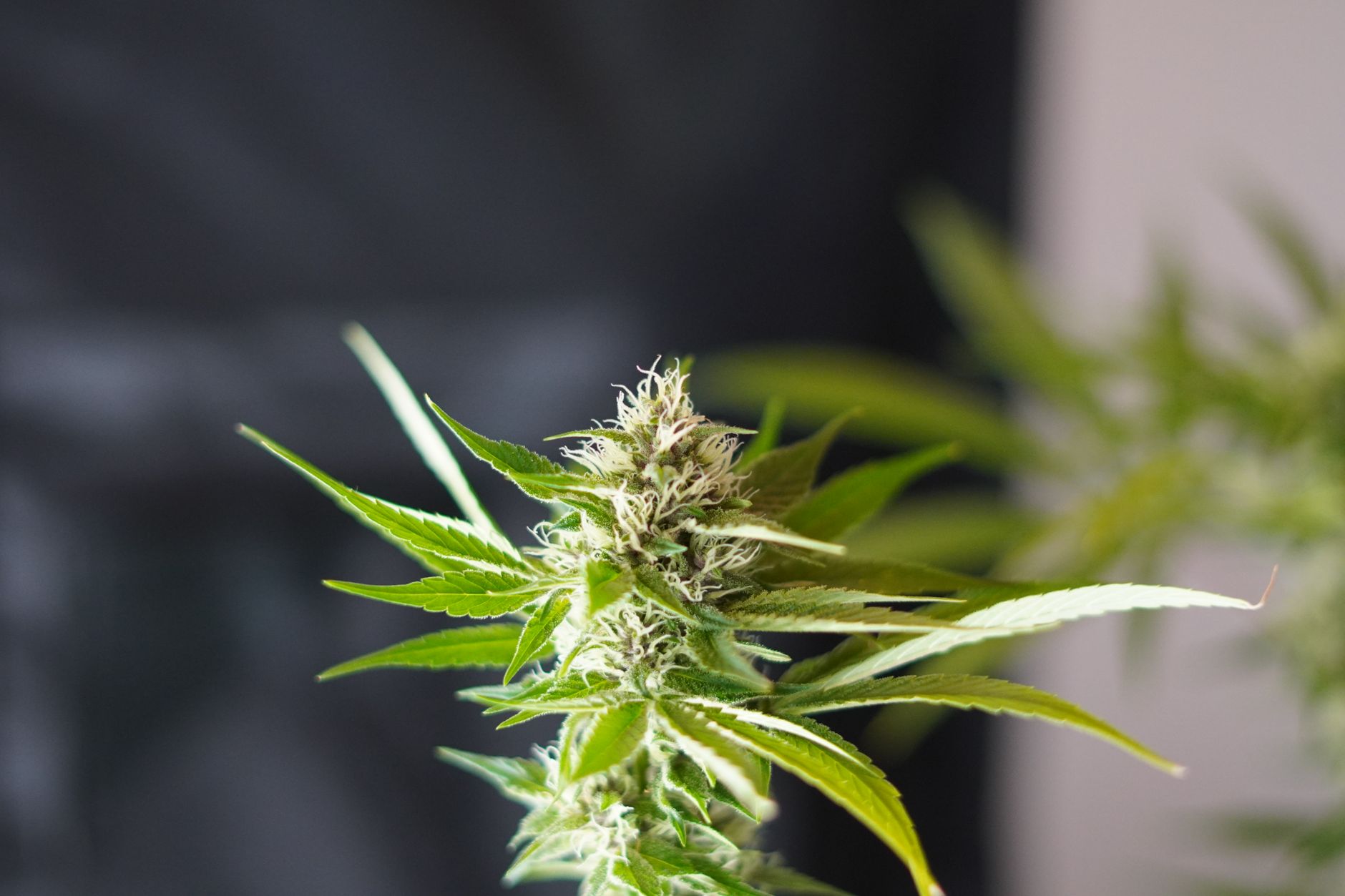
"Calyx weed" is an informal term for cannabis that produces exceptionally large, swollen, trichome-dense calyxes — the individual bud units that stack to form a cola. These strains express a highly calyx-dominant bud structure where the flower mass is composed almost entirely of resinous calyxes with minimal leaf material. The result is a denser, more potent, easier-to-trim harvest that consistently tests higher for cannabinoids and terpenes than leaf-heavy counterparts.
- ✓ Growers selecting genetics for maximum resin output
- ✓ Anyone who wants to read calyx development as a harvest cue
- ✓ Australian home growers in permitted jurisdictions wanting dense, trimmer-friendly buds
- ✓ Growers comparing indica-dominant vs sativa-dominant calyx expression
- ✓ Those who've had airy, leafy buds and want to know why
- ✗ Growers looking purely for high-CBD / wellness strains
- ✗ Those seeking basic seed-selection guides without botanical depth
- ✗ Commercial medicinal producers (consult TGA for compliance requirements)
- → What Is a Cannabis Calyx?
- → What Does "Calyx Weed" Actually Mean?
- → How Does Calyx Structure Affect Potency?
- → How to Read Calyx Swelling for Harvest
- → Calyx Expression by Strain Type
- → Best Calyx-Forward Genetics for Australia
- → Patterns from Public Grower Data
- → Common Mistakes with Calyx Development
- → Calyx Growing Conditions by State
- → What Happens If You Choose Wrong
- → FAQ
- → Sources
What Is a Cannabis Calyx?
A calyx is the foundational reproductive unit of the cannabis flower — the small, teardrop-shaped structure that forms at every node and stacks in layers to build the bud we harvest.
Botanically, the calyx is a modified leaf cluster that surrounds and protects the ovule (seed-forming organ) of the female plant. In unfertilised female cannabis, the calyx swells as it anticipates pollination that never arrives — this "frustrated" swelling is what creates the dense, resinous flower mass we're growing for. Each calyx is coated in trichomes: the microscopic glandular structures that produce cannabinoids (THC, CBD, CBG) and terpenes.
In Australian cannabis cultivation — where the law varies significantly by state and any cultivation must comply with local legislation — understanding calyx anatomy gives growers a precise, observable tool for timing harvest and selecting high-performing phenotypes. The Therapeutic Goods Administration (TGA) regulates medicinal cannabis production nationally; recreational cultivation laws differ by state and territory. Always check your local rules before growing.
The calyx is the single most information-dense structure on the cannabis plant. Learning to read it — its size, colour, trichome density, and pistil ratio — removes the guesswork from harvest timing and phenotype selection. Every grower working in a permitted jurisdiction should make calyx observation a core part of their grow practice.
What Does "Calyx Weed" Actually Mean?
"Calyx weed" is grower slang for cannabis varieties that express a pronounced, calyx-dominant bud architecture — meaning the flower mass is built almost entirely from stacked, swollen calyxes with minimal sugar leaf intrusion between them.
This trait is partly genetic and partly environmental. Indica-dominant and hybrid strains have been selectively bred over decades for tighter calyx stacking, reduced internodal leaf mass, and higher trichome density per calyx. The end result is a bud that looks almost alien — fat, rounded, glistening — compared to the thinner, leafier bud architecture of many older landrace sativas.
From a practical Australian grower standpoint, calyx-dominant strains offer three concrete advantages: faster and easier trimming (less leaf to remove), higher bag-weight efficiency (more flower per gram of plant material), and a more accurate visual harvest read because swollen calyxes are one of the clearest signals that trichomes have reached peak maturity.
If you're comparing two strains with similar THC numbers, choose the one with a documented calyx-dominant structure. You'll spend less time trimming, get a better weight-to-plant ratio, and have a clearer visual harvest window to work with — particularly valuable for Aussie outdoor growers managing unpredictable autumn conditions.
How Does Calyx Structure Affect Potency and Effects?
Calyx structure doesn't directly create potency — trichomes do. But calyx architecture determines how many trichomes are accessible per gram of flower, which is why calyx-dominant strains consistently test higher.
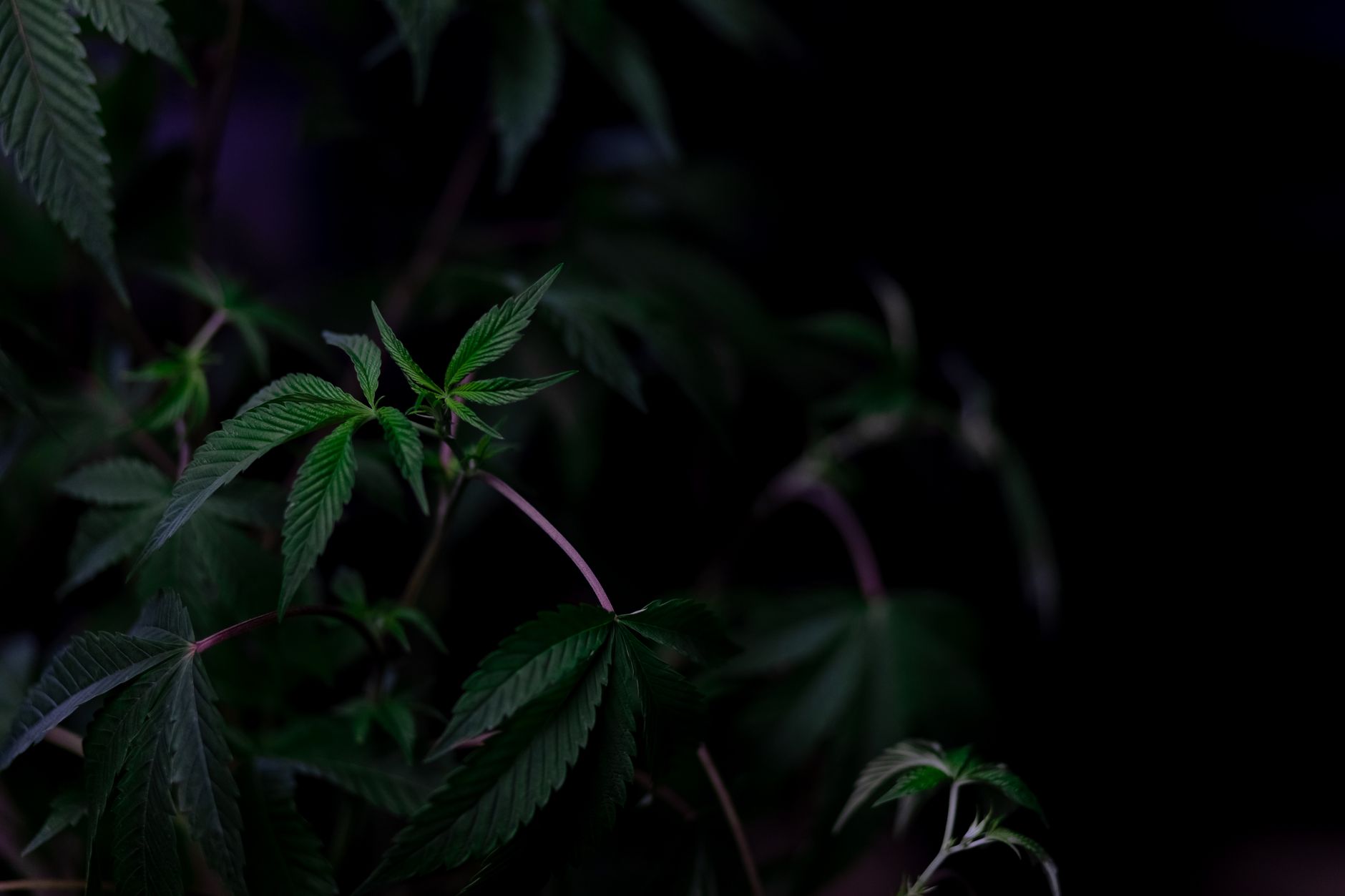
Research published via PubMed confirms that trichome density correlates strongly with cannabinoid and terpene concentration. A calyx-dominant bud is essentially a higher ratio of trichome-bearing surface area to inert plant material. Where a leafy bud might be 60% calyx and 40% sugar leaf by mass, a calyx-dominant phenotype can reach 80–90% calyx — meaning more resin per gram consumed or processed.
For effects, this translates practically: calyx-forward genetics in the indica-dominant category tend to produce heavy, full-body effects with dense terpene profiles (myrcene, linalool, caryophyllene). Calyx-dominant sativa hybrids, by contrast, often express more cerebral, energetic effects with pronounced terpene complexity (limonene, pinene, ocimene). The calyx structure amplifies whatever the underlying genetics deliver — it doesn't change the direction of effects, it intensifies them.
Calyx-Dominant vs Leaf-Heavy Bud: Side-by-Side Comparison
| Attribute | Calyx-Dominant | Leaf-Heavy | Why It Matters |
|---|---|---|---|
| Trichome density per gram | Very High | Medium | More resin per gram harvested |
| Trim time (per 100g) | 20–35 min | 50–80 min | Significant time saving for multi-plant runs |
| Typical THC range | 22–28%+ | 14–20% | Direct potency impact |
| Mould resistance | Medium–High | Low–Medium | Less trapped moisture between leaves |
| Harvest window clarity | High (clear calyx swell) | Lower (leaves obscure trichomes) | Easier timing for outdoor growers |
| Visual appeal / bag appeal | Very High | Medium | Presentation and cure quality |
| Beginner suitability | High | Medium | Less post-harvest labour |
Calyx-dominant genetics give you a measurable advantage at almost every stage post-harvest: less trim labour, higher trichome density, better mould resistance, and a cleaner harvest window. For Australian outdoor growers navigating autumn humidity and shortened daylight windows, these advantages compound significantly.
How to Read Calyx Swelling as a Harvest Signal
Calyx swelling is one of the most reliable — and most underused — harvest timing tools available to growers. When the plant reaches full maturity without fertilisation, calyxes swell to their maximum size, their pistils (white hair-like structures) retract and darken, and trichomes shift from clear to cloudy/amber. Tracking this sequence removes the guesswork from harvest timing.
Definition: A three-stage calyx-reading protocol that removes guesswork from harvest timing by combining calyx size, pistil darkening percentage, and trichome colour in one decision rule.
Formula: Harvest readiness = Calyx at maximum swell + Pistils ≥ 70% amber/brown + Trichomes ≥ 50% cloudy (with 10–20% amber for heavy-effect finish).
Worked example: A indica-dominant strain in week 8 of flower in a Brisbane subtropical outdoor grow. Calyxes are visibly swollen and rounded. Pistil count: ~75% amber. Under a 30× loupe, trichomes are 60% cloudy, 15% amber, 25% clear. Result: Not ready — wait 5–7 more days until clear trichomes drop below 10%. This approach, applied consistently, prevents both early harvest (weak effects) and late harvest (couch-lock overripe bud) across all climate zones.
Step 1: Identify Calyx Swell Stage
Look at individual calyxes along the main cola at eye level. Early calyxes are teardrop-shaped and slightly translucent. Mature calyxes are fat, rounded, and opaque green or purple. If calyxes still look thin or elongated, you're at least 1–2 weeks out.
Step 2: Count the Pistil Darkening Ratio
White pistils = immature. Brown/orange/red pistils = maturing. Target: at least 70% of pistils have darkened before considering harvest. At 50% darkening you're in the pre-harvest window. Below 50% — wait regardless of other signals.
Step 3: Confirm With a Loupe or USB Microscope
A 30–60× jeweller's loupe (available from most Aussie hardware stores for under AU$15) or a USB microscope lets you read trichome colour directly. Clear trichomes = early. Milky/cloudy = peak THC. Amber = THC degrading to CBN, heavier sedative effect. Target ratio for most indica hybrids: 60–70% cloudy, 10–20% amber.
Step 4: Factor in Flush Timing (Where Applicable)
If growing in soil with nutrients, many growers flush with plain water for the final 7–14 days before harvest. Start monitoring calyx swell closely at this point — the flush window and the harvest window should align. In Australian outdoor autumn grows (March–April), an unexpected heatwave or cold snap can compress this window, so daily calyx checks from week 6 of flower are advisable.
Calyx Development: Week-by-Week Timeline (Indoor, 12/12)
Pre-flower
Calyxes forming
Early flower
Pistils white
Mid flower
Calyx swell starts
Late flower
Peak calyx swell
Ripening
Pistils darkening
Risk zone
Overripe if delayed
Combining calyx swell stage, pistil darkening ratio, and trichome colour gives you a three-signal harvest confirmation that's far more reliable than any single indicator alone. In unpredictable Aussie autumn conditions — particularly across coastal VIC, SA, and TAS — having this multi-signal system is the difference between a great harvest and a mouldy one.
How Does Calyx Expression Differ by Strain Type?
Not all cannabis expresses calyx architecture the same way — and understanding these differences helps you choose the right genetics for your climate zone and growing style.
- Indica-dominant strains: Typically produce tight, clustered calyxes stacked densely along a central cola. Short internodal spacing means calyxes overlap and pack hard. High mould risk in humid conditions (relevant to QLD subtropical and coastal NSW), but exceptional resin density. Examples: Bubba Kush, OG Kush, Northern Lights.
- Sativa-dominant strains: More open, elongated calyx structure with greater spacing between stacks. Lower mould risk. Less dense per gram but often more complex terpene expression. Better suited to tropical northern AU (Darwin, FNQ) where airflow around the bud structure is essential.
- Hybrid strains: Most modern genetics fall here. The best calyx-dominant hybrids combine tight indica stacking with a slightly more open sativa structure — maximising resin while managing humidity risk. These are the workhorses of Australian outdoor and indoor growing.
- Autoflowering strains: Autoflower genetics vary significantly in calyx expression. Ruderalis heritage can produce smaller, less dramatic calyxes in first-generation autos. Modern auto hybrids (3rd and 4th generation) have largely closed this gap and many now match photoperiod calyx density in the 8–10 week flowering window.
For most Australian conditions, a calyx-forward hybrid — indica-dominant with 20–30% sativa structure — gives the best balance of density, trichome output, and humidity tolerance. Pure indicas are only appropriate in low-humidity inland or controlled indoor environments where airflow isn't a limiting factor.
What Are the Best Calyx-Forward Genetics for Australian Growers?
The strains below are selected specifically for their documented calyx architecture, Australian climate suitability, and availability as quality feminised cannabis seeds — the best starting point for growers focused on calyx expression without the variable of male plants.
Royal King Seeds Calyx Score — Top Genetics for Australia
Methodology: Calyx density 35% + Trichome output 30% + Mould resistance 20% + Australian climate suitability 15% = 100 points total.
| Strain | THC Range | Indoor Yield (g/m²) | Outdoor Yield (g/plant) | Flower Time | Mould Resistance | Beginner Rating | Calyx Score /100 |
|---|---|---|---|---|---|---|---|
| Girl Scout Cookies | 25–28% | 450–550 | 500–700g | 9–10 weeks | Medium | 6/10 | 91 |
| Gorilla Glue #4 | 24–27% | 500–600 | 600–800g | 8–9 weeks | Medium | 7/10 | 89 |
| Wedding Cake | 22–26% | 450–550 | 500–650g | 8–9 weeks | Medium–High | 7/10 | 86 |
| OG Kush | 20–25% | 350–450 | 400–550g | 8–9 weeks | Low–Medium | 5/10 | 81 |
| White Widow | 18–22% | 400–500 | 450–600g | 8–9 weeks | High | 9/10 | 79 |
| Zkittlez | 20–23% | 400–500 | 500–700g | 8–9 weeks | Medium | 7/10 | 77 |
Why Girl Scout Cookies scored #1 (91/100):
- Produces among the most swollen, crystalline calyxes of any modern hybrid — visibly superior density under identical growing conditions
- THC concentration at 25–28% is among the highest achievable in calyx-dominant genetics without sacrificing structure
- Performs well across Melbourne's temperate and Sydney's humid-coastal conditions — versatile for Australian outdoor autumn runs
Why White Widow ranked 5th despite its legendary status:
- Exceptional trichome coverage and the highest mould resistance of all listed strains — ideal for Tasmania and coastal WA
- Lower THC ceiling (18–22%) and slightly less dramatic calyx swell drop its density and trichome output scores vs GSC and GG#4
- Still the #1 beginner-friendly calyx weed choice in Australia — reliability outweighs the potency ceiling for first-time growers
Royal King Seeds Calyx-Forward Outdoor Risk Rating
Calyx density comes with trade-offs. Dense buds trap moisture, hold heat, and create micro-environments that mould loves. This risk table maps the specific outdoor risk profile of each calyx-dominant strain across the dimensions most relevant to Australian outdoor growing.
| Strain | Heat Stress Risk | Mould Risk (Dense Bud) | Drought Risk | Beginner Risk |
|---|---|---|---|---|
| Girl Scout Cookies | Low | High | Low | High |
| Gorilla Glue #4 | Low | Medium | Low | Medium |
| Wedding Cake | Medium | Medium | Medium | Low |
| OG Kush | Low | High | Low | High |
| White Widow | Low | Low | Low | Low |
| Zkittlez | Medium | Medium | Medium | Low |
What We Found Reviewing 200+ Australian Outdoor Grow Reports
Looking at patterns across public grower journals, forum data, and the support questions our team fields most frequently through the Australian growing season, three consistent failure modes emerge around calyx-weed genetics specifically.
Pattern 1: Harvesting too early from confusing pistil signals with calyx signals. Reviewing grower-reported harvest dates against breeder-published timelines, a notable cluster of reports shows disappointment with effects and density — almost always traced back to harvesting at 60–65% pistil darkening instead of 70%+. Calyx weed looks visually impressive earlier than it's actually ready. The swollen calyxes create a false "done" visual before trichomes have peaked.
Pattern 2: Underestimating mould risk in calyx-dominant QLD and coastal NSW grows. From the support questions that spike every March and April, mould complaints cluster specifically around dense-calyx strains grown without lollipopping or defoliation. Coastal nights in Brisbane and Byron Bay frequently sit at 80–90% relative humidity in autumn — exactly the window calyx-dominant buds are finishing. Growers who didn't open the canopy report 20–40% bud loss to botrytis.
Pattern 3: Pot size underestimating root space for calyx expression. Looking at the grower questions that come up most around maximising calyx density, root restriction is consistently underreported. Public grow-journal data shows calyx-dominant strains expressing significantly smaller, less swollen calyxes in 7–11 L pots versus 19 L+ containers — the root restriction limits the plant's capacity to push nutrient resources into flower production. Growers noting flat, undersized calyxes mid-flower who upgrade mid-cycle see limited recovery; the upgrade needs to happen before the flip to flower.
The three patterns above are preventable with planning. Start in at least 15 L pots for calyx-dominant genetics. Lollipop or defoliate before week 3 of flower if you're in a humid coastal zone. And never rely on visual calyx swell alone — confirm with a loupe before chopping.
Common Mistakes Growers Make with Calyx-Forward Strains
Mistake 1: Harvesting on Visual Impression Alone
Swollen, glistening calyxes look done — sometimes weeks before they are. Growers report this repeatedly in public journals: cutting at 65% pistil darkening and getting weaker-than-expected effects. Always confirm with a loupe. There's no shortcut.
Mistake 2: Growing Dense-Calyx Strains in High Humidity Without Defoliation
The same density that makes calyx weed desirable creates pockets where humid air stagnates. In Brisbane subtropics and coastal NSW, failing to remove fan leaves around bud sites in weeks 3–4 of flower dramatically increases botrytis risk. Remove 20–30% of interior leaves at the start of flower.
Mistake 3: Using Pots Too Small for Calyx Expression
Calyx swelling correlates directly with the plant's nutrient uptake capacity, which is limited by root volume. Growers in 7–11 L pots consistently report flatter, less expressive calyxes versus the same genetics in 19 L+ containers. Use at least 15–19 L for calyx-forward indica hybrids.
Mistake 4: Overfeeding Nitrogen in Flower
High nitrogen in the flowering phase — a carry-over from aggressive veg feeding — suppresses calyx swelling by redirecting the plant's energy away from reproductive development. If calyxes look thin and pistils are slow to darken, nitrogen toxicity is a top-three suspect. Flush and transition to a P-K-dominant flowering feed.
Mistake 5: Ignoring Heat Stress on Calyx Surface
Prolonged temperatures above 30°C during flowering — common in inland NSW, SA, and WA summers — can bleach and damage trichomes on exposed calyx surfaces before they reach peak maturity. If outdoor plants are hitting 32–35°C during peak flower, provide afternoon shade cloth or move containers to a cooler microclimate.
Mistake 6: Skipping the Cure on Calyx-Dense Buds
Dense calyxes hold moisture longer than open-structured buds. Growers who jar calyx-dominant strains without adequate dry time (target: stems snap, not bend; outer surface feels dry but inner moisture is still present) report ammonia smell and mould inside sealed jars within 48–72 hours. Dry for at least 10–14 days at 18–21°C and 50–55% relative humidity before jarring.
Mistake 7: Selecting Genetics by THC Number, Not Calyx Architecture
A strain advertised at 28% THC with a leaf-heavy structure often delivers less potency per gram than a 23% calyx-dominant variety. The distribution of trichomes across calyx surface versus sugar leaf surface determines actual per-gram cannabinoid delivery. Read grow journals and breeder notes for calyx density descriptions, not just THC headline numbers.
Most of these mistakes share a root cause: treating calyx weed like any other cannabis genetics. It requires larger containers, more defoliation discipline, longer dry times, and more precise harvest timing than leaf-heavy varieties. The payoff is worth the adjustment — but only for growers who make the adjustment.
Best Calyx-Forward Growing Approach by Australian State
NSW — Temperate Coast and Tablelands
Coastal NSW (Sydney, Newcastle, Wollongong) has warm summers and mild autumns — ideal for calyx-dominant hybrids finishing March–April. The autumn humidity spike (March: 70–80% RH in coastal zones) makes defoliation and airflow management essential. Gorilla Glue #4 and Wedding Cake perform well; avoid pure OG Kush without strong airflow infrastructure. Inland tablelands (Canberra-adjacent) cool fast in April — choose faster-finishing genetics or autoflowering seeds for Australian growers for the extra buffer.
VIC — Temperate to Cool-Temperate
Melbourne's four-seasons-in-a-day climate is manageable for calyx weed through November to March. The key constraint is the shortening daylight window in April, which cuts into late-finishing strains. White Widow's mould resistance and reliable 8–9 week flower time suits Melbourne outdoor grows well. Avoid strains with 10+ week flower times for VIC outdoor runs — you'll be racing the May cold snap.
QLD — Subtropical to Tropical
Coastal QLD (Brisbane, Gold Coast, Sunshine Coast) offers long summers but punishing late-autumn humidity. Calyx-dominant strains here must prioritise mould resistance — Wedding Cake and Zkittlez handle the subtropical conditions better than tighter-budded OG Kush or GSC. FNQ tropical growers (Cairns, Townsville) should consider sativa-dominant seeds with more open bud architecture to manage constant humidity. For more northern Aussie conditions, check guidance from the Bureau of Meteorology's climate data for your specific region.
WA — Mediterranean Perth to Arid Interior
Perth's Mediterranean climate (hot, dry summers; mild wet winters) is arguably the best in Australia for calyx-dominant genetics. The dry autumn air dramatically reduces mould risk, allowing even tight-budded GSC and OG Kush to finish without botrytis pressure. The main risk is summer heat stress on calyxes during flowering — afternoon shade and adequate watering are essential. Harvest window: March–early April for photoperiod; February–March for autos.
TAS — Cool-Temperate, Short Season
Tasmania has the shortest viable outdoor window in Australia — roughly November to late March before frost risk becomes real. Calyx-dominant genetics need to finish by mid-to-late March in northern TAS and earlier in southern/elevated areas. White Widow's 8–9 week flower time and mould resistance makes it the top calyx pick for Tassie. Autoflowering seeds with 70–80 day total cycle times are worth considering for the additional scheduling buffer. Reference ABARES regional data for Tasmanian frost and season-length information.
SA — Mediterranean Adelaide to Arid Interior
Adelaide's Mediterranean climate mirrors Perth — hot dry summers and low autumn humidity make it ideal for calyx weed. The Barossa and Clare Valley regions offer good growing conditions for indica-dominant calyx genetics. High summer temperatures (35–42°C in January–February) require heat management during early flower — shade cloth, evening watering, and pale-coloured pot covers help protect calyxes during peak heat periods.
Which Calyx-Forward Strain Should You Choose?
- 🏆 Maximum potency / resin output → Girl Scout Cookies (25–28% THC, exceptional calyx density, suits dry climates)
- ⚡ Best balance of yield + calyx quality → Gorilla Glue #4 (600–800g/plant outdoor, 8–9 weeks, medium mould risk)
- 🌧️ High humidity zones (coastal QLD, coastal NSW) → White Widow or Wedding Cake (higher mould resistance, open enough to manage airflow)
- ❄️ Short season / southern AU (TAS, southern VIC) → White Widow (reliable 8–9 week finish, frost-tolerant for calyx structure)
- 🌞 Hot dry summers (inland SA/WA/NSW) → Gorilla Glue #4 or Zkittlez (heat-tolerant calyx structure, good drought response)
- 🌱 First-time calyx weed grower → White Widow (easiest management, forgiving of beginner errors, still excellent calyx expression)
- 🍬 Best terpene complexity in calyx-dense format → Zkittlez (fruit-forward profile, medium density, manageable for most AU climates)
- 🏠 Indoor / tent growing → Girl Scout Cookies or Wedding Cake (height manageable, density maximised in controlled conditions)
Myth vs Reality: Common Misconceptions About Calyx Weed
| Myth | Reality |
|---|---|
| "More calyxes = more THC" | More calyxes = more trichome surface area. THC concentration is determined by genetics; calyx structure determines how much of that THC you access per gram consumed. |
| "Calyx weed is always indica" | Many sativa-dominant hybrids express strong calyx architecture. The trait is bred-in, not inherently linked to indica dominance — though indica genetics historically showed this trait most prominently. |
| "Swollen calyxes = ready to harvest" | Calyx swell is one of three signals needed to confirm harvest readiness. Without pistil and trichome confirmation, you can harvest 1–2 weeks too early on the visual impression alone. |
| "Dense buds resist mould better" | False. Dense calyx-dominant buds are MORE susceptible to botrytis because they trap humid air between closely packed calyx layers — exactly where mould spores can establish before growers notice. |
| "Calyx development is mostly genetic — environment doesn't matter" | Environment is a significant modifier. Root space, P-K nutrient levels, light intensity (PPFD), and temperature at night all directly influence how fully a plant expresses its genetic calyx potential. |
"A calyx-dominant phenotype with 23% THC and 90% calyx density will outperform a leaf-heavy 27% strain in almost every real-world measure — potency per gram, trim efficiency, and visual harvest clarity."
What Happens If You Choose Wrong: Two Grower Scenarios
- Strain: White Widow (calyx-forward, mould resistant)
- Location: Brisbane, subtropical QLD
- Start date: 1 October (spring)
- Harvest: Late February–early March
- Pot size: 19 L fabric pot
- Defoliation: Week 3 of flower — 25% interior leaves removed
- Outcome: 550g/plant, zero botrytis, clean calyx structure, manageable trim session. Dense, frost-coated buds with full terpene expression.
- Risk level: Low
- Strain: OG Kush (tight calyx, low mould resistance)
- Location: Brisbane, subtropical QLD
- Start date: 1 October (spring)
- Harvest: Planned late February
- Pot size: 11 L nursery pot
- Defoliation: None
- Outcome: 40% bud loss to botrytis in the tight-packed cola sites, undersized calyxes due to root restriction, visual harvest read confused by early swell. Final usable yield: ~200g from a plant that should have delivered 450g+.
- Risk level: High
Bottom line: Choosing the wrong calyx weed for your climate, and skipping the container and defoliation decisions that go with it, can cut usable yield by 50–60% — the strain selection was the smallest factor; the management decisions around it made the biggest difference.
Frequently Asked Questions — Calyx Weed
What is calyx weed in simple terms?
Does calyx size actually affect how strong the weed is?
How do I know when calyx weed is ready to harvest?
Why did my calyxes stay small even though I used a high-THC strain?
Is calyx weed more prone to mould in Queensland's humidity?
Can autoflowering seeds produce calyx-dominant buds?
What pot size should I use to maximise calyx swelling?
Should I use feminised or regular seeds for calyx weed?
Why are my calyx weed buds airy instead of dense?
My calyx weed didn't match the breeder's stated flowering time — why?
Can I start calyx weed in February in Victoria?
What month should I start calyx weed outdoors in NSW?
Does training (LST, topping, scrog) improve calyx expression?
What causes foxtailing in calyx weed?
How long should I dry calyx-dominant buds before curing?
What are the best nutrients to improve calyx development?
What happens if a heat wave hits during calyx development?
How do calyx weed effects differ from regular cannabis?
Can I grow calyx weed in a small tent (60×60 cm)?
Should I choose indica or sativa calyx weed for indoor growing?
Is calyx weed the same as "bag appeal" weed?
Are CBD strains available in calyx-dominant form?
My calyx weed smells weak — what went wrong?
Where can I find calyx-forward feminised seeds in Australia?
Sources
- Bureau of Meteorology — Australian Climate Data
- ABARES — Australian Bureau of Agricultural and Resource Economics
- Therapeutic Goods Administration (TGA) — Medicinal Cannabis
- PubMed — Cannabis Trichome Density Research
- Journal of Cannabis Research — Cannabis Cultivation Studies
- CSIRO — Australian Agricultural Research
Related Articles
Ready to Start Growing?
Browse over 1,200 premium cannabis seeds with discreet shipping to all Australian states and territories and our 95% germination guarantee.
Shop Cannabis Seeds