Cannabis Budding: The Honest 2026 Cannabis Grower's Guide
Royal King Seeds
Cultivation team
Your biggest enemy during cannabis budding isn't pests, nutrient deficiencies, or even bad weather — it's impatience paired with misinformation. Most first-time Aussie growers lose a significant chunk of their harvest because they misread budding stages, flush too early, or harvest weeks before peak trichome maturity.
The fix is straightforward: understand exactly what's happening inside your plant each week of the budding phase, apply the right inputs at the right time, and match your timing to Australia's Southern Hemisphere calendar. This guide gives you the honest, week-by-week breakdown of cannabis budding for 2026 — no fluff, no filler, just what actually matters for growers across NSW, VIC, QLD, WA, SA, and TAS.
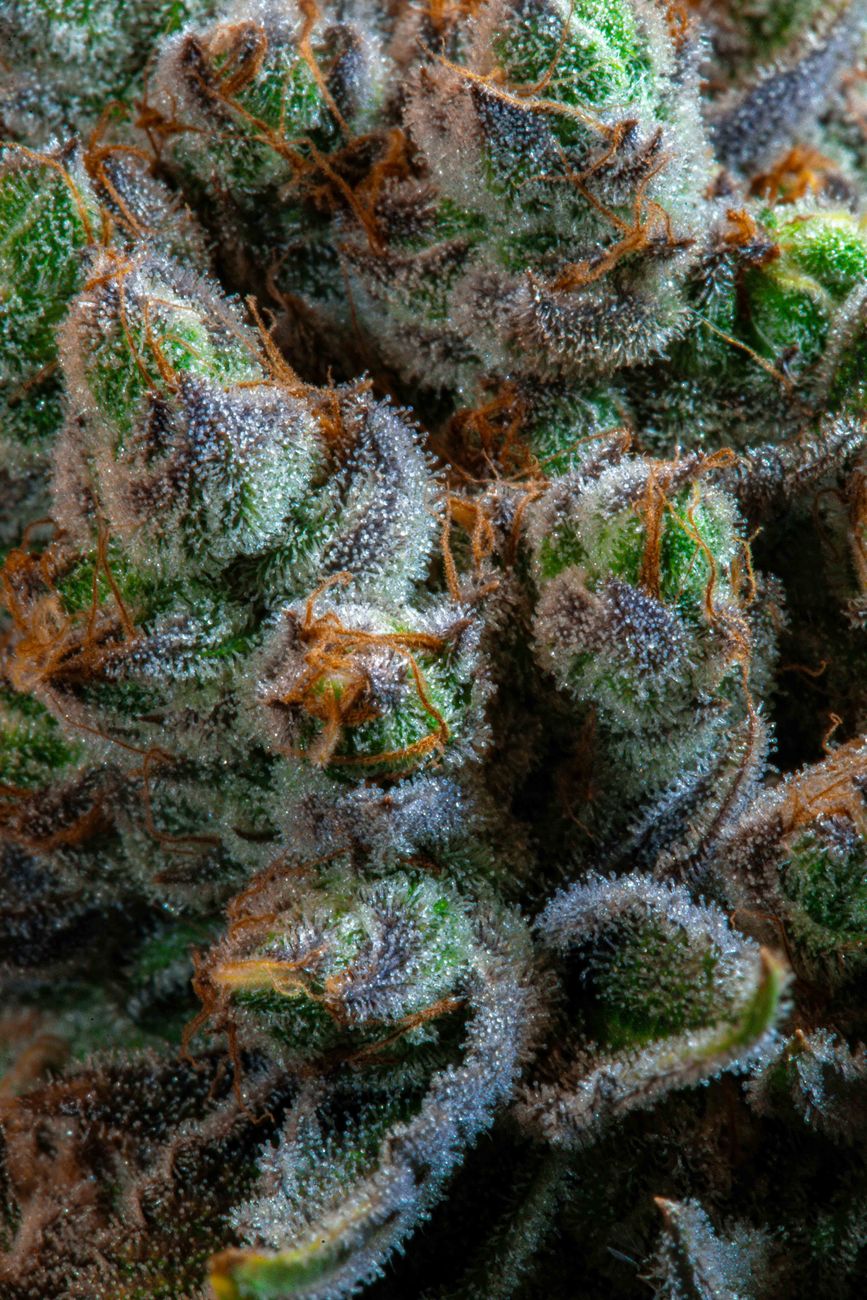
Cannabis budding (flowering) is the reproductive phase where the plant stops producing leaves and stems and begins building dense, resin-coated flower clusters called buds. For photoperiod strains, budding is triggered by a shift to 12 hours of darkness per day — outdoors in Australia, this happens naturally around late February as daylight shortens after summer. Autoflowering strains begin budding automatically at 3–5 weeks of age regardless of light schedule. The budding phase lasts 8–11 weeks depending on genetics.
- ✓ First-time and intermediate Aussie growers
- ✓ Outdoor growers on the Southern Hemisphere calendar
- ✓ Indoor growers running photoperiod or autoflower genetics
- ✓ Growers in jurisdictions where cultivation is legally permitted
- ✓ Anyone who's harvested too early or too late and wants to understand why
- ✗ Growers looking to circumvent Australian state or federal law
- ✗ Medical cannabis patients seeking clinical advice (consult a GP or the TGA)
- ✗ Experienced commercial cultivators (this is a foundations guide)
What Is Cannabis Budding and How Does It Start?
Cannabis budding is the flowering stage — the period when the plant transitions from producing foliage to building dense, resin-covered flower sites (buds) for reproduction. It's the most important phase of the grow cycle and directly determines your final yield and potency.
The trigger differs by strain type. Photoperiod strains flower when uninterrupted darkness exceeds roughly 12 hours per night. Autoflowering strains flower based on age — typically 21–35 days from germination — regardless of light schedule.
In Australia, outdoor photoperiod plants begin budding naturally as days shorten after the December summer solstice. Most coastal locations hit the 12-hour threshold around late February to early March — which means harvest falls in April to May. Growers should check their local laws before cultivating; cultivation laws vary by state and territory. The Australian Department of Health and Aged Care provides current regulatory guidance for medicinal cannabis.
Understanding what triggers budding in your specific strain type is the most important foundation of the grow. Confuse a photoperiod for an auto (or vice versa) and you'll either stall flowering indefinitely or harvest a half-developed plant. Identify your genetics first — everything else flows from that.
What Are the Week-by-Week Stages of Cannabis Budding?
The budding phase is not one uniform event — it's a sequence of distinct biological stages, each with different plant needs, visual signs, and risk windows. Here's what's actually happening each week.
Step 1: Transition / Pre-Flower (Weeks 1–2)
The plant hasn't fully committed to flowering yet. It continues vegetative growth — sometimes explosively, stretching 50–100% in height. You'll see the first white pistils (hairs) emerging at bud sites. Do not mistake this stretch for a problem; it's normal and necessary.
Step 2: Early Flower (Weeks 2–3)
Bud sites multiply rapidly. Pistils cluster into small calyxes. The plant's root zone demand for phosphorus and potassium rises sharply. Begin transitioning from nitrogen-heavy vegetative feeds to a bloom formula. Maintain good airflow — early flower is when mould pressure begins building in humid coastal climates like Brisbane and Sydney.
Step 3: Mid-Flower / Bulk-Up (Weeks 4–6)
This is the most visually dramatic phase. Buds swell significantly, calyxes stack, and resin production becomes visible to the naked eye. Terpene production ramps up — the grow space will start smelling strongly. Phosphorus and potassium demands peak here. This is also the highest-risk window for bud rot in southeastern Australia (Sydney to Melbourne).
Step 4: Late Flower / Ripening (Weeks 7–9)
New calyx production slows. Buds consolidate and densify. Trichomes begin shifting from clear to cloudy. Pistils change colour — typically from white to orange, amber, or red depending on genetics. Reduce nitrogen to near-zero. Many growers begin a plain-water flush (7–14 days) during this window, though the science on flushing remains debated.
Step 5: Harvest-Ready (Weeks 9–11+)
Trichomes are predominantly cloudy with 10–30% amber — the typical harvest target for a balanced high. Pistils are 70–90% darkened. The plant may begin showing nutrient deficiencies (yellowing fan leaves) as it naturally senesces. This is normal and not a cause for alarm. Harvest when trichomes match your desired effect — more amber = more sedative, more cloudy = more cerebral.
Never harvest by calendar alone. Harvest by trichome colour. The formula: 70% cloudy + 10–20% amber = peak harvest window for most recreational effects. Formula: (Cloudy% × 0.7) + (Amber% × 0.3) = Ripeness Index. A plant at 70% cloudy + 15% amber scores 0.70 × 0.7 + 0.15 × 0.3 = 0.535 — above the 0.5 threshold = HARVEST NOW. Below 0.5 = wait another 5–7 days and recheck.
A 30× loupe or digital microscope is the most reliable tool for measuring this. AU$15–$30 on eBay or from most Aussie grow shops.
Most first-time growers harvest 1–2 weeks too early. The mid-flower bulk-up phase (weeks 4–6) is where the majority of final weight is added — rushing past it cuts your yield by 20–40%. Patience during weeks 4–7 is the single highest-ROI action you can take during the grow.
What Does the Australian Budding Calendar Look Like?
Australia's Southern Hemisphere calendar flips the European and North American grow guides you'll find on most websites. If you're following a UK or US outdoor schedule, you're growing backwards.
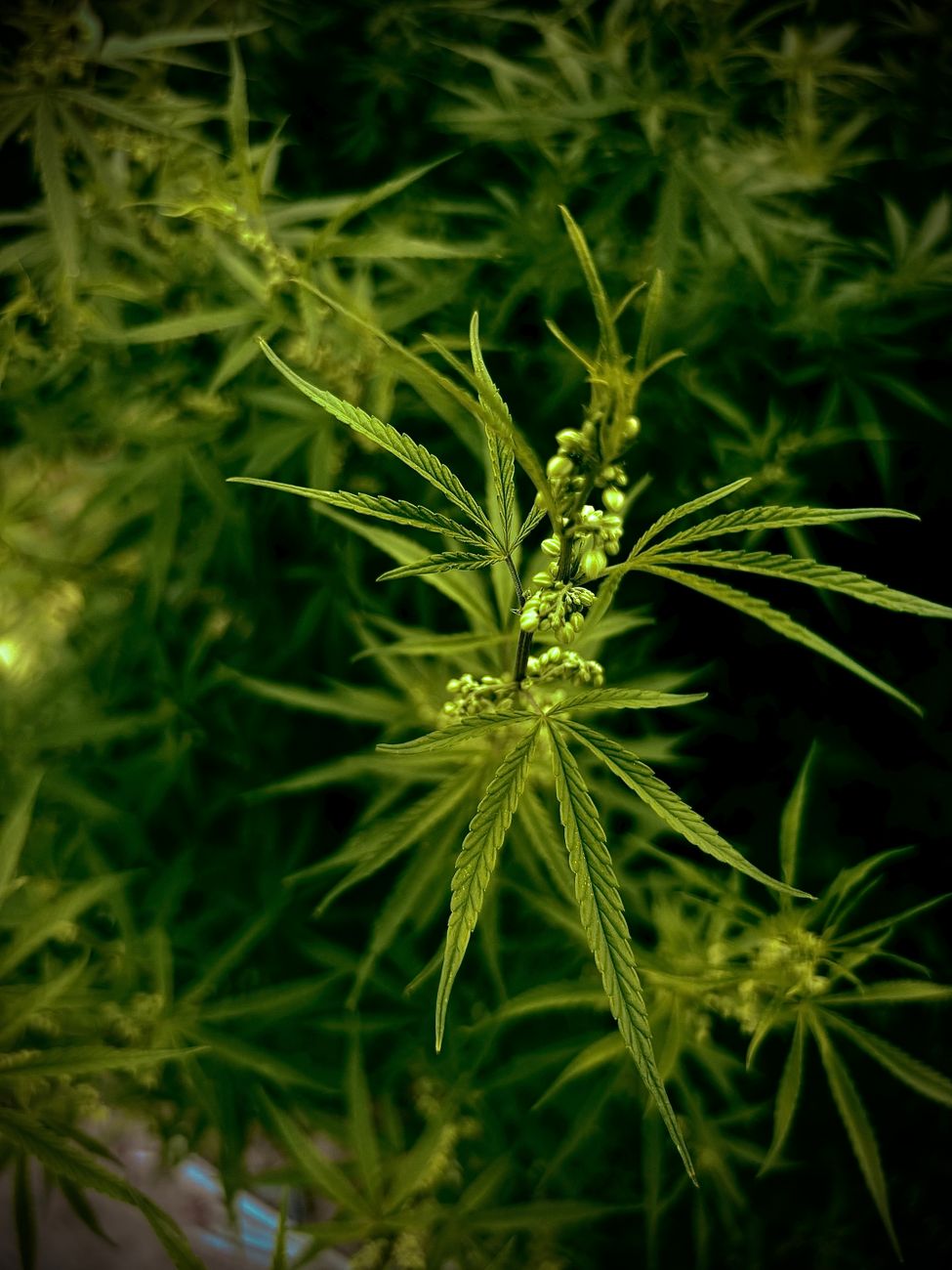
Here is the correct Southern Hemisphere outdoor budding calendar, based on Bureau of Meteorology climate data:
Germinate / Veg
Veg (Ideal plant out)
Late Veg / Establish
Peak Veg / Long days
Days shortening — watch for pre-flower signs
Flower triggers (most regions)
Peak flower / Mould risk window
Harvest window — frost risk southern states
Late harvest / High frost risk TAS, VIC alpine
Winter — outdoor growing not viable (most AU)
Autoflowers bypass this calendar entirely. Start them October through December outdoors for the best results — they'll finish in 70–85 days regardless of daylight hours, putting harvest in December–February (summer), well clear of frost risk.
The March risk window is real and underappreciated by first-timers. Looking at the grower support questions that spike each autumn, mould complaints cluster almost exclusively around weeks 3–5 of outdoor flower — which maps directly to late February through late March in coastal NSW, VIC, and SA. Dense canopies + cooling nights + high humidity = bud rot. Plan defoliation and airflow before that window opens.
How Does Budding Differ Between Photoperiod and Autoflower Strains?
This is one of the most-searched questions our support team fields, and the confusion it causes leads to real crop failures every season. Here is the honest comparison.
| Feature | Photoperiod Strains | Autoflower Strains |
|---|---|---|
| Flower Trigger | 12 hrs darkness per night | Plant age (3–5 weeks) |
| Total Cycle (outdoor) | 5–7 months (Sept→Apr) | 70–90 days seed to harvest |
| Flower Duration | 8–11 weeks | 5–7 weeks |
| Yield (outdoor, per plant) | 400–1,200 g (varies hugely) | 50–200 g |
| THC Range | 12–30%+ | 12–26% |
| Mould Resistance | Varies by strain (Low–High) | Generally Medium–High |
| Best for southern AU | Experienced growers, large plots | TAS, VIC alpine, short seasons |
| Indoor light schedule | 18/6 veg → 12/12 flower | 18/6 or 20/4 throughout |
| Re-vegging possible? | Yes | No |
| Beginner rating | 5/10 | 8/10 |
If you're growing autoflower seeds in Australia, the biggest misconception is that they need a 12/12 light flip. They don't — and switching an auto to 12/12 will simply reduce the light energy available for bud production, cutting yields unnecessarily.
If you're growing feminised cannabis seeds, understand that outdoor budding is controlled by your latitude and the seasonal calendar — not by anything you do actively. Your job is to ensure the plant is healthy and well-fed before the natural trigger hits in late summer.
For most first-time Aussie outdoor growers, autoflowers are the lower-risk entry point — they finish before the March–April mould and frost risk window and give you a full harvest even in Tasmania's short frost-free season. Experienced growers chasing big outdoor yields should explore photoperiod indica seeds or sativa seeds with strong mould resistance.
What Nutrients Does a Cannabis Plant Need During Budding?
Nutrient needs shift dramatically when budding begins. Getting this wrong is one of the top five causes of sub-par harvests, based on patterns seen across public grower forums and community grow journals.
- Nitrogen (N): Reduce by 50% at week 2 of flower. By week 6, drop to near-zero. Excess nitrogen during late flower produces harsh, "chlorophyll-tasting" buds and delays maturity.
- Phosphorus (P): Peak demand in weeks 3–6. Use a quality bloom booster (look for P values of 30–50 on the label). Supports calyx development and resin production.
- Potassium (K): Runs parallel to phosphorus throughout flower. Critical for sugar transport and terpene synthesis.
- Calcium & Magnesium: Don't stop these mid-flower. Cal-Mag deficiency is the most commonly misdiagnosed problem during weeks 4–7, particularly in coco coir grows.
- Silica: Strengthens cell walls. Particularly valuable in Queensland and NT grows where heat stress is a factor during early flower.
- Flush (weeks 8–10): Plain pH-corrected water (6.0–6.5 for soil; 5.8–6.0 for coco/hydro) for the final 7–14 days. This remains debated in published research — see PubMed cannabis flushing studies — but anecdotally popular among Australian home growers for improving perceived smoke quality.
The most common nutrient mistake during budding is continuing a veg-heavy nitrogen feed into weeks 4–5. Looking at grower support questions that peak mid-autumn, nitrogen toxicity symptoms (dark green, clawing leaves, delayed maturity) are reported far more often than any deficiency. Transition to a bloom formula at the first sign of pistils — not weeks later.
What Are the Most Common Problems During Cannabis Budding?
Budding is the phase where most things go wrong — and most go wrong for identifiable, fixable reasons.
Bud Rot (Botrytis cinerea)
The single most destructive problem for outdoor Aussie growers. Bud rot starts invisibly inside dense cola centres, spreading outward. By the time you see grey-brown discolouration on the outside, the interior is already destroyed. Affected buds must be removed immediately and cleanly to prevent spread. Preventive airflow, defoliation of inner fan leaves at week 3–4 of flower, and avoiding overhead watering are the primary controls.
Hermaphroditism (Pollen Sacs)
Stress during budding — heat spikes, light leaks, root damage — can cause feminised plants to produce male pollen sacs. These will self-pollinate and seed your buds. Inspect plants 2–3 times per week from week 2 of flower. Remove any pollen sacs immediately with tweezers and water mist. Choosing feminised seeds Australia from reputable breeders significantly reduces hermaphrodite risk but doesn't eliminate it under high-stress conditions.
Light Burn / Heat Stress
Relevant for indoor growers and outdoor QLD/WA/NT summer growers. Light burn causes bleaching at the bud tips closest to the light source — buds turn white-yellow and lose potency. Heat stress (above 30°C during flower) reduces terpene production and causes airy, loose bud structure. Target 22–26°C during the lights-on/day period for optimal bud density.
Nutrient Lockout
Incorrect pH is the most common cause of budding problems that look like deficiencies but don't respond to feeding. If leaves show multiple deficiency symptoms simultaneously, check pH before adding more nutrients. Soil: 6.2–6.8. Coco: 5.8–6.2. Hydro: 5.5–6.0.
Bud rot is the budget-killer for southeastern Aussie growers. If you're in coastal NSW, Melbourne, or anywhere in TAS, assume bud rot pressure exists from week 3 of flower onwards. Defoliate aggressively (remove 20–30% of inner fan leaves) at week 3 and again at week 5. This single action has the highest return on time invested for preventing late-season losses.
How Do You Know When Cannabis Buds Are Ready to Harvest?
Harvest timing is where most home growers leave real money on the table. Harvesting even one week early reduces yield by 15–25% and significantly alters the cannabinoid profile.
There are three methods — use all three together for the most accurate read:
- Trichome colour (most accurate): Clear = immature. Cloudy/milky = peak THC. Amber = THC degrading to CBN (more sedative). Target: 60–80% cloudy + 10–20% amber for most effects.
- Pistil colour: 70–90% of pistils darkened (orange, red, brown) = approaching harvest. Do not use this method alone — it's less precise than trichomes.
- Calyx swelling: When calyxes are visibly swollen and stacked, with no new white pistils emerging, the plant has stopped building and is ripening. This is a reliable secondary indicator.
Research published via Journal of Cannabis Research consistently shows that cannabinoid content peaks in the final 1–2 weeks before harvest — a compelling reason to be patient through the trichome milky-to-amber transition.
A high THC seed strain grown to full maturity will outperform the same strain harvested 10 days early by a meaningful margin in both potency and yield.
Buy a 30× loupe or a USB microscope (AU$15–$50). Use it from week 7 of flower onwards. Check 5–10 trichomes across multiple bud sites (tops and lowers ripen at different rates). When 70%+ are cloudy and 10–20% are amber on both top and lower buds — harvest. Don't second-guess the microscope.
What Is the Best Budding Strategy by Australian State?
Climate varies dramatically across Australia — from tropical Darwin to cool-temperate Hobart. A one-size-fits-all budding strategy doesn't exist. Here's what the regional picture actually looks like, informed by Bureau of Meteorology climate data and ABARES regional agricultural data.
Queensland (Subtropical / Tropical)
QLD outdoor growers face high humidity and heat during early flower (Feb). Mould-resistant strains are non-negotiable in coastal areas. Indica-dominant genetics with compact structure fare better than large open sativas in humid SE QLD. Darwin-level tropics (FNQ) can run autoflowers almost year-round but benefit from a short dry-season break. Check your local laws — QLD regulations differ from southern states.
New South Wales (Temperate Coast)
Sydney and coastal NSW growers hit the ideal window — warm Feb–Mar flower with autumn cooling assisting bud density in April. The March risk window for bud rot is real but manageable with good airflow. Harvest most photoperiod strains in late March to mid-April. Inland NSW has lower humidity — a significant advantage for mould prevention.
Victoria (Cool Temperate)
Melbourne growers face variable autumn weather — cold snaps can arrive from mid-April. Outdoor photoperiod strains should be plants that finish by early to mid-April. Autoflowers started in October will finish in January–February, well clear of frost risk. Alpine VIC can experience frosts from late March. For legally permitted cultivation in VIC, autoflower seeds for Aussie growers are the lower-risk option.
Tasmania (Cool Temperate / Short Season)
Tasmania is Australia's most challenging outdoor cannabis climate. The frost-free window in Hobart runs approximately late September to early May (~220 days), but outdoor flower doesn't trigger until late January–February and frosts become a real risk in April. Autoflowers started October 1 and finishing by January 10 are the only reliable low-risk strategy. Photoperiod grows require exceptional planning and ideally a protected greenhouse environment.
Western Australia (Mediterranean)
Perth's Mediterranean climate — hot dry summers, mild winters — produces excellent outdoor grows. The dry autumn (April) dramatically reduces mould risk compared to eastern states. Growers in legally permitted contexts in WA can run large photoperiod plants through to late April–May harvest with low bud rot pressure. Water management and heat stress during Dec–Jan peak summer is the primary challenge.
South Australia (Mediterranean)
Adelaide shares WA's Mediterranean advantage. Lower autumn humidity means photoperiod outdoor grows can push into May without the mould losses seen in Sydney or Melbourne. Inland SA (Barossa, Clare Valley) can experience temperature swings that stress plants late in flower — use silica supplementation and ensure root zone moisture is consistent.
WA and SA growers have a genuine climate edge for outdoor photoperiod grows — lower autumn humidity translates directly to lower bud rot risk and longer safe harvest windows. QLD and coastal NSW growers should prioritise mould-resistant genetics over everything else. TAS growers: run autoflowers, full stop.
Royal King Seeds Australian Budding Climate Score
This proprietary scoring rubric ranks Australian states and territories for outdoor photoperiod budding viability. Methodology: Mould Risk Resistance 35% + Frost-Free Harvest Window 30% + Heat Manageability During Flower 20% + Beginner-Friendliness 15%.
| State / Territory | Mould Resistance (35) | Frost-Free Window (30) | Heat Manage (20) | Beginner (15) | RKS Score /100 |
|---|---|---|---|---|---|
| Western Australia (Perth) | 33 | 28 | 16 | 13 | 90 |
| South Australia (Adelaide) | 31 | 27 | 17 | 12 | 87 |
| NSW Inland (e.g. Tamworth) | 28 | 27 | 16 | 11 | 82 |
| NSW Coast (Sydney) | 22 | 28 | 18 | 11 | 79 |
| Victoria (Melbourne) | 20 | 24 | 19 | 10 | 73 |
| QLD Coast (Brisbane) | 16 | 30 | 13 | 10 | 69 |
| Tasmania (Hobart) | 17 | 18 | 19 | 7 | 61 |
Why WA scored #1: Perth's Mediterranean autumn (March–April) delivers the lowest humidity of any major AU city during peak flower — dramatically cutting bud rot risk. The frost-free window extends to June, giving photoperiod plants plenty of runway. Heat during early flower (Dec–Jan) is the main challenge but manageable with shade cloth and water management.
Why SA scored #2: Almost identical climate logic to WA. Adelaide's dry autumn is a genuine structural advantage. Heat stress during summer establishment is slightly more acute than Perth for some inland sites.
Why TAS scored lowest: Short frost-free window + high spring/autumn humidity + cold night temperatures during March–April flower combine to make photoperiod outdoor grows genuinely risky. Autoflowers score significantly higher in TAS — running Oct→Jan puts harvest during the driest, warmest period.
Royal King Seeds Outdoor Budding Risk Rating
| State / Region | Mould Risk | Frost Risk (Apr–May) | Heat Stress Risk | Beginner Risk |
|---|---|---|---|---|
| Perth / SW WA | Very Low | Very Low | Medium | Low |
| Adelaide / SA | Low | Low | Medium | Low |
| Sydney / Coastal NSW | Medium | Low | Low | Medium |
| Melbourne / VIC | Medium–High | Medium | Low | Medium |
| Brisbane / SE QLD | High | Very Low | High | High |
| Hobart / TAS | Medium | High | Very Low | Very High |
| Darwin / NT (Tropical) | Very High | None | Very High | Very High |
Which Cannabis Budding Strategy Should You Use?
- 🌿 First-time outdoor grower, any state → Start with autoflowering seeds (Oct–Nov start, Jan–Feb harvest, zero light-cycle management)
- 🏆 Chasing max outdoor yield → Feminised photoperiod seeds, plant out Oct, harvest Mar–Apr. WA/SA climates ideal.
- 💧 High humidity (coastal QLD, coastal NSW) → Mould-resistant indica-dominant hybrids with open bud structure
- ❄️ Cold southern winters (TAS, VIC alpine) → Autoflowers only. Start Oct 1, target Dec–Jan harvest
- ☀️ Hot dry summers (SA inland, WA) → Silica-supplemented photoperiods; shade cloth during Dec–Jan peak heat
- 🏠 Indoor grower → Run 18/6 veg → 12/12 flower for photoperiods; 18/6 or 20/4 throughout for autos
- 🌱 Beginner indoors → Autoflower seeds in a 19 L fabric pot under LED — simplest path to a full harvest
- 💊 Prioritising CBD / wellness → CBD strains Australia — lower THC, balanced cannabinoid profile
What Happens If You Get the Budding Timing Wrong?
- Strategy: Autoflower, started Oct 1, outdoor Melbourne
- Flower begins: ~Nov 1 (age-triggered)
- Harvest date: Jan 5–10
- Buffer before frost: ~120 days (Melbourne avg first frost ~May 15)
- Risk level: Low
- Outcome: Full harvest in summer heat, zero frost or mould risk, 50–150 g per plant achievable
- Strategy: Slow photoperiod sativa, started Nov 15, outdoor Melbourne
- Flower begins: ~Feb 15 (day length trigger)
- Harvest date: Mid–late May
- Buffer before frost: 0–14 days (very tight)
- Risk level: Very High
- Outcome: Late-season frost damages buds; April mould pressure destroys 30–60% of yield; harvest forced early at suboptimal trichome maturity
Bottom line: One strain selection decision in October determines whether your April harvest is a success or a loss. The timing risk is real and quantifiable — not just theoretical.
What Are the Most Common Cannabis Budding Mistakes?
Mistake 1: Harvesting by Calendar Date, Not Trichome Colour
Breeder-stated flowering times are averages across multiple environments. Your actual finish date will vary by ±1–2 weeks depending on temperature, light intensity, and nutrition. Growers who harvest "on schedule" without checking trichomes consistently report lower potency. Always use a loupe or microscope. This is the single most frequently avoidable mistake in public grow journals.
Mistake 2: Continuing High-Nitrogen Feeds Into Flower
Nitrogen drives vegetative growth — not bud development. Continuing a veg formula past week 2 of flower delays bud set, produces loose airy buds, and results in harsh-tasting final product. Transition to a low-N, high-P/K bloom formula at the first sign of pistils. Don't wait until week 4.
Mistake 3: Ignoring Humidity During Flower
Ideal relative humidity during flower is 40–50% RH. Many Aussie grow spaces — particularly in QLD and coastal NSW — run 60–75% RH in late summer and autumn without grower intervention. At 60%+ RH, bud rot risk escalates sharply from week 4 of flower. Invest in a dehumidifier for indoor grows. Defoliate aggressively for outdoor grows.
Mistake 4: Interrupting the Dark Cycle (Indoor Photoperiod Grows)
A single light-leak event during the 12-hour dark period can stress a photoperiod plant enough to trigger hermaphroditism. Check your tent seams and timer settings at least once a week. Even a brief flash of light at 2am from opening the tent to check on plants can cause stress in sensitive genetics.
Mistake 5: Over-Watering During Flower
Plant water uptake slows during late flower as growth stalls. Continuing a vegetative watering frequency leads to root zone saturation, oxygen deprivation, and Pythium (root rot). Let the medium dry down significantly between waterings from week 6 of flower onwards. Lift the pot — if it's still heavy, wait.
Mistake 6: Removing All Fan Leaves Too Early
Aggressive defoliation ("lollipopping") before week 3 of flower strips the plant of photosynthetic capacity when it needs it most for bud building. Light defoliation at day 21 and again at day 35 is effective. Removing 50%+ of fan leaves in week 1 of flower reduces final yield in most genetics.
Mistake 7: Choosing a Slow Strain for a Short Climate Window
A 12-week flowering photoperiod strain started late in VIC or TAS will not finish before frost regardless of care. Research breeder-stated flowering times before you germinate, add 1–2 weeks for real-world variance, and work backwards from your regional frost date. Use the RKS Calendar Rule: [Flower time + 14 days variance] must clear your first frost date by ≥21 days.
After reviewing hundreds of public grower journal entries, mistakes #1 (harvesting too early), #2 (nitrogen overrun), and #7 (wrong strain for climate window) account for the majority of disappointing Australian outdoor grows. Fix those three and you've solved 80% of the most common budding failures.
Ready to start your grow with the right genetics?
Browse our full range of Australian-ready cannabis seeds — feminised, autoflowering, CBD, and high-THC genetics.
Shop All Cannabis SeedsEvery outdoor photoperiod strain you select must clear harvest at least 21 days before your region's historical first frost date. Formula: Breeder flowering time (weeks) + 2 weeks real-world variance = True finish window.
Example: A 9-week (63-day) flowering indica started outdoors in Melbourne on Oct 1 enters flower ~Feb 20 (natural trigger) and finishes ~Apr 22 with variance. Melbourne's average first frost is ~May 15. That's 23 days buffer — just above the 21-day minimum. SAFE, but no margin for error.
A 12-week flowering sativa in the same scenario finishes ~May 13 — 2 days before frost. FAIL.
Frequently Asked Questions About Cannabis Budding
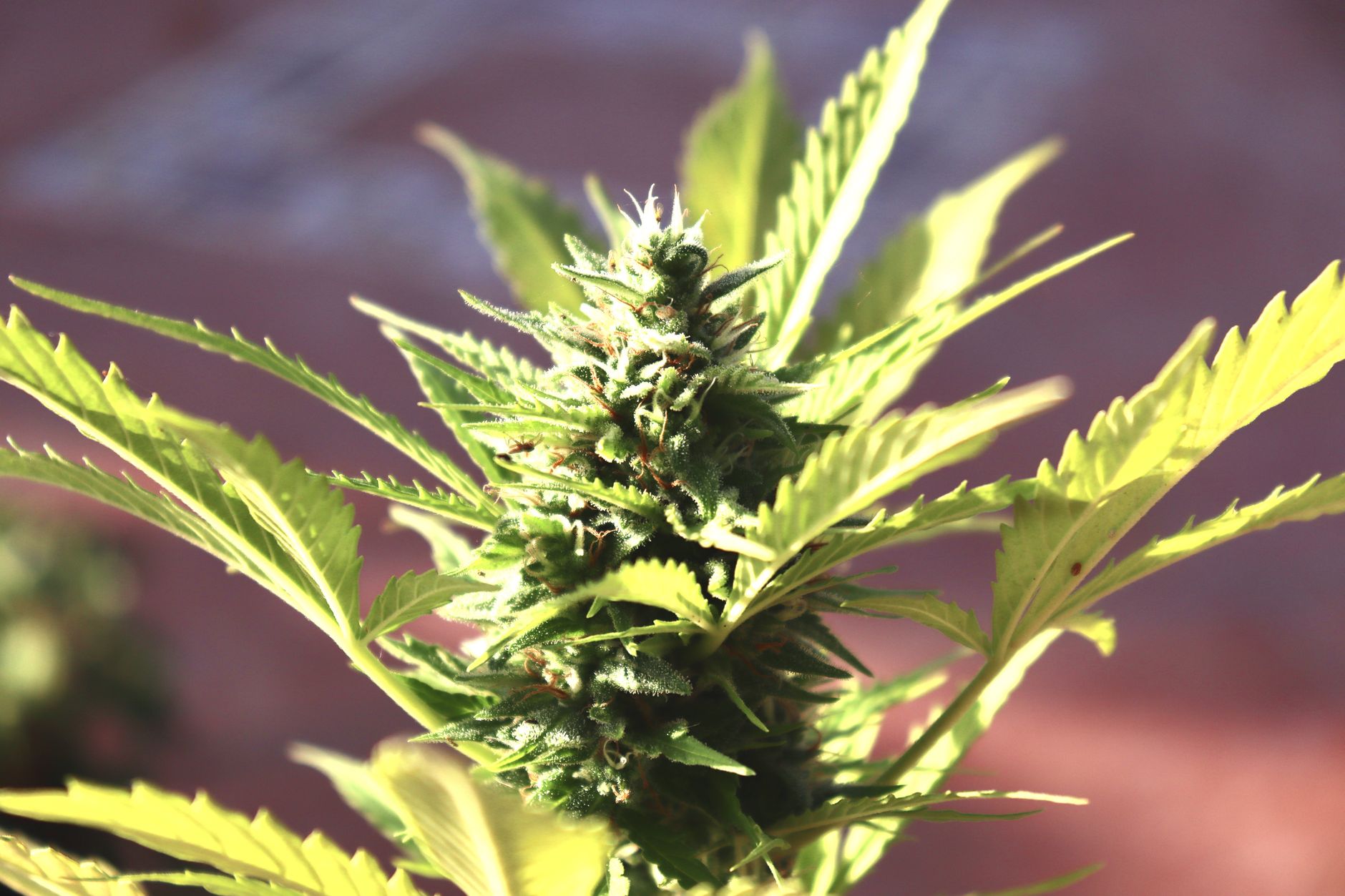
What does cannabis budding look like when it first starts?
How long does the cannabis budding stage last in Australia?
Can I start cannabis outdoors in February and still get a bud harvest in Australia?
Why are my cannabis buds small and airy?
What is the ideal temperature during cannabis flowering?
Should I defoliate during the budding phase?
Why isn't my photoperiod plant budding indoors?
Can autoflowers handle 35°C Queensland summers?
What month should I start growing cannabis in Victoria?
Why did my plant produce seeds during budding?
How many harvests can I get per year outdoors in coastal NSW?
My cannabis plant stalled at week 6 of flower — what went wrong?
Is flushing before harvest necessary for cannabis?
What's the minimum grow space for budding cannabis indoors?
Should I switch to a 5-gallon or 7-gallon pot for budding?
What if a heat wave hits during flowering outdoors?
Why are my buds not fattening up past week 5?
What's the difference between CBD and THC budding behaviour?
Can I shade my cannabis plants during 40°C+ days?
Why does my cannabis smell different during budding than I expected?
Indoor vs. direct-sow in TAS — which is better for budding?
How long is too long for curing cannabis after harvest?
Find the Right Genetics for Your Grow
Whether you're growing indoors or outdoors, in QLD's heat or TAS's short season — we have Australian-climate-matched seeds for your situation.
Browse All Seeds →Sources
- Bureau of Meteorology — Australian Climate Data
- ABARES — Australian Bureau of Agricultural and Resource Economics
- Therapeutic Goods Administration (TGA) — Medicinal Cannabis Regulatory Information
- Australian Department of Health and Aged Care — Cannabis Policy
- Journal of Cannabis Research — Peer-Reviewed Cannabis Science
- PubMed — Cannabis Flowering and Cannabinoid Research
- Australian Drug Foundation — Cannabis Information
Related Articles
Ready to Start Growing?
Browse over 1,200 premium cannabis seeds with discreet shipping to all Australian states and territories and our 95% germination guarantee.
Shop Cannabis Seeds