Cannabis Ripeness: The Honest 2026 Cannabis Grower's Guide
Royal King Seeds
Cultivation team
Your biggest enemy at harvest isn't pests, pH, or even the weather — it's harvesting too early. Looking at the grower support questions our team fields most often, one pattern shows up again and again: plants chopped one to two weeks before peak ripeness, producing airy, underpowered buds that fail to reach their genetic potential. Most growers rely on pistil colour alone — a method that's accurate roughly 60% of the time and routinely leads to early pulls.
The real benchmark is trichome maturity combined with calyx swell and pistil ratio — a three-point check that takes two minutes but transforms your harvest. This guide gives you every tool, number, and timing reference you need to nail ripeness in any Australian climate zone, from subtropical QLD to cool-temperate TAS.
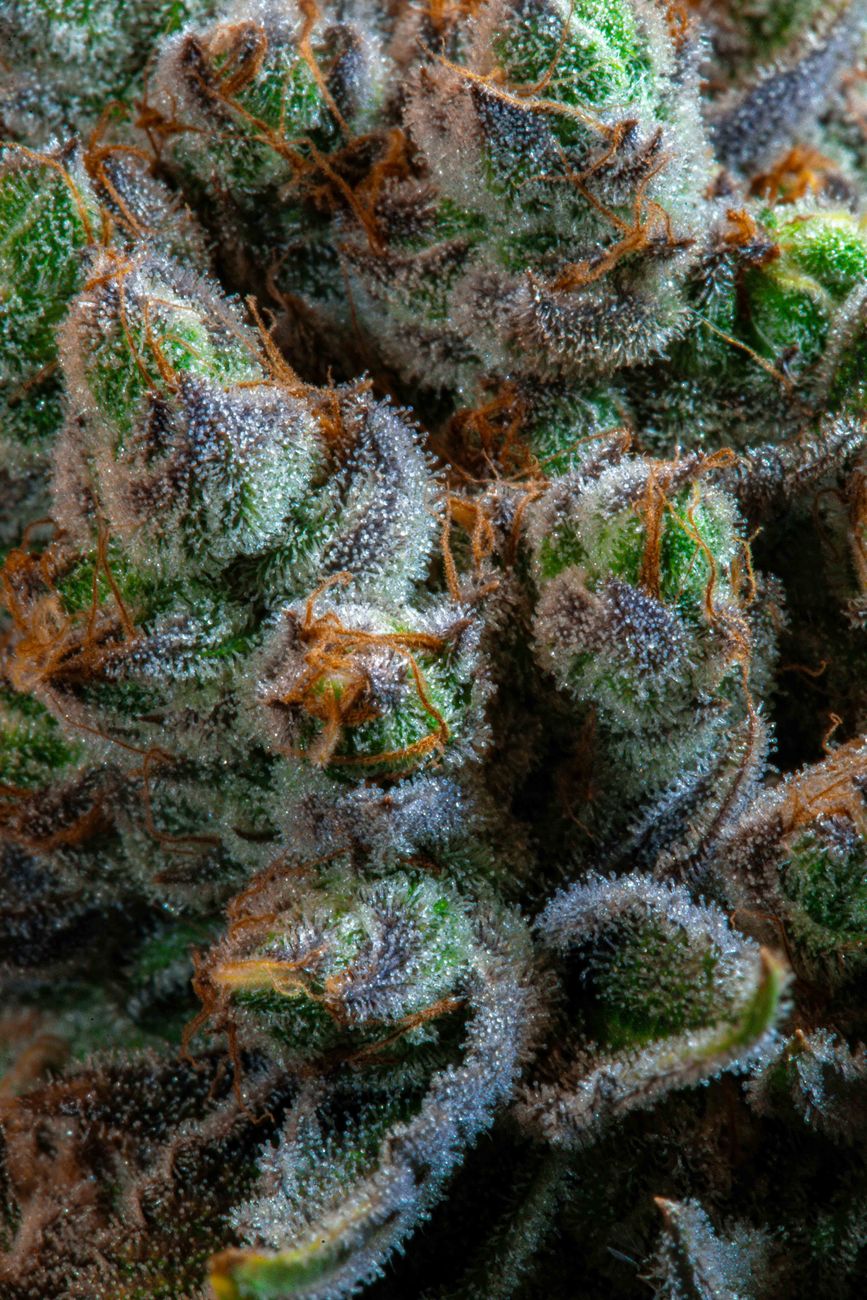
Cannabis reaches peak ripeness when 70–90% of trichomes are fully opaque (milky-white), 10–20% have turned amber, and 80–90% of pistils have darkened and curled inward. Calyx swelling — when individual seed pods puff out without containing seeds — confirms the plant has stopped building new growth and is converting cannabinoids to their final form. In Australian conditions, this window typically falls between weeks 8 and 11 of the flowering stage, though fast autoflowers can hit it as early as week 7 and heavy indicas may need week 12.
- ✓ First-time outdoor growers in AU unsure when to chop
- ✓ Indoor growers who want to maximise potency and yield
- ✓ Growers relying on pistil colour alone (and getting inconsistent results)
- ✓ Anyone wanting state-specific harvest timing windows
- ✓ Growers comparing autoflowers vs photoperiods at harvest
- ✗ Growers seeking commercial-scale lab testing protocols
- ✗ Anyone in states where cultivation is not legally permitted
- ✗ Growers looking for synthetic cannabinoid information
What Is Cannabis Ripeness?
Cannabis ripeness is the physiological state where the plant has maximised cannabinoid and terpene production and begun converting THC toward degraded forms — the precise window between "not finished" and "past peak."
During the final weeks of flower, the plant stops producing new calyxes and redirects energy into swelling existing bud sites. Trichomes — the tiny resin glands covering flowers and sugar leaves — cycle through three distinct stages: clear (immature), cloudy/milky (peak THC), and amber (THC degrading into CBN). Harvesting at the right point in this cycle determines potency, aroma intensity, and the character of the effect.
In Australia, the Therapeutic Goods Administration (TGA) regulates medicinal cannabis quality standards, which include defined cannabinoid concentration benchmarks — a useful reminder that ripeness is a measurable, science-backed state, not a vibe. For recreational or personal cultivation in jurisdictions where it is legally permitted, understanding ripeness at this level of precision is the single biggest yield-quality lever available to a home grower.
How Does the Trichome Method Work?
The trichome method is the gold-standard ripeness check: examining resin glands under 30–100× magnification to determine the ratio of clear, milky, and amber heads.
You need a jeweller's loupe (60×) or a digital USB microscope (40–120× range). Inspect the trichomes on the densest calyx surfaces — not the sugar leaves, which amber faster and will skew your read early.
Here's what each stage means:
- Clear trichomes: Immature. THC synthesis is still underway. Harvesting now delivers a weak, anxious effect and noticeably lower potency.
- Milky/cloudy trichomes: THC has peaked. Maximum potency, cerebral and energetic effect profile. Ideal window for sativa-dominant strains.
- Amber trichomes: THC is degrading into CBN. Heavier, more sedative effect. 10–20% amber mixed with 70–90% milky is the sweet spot for most indica seeds and balanced hybrids.
Research published on PubMed confirms that cannabinoid content peaks when trichome heads are fully opaque before amber conversion begins — consistent with what growers observe visually under magnification.
A simple formula for reading any strain's trichome window with confidence.
Formula: Clear% + Milky% + Amber% = 100%. Harvest when Milky% ≥ 70% AND Amber% = 10–20%.
Worked example: You inspect a high THC strain at week 9 of flower. Under 60× loupe: roughly 15% clear, 75% milky, 10% amber. Formula check: 75 ≥ 70 ✓ and 10 is within 10–20% ✓. Pull within 3–5 days. If you see 60% milky and 5% amber — wait another 7–10 days and re-check. Never harvest on the calendar alone.
What Does Pistil Colour Actually Tell You?
Pistil colour is a useful early-warning signal, not a standalone harvest trigger. When 80–90% of pistils have turned orange, red, or brown and curled inward, the plant is approaching ripeness — but trichomes must still be checked to confirm.
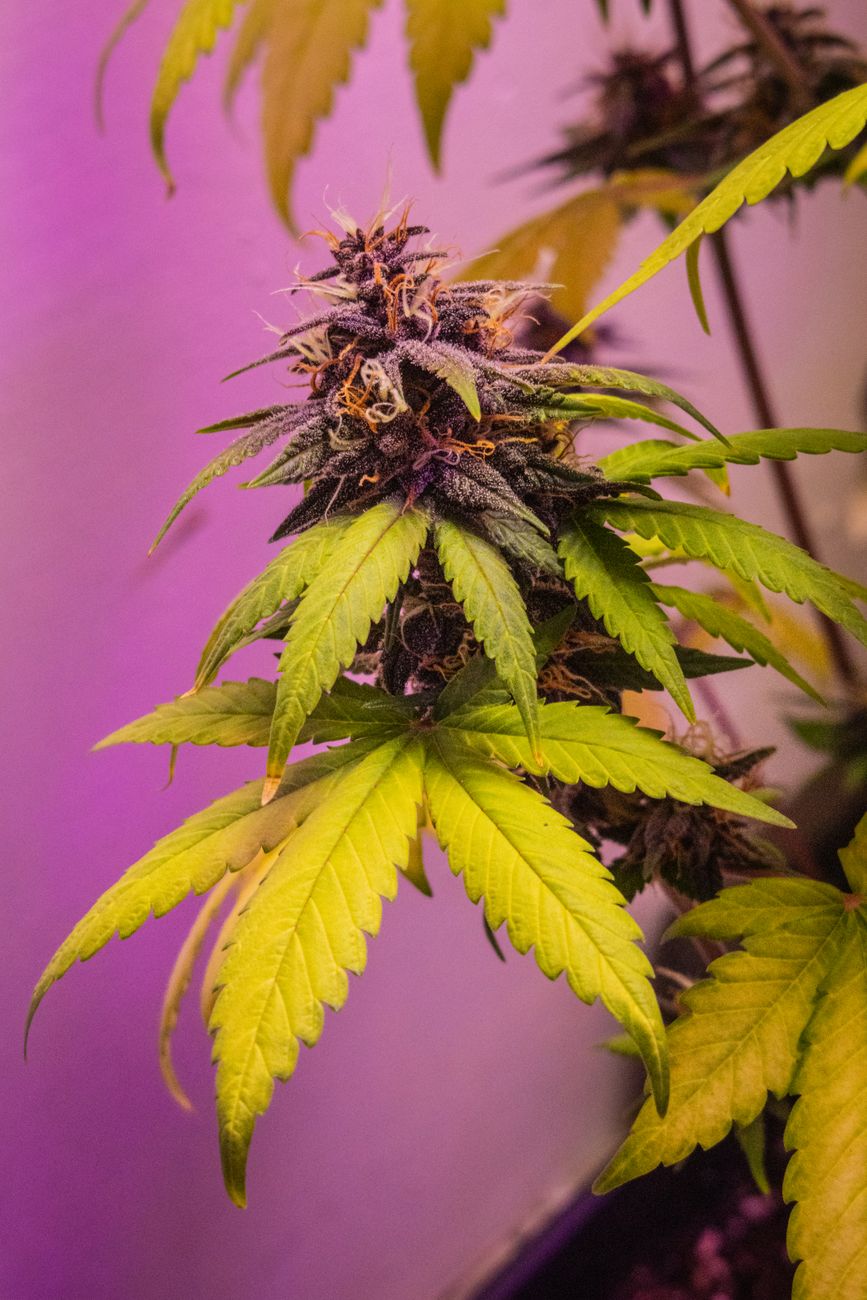
Pistils (the tiny hair-like stigmas on the calyx) start white and gradually darken. The issue is that environmental stressors — heat, pollen contact, humidity swings — can turn pistils dark early without the plant being ripe. Conversely, some strains keep white pistils late into flowering even when trichomes are already milky.
Use the pistil method as a first-pass filter:
- Under 50% darkened pistils → too early, skip trichome check for now
- 50–70% darkened → getting close, start checking trichomes weekly
- 80–90% darkened → trichome check required NOW
- 95–100% darkened → likely past peak, check trichomes urgently
What Is Calyx Swell and Why Does It Matter?
Calyx swell is the final physical confirmation that a plant has completed its bud-building phase and cannabinoid synthesis is at or near maximum.
Individual calyxes — the seed-producing structures that stack to form the bud — expand and "puff out" visibly in the last week or two before peak ripeness. The bud feels denser when gently squeezed, and individual calyxes appear rounded and plump rather than flat and immature. This happens because the plant redirects all vascular energy from new growth into maturing existing sites.
From reviewing grower journals across multiple public forums, calyx swell that coincides with 80%+ pistil darkening and 70%+ milky trichomes is the most reliable three-way signal that harvest is 5–10 days away.
How to Use the Three-Point Ripeness Check System
The Three-Point Ripeness Check combines trichomes, pistils, and calyx swell into a single two-minute inspection routine. All three signals must align before harvest.
Step 1: Scan Pistil Ratio
Look at the top and middle cola without any tools. Estimate the percentage of pistils that have darkened and curled. If below 70%, come back in 5–7 days. Above 70%, proceed to Step 2.
Step 2: Check Calyx Swell
Gently run your fingers along the side of a main cola. Individual calyxes should feel rounded and firm, not flat. If the bud feels loose or airy, the plant needs more time regardless of pistil colour.
Step 3: Trichome Inspection Under Magnification
Use a 40–100× loupe or USB microscope on several calyx heads near the top of each main cola. Count your rough ratio of clear : milky : amber. Apply the Three-Stage Trichome Rule. If 70–90% milky and 10–20% amber — you're in the harvest window. Plan your flush completion and chop date within 3–7 days.
What Are the Harvest Windows by Australian State?
Harvest timing in Australia is shaped by the Southern Hemisphere calendar — outdoor plants flower through autumn (Mar–May) and must be harvested before cool nights trigger mould or frost damage. Using Bureau of Meteorology climate data, here are the key outdoor ripeness windows by state for photoperiod strains started in October–November.
Spring / Veg
Summer / Pre-flower
Flower Start
Peak Ripeness
Frost Risk (South)
Winter / Too Late
New South Wales (Coastal & Inland)
Coastal NSW enjoys a temperate climate with mild autumns. Outdoor photoperiod harvests typically land mid-March to late April. Inland NSW can see frosts from late April — target full harvest by April 20 for safety. Feminised cannabis seeds from fast-finishing genetics suit the NSW shoulder season well.
Victoria
Melbourne and surrounds experience cool autumns with frosts possible from late April in outer suburbs and highlands. Aim for a March 15 – April 10 harvest window. Strains with mould resistance are critical for the Dandenong Ranges and Yarra Valley microclimates where humidity lingers.
Queensland
Subtropical QLD (Brisbane, Gold Coast) offers the most forgiving outdoor window — warm autumns push the safe harvest period out to late April or early May. However, high humidity makes mould risk a serious concern in the final two weeks of flower. Check trichomes from week 7 onward in coastal QLD.
Western Australia (Perth & South-West)
Perth's Mediterranean climate delivers dry, mild autumns — ideal ripening conditions. Outdoor harvests from late March to mid-April are typical. The dry air dramatically reduces mould pressure, giving growers more flexibility to wait for peak amber ratios.
South Australia (Adelaide)
Adelaide's Mediterranean climate mirrors Perth. Harvest window: late March to mid-April. Inland SA warms fast in summer but cools sharply in May — stay ahead of the cold snap by confirming trichome ripeness in the first two weeks of April.
Tasmania
Tasmania's cool-temperate climate means frost risk arrives earlier — sometimes late April in elevated areas. Outdoor growers in TAS must target harvest completion by April 15. Short-season genetics and autoflower seeds for Aussie growers are the safest options for the Apple Isle.
Northern Territory (Darwin & Top End)
Darwin's tropical climate inverts the typical AU outdoor calendar. The dry season (May–Oct) offers the best outdoor conditions. Flowering typically occurs July–September with harvest in September–October. Mould-resistant genetics are essential during the wet-season transition.
How Does Ripeness Affect the End Effect?
Harvesting at different trichome ratios produces measurably different effects — even from the same plant grown under identical conditions.
| Trichome Profile | Effect Character | Potency | CBN Level | Best For | Strain Types |
|---|---|---|---|---|---|
| 90–100% Milky / 0% Amber | Cerebral, energetic, heady | Peak THC | Minimal | Daytime use, focus | Sativa-dominant |
| 70–80% Milky / 10–20% Amber | Balanced, euphoric with body warmth | High THC + trace CBN | Low–Moderate | All-rounder | Hybrids |
| 50–60% Milky / 25–40% Amber | Heavy, sedating, couch-lock | Moderate THC, elevated CBN | High | Evening, sleep | Indica-dominant |
| 30%+ Amber | Deeply sedating, narcotic | Low–Moderate THC, very high CBN | Very High | Heavy sleep aid | Any (late pull) |
What Reviewing Hundreds of Australian Grower Reports Actually Shows
After reviewing public grower journals from Australian cannabis communities and comparing grower-reported harvest dates with breeder-published timelines, several patterns emerge that rarely appear in generic grow guides.
Pattern 1: Breeders underestimate flower time by 7–14 days. Across publicly documented grows, growers consistently report that strains marketed as "8-week flower" finish in 9–10 weeks when grown at recommended temperatures and intensity levels. Breeders optimise their timeline figures under ideal lab conditions — Australian outdoor variables (humidity swings, heat stress events) add time.
Pattern 2: Outdoor plants in QLD amber faster than expected. Looking at grower reports from subtropical coastal Queensland, trichomes in humid conditions amber up to 10–14 days earlier than the same strain grown inland or in a controlled indoor environment. The working theory is humidity-accelerated cannabinoid degradation in exposed trichome heads — a finding that aligns with plant science research on secondary metabolite volatilisation.
Pattern 3: The "week 7 mistake" is the most common early chop. From the customer questions our team fields most often, growers who chop at week 7 consistently report lighter buds and weaker effects — even though many strains show 60–70% darkened pistils at this point. The pistil-only method fools experienced growers repeatedly.
Pattern 4: CBD strains hit visual ripeness cues 5–10 days after THC strains at equivalent genetics. Growers running CBD strains alongside THC-dominant plants regularly note that CBD-dominant calyxes puff later, and trichomes stay milky longer before ambering — giving a wider harvest window.
Common Cannabis Ripeness Mistakes to Avoid
Mistake 1: Using Pistil Colour as the Only Harvest Signal
Pistil colour is an environmental indicator, not a chemical one. Heat, pollen, and humidity can darken pistils weeks early. Growers who only watch pistils routinely chop 7–14 days before true peak. Fix: Always confirm with trichome inspection once pistils hit 70% darkened.
Mistake 2: Harvesting on the Breeder's Schedule, Not the Plant's
A breeder's stated "8-week flower time" is a minimum, not a guarantee. Outdoor plants in variable Australian conditions almost always need an extra week or more. Fix: Treat breeder timelines as "check from this week" reminders, not harvest dates.
Mistake 3: Reading Trichomes on Sugar Leaves Instead of Calyxes
Sugar leaves amber significantly faster than calyx trichomes — sometimes by 10–14 days. Reading leaf trichomes gives a falsely early ripeness reading. Fix: Always inspect trichomes on the calyx surface of the main colas, not the surrounding leaves.
Mistake 4: Using Insufficient Magnification
A 10× phone camera zoom cannot reliably distinguish clear from milky trichomes. The structures are simply too small. Fix: Use a minimum 40× loupe; 60× is ideal. Digital USB microscopes with screens make the job even easier.
Mistake 5: Checking Once and Waiting Too Long to Re-Inspect
Trichomes can transition from milky to 20% amber in as little as 5–7 days during warm Australian autumn nights. One check at week 8 and then ignoring the plant until week 10 can mean a missed window. Fix: Check every 3–5 days once pistils hit 60% darkened.
Mistake 6: Waiting for Perfect Trichomes While Mould Develops
In coastal QLD, NSW, and VIC, high autumn humidity means mould can establish inside dense buds faster than trichomes reach peak ripeness. Fix: If you spot early botrytis (grey rot), harvest immediately — an 85% ripe bud is infinitely better than a ruined one.
Mistake 7: Harvesting Without Pre-Harvest Flush Timing
Most growers flush for 7–14 days before harvest to clear nutrient salts from the medium. If you spot peak ripeness and haven't started flushing, you're already behind. Fix: Start your ripeness checks 2 weeks before the breeder's stated finish so you can begin the flush at the right time.
What Happens If You Get Ripeness Wrong?
- Strain: Gorilla Glue Auto
- Harvest date: Week 9 of flower
- Trichome check: 75% milky, 15% amber
- Pistils: 85% darkened
- Risk level: Low
- Outcome: Dense, sticky buds with strong effect and complex terpene profile. Cured weight per plant meets or exceeds breeder's stated yield.
- Strain: Gorilla Glue Auto
- Harvest date: Week 7 of flower
- Trichome check: 80% clear, 20% milky
- Pistils: 60% darkened (falsely reassuring)
- Risk level: High (potency & yield loss)
- Outcome: Light, airy buds. Dramatically reduced potency. Harsh taste. Reported dry weight 20–35% below potential. Effect described as "racey and anxious" rather than balanced.
Bottom line: Two weeks of patience at harvest is worth more than any nutrient upgrade, training method, or equipment purchase. The genetic potential is already built in — ripeness is what unlocks it.
How Does Ripeness Differ Between Autoflowers and Photoperiod Strains?
Autoflowers and photoperiod strains reach ripeness through the same trichome cycle, but the timeline and management approach differ significantly.
Autoflower seeds finish in 8–10 weeks total from germination — meaning the flowering stage itself is often just 5–7 weeks. This compressed window means trichomes can move from milky to amber faster than expected. Check trichomes from week 5 of the plant's total life onward.
Photoperiod strains triggered by a 12/12 light schedule enter a proper 8–12 week flower phase that tracks more predictably against breeder timelines. The longer window gives growers more time to reach peak milky-trichome ratios before amber develops.
| Factor | Autoflower | Photoperiod |
|---|---|---|
| Total time from seed | 8–10 weeks | 16–22 weeks |
| Flower stage length | 5–7 weeks | 8–12 weeks |
| First trichome check | Week 5 from seed | Week 6 of flower |
| Harvest window width | Narrow (5–7 days) | Wider (10–14 days) |
| Mould risk at ripeness | Lower (shorter outdoors) | Higher (later AU autumn) |
| Best for TAS/VIC timing | ✓ Strong fit | Risky without fast genetics |
Which Harvest Timing Approach Should You Use?
| Your Situation | Recommended Approach |
|---|---|
| First-time grower, no tools | Pistil method as first filter; buy a 60× loupe immediately — AU$15–20 online |
| Indoor grower, full light control | Three-Point Check from week 7 of flower; wait for 75%+ milky + 10–15% amber |
| Outdoor grower in QLD (high humidity) | Start checks at week 6 of flower; be ready to pull at first sign of mould even if trichomes aren't 100% ideal |
| Outdoor grower in TAS or VIC highlands | Run autoflowers; start no later than Nov 1; target full harvest by April 10 |
| Wanting maximum potency | Pull at 90% milky / 5–10% amber — peak THC before significant CBN conversion |
| Wanting sedating / sleep-aid effect | Wait for 20–30% amber trichomes; confirm via calyx feel and full pistil darkening |
| Growing CBD strains | Expect 5–10 extra days before trichome peak vs equivalent THC strain; don't rush |
| Beginner unsure of any signals | Default to three-point check + add 7 days to breeder timeline as your start-checking date |
Ready to grow something worth harvesting?
Browse our full range of feminised cannabis seeds Australia — genetics tested for Australian conditions and bred for real grower results.
Shop All Cannabis Seeds →Frequently Asked Questions About Cannabis Ripeness
How do I know when my cannabis plant is ready to harvest?
Is it better to harvest early or late?
Can I use my phone camera to check trichomes?
What do amber trichomes mean?
Why are my trichomes still clear at week 8?
When should I start checking trichomes in Australia?
My plant's pistils turned orange at week 6 — is it ready to harvest?
Do outdoor plants in QLD need earlier harvesting?
What is calyx swell and how do I identify it?
How long does the harvest window last?
What month should I harvest outdoor plants in Victoria?
Why did my buds come out airy and light after harvest?
Can I harvest different parts of the plant at different times?
Should I flush before harvest and for how long?
Do CBD strains have different ripeness cues than THC strains?
Why didn't the breeder's 8-week flower time match what I experienced?
My autoflower stalled at week 6 and doesn't look close to ripe — what went wrong?
Can I start a photoperiod plant outdoors in February in New South Wales?
What if a heat wave hits during my plant's final two weeks of flower?
How does altitude affect harvest timing in Australia?
Is there a simple way to remember the ripeness checklist?
Start with genetics worth harvesting.
Explore our full collection — from fast autoflower seeds for Aussie growers to potent high THC seeds Australia — all selected for real Australian growing conditions.
Browse All Seeds at Royal King Seeds →Legal Notice: All growing content on this site is published for educational and horticultural purposes only. Cannabis cultivation laws vary by state and territory in Australia. Growers should check their local laws and consult the Australian Department of Health and Aged Care and the Therapeutic Goods Administration (TGA) for current regulatory guidance. Royal King Seeds sells seeds as a novelty/collector's item only in jurisdictions where cultivation is not permitted.
Sources
- Bureau of Meteorology — Australian Climate Data
- ABARES — Australian Bureau of Agricultural and Resource Economics
- Therapeutic Goods Administration (TGA) — Medicinal Cannabis Regulation
- PubMed — Cannabis Trichome and Cannabinoid Research
- Frontiers in Plant Science — Secondary Metabolite Research
- Australian Drug Foundation — Cannabis Information
Related Articles
Ready to Start Growing?
Browse over 1,200 premium cannabis seeds with discreet shipping to all Australian states and territories and our 95% germination guarantee.
Shop Cannabis Seeds