TAC in Weed: Cannabis Background, Effects, and Grower Notes
Royal King Seeds
Cultivation team
Most Aussie growers obsess over THC percentage — and it's costing them the full picture. A strain listed at 28% THC with a 30% TAC (Total Active Cannabinoids) will almost always outperform a 28% THC strain with a 29% TAC, because the minor cannabinoids filling that gap are doing measurable biochemical work. The growers who understand TAC are already selecting seeds with better whole-plant chemistry. This guide breaks down what TAC actually means, why it matters more than a single-cannabinoid number, and what it tells you before you ever drop a seed.
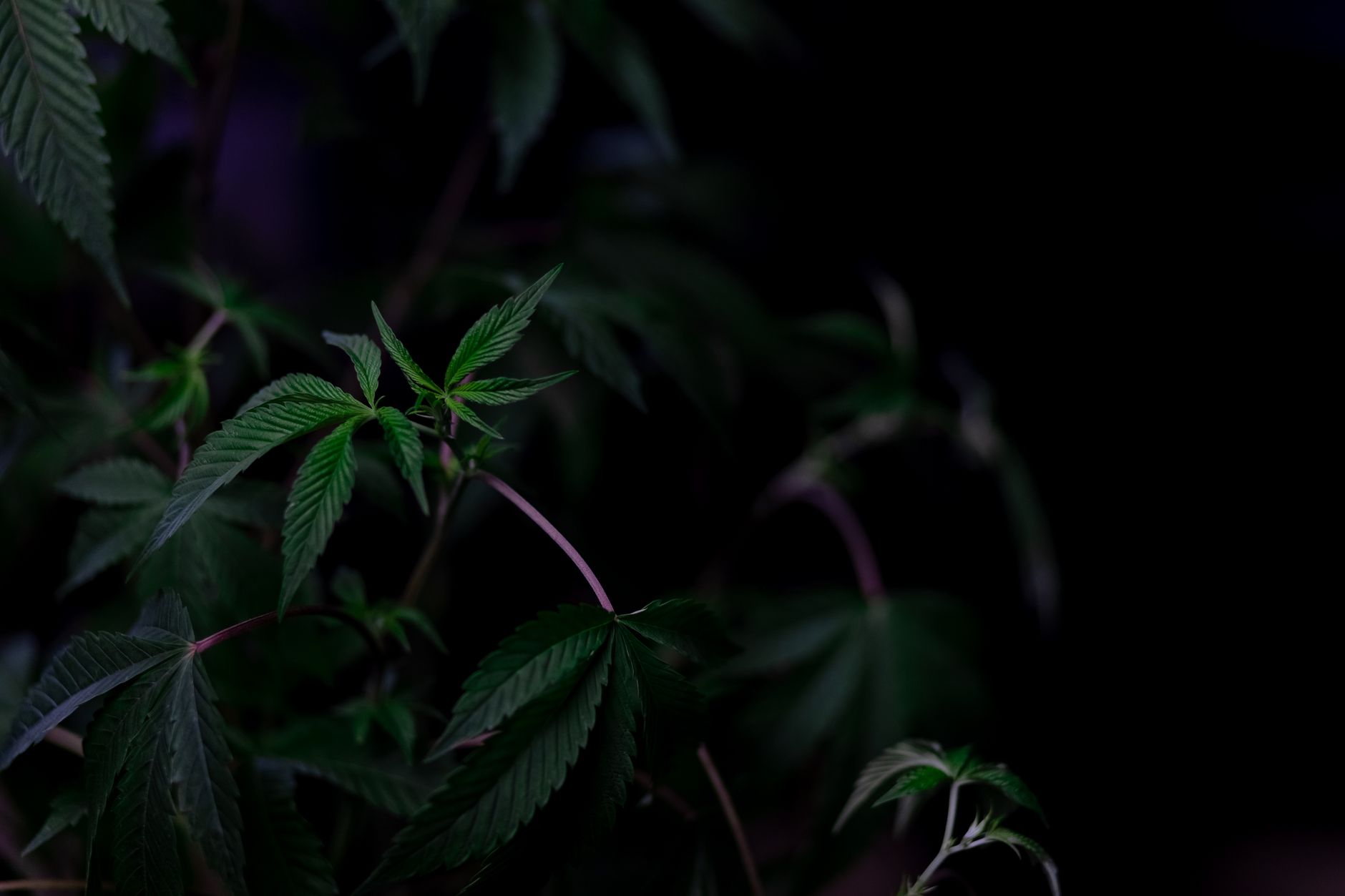
TAC stands for Total Active Cannabinoids — the sum of every measurable cannabinoid in a cannabis sample expressed as a percentage of dry weight. It includes THC, THCA, CBD, CBDA, CBG, CBN, CBC, and a range of minor cannabinoids. Where a THC figure isolates one compound, TAC captures the full chemical complexity of the plant. A high TAC score signals a richer cannabinoid profile, which many researchers associate with stronger entourage-effect activity.
- ✓ Aussie growers choosing seeds based on cannabinoid chemistry
- ✓ Medicinal cannabis patients comparing product labels
- ✓ Hobbyist cultivators (in jurisdictions where cultivation is permitted) wanting to maximise whole-plant quality
- ✓ Anyone confused by the difference between THC% and TAC%
- ✓ Growers selecting between feminised cannabis seeds and autoflowers on cannabinoid profile
- ✗ Readers seeking legal advice on cannabis cultivation in Australia
- ✗ Those looking for recreational use guides (check your local laws)
- ✗ People seeking a single "highest TAC" strain recommendation without context
What Is TAC in Weed?
TAC — Total Active Cannabinoids — is a single percentage figure that sums every detectable cannabinoid in a cannabis sample at the time of laboratory testing.
Unlike a THC-only figure, TAC counts THCA, THC, CBDA, CBD, CBG, CBGA, CBN, CBC, THCV, and any other cannabinoid the lab can detect and quantify. Each one is expressed as a percentage of dry-weight biomass, then totalled.
In Australia, TAC labelling became the standard for TGA-approved medicinal cannabis products around 2019. The Therapeutic Goods Administration (TGA) requires product sponsors to disclose cannabinoid content, and most Australian dispensaries now display TAC alongside individual cannabinoid breakdowns.
TAC is the most complete single number you can use to assess a cannabis product's or strain's cannabinoid depth. For growers selecting seeds in jurisdictions where cultivation is permitted, choosing genetics with documented high TAC potential gives a more meaningful quality target than chasing peak THC alone.
What's the Difference Between TAC and THC?
THC (tetrahydrocannabinol) is one cannabinoid. TAC is the sum of all cannabinoids. That's the whole distinction — but the practical implications are significant.
A product labelled "25% THC" might have a TAC of 26% (almost no minor cannabinoids) or a TAC of 31% (5% contributed by CBG, CBN, CBC, and trace compounds). Same THC number. Very different plant chemistry.
The gap between THC% and TAC% is your minor-cannabinoid window. Wider gap = richer profile. Narrower gap = simpler chemistry, more dominated by a single compound.
| Metric | THC % | TAC % | CBD % | CBG % | Minor Others % | Profile Richness |
|---|---|---|---|---|---|---|
| Example Strain A | 25% | 26% | 0.1% | 0.4% | 0.5% | Narrow (THC-dominant) |
| Example Strain B | 25% | 31% | 1.5% | 2.0% | 2.5% | Rich (full-spectrum) |
| Balanced CBD Strain | 10% | 22% | 10% | 1.0% | 1.0% | Balanced (1:1) |
| CBD-dominant | 0.3% | 18% | 16% | 1.2% | 0.5% | CBD-led, mild THC |
When comparing two strains with identical THC figures, always check TAC. Strain B above will typically deliver a more complex, layered effect than Strain A — even at precisely the same THC dose. For growers selecting high THC seeds Australia, understanding this gap is the difference between surface-level selection and genuinely informed genetics choices.
What Cannabinoids Make Up TAC?
TAC is not just THC + CBD. It includes every quantifiable cannabinoid in the sample — and a premium flower can contain a dozen or more at detectable levels.
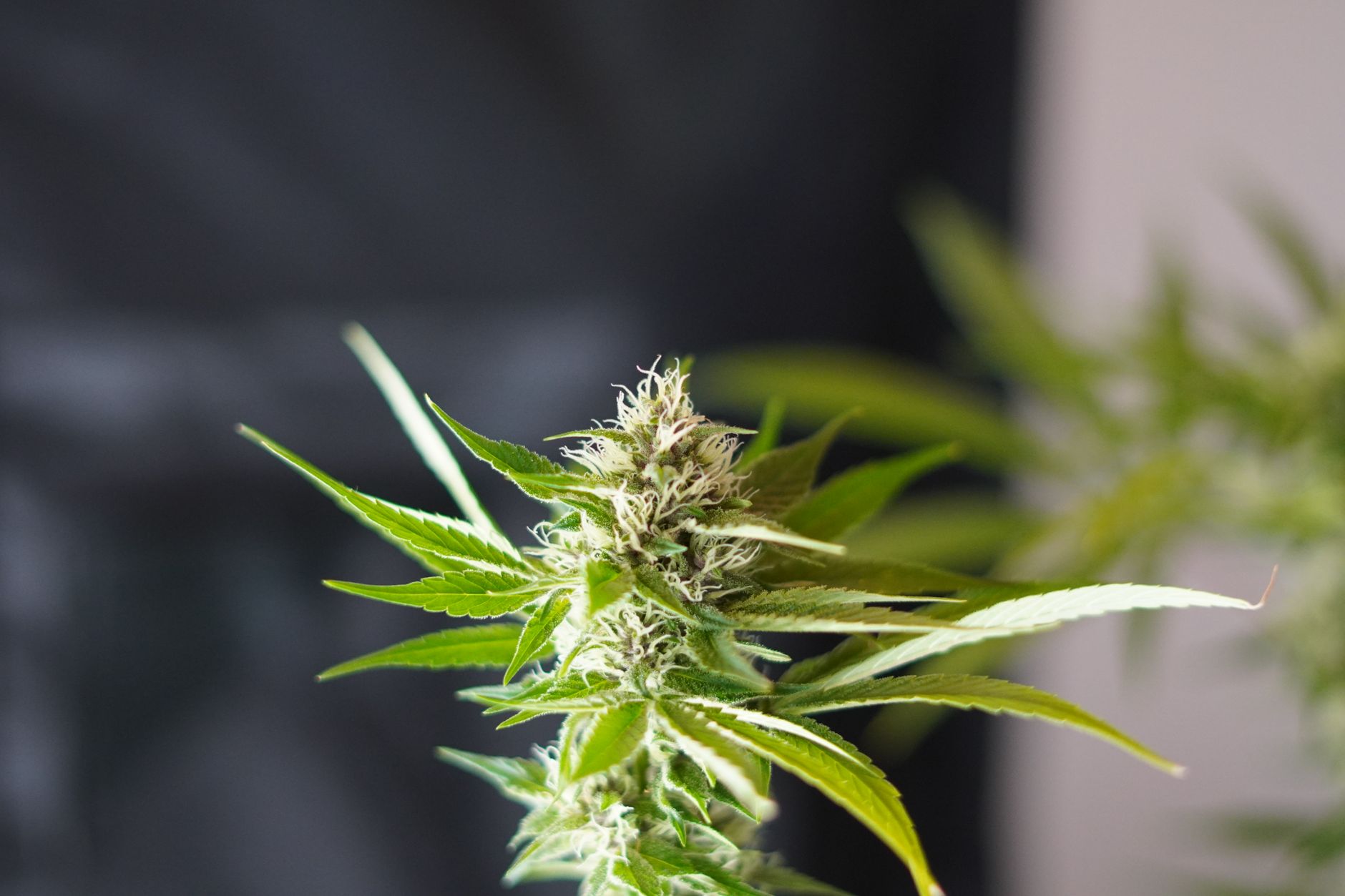
The most common contributors to TAC are:
- THCA — the raw, non-psychoactive acid form of THC (decarboxylates to THC when heated)
- THC (Δ9-THC) — the primary psychoactive compound
- CBDA — raw acid form of CBD
- CBD — non-psychoactive, wide therapeutic research interest
- CBG (Cannabigerol) — often called the "mother cannabinoid"; precursor to THC and CBD biosynthesis
- CBGA — acid form of CBG
- CBN (Cannabinol) — mildly psychoactive; forms as THC degrades; higher in aged or over-cured cannabis
- CBC (Cannabichromene) — non-psychoactive; present in trace amounts in most varieties
- THCV (Tetrahydrocannabivarin) — psychoactive at high doses; more common in African landrace genetics
- CBDV (Cannabidivarin) — non-psychoactive; early research interest for neurological conditions
Research published on PubMed continues to expand our understanding of how these minor cannabinoids interact — particularly CBG and CBC, which appear in measurable concentrations in well-preserved, trichome-rich genetics.
The minor cannabinoids — particularly CBG, CBC, and CBN — are where TAC earns its value over a simple THC figure. Growers aiming to maximise TAC should focus on harvest timing (peak trichome maturity) and post-harvest handling. Over-drying and excessive light exposure degrade minor cannabinoids faster than THC, shrinking your TAC even from genetics with excellent potential.
What Is a Good TAC Score for Cannabis?
A "good" TAC depends heavily on the product type, intended use, and whether the buyer prioritises potency, balance, or therapeutic profile.
General TAC benchmarks observed across Australian medicinal dispensaries and public lab data:
- Under 10%: Low-potency or heavily CBD-dominant; typically hemp-derived products
- 10–18%: Entry-level medicinal range; suitable for new patients or low-tolerance users
- 18–24%: Mid-tier; most balanced commercial flower falls here
- 24–30%: High-end; premium indoor genetics, well-cured and laboratory-verified
- 30%+: Elite; rare, typically from stabilised exotic genetics or very controlled indoor environments
For growers selecting autoflower seeds for Aussie growers, a finished TAC of 18–24% from quality autoflowering genetics is realistic indoors with good technique. Photoperiod feminised strains in optimal conditions can push 25–30%+ TAC when grown correctly.
For most Aussie growers (in jurisdictions where cultivation is permitted), targeting genetics rated 20–26% TAC at harvest gives a realistic, high-quality ceiling. Strains marketed beyond 30% TAC warrant close scrutiny of the testing methodology — lab conditions, moisture content, and decarboxylation calculations vary significantly between accredited Australian labs.
How Does TAC Connect to the Entourage Effect?
The entourage effect is the hypothesis — increasingly supported by peer-reviewed research — that cannabinoids and terpenes work together synergistically, producing effects greater than the sum of individual compounds.
TAC is the best available proxy for entourage-effect potential. A product with 25% THC and a 32% TAC has substantial supporting cannabinoid activity (7% of minor compounds). A product at 25% THC and 26% TAC is essentially a single-compound experience.
Research from the Journal of Cannabis Research has examined how CBD modulates THC psychoactivity, how CBG may reduce anxiety-adjacent effects, and how CBC contributes to anti-inflammatory signalling. None of these interactions appear in a THC-only label.
Terpenes also contribute to this system — but terpenes are a separate measurement from TAC. Some Australian product labels include both a TAC% and a total terpene% (TTP). Where both are available, combined review gives the most complete picture of a strain's effect potential.
Every percentage point between a strain's THC% and its TAC% represents minor-cannabinoid contribution to the entourage effect.
Formula: TAC% − THC% = Minor Cannabinoid Contribution (MCC%)
Worked example: A strain with 26% THC and 31% TAC has an MCC of 5% — meaning 5 percentage points of cannabinoid activity are coming from CBG, CBD, CBN, CBC, and trace compounds. That's a meaningfully rich profile. A strain at 26% THC / 27% TAC has just 1% MCC — almost all-THC chemistry with minimal supporting players.
Use the TAC Gap Rule before buying seeds or products. An MCC of 3–5%+ is the marker of genuinely complex genetics. Under 1.5% MCC and you're buying primarily a single-compound experience, regardless of the marketing language around "full-spectrum" or "complex terpene profiles."
How Do You Read a Cannabis TAC Label in Australia?
Step 1: Find the Certificate of Analysis (CoA)
Every TGA-approved medicinal cannabis product in Australia must come with a CoA from an accredited NATA laboratory. This document lists each cannabinoid and its percentage of the dry-weight sample. The TAC figure is either listed explicitly or can be calculated by summing all individual cannabinoid percentages.
Step 2: Distinguish acid forms from neutral forms
THCA and CBDA are the raw, unactivated acids. They're non-psychoactive in their native state. When heated (smoked, vaporised, decarboxylated in an oven), they convert to THC and CBD. A good CoA lists both THCA and THC separately. TAC typically includes both — so a "25% THC" product might actually be 22% THCA + 3% THC with a TAC that sums all acid and neutral forms.
Step 3: Calculate the Minor Cannabinoid Contribution (MCC)
Subtract the THC% (or THCA + THC combined) from the TAC total. The remainder is your MCC — your entourage-effect indicator. Anything above 3% MCC signals a genuinely multi-cannabinoid profile worth paying attention to.
Step 4: Note the moisture content
Cannabinoid percentages are expressed as a proportion of dry weight. Higher moisture content at the time of testing artificially deflates TAC. Labs should report moisture content alongside cannabinoid figures. Australian consumers and growers should always request CoA documents that include moisture content.
A CoA without moisture content is incomplete. Two identical products tested at 8% moisture vs 12% moisture will show different TAC figures from the same batch. When comparing strains or products by TAC, confirm both were tested at comparable moisture levels — or apply a moisture correction before drawing conclusions.
What Affects TAC Levels in a Home Grow?
TAC is not fixed at genetics alone — it's the product of genetics, environment, and post-harvest handling. All three levers are in a grower's control (in jurisdictions where cultivation is permitted).
Looking at the questions most frequently fielded by growers around harvest time, one pattern stands out: most TAC-reducing mistakes happen in the final two weeks of flower and the first two weeks of cure — not during the vegetative phase.
Key variables that influence final TAC:
- Genetics: The single biggest factor. Select verified, stabilised strains with published cannabinoid data. Feminised cannabis seeds from reputable breeders will carry more predictable cannabinoid profiles than unknown bag seed.
- Light intensity and spectrum: UV-B exposure in the final 2 weeks of flower is associated with increased trichome density. Growers using LEDs can dial in UV-B supplementation; outdoor growers benefit from high-UV Australian summer and autumn sun.
- Temperature in late flower: Daytime temps above 30°C in the final 3 weeks accelerate terpene and minor cannabinoid degradation. Melbourne growers in a hot February finish should consider shade cloth in peak afternoon.
- Harvest timing: Harvesting too early (clear trichomes) leaves cannabinoid biosynthesis incomplete — TAC will be below genetic potential. Harvesting too late (amber-dominant) means THC has converted to CBN, shifting the profile but reducing overall active THC contribution.
- Dry and cure conditions: Drying above 24°C, below 45% RH, or in direct light degrades minor cannabinoids faster than THC. A slow cure (60–65% RH, 18–20°C, dark, 2–4 weeks minimum) preserves the full TAC potential.
Genetics sets the TAC ceiling. Environment and handling determine how close you get to it. A premium strain mistreated in the dry room will test lower in TAC than a mid-tier strain with a careful slow cure. For Aussie outdoor growers, the March–April autumn harvest window demands particular attention to temperature management during drying — warm autumn nights in QLD and coastal NSW can push drying temps into the danger zone without ventilation.
Royal King Seeds TAC-Optimised Strain Scoring
The following score ranks strain types by their TAC potential in Australian growing conditions, weighted for climate suitability, cannabinoid profile richness, and ease of preserving TAC through harvest.
Royal King Seeds TAC Profile Score — Methodology: Cannabinoid profile richness 40% + Climate suitability for AU (preserving minor cannabinoids outdoors) 30% + Harvest timing predictability 20% + Beginner accessibility 10%.
| Strain Type | Typical TAC Range | Typical MCC% | Mould Resistance | Heat Tolerance | Harvest Predictability | Beginner Rating /10 | RKS TAC Score /100 |
|---|---|---|---|---|---|---|---|
| Indica-dominant Feminised | 20–28% | 2–4% | Medium | Medium | High | 7/10 | 82 |
| Sativa-dominant Feminised | 18–26% | 2–5% | Low–Medium | High | Medium | 5/10 | 74 |
| Balanced Hybrid Feminised | 22–30% | 3–6% | Medium–High | Medium | High | 7/10 | 88 |
| Auto Indica-dominant | 16–24% | 1.5–3% | Medium | Medium–High | Very High | 9/10 | 79 |
| CBD-balanced Feminised | 18–24% | 8–12% | Medium | Medium | High | 8/10 | 83 |
Why Balanced Hybrid Feminised scores #1 (88):
- Typically expresses the broadest cannabinoid profile — both indica and sativa genetic lines contributing distinct minor cannabinoids
- Harvest timing is more predictable than pure sativa, reducing the risk of trichome degradation from overrun season
- Mould resistance is generally better than long-finishing sativas, critical for QLD coastal and WA southwest autumn finishes
Why Sativa-dominant Feminised ranks lower (74) despite high MCC potential:
- Long finish windows (often 14+ weeks flower) risk autumn mould in southern AU states
- Extended flowering in humid conditions degrades minor cannabinoids before harvest — the final TAC often underperforms genetic potential
Balanced hybrid feminised strains offer the best combination of TAC depth and manageable harvest windows across most Australian climates. For growers in TAS, VIC, and inland NSW where autumn arrives early, autoflowering seeds with indica dominance provide the most reliable TAC outcome because harvest timing is calendar-fixed rather than light-dependent.
TAC Grower Scenarios by Australian State
Where you grow in Australia directly affects which strain types will reliably express high TAC at harvest. Climate determines how much of your genetic potential you actually capture.
The following scenarios are drawn from publicly available Bureau of Meteorology climate data and regional agricultural information from ABARES. Growers should check their local laws before cultivating cannabis in any Australian state or territory.
Heat and humidity are the TAC enemies here. Late-flower heat above 32°C in Feb–Mar accelerates terpene and minor cannabinoid degradation. Mould pressure from coastal humidity in March is severe. Best TAC strategy: autoflowers started in mid-October, harvested by late December before peak humid season. Indica-dominant autoflower seeds finishing in 70–80 days protect the minor cannabinoid fraction by avoiding the humid February window entirely.
Autumn arrives fast in VIC. Photoperiod genetics starting flower in late February face dropping temps and rising humidity by late March–April. Looking at grower journal data from VIC outdoor seasons, TAC scores drop noticeably on plants that overshoot their harvest window into May. Best TAC strategy: balanced hybrid feminised strains with 8–9 week flower times, started in late October to target a late-March harvest with a 3-week buffer before May cold spells.
Perth's long, dry, hot summers are ideal for cannabinoid development — high UV, low humidity, warm nights. The TAC risk window is narrow: late-April through May when maritime humidity rises sharply. Best TAC strategy: photoperiod feminised cannabis seeds with 10-week flower started in mid-October, harvested early-to-mid April. The Mediterranean climate consistently produces the highest outdoor TAC of any Australian mainland region.
TAS has the shortest outdoor window in Australia. Frost can arrive as early as late April in elevated areas. Cool nights from March onward slow resin production and can introduce mould in dense canopies. Best TAC strategy: fast autoflowers (65–75 days) started in late October, finishing by mid-to-late January. Avoid photoperiod genetics in TAS unless you have greenhouse infrastructure — the risk of a cold-weather TAC crash in April is high.
NSW has wide climate variation — coastal Sydney is mild, Northern Rivers is subtropical, and inland areas get extreme summer heat. For Sydney coastal growers, balanced hybrids with 9–10 week flower finishing in late March offer good TAC outcomes. Northern Rivers growers face the same subtropical humidity pressures as QLD — fast autoflowers or mould-resistant hybrids are preferred for reliable TAC preservation.
Adelaide and the Barossa Valley share characteristics with Perth's Mediterranean climate — hot, dry summers and mild winters. The TAC-growing window is generous: October through April. Best TAC strategy: high-THC feminised hybrids started in October for a March–April harvest. The low humidity during flower is excellent for minor cannabinoid accumulation, and SA's UV index supports trichome density comparable to WA.
Australian TAC Risk Calendar (Outdoor Growing)
Caution
Germinate, seedling phase, UV building
Ideal
Plant out. Long days, building temps
Ideal
Vigorous veg. Peak UV, warm nights
Ideal
Late veg / flower trigger. Hot, high UV
Caution
Peak heat. TAC risk if temps exceed 32°C
Caution
Late flower. Heat + humidity rising in QLD/NSW
High Risk
Mould window opens. Harvest before end of March ideal
High Risk
Cold nights TAS/VIC. Humidity east coast. TAC degradation risk
Severe
Frost risk. Any unharvested plant is in danger
No Grow
Winter. Indoor only
No Grow
Winter. Indoor only
No Grow
Late winter. Prepare genetics
The March–April window is the single highest-risk period for TAC loss in Australian outdoor grows. Mould attacks minor cannabinoids before it visibly destroys the bud — meaning you can have outwardly acceptable-looking flower with substantially degraded TAC. Harvest before this window closes, not after.
Royal King Seeds TAC Outdoor Risk Rating
| Strain Type | Heat Stress Risk | Mould Risk | Harvest Timing Risk | Beginner Risk | Minor Cannabinoid Loss Risk |
|---|---|---|---|---|---|
| Indica-dominant Feminised | Medium | Medium | Low | Low | Low |
| Sativa-dominant Feminised | Low | High | Very High | High | Very High |
| Balanced Hybrid Feminised | Medium | Medium | Low | Low–Medium | Low |
| Auto Indica-dominant | Medium | Medium | Very Low | Very Low | Very Low |
| CBD-balanced Feminised | Low | Low–Medium | Low | Very Low | Low |
Common Mistakes When Chasing High TAC
Mistake 1: Trusting Breeder TAC Claims Without a CoA
Breeder marketing frequently quotes "potential TAC" based on ideal indoor grows at peak genetic expression. Real-world outdoor TAC — especially in Australian climates — can be 3–8 percentage points lower. Always request a third-party CoA if you're purchasing products; for seed buyers, look for breeders who publish average TAC from multiple phenotype runs, not just peak individuals.
Mistake 2: Harvesting Too Late in the Name of More Potency
Waiting for full amber trichomes to "maximise THC" actually shifts the profile toward CBN as THCA converts further. The window of peak TAC — where THC is at maximum AND minor cannabinoids are still intact — is typically when trichomes are 70–80% cloudy, 10–20% amber. Beyond this point, TAC may not change much on paper, but the active composition shifts.
Mistake 3: Drying Too Fast in Hot, Dry Conditions
Australian summer and early-autumn air is dry. A March harvest in Adelaide or Perth can go from fresh-cut to bone-dry in 4–5 days if not managed. Rapid drying above 24°C significantly degrades terpenes and CBC/CBG fractions. Target a 10–14 day dry at 16–20°C, 50–60% RH, with good airflow but not direct fan blast on buds.
Mistake 4: Skipping the Cure Entirely
Curing isn't just about smoothness — enzymatic activity during the cure continues to convert CBGA into CBG and finalise CBD from CBDA. Skipping or shortcutting the cure (less than 2 weeks in sealed jars at 62% RH) leaves these conversions incomplete. A 4-week cure at 18–20°C, burped daily for the first week, will consistently produce higher final TAC readings than uncured equivalents from the same batch.
Mistake 5: Ignoring Light Leaks During Drying
UV and visible light accelerate cannabinoid degradation during the post-harvest phase. Even a few hours of daily light exposure in the drying room measurably reduces THCA conversion rates and minor cannabinoid stability. Drying rooms should be completely dark.
Mistake 6: Using Single-Compound THC% as the Seed Selection Metric
Selecting seeds based purely on advertised THC% ignores the rest of the cannabinoid profile. Two strains at "28% THC" may have TAC scores of 29% vs 34%. That 5-point gap represents an entirely different pharmacological experience. Use TAC as your primary seed selection metric — not THC alone. Browse all cannabis seeds and filter by strains with published full-spectrum cannabinoid data.
The most common TAC-destroying mistake in Australian home grows isn't a genetics failure — it's a handling failure. Genetics sets the ceiling; your dry, cure, and harvest timing determine how close you get. Fix the basics and you'll consistently outperform the TAC potential of average genetics.
Myth vs Reality: TAC Edition
| Myth | Reality |
|---|---|
| "Higher THC = higher TAC" | Not always. Two strains with identical THC can have TAC scores 5–8 points apart depending on minor cannabinoid expression. |
| "TAC only matters for medicinal users" | TAC reflects overall plant quality, not just therapeutic intent. Recreational growers benefit from richer profiles too — complexity of effect is largely driven by minor cannabinoids. |
| "TAC is fixed at harvest" | TAC shifts during dry and cure. Proper curing can finalise CBDA → CBD and CBGA → CBG conversions, slightly increasing certain cannabinoid fractions in the final product. |
| "All labs measure TAC the same way" | Lab methodology varies. Some include terpenes in TAC (incorrect). Some don't decarboxylate before measuring. NATA-accredited Australian labs use standardised HPLC methods, but moisture content calibration still varies. |
| "CBD strains always have low TAC" | CBD-balanced strains often have high TAC because CBD + THC together can easily sum to 20%+, with CBG and other minors adding further depth. Some CBD strains have higher TAC than high-THC cultivars. |
What Happens If You Choose the Wrong Strategy for TAC?
- Strain type: Balanced hybrid feminised, 9-week flower
- Start date: Oct 15 (Melbourne, VIC)
- Harvest date: March 18
- Dry/cure: 12-day dark dry at 18°C, 4-week cure at 62% RH
- Risk level: Low
- Outcome: 24–28% TAC with 4–5% MCC. Full cannabinoid profile preserved. No mould. Terpenes intact. Confident harvest before autumn humidity window.
- Strain type: Sativa-dominant, 12-week flower
- Start date: Oct 15 (Melbourne, VIC)
- Harvest date: April 28 (overrun)
- Dry/cure: Fast-dried outdoors in warm garage, 5 days, no cure
- Risk level: Very High
- Outcome: 17–20% TAC due to mould damage, heat degradation in dry, incomplete CBDA conversion. Minor cannabinoids severely reduced. Grower disappointed by flat, one-dimensional effect despite premium genetics investment.
Bottom line: The decision made at seed selection — not grow skill — drove a 7–10 percentage point difference in final TAC between two growers starting on the same day in the same city.
Ready to grow for genuine cannabinoid depth?
Browse our full range of feminised and autoflowering strains with documented cannabinoid profiles — selected for Australian growing conditions.
Shop All Cannabis Seeds →Frequently Asked Questions About TAC in Weed
What does TAC stand for in cannabis?
Is TAC the same as THC?
What is a good TAC percentage for cannabis?
Does TAC include terpenes?
Can I increase TAC by extending the flowering period?
Why is my TAC lower than the breeder claimed?
Do autoflowers have lower TAC than feminised photoperiod strains?
How does curing affect TAC?
Is TAC labelling required on cannabis products in Australia?
Can I start growing high-TAC strains outdoors in Queensland in November?
What is the Minor Cannabinoid Contribution (MCC) and how do I calculate it?
Why did my plants in Tasmania have lower TAC than expected?
Should I choose CBD strains for higher TAC?
What's the difference between THCA and THC in a TAC reading?
Does the entourage effect actually work — is there scientific evidence?
Can mould reduce TAC without being visible on the bud?
What is the best light schedule for maximising TAC indoors?
I bought seeds advertised at 30% TAC — is that realistic for Australian outdoor?
Should I grow indica or sativa for the highest TAC in Sydney?
My autoflower stalled at week 6 — will this affect TAC?
Do lab results always show the real TAC of a product?
What month should I start growing in Victoria to protect TAC?
Is TAC relevant for growers, or just for medicinal patients?
Choose seeds built for Australian conditions and genuine cannabinoid depth.
Our full range of feminised and autoflowering genetics is selected for climate resilience and documented cannabinoid profiles across NSW, VIC, QLD, WA, SA, and TAS.
Feminised Seeds → Autoflowering Seeds →Sources
- Therapeutic Goods Administration (TGA) — Medicinal Cannabis in Australia
- Australian Department of Health and Aged Care — Cannabis Policy
- Bureau of Meteorology — Australian Climate Data
- ABARES — Australian Bureau of Agricultural and Resource Economics and Sciences
- PubMed — Cannabis Cannabinoid Research (NIH)
- Journal of Cannabis Research — Peer-Reviewed Cannabinoid Studies
- CSIRO — Australian Research in Agriculture and Plant Science
Related Articles
Ready to Start Growing?
Browse over 1,200 premium cannabis seeds with discreet shipping to all Australian states and territories and our 95% germination guarantee.
Shop Cannabis Seeds